Baum Hunting Lodge: An Eighteenth-Century Hunting Retreat near Bückeburg
Site at a Glance
- Popularity
- Medium
- Country
- Germany
- Primary era
- Early Modern
- Eras represented
- Early Modern
- Civilizations
- Holy Roman Empire
- Site type
- Domestic
- Remains
- Elite Residence
On this page7 sections
History
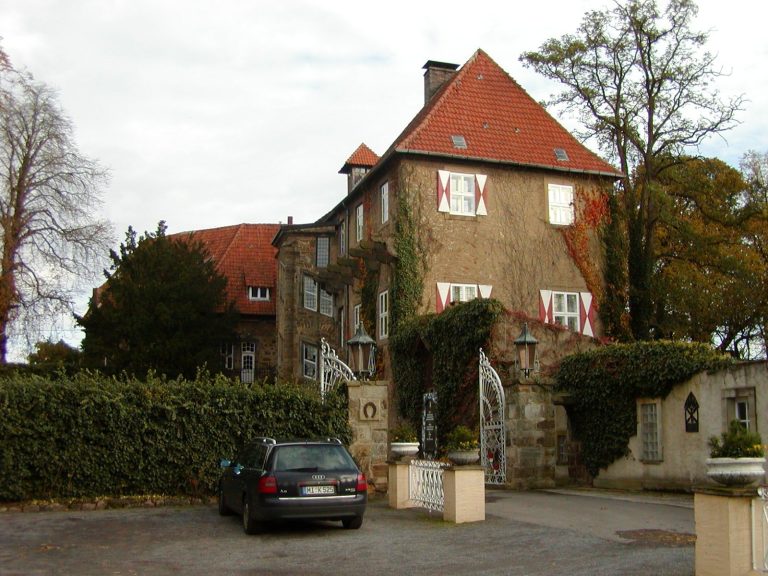
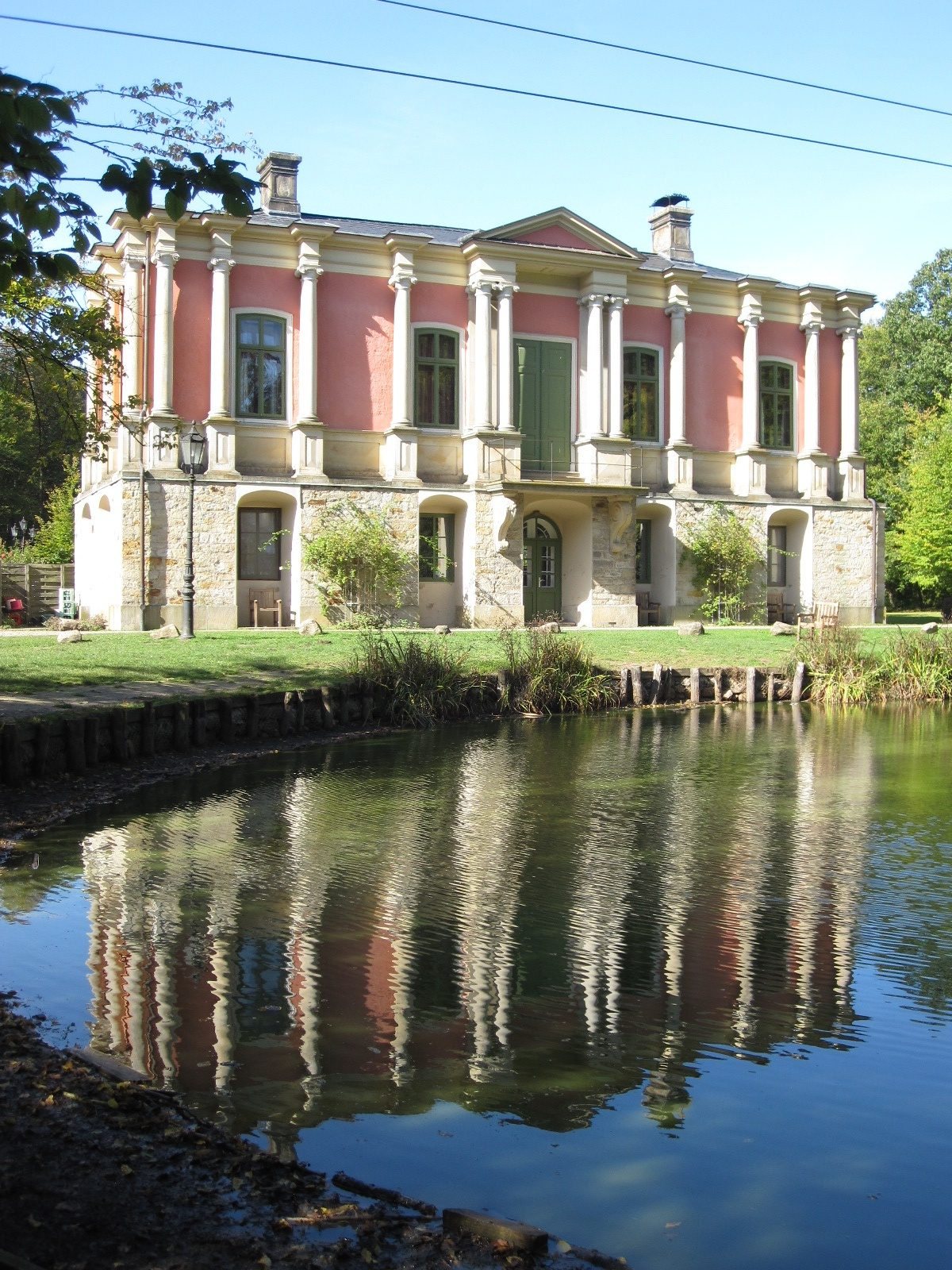
Baum Hunting Lodge is a hunting lodge near Bückeburg, Germany, built in 1760–1761 for Count Wilhelm zu Schaumburg-Lippe in the Late Baroque Classicist style, which combines late Baroque design with classical forms. It is described as a notable example of this style and belongs to the House of Schaumburg-Lippe.
Construction and the park
The lodge incorporated the basement of an earlier building. Its name is traditionally linked to a toll barrier near the boundary of the small principality of Schaumburg-Lippe, where tolls were collected. In 1776, Wilhelm had a family mausoleum built in the park near the lodge.
Later institutional use
Until 31 March 2021, the lodge served as a meeting and recreation center for the Evangelical Youth of the Landeskirche Schaumburg-Lippe, a regional Protestant church. It also functioned as an educational center for seminars, educational events, holiday stays, and weekend programs. A new operator took over the educational center in February 2022.
Remains
The lodge stands beside an English landscape garden, a deliberately naturalistic design, while the nearby park contains the family mausoleum. A small pond and a grotto form part of the garden grounds.
The lodge
The lodge’s ground plan follows an 8-by-21-metre footprint, matching the dimensions of the predecessor building’s basement.
Garden and grotto
Beyond the small pond, a grotto is flanked by two early Baroque portals. They were installed there in 1758 and were probably made between 1604 and 1606 for the great hall of Bückeburg Palace.
Family mausoleum
The mausoleum takes the form of a stepped pyramid. Its entrance faces east and is formed as a portico, a roofed entrance supported by columns or piers. Ornamental plants were originally placed on the pyramid’s steps. The mausoleum first stood in a designed garden enclosed by hedges; over time, this area became a wooded park with avenues.