Palacio de las Marismillas: A Hunting Estate and State Residence
Site at a Glance
- Popularity
- High
- Country
- Spain
- Primary era
- Modern
- Eras represented
- Modern
- Civilizations
- Spanish
- Site type
- Domestic
- Remains
- Elite Residence
History
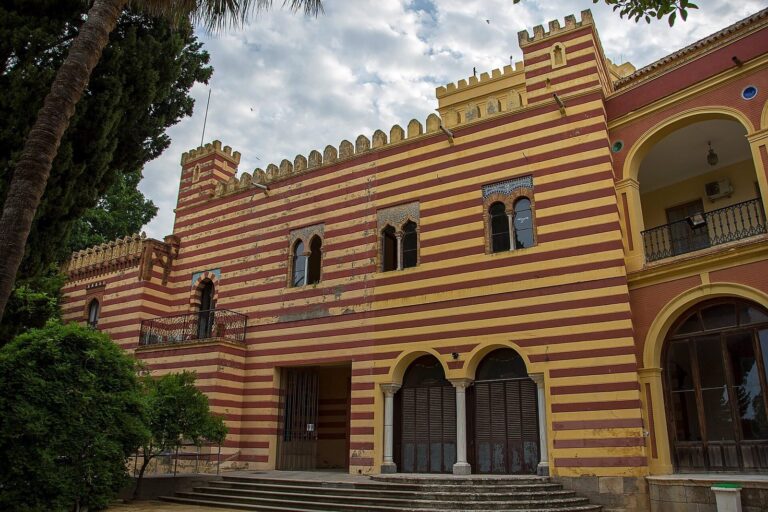
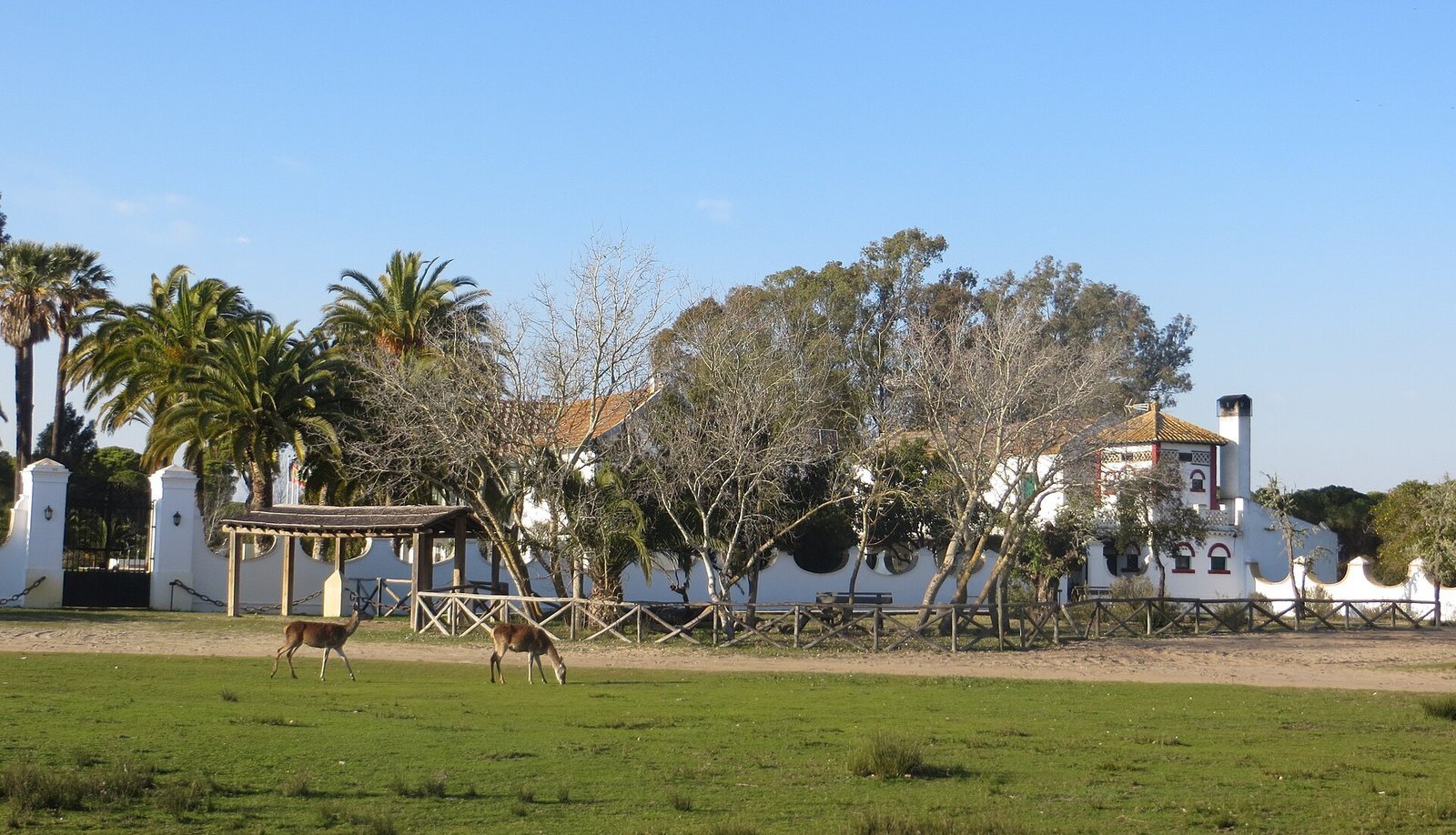
Palacio de las Marismillas is a palace on the Marismillas estate in Almonte, Huelva, Spain, at the southern end of Doñana National Park. The Coto de Doña Ana had served as a hunting ground since the reign of Alfonso XI of Castile, a fourteenth-century king. The lands belonged to the Dukes of Medina Sidonia, and Alfonso made them one of his favored hunting grounds. In 1900, the Coto was divided and the Doñana estate passed to Guillermo Garvey, a Jerez wine producer, who began building the palace. The estate later passed to the Duke of Tarifa through his marriage to María de los Ángeles Medina y Garvey. From 1912 to 1933, the duke used it for agriculture and hunting, planted many trees, enlarged the estate by buying adjoining land, and completed the palace. Its architectural style is described as English colonial.
From private estate to state residence
Francisco Franco, Spain’s dictator and head of state, used the estate for hunting in 1944. Juan Carlos de Borbón, then Prince of Spain and later King Juan Carlos I, hunted there in 1953.
By inheritance, the estate passed to the Marquesses of Borghetto in the mid-twentieth century and then to their children, the Morenés family. The Spanish state expropriated it following legal proceedings that continued until December 1998. The palace became part of State Heritage, property belonging to the Spanish state, in the early 1990s. In 1992 it was assigned protocol use, allowing it to provide temporary accommodation for foreign leaders. It has also served as a holiday residence for successive Spanish prime ministers and is Andalusia’s only presidential residence.
The palace forms part of Doñana National and Natural Park, which UNESCO inscribed as a natural World Heritage Site in 1994. The inscription recognizes the area’s natural beauty, ecological processes, and biodiversity.
Remains
The palace stands within the Marismillas estate, which covers approximately 10,280 hectares at the southern end of Doñana National Park. The estate lies near the Guadalquivir River and a few kilometres from Sanlúcar de Barrameda. The palace’s English colonial style is its stated architectural character.