Schloss Orth: A Four-Towered Water Castle in Austria
Site at a Glance
- Popularity
- Medium
- Country
- Austria
- Primary era
- Early Modern
- Eras represented
- Medieval, Early Modern
- Civilizations
- Duchy of Austria, Habsburg, Habsburg Austria, Holy Roman Empire
- Site type
- Military
- Remains
- Castle
On this page8 sections
History
Lengenbach origins and fifteenth-century conflicts
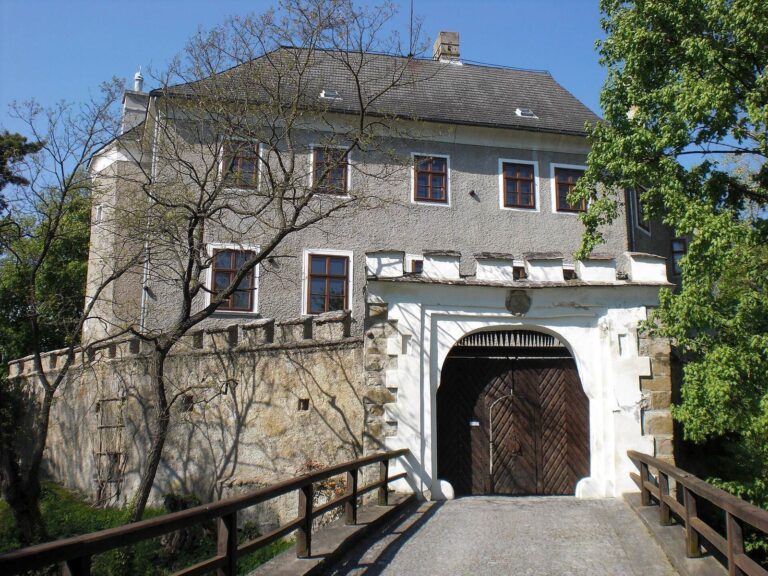
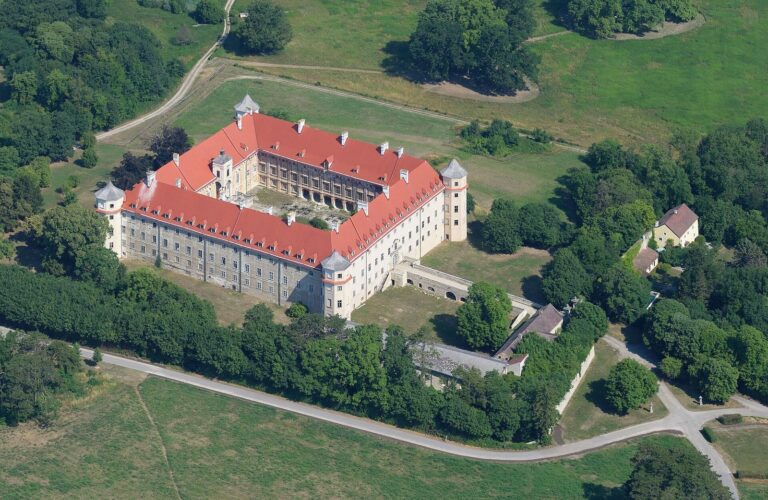
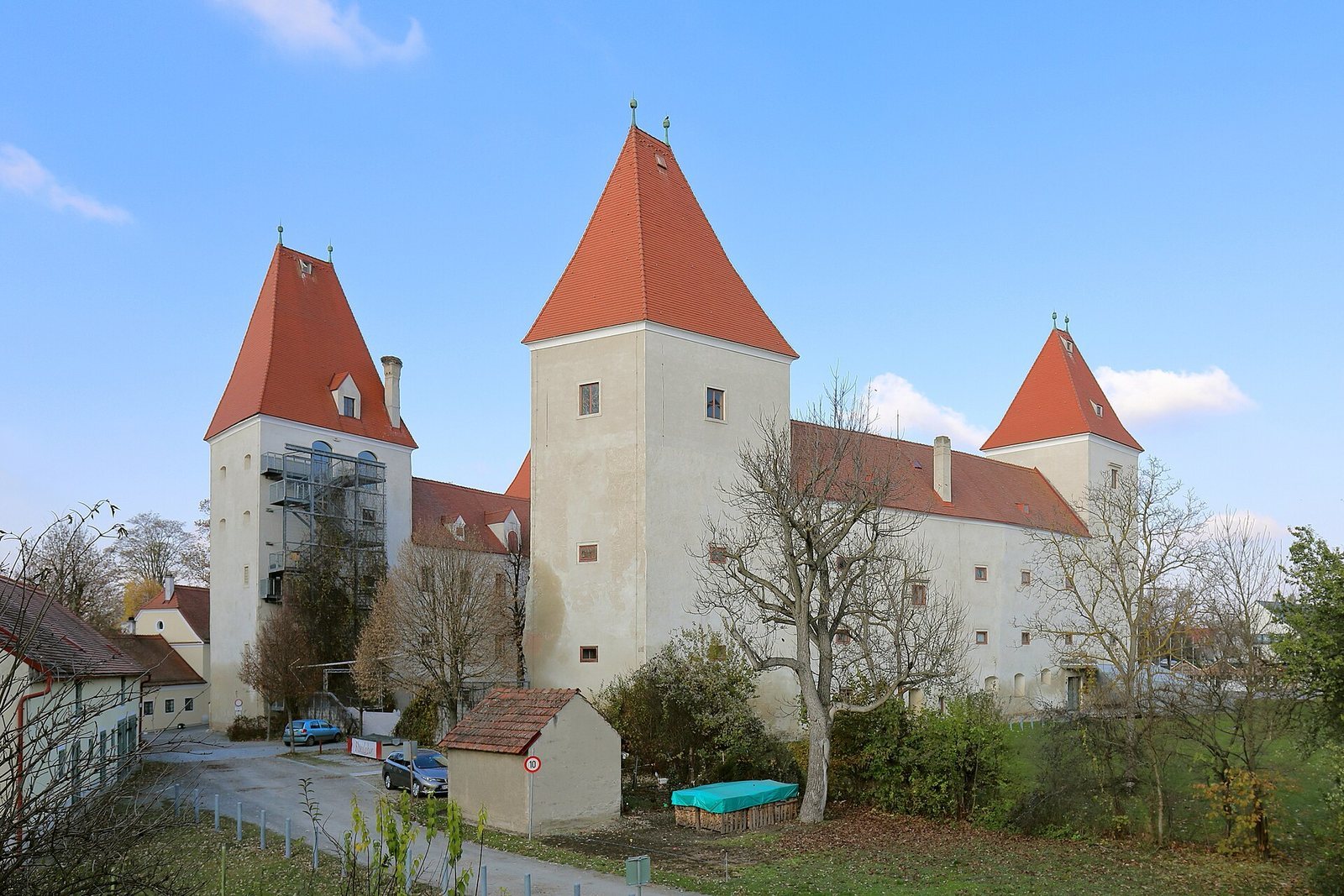
Schloss Orth is a four-towered water castle in Austria, built by the Lengenbach family, a powerful noble house of the Babenberg era, and first mentioned in a document in 1201. It is one of six castles associated with the Marchfeld, a lowland region of Lower Austria northeast of Vienna.
In the fifteenth century, the castle became caught up in a dispute between Emperor Frederick III and the Lower Austrian estates, the province’s corporate political bodies. The estates regarded Ladislaus Posthumus as their rightful territorial lord. On 15 August 1452, forces led by the Austrian nobleman Ulrich von Eyczing captured the castle.
Unrest returned after Ladislaus died in 1457. In 1460, an imperial army besieged the castle, then held by Gamareth Fronauer, a nobleman who claimed it as his inheritance. Fronauer escaped through underground passages. The castle was taken without resistance on 26 March.
Destruction, rebuilding, and expansion
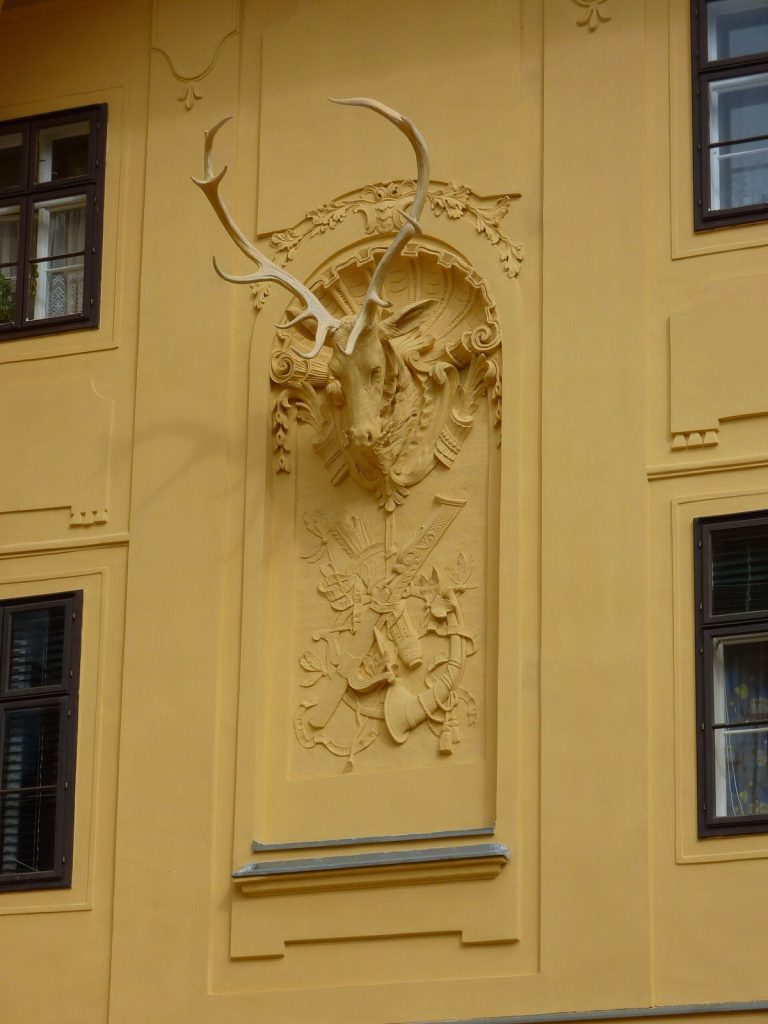
The First Ottoman Siege of Vienna was the Ottoman campaign against the city in 1529. Schloss Orth was destroyed during the siege and subsequently rebuilt in the Renaissance style by Niklas, Count Salm the Elder, an Austrian nobleman and military commander. In the seventeenth century, the castle was used for court hunts. An expansion in 1679–80 added the New Castle on the west side.
Habsburg ownership and later use
In 1824, the Habsburgs bought the castle from the Austrian banker Moritz von Fries and incorporated it into their private and family fund, which held the dynasty’s private and family assets. Crown Prince Rudolf later used Schloss Orth as a hunting castle. Around 1873, he commissioned new furnishings in the late Historicist style, a nineteenth-century approach that drew on earlier architectural styles.
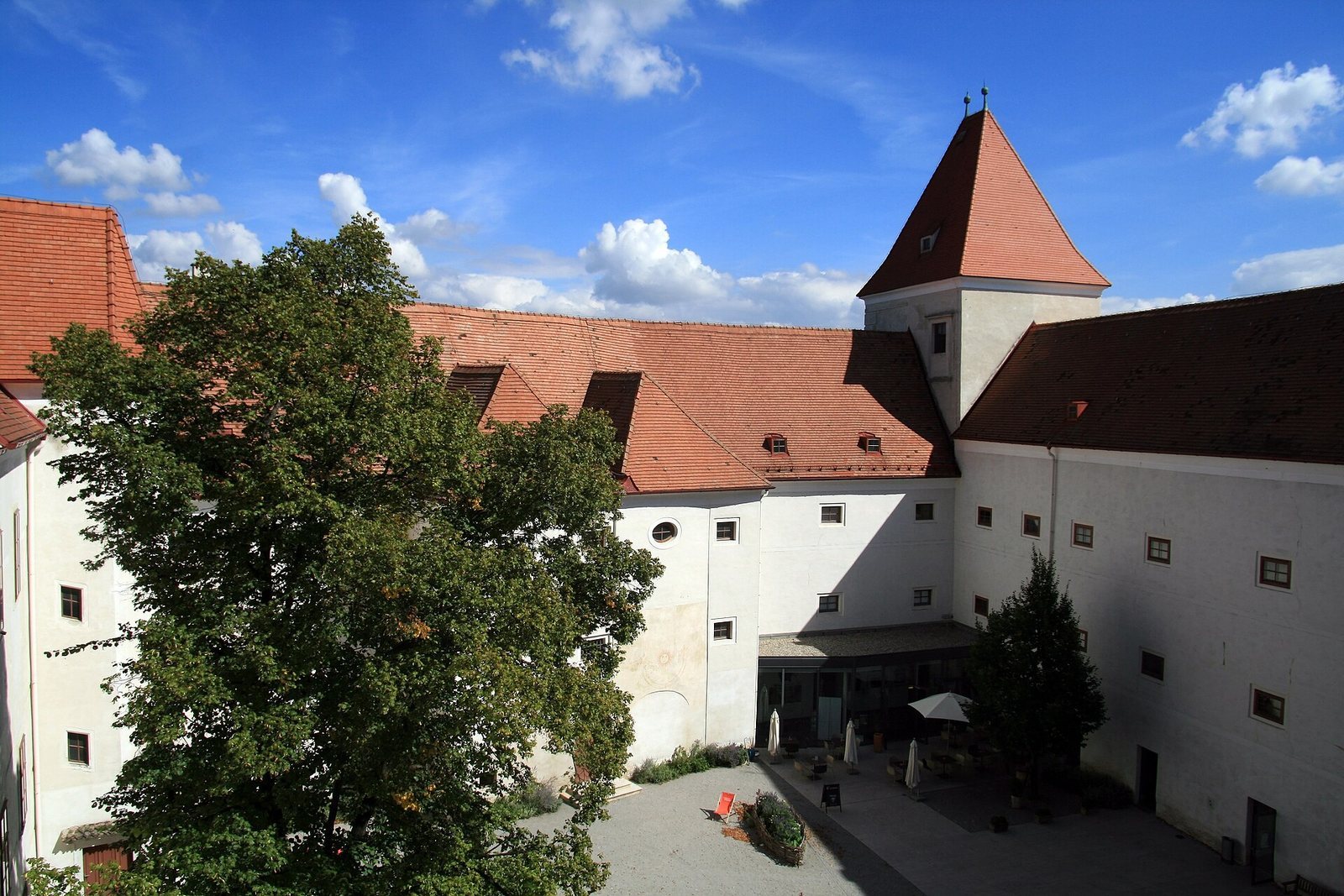
After renovation in 2005, the castle became home to the Donau-Auen National Park Centre, museumORTH, and an event centre, giving the historic complex new cultural and institutional uses.
Remains
The castle complex
Schloss Orth survives with substantial parts preserved. Its four towers and water-castle form define the main complex. The surviving architecture has similarities to the Swiss Wing, one section of Vienna’s former imperial palace complex, the Hofburg.
Main castle
The main castle forms the core of the four-towered complex. Its surviving architecture reflects the rebuilding in the Renaissance style after the destruction of 1529.
New Castle
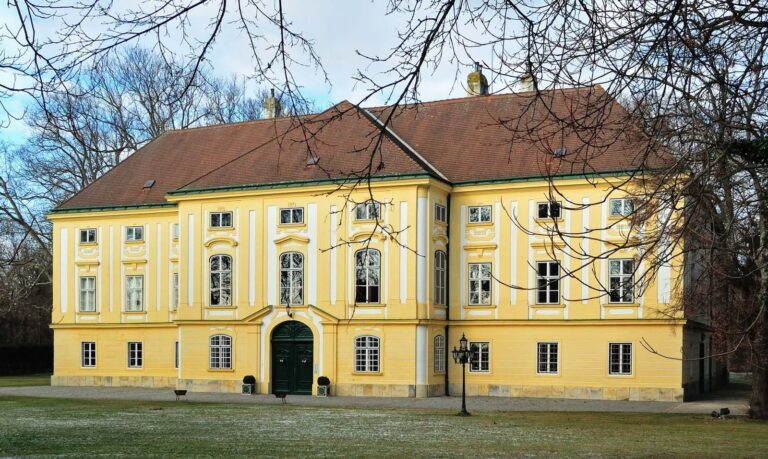
The New Castle is an addition directly beside the main castle on its west side, forming part of the larger complex.