Logis du Maine-Giraud: A Sixteenth-Century Manor in France
Site at a Glance
- Popularity
- Medium
- Country
- France
- Primary era
- Early Modern
- Eras represented
- Medieval, Early Modern, Modern
- Civilizations
- French
- Site type
- Domestic
- Remains
- Manor House
On this page9 sections
History
Early history and ownership
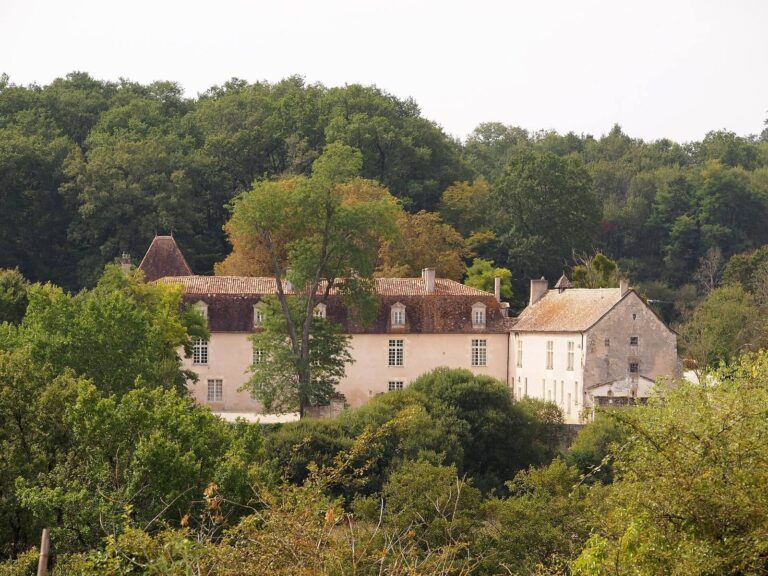
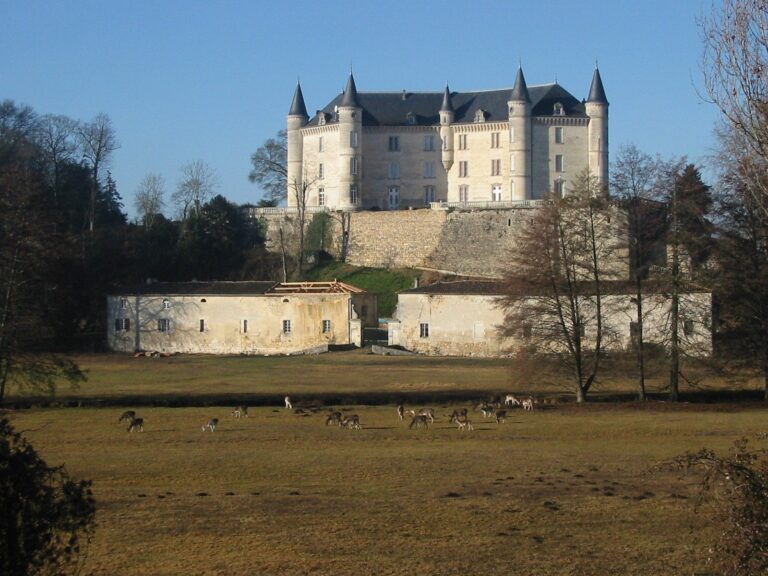
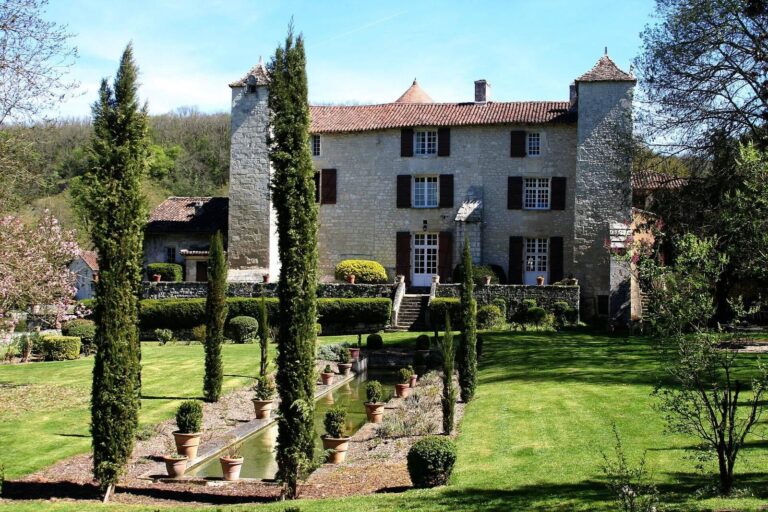
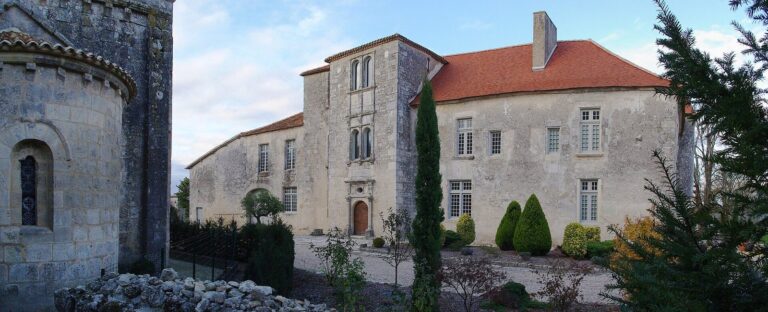
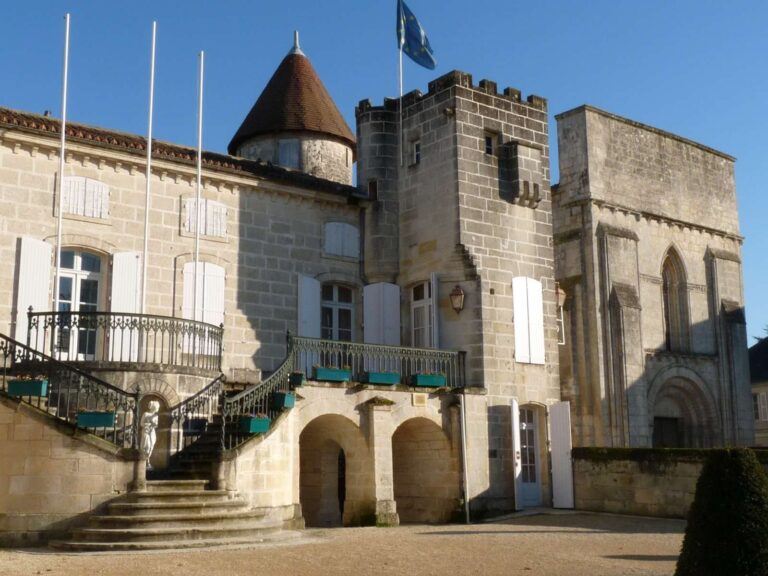
The Logis du Maine-Giraud is a manor dating to the sixteenth century in Champagne-Vigny, a commune in Charente, France. The commune was formerly called Champagne-de-Blanzac. Alfred de Vigny’s grandfather, the Marquis de Baraudin, acquired the estate in 1768. It later passed to de Vigny’s aunt, Sophie de Baraudin, a canoness in the Sovereign Order of Malta, a Catholic religious order with a historical military tradition.
Alfred de Vigny at Maine-Giraud
De Vigny first visited the manor in 1823. Its austere, melancholy appearance and ruined condition made a strong impression on him. In his unpublished memoirs, he connected the house with the Terror, the period of revolutionary repression in France from 1793 to 1794. He owned the estate from 1827 until 1863 and lived there from 1850 to 1853.
He chose to keep the property and gradually set about improving it. His work included cultivating the land, repairing the manor, buying a second-hand still and rebuilding one of its towers. The estate remained a working agricultural property: de Vigny arranged wine sales in Blanzac, at the Hôtel Monte-Christo on rue de la Voûte.
Later ownership and protection
De Vigny left the estate to Louise Lachaud, the daughter of Madame Ancelot, who hosted a literary salon in Paris. The property subsequently passed to the Philippon family and was acquired by the Durand family in 1938. The manor’s façades and roofs were registered as a historic monument on 13 November 1967. It remains a private residence.
Remains
Manor and estate buildings
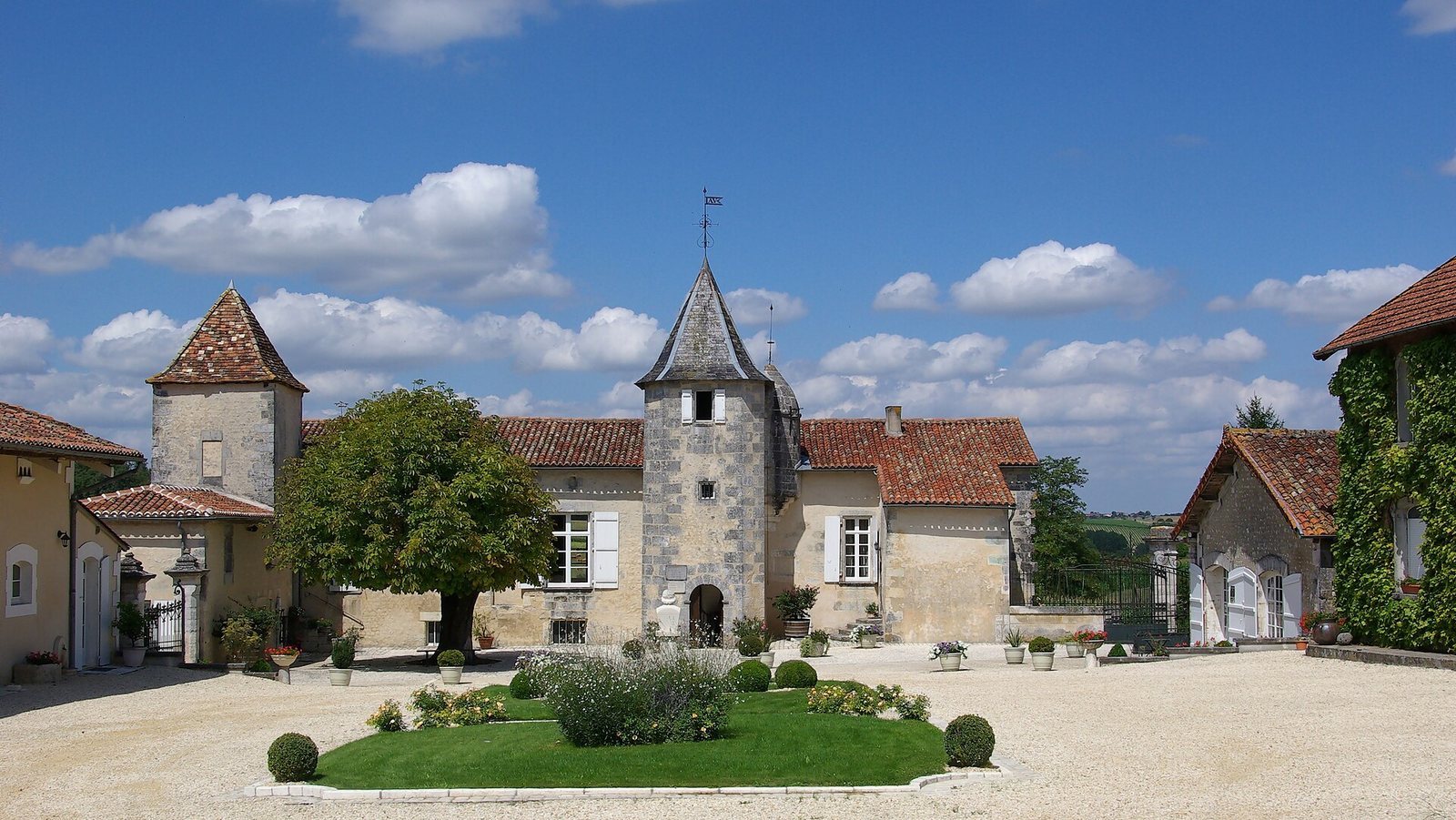
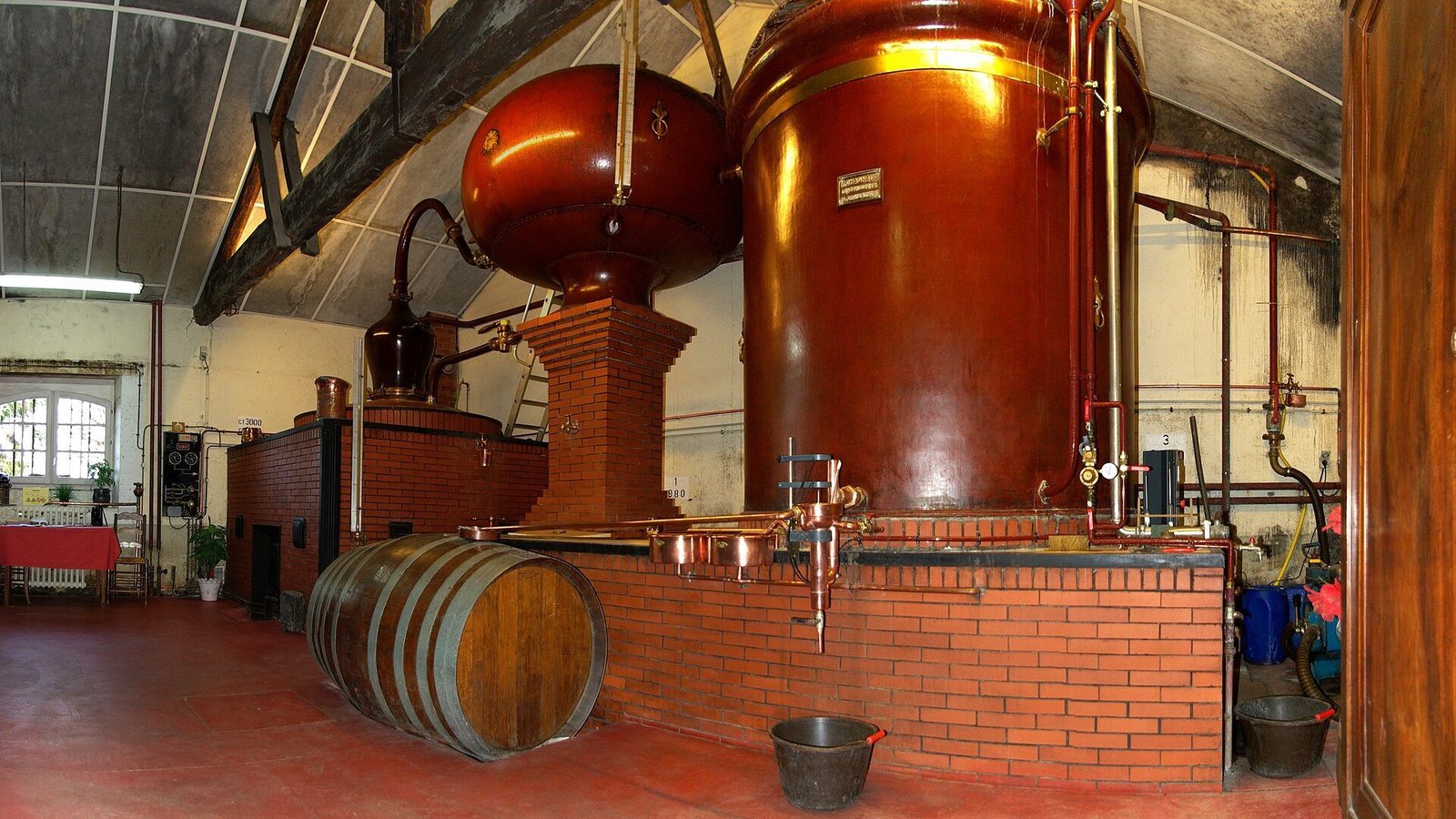
The manor’s central feature is a polygonal tower, accompanied by a projecting turret and a square tower on the west. Farm buildings and a vineyard surround the house, as they did in de Vigny’s time; the property also includes a distillery.
Central tower and turret
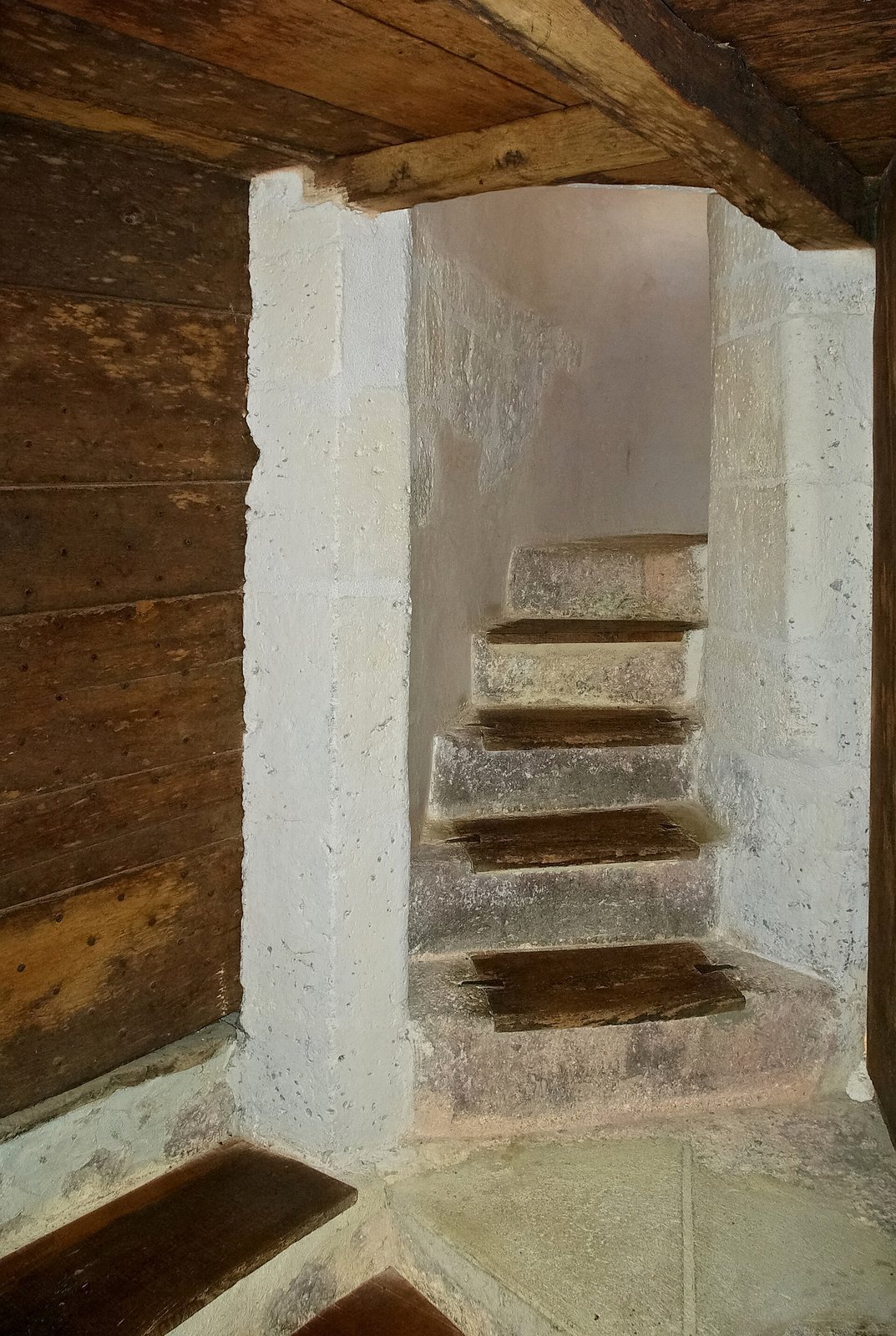
The central polygonal tower has a slate roof and a stone spiral staircase. The date 1464 appears inside it. At the top of the stairs, within a corbelled turret, a small room served as de Vigny’s place for meditation and writing. He composed three poems for his collection Les Destinées in the Maine-Giraud tower.
Western tower
A square tower stands on the manor’s west side. De Vigny rebuilt one of the manor’s towers, but the available information does not identify which one.
Farm buildings, vineyard and distillery
The surrounding farm buildings and vineyard retain the estate’s agricultural setting, while the distillery forms another part of the property.