Château des Dervallières: A Former Country Estate in Nantes
Site at a Glance
- Popularity
- Medium
- Country
- France
- Primary era
- Medieval
- Eras represented
- Medieval, Early Modern
- Civilizations
- Duchy of Brittany, French
- Site type
- Domestic
- Remains
- Castle
On this page5 sections
History
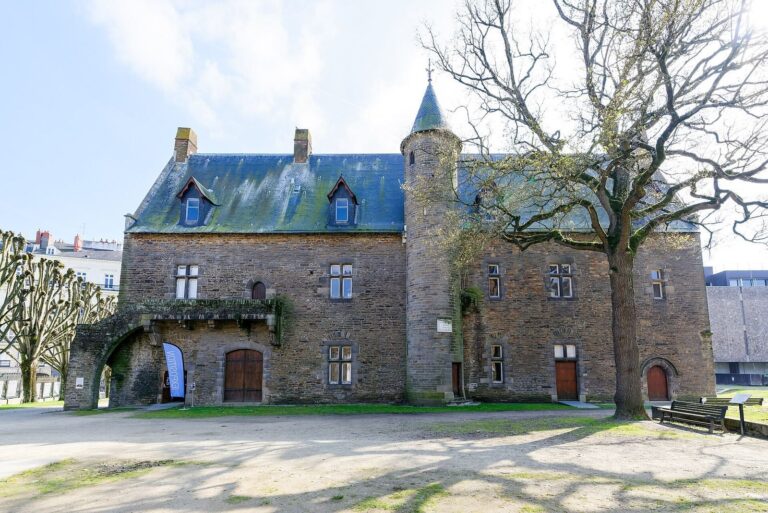
The Château des Dervallières was a country residence and estate in the Dervallières-Zola district of Nantes, France, begun in the fifteenth century by the Derval family, a branch of the Breton House of Dinan-Laval. The lordship carried high justice, the authority to hear serious criminal cases, and extended from La Contrie to the lordships of Garoterie at Saint-Herblain and Carcouët at Chantenay. The family’s town residence, the Derval manor, is now incorporated into Nantes city hall.
Fifteenth- and sixteenth-century ownership
Françoise de Dinan, Countess of Laval, acquired the estate in 1494 and later gave it to Jean François de Cardonne, a general receiver of finances for the Duchy of Brittany, responsible for collecting and administering public revenues. He died in 1539. The property passed to Joachim Tissart, husband of Anne de Cardonne, in 1540, and to François d’Argy in 1557. By 1573, Claude d’Argy, wife of René du Breil, lord of Liré and a gentleman of the French king, held the estate and owned the Derval residence.
The properties were resold in 1578. The lordship passed to Georges Morin, lord of Chapeau and treasurer of Brittany, and Claude Morin, wife of Charles de Maillé. In 1600 it passed to Urbaine de Maillé, wife of Jean-François Bonnin. Through marriage, it later entered the Bonnin de Messignac family, lords of Chalucet. Charles Bonnin de Messignac held it in 1678 before transferring it to Louis Daussain in 1699.
The Stapleton estate
In 1701, Jean I Stapleton, a wealthy Irishman in Nantes, bought the estate for 64,000 livres, a historical French unit of currency. He owned large plantations in Saint-Domingue, a French Caribbean colony, where enslaved people were forced to work. Stapleton enlarged Dervallières for his son Jean II Stapleton (1696 to 1776), who was married to Anne O’Shiell. In 1713, Jean I’s daughter Julienne married Jean-Baptiste Mac Nemara in the château chapel.
Nineteenth- and twentieth-century change
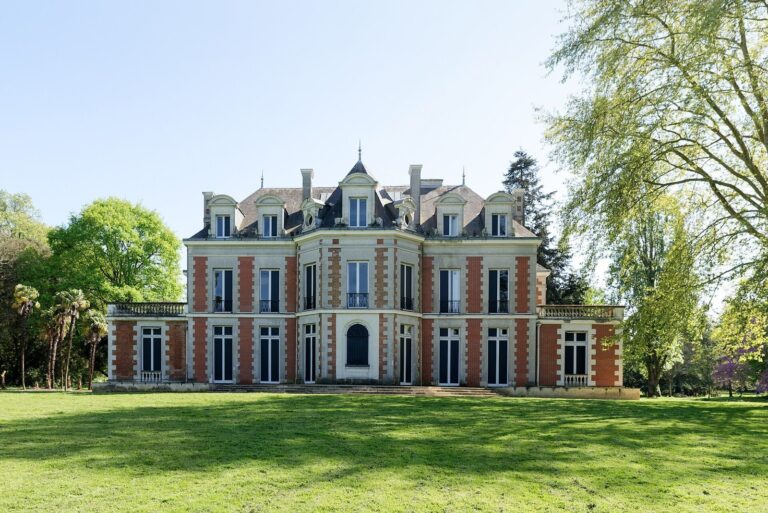
In the 1820s, Michel Guillet de La Brosse built a new noble residence beside the château. The estate passed by inheritance to his son-in-law, Charles de La Rochefoucauld-Bayers, and later returned to the Guillet de La Brosse family. It received legal protection as a classified site in 1934. Public-housing blocks were built on the estate in the 1950s and 1960s, and the nineteenth-century château was demolished in the 1980s.
Remains
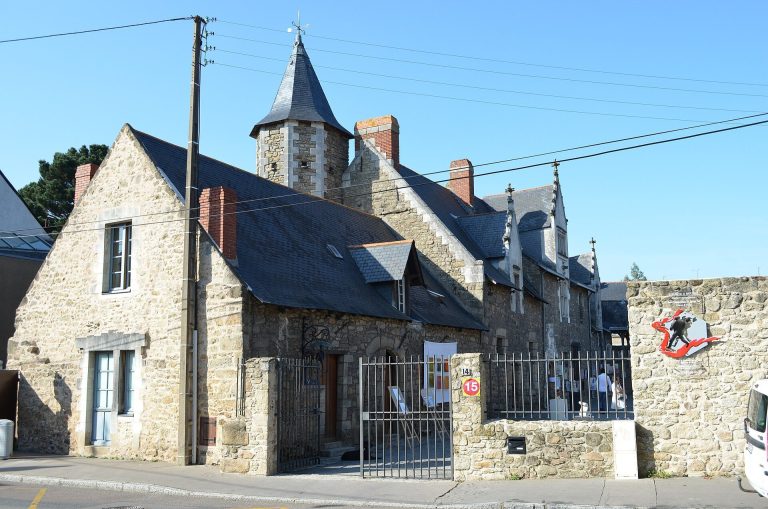
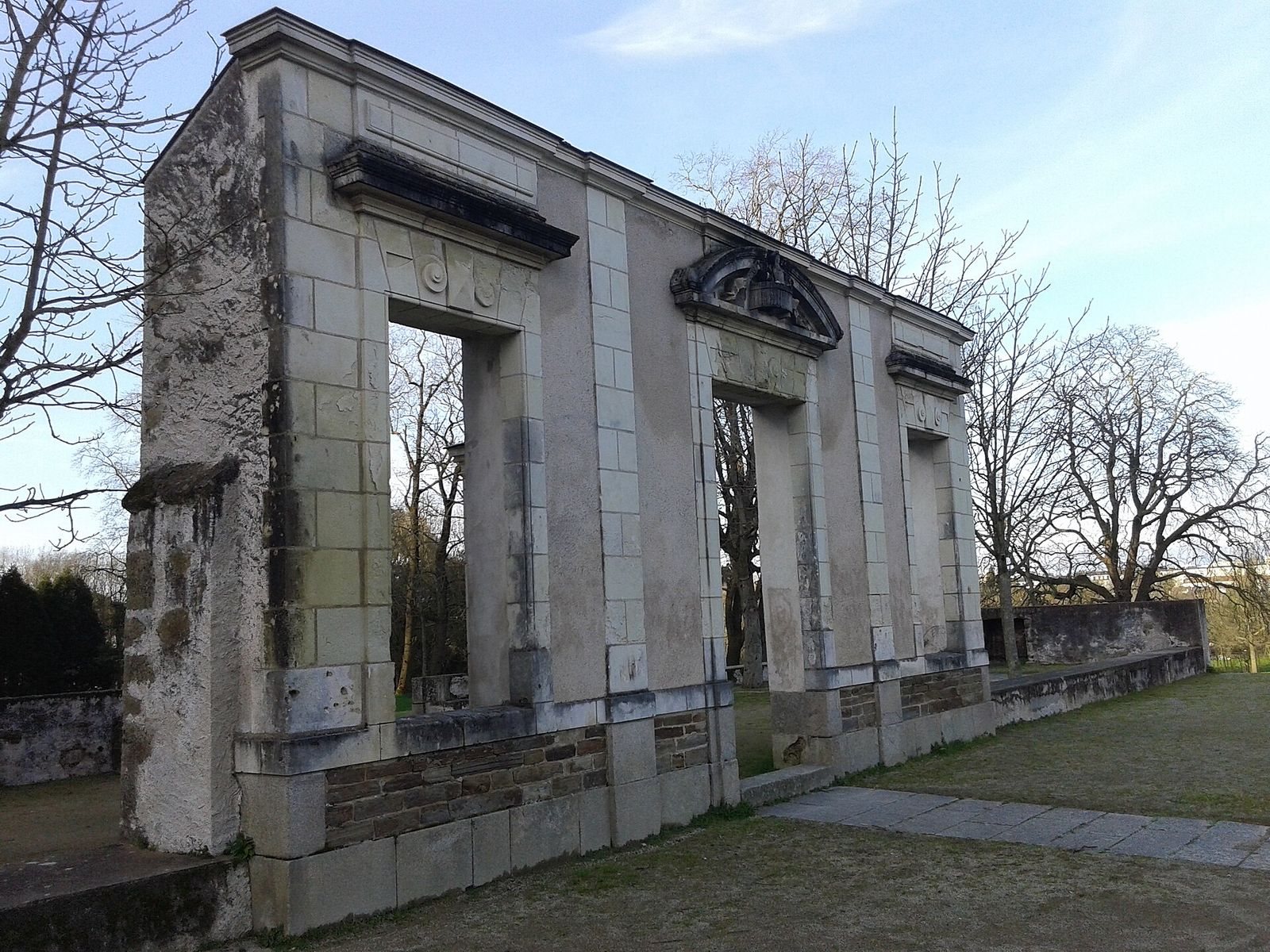
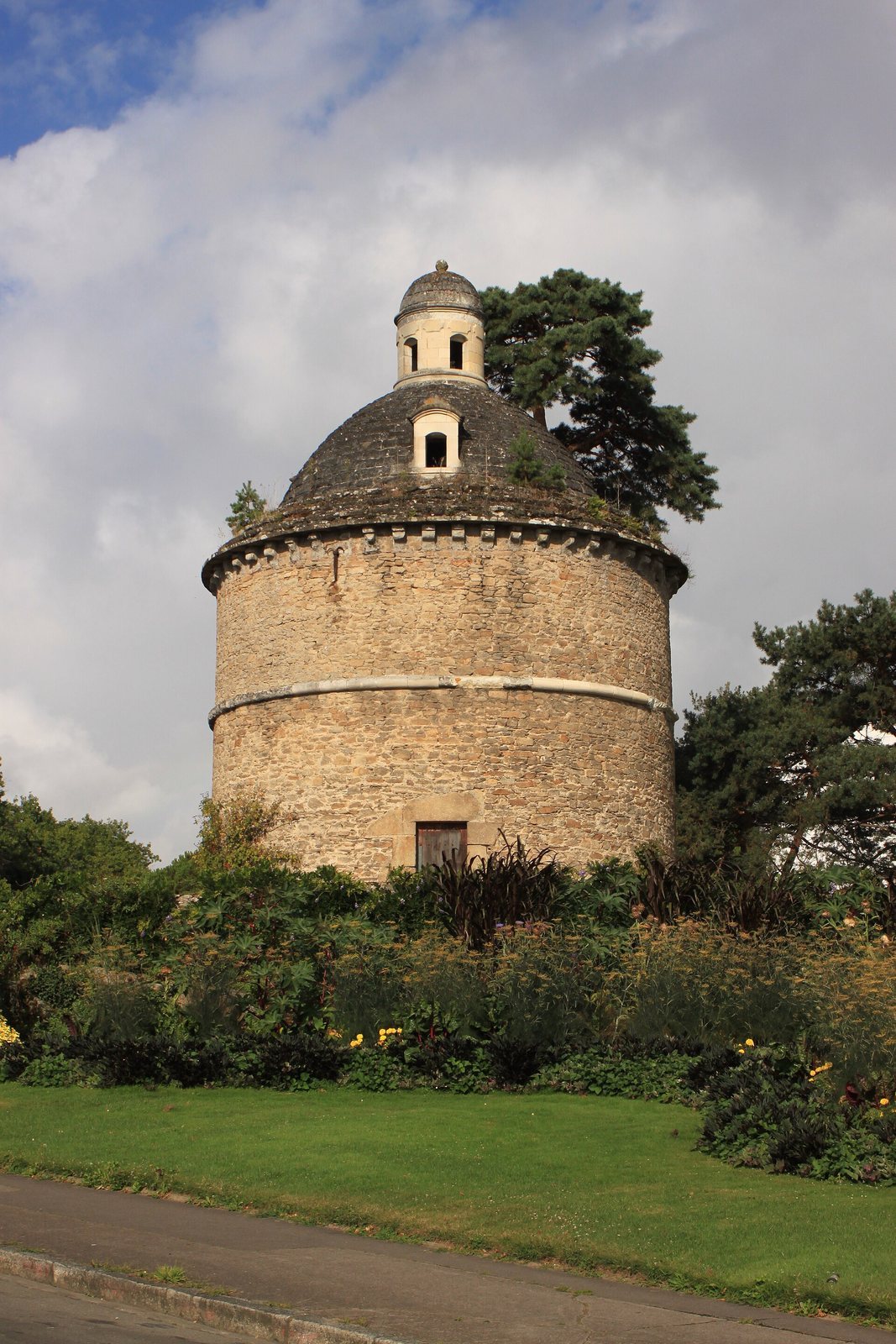
The estate grounds included gardens and woodland, as well as outbuildings, stables, and greenhouses. Part of the park survives, together with a dovecote, a basin, and the façade of the central pavilion. The noble residence built in the 1820s was made of pale, fine-grained limestone widely used as a building stone in western France.