Istana Maziah: Official Palace of the Sultan of Terengganu
Site at a Glance
- Popularity
- Medium
- Country
- Malaysia
- Primary era
- Modern
- Eras represented
- Modern
- Civilizations
- Unclassified
- Site type
- Domestic
- Remains
- Palace
On this page6 sections
History
Replacement and construction
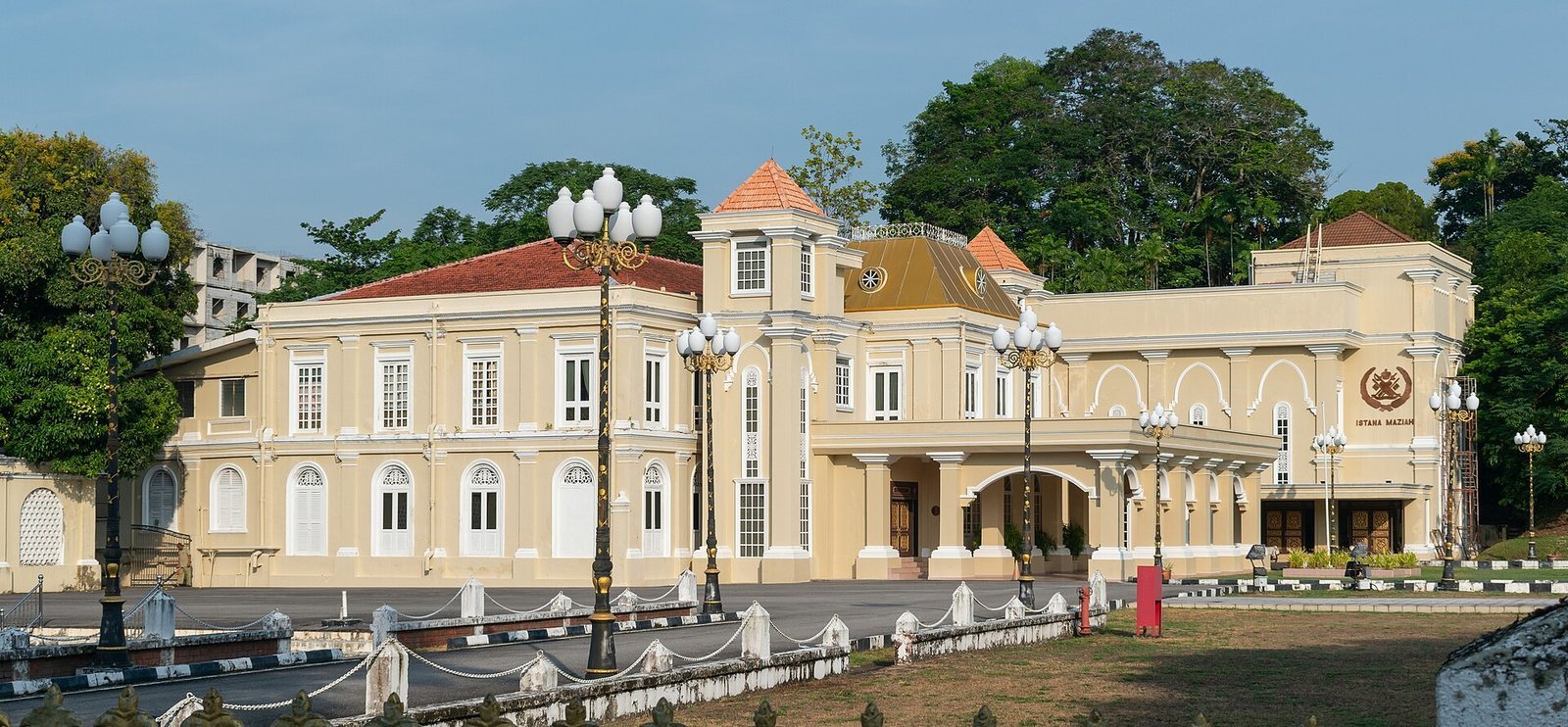
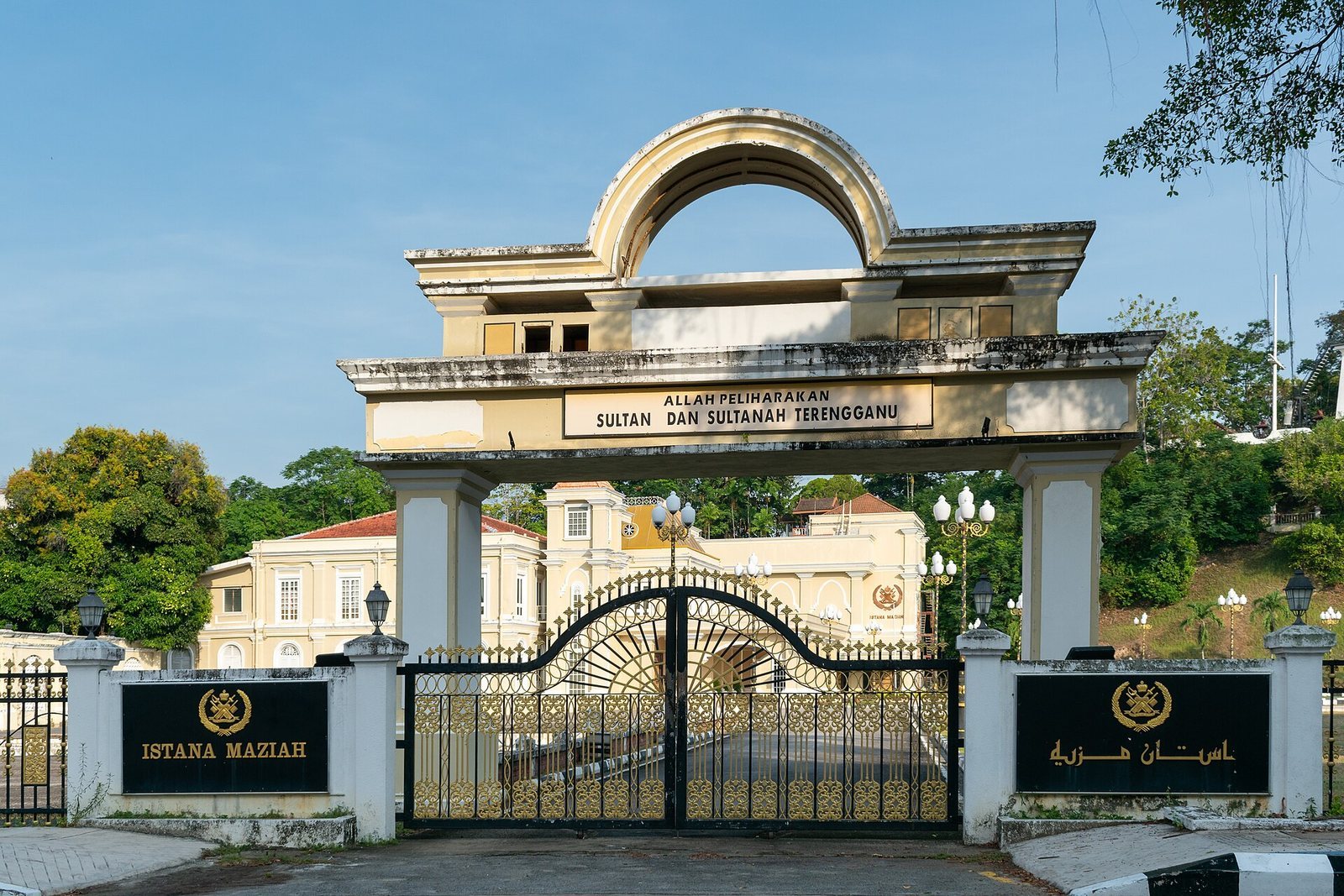
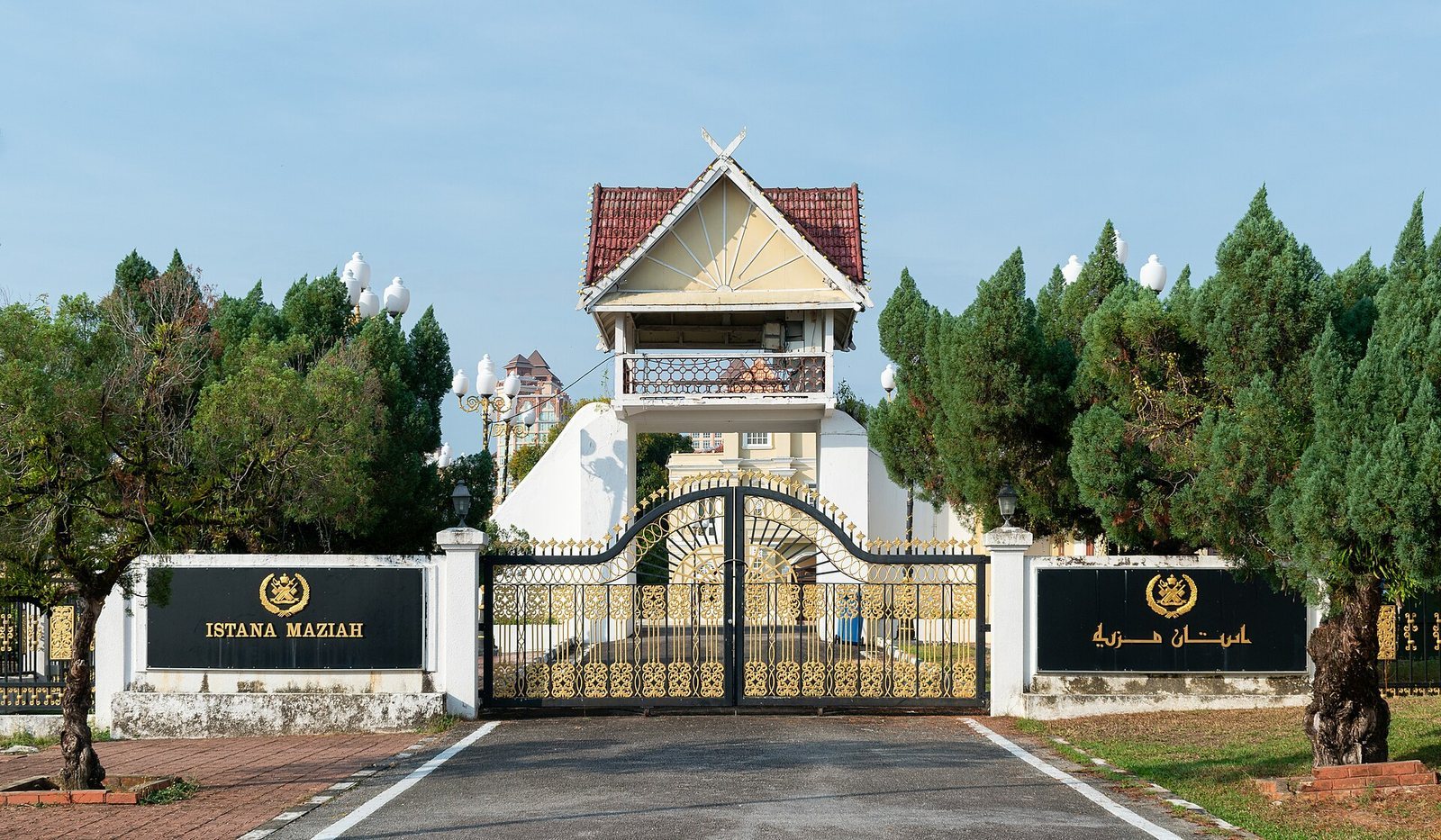
Istana Maziah is the official palace of the Sultan of Terengganu in Kuala Terengganu, Malaysia. The title sultan is used by sovereigns in several Muslim societies. The palace hosts royal birthdays, weddings, ceremonies conferring titles, and receptions for local and foreign dignitaries.
It replaced Istana Hijau, a palace built on 10 March 1870 during Sultan Omar’s reign and later destroyed by fire. Construction of Istana Maziah is dated to 1897, while its foundation stone was laid earlier, on 31 May 1895, at 10 a.m., during Sultan Zainal Abidin III’s reign (1881–1918). Tengku Chik Abu Bakar bin Tengku Abdul Jalil, a relative of the sultan, designed the palace. Tengku and Engku are Malay titles associated with royal or noble status, while Dato’ is an honorific. Engku Besar Paduka Raja Sayyid Abdullah bin Zin Al-Idrus, Muhammad bin Abdul Rahim (Encik Mat), and Dato’ Mata-Mata also helped develop the plans and furnishings.
Timber came from the Dungun region under the responsibility of Tengku Panglima Besar Tengku Muda Kechik; Tengku Besar Paduka Indera oversaw the supply of bricks and chalk. Repeated funding shortages held up the work. The palace was completed, and a ceremony marking the sultan’s move into it took place on 7 August 1903.
Royal use and later work
Refurbishments were carried out during the reigns of Sultan Sulaiman Badrul Alam Shah (1920–1942) and Sultan Ismail Nasiruddin Shah (1945–1979). Further additions to the palace buildings followed in 1972 and 1998.
Remains
The palace
Standing at the foot of Bukit Puteri, Istana Maziah is a two-storey building whose coffee-brown exterior combines modern and traditional architectural features. Its tall, shuttered windows resemble those of a French country house or manor. About 20 Malay and Chinese workers skilled in art, woodcraft, and carpentry worked on the palace. Its early foundations were made from a mixture of chalk, clay, sand, salts, egg whites, lime, and honey.
Dataran Maziah
In front of the palace, Dataran Maziah is a small park with shrubs, trees, and paved walkways. At its centre is a replica of a betel-chewing set, or tepak sirih. It includes a gobek sireh, used to grind betel ingredients, and a kacip pinang, a cutter for areca nut. The ensemble represents Terengganu’s culture and traditions.