Bubaqra Tower: A Fortified Country Retreat in Malta
Site at a Glance
- Popularity
- Medium
- Country
- Malta
- Primary era
- Early Modern
- Eras represented
- Early Modern
- Civilizations
- Crusader, Knights Hospitaller
- Site type
- Domestic
- Remains
- Castle
On this page4 sections
History
Foundation and early reputation
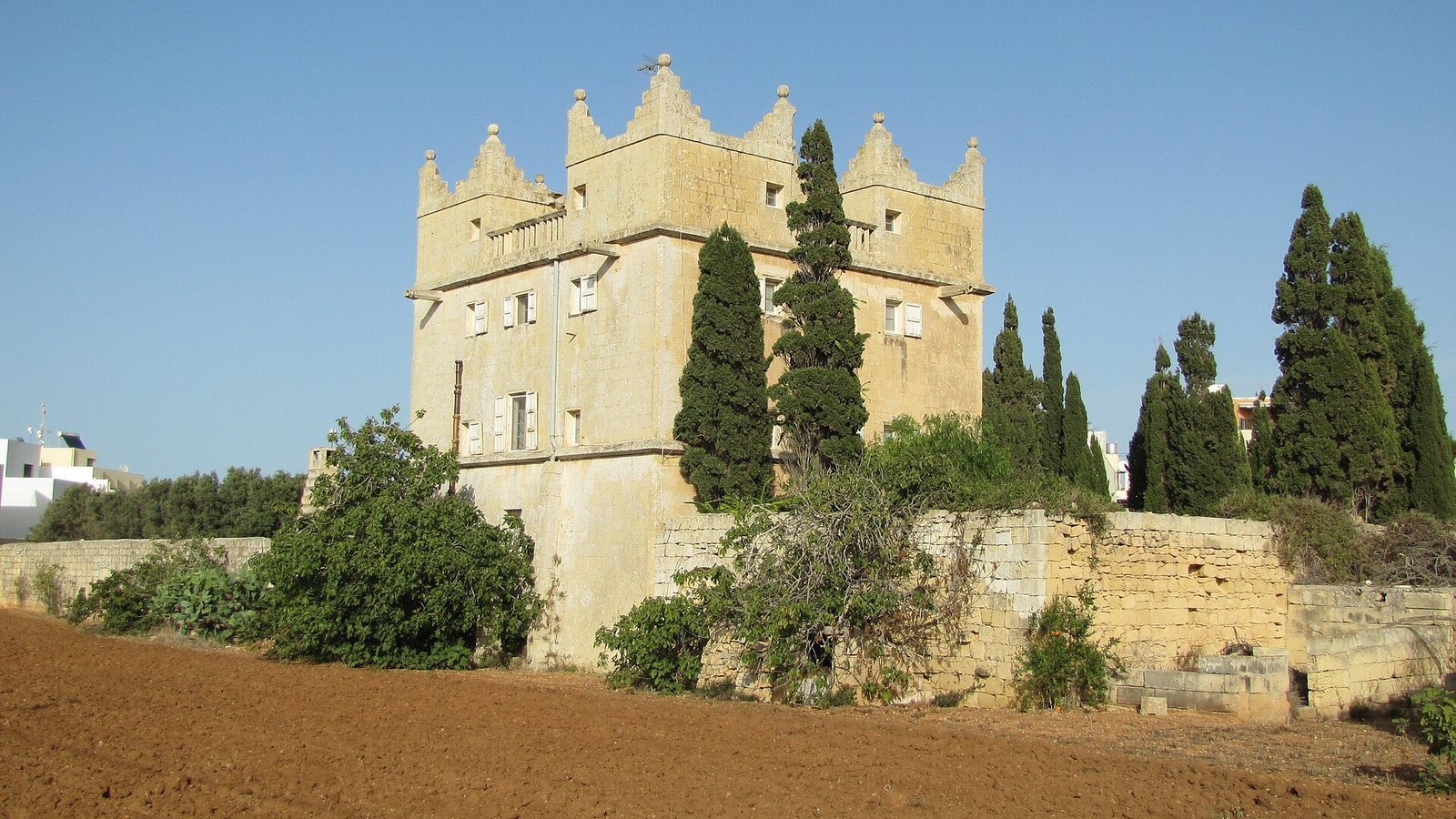
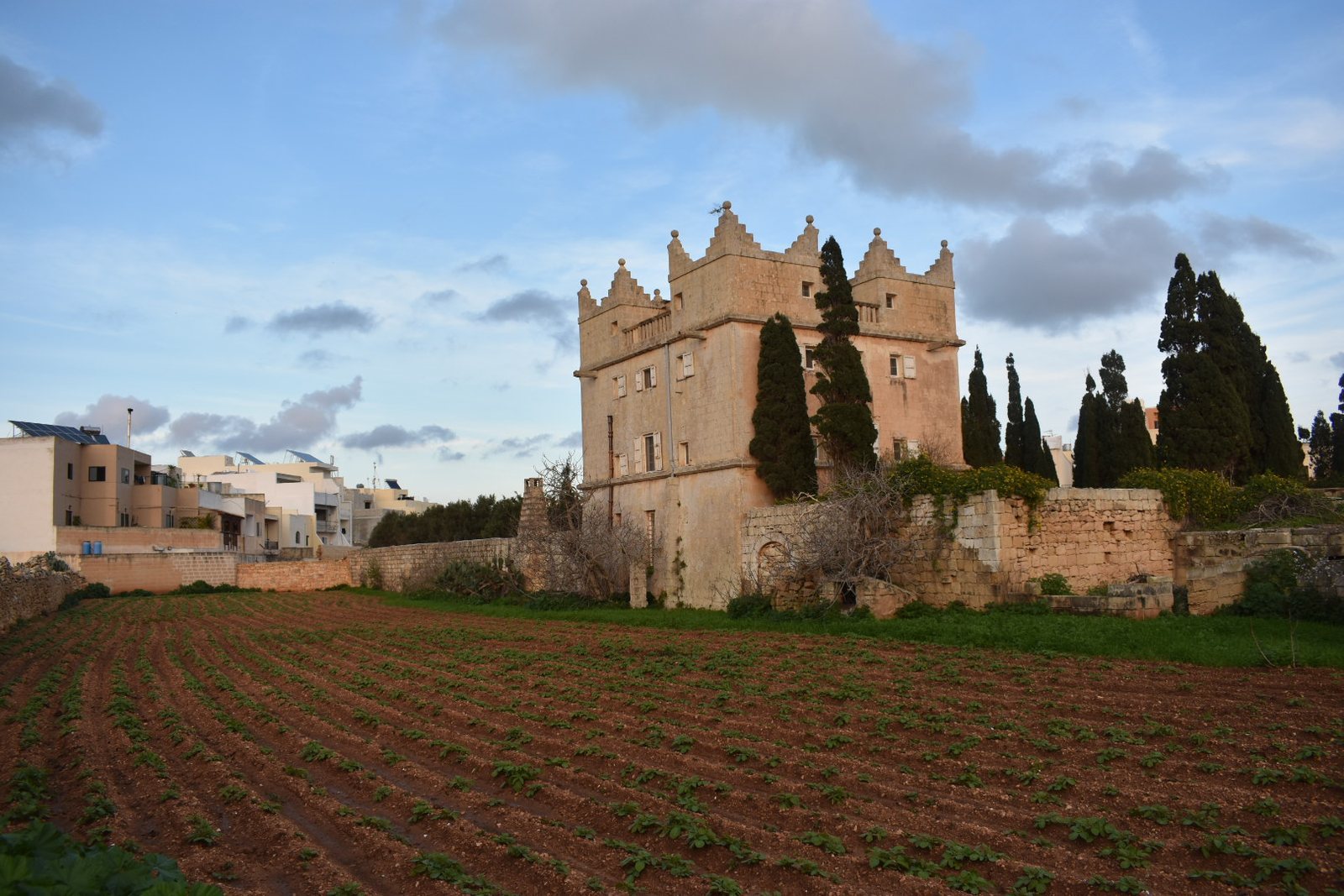
Bubaqra Tower is a fortified country retreat built around 1579 in Bubaqra, Malta, by Don Matteolo Pisani, a cleric serving the Order of St John, the Catholic religious and military order that governed Malta. Although fortified, it was privately owned and was not intended as a defensive building, though it may have formed part of Malta’s defence system at some point.
The building was also known as Saliba Tower and as Torre del Greco, a name associated with the Greek Roncali family, who lived there. Later stories connect the house with clandestine meetings between members of the Order, whose vows required celibacy, and young women. The parish priest of Żurrieq was said to arrange paid encounters near the tower between young women and their knightly suitors.
Alterations and later use
The tower was altered during the 18th century, including during the rule of Grand Master Marc’Antonio Zondadari, the Order’s governing head. Further changes followed around 1760. During World War II, from 1939 to 1945, the British military requisitioned the property. It was returned to its owners after the war, and the tower and gardens were restored for use as a family retreat.
The property is officially known as Bubaqra Palace and is also recorded as Palazzo Bubaqra. It is included in the National Inventory of the Cultural Property of the Maltese Islands and is scheduled as a Grade 2 national monument, a heritage-protection category for listed properties.
Remains
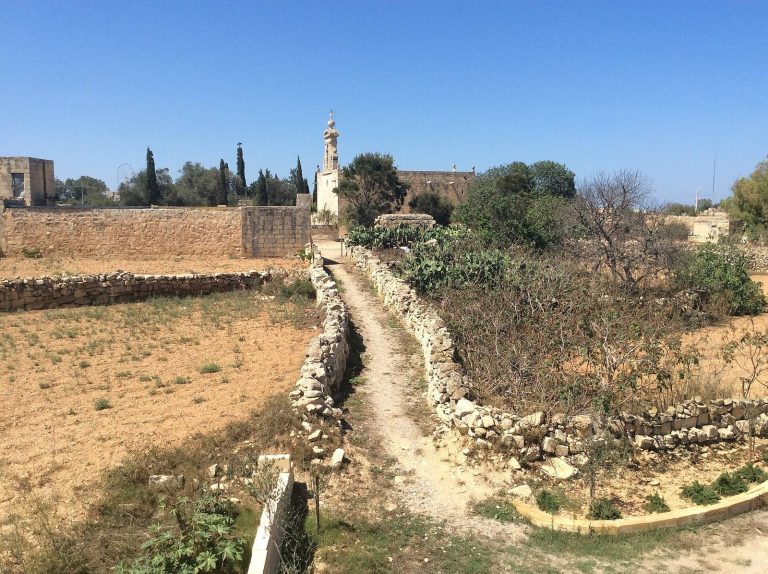
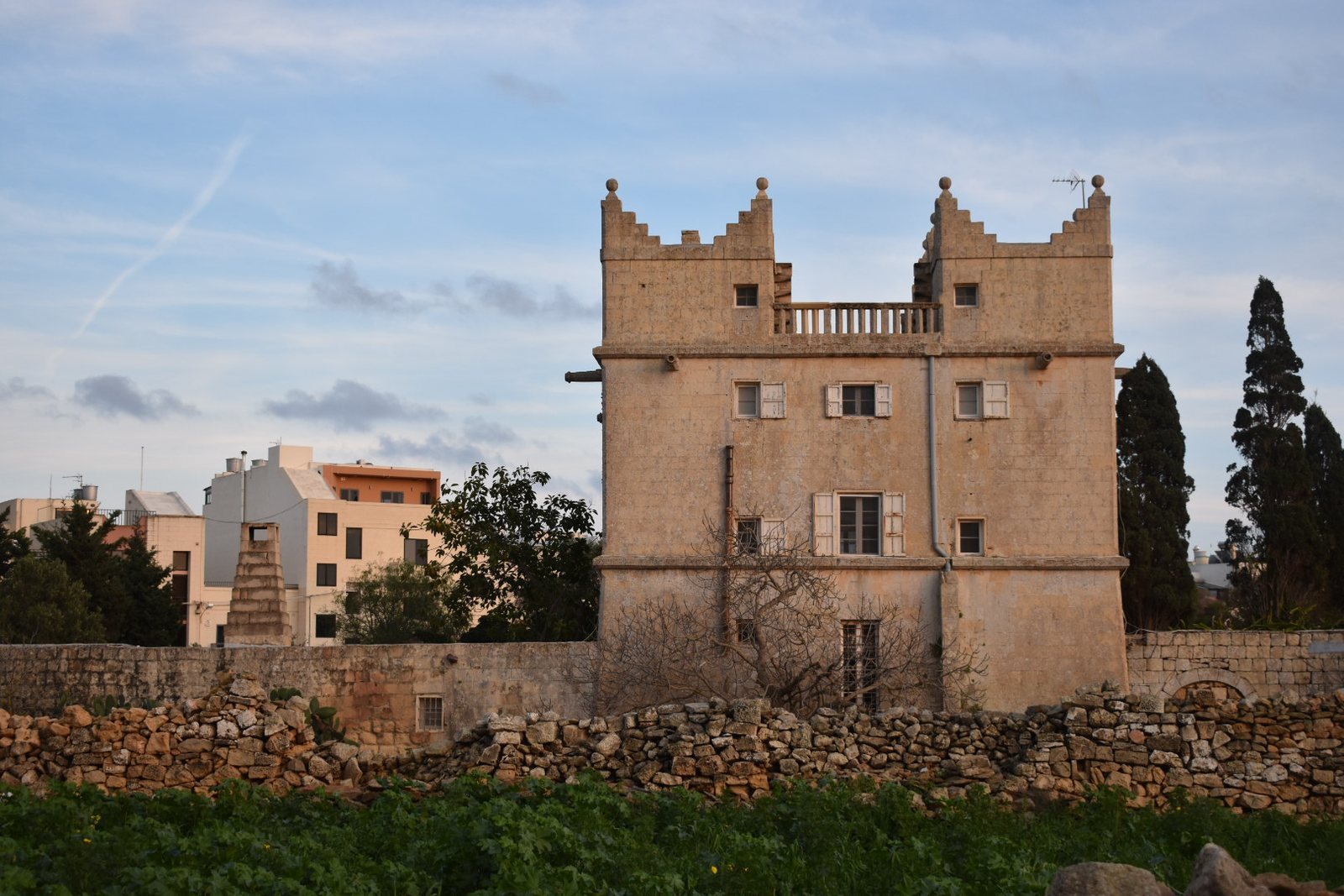
The square-plan building is constructed of limestone and stands on an agricultural estate surrounded by citrus gardens. It survives intact. Four corner turrets, added around 1760, give the house the profile of a fortified residence. Above the main entrance, an inscription asks God to deliver the faithful from an enemy when the sign of the cross is made. The tower’s design is thought to have influenced Gourgion Tower, built on Gozo in the late 17th century.