Harishchandragad: A Historic Hill Fort in Maharashtra, India
Site at a Glance
- Popularity
- Very High
- Country
- India
- Primary era
- Medieval
- Eras represented
- Medieval
- Civilizations
- Unclassified
- Site type
- Military
- Remains
- Fort
On this page12 sections
History
Early presence and Kalachuri period
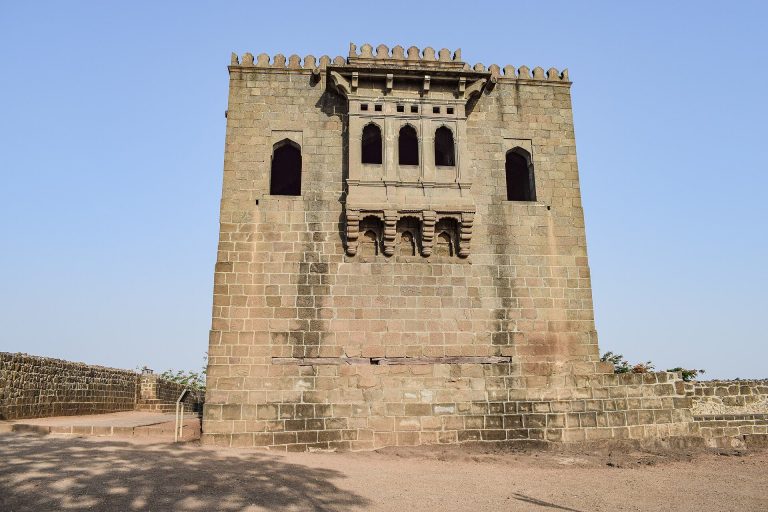
Harishchandragad is a hill fort in Maharashtra, India, in the Sahyadri range of the Western Ghats. Human remains and other prehistoric traces point to very early activity on the hill. The Matsya, Agni, and Skanda Puranas, Hindu religious texts containing mythology, teachings, and traditions, also mention the fort.
Harishchandragad is thought to date to the sixth century, during the rule of the Kalachuris, a dynasty that governed parts of India in the early medieval period. The citadel was built in this era, and some caves may have been adapted as temples. The fort’s connection with Malshej Ghat gave it a role in guarding and administering the surrounding area.
Later medieval activity
Chambers beneath the citadel probably date to the eleventh century. In the fourteenth century, the sage and yogi Changdev is said to have meditated at Harishchandragad. An inscription at Harishchandreshwar Temple is associated with his time. The fort’s structures and nearby carvings reflect influences from Shaivism, centered on Shiva, and Shaktism, centered on the Goddess, or Shakti.
Mughal, Maratha, and British rule
The fort came under Mughal control, then was captured by the Marathas in 1747. Between May 4 and 8, 1818, it passed into British possession during the Third Anglo-Maratha War, the final major conflict between the British East India Company and the Maratha powers.
Archaeological recording and protection
In 1883, James Burgess recorded the main temple and caves in an archaeological report. The Archaeological Survey of India, the country’s national archaeological research and monument-protection body, protects the temple and caves as monuments of national importance. In 1993–94, it repaired the temple complex and a smaller shrine, and rebuilt sections of the enclosure wall.
Remains
Terrain, approach, and caves
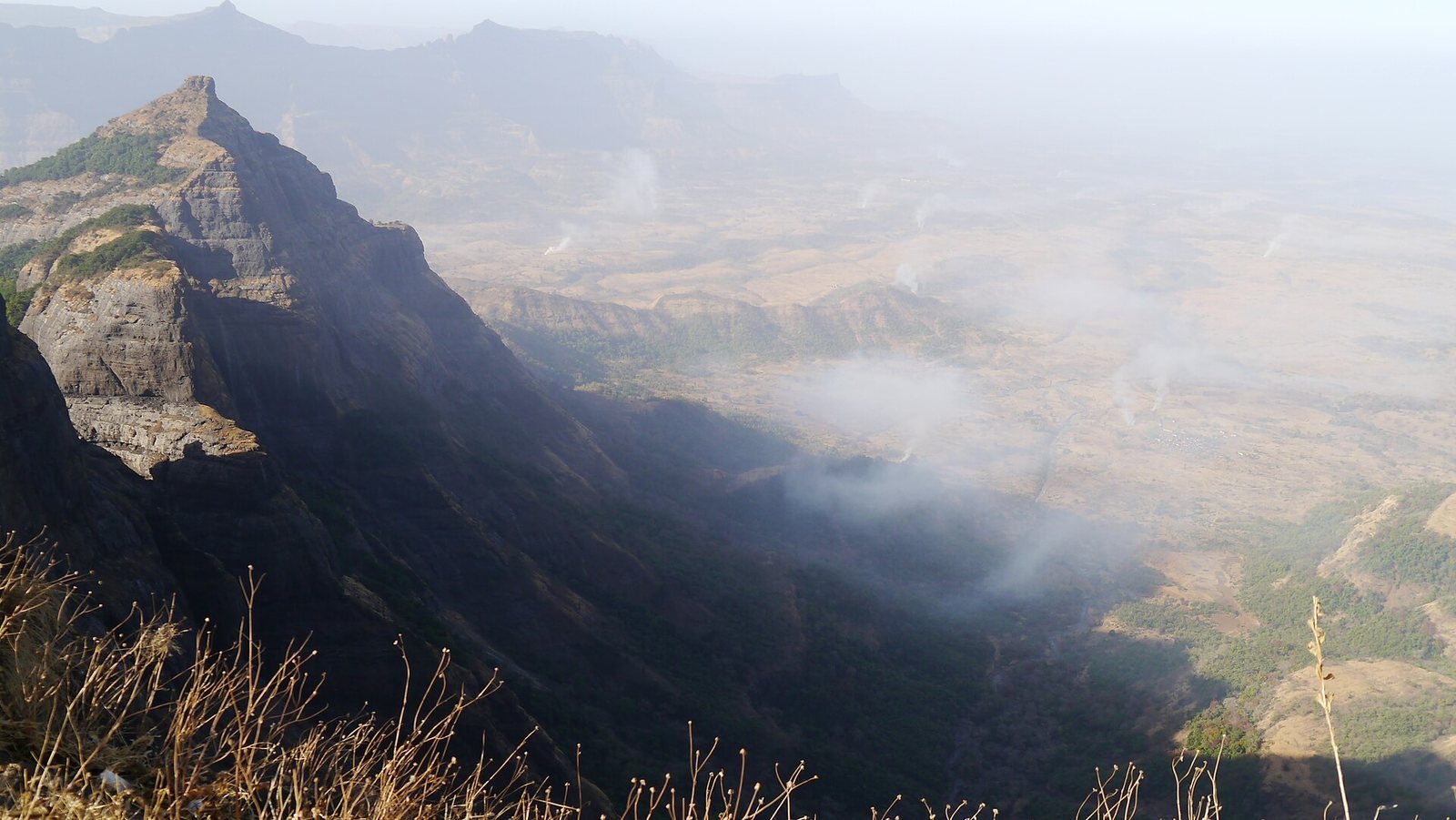
Harishchandragad’s steep, rugged terrain provided natural defenses. Taramati Peak, its highest point, rises to about 1,430 metres. Ruins of Junnar Darwaja mark a historic approach, while Konkan Kada is an overhanging cliff along the western edge, facing the Konkan region.
Caves lie in several parts of the fort, including near Taramati Peak, the temples and citadel, and farther into the forest. One cave on the northwestern side near Konkan Kada extends more than nine metres into the rock. Several caves have inscriptions naming Nath yogis, practitioners in a Hindu ascetic tradition, and some contain carved images of Ganesha. Burgess numbered eight caves and considered that some may have served as dwellings associated with the temple.
Temples and sacred features
Harishchandreshwar Temple
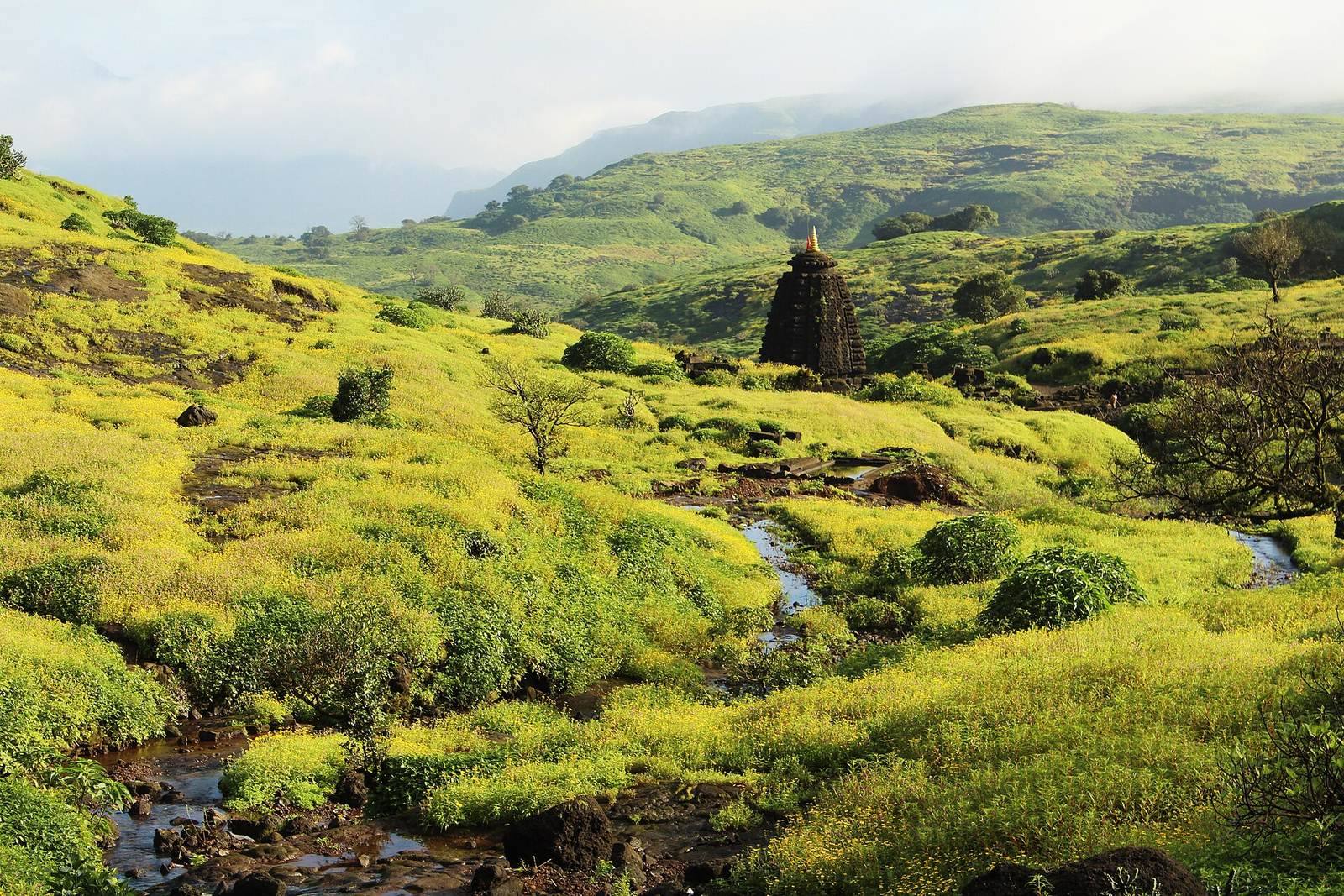
Harishchandreshwar is a medieval Shiva temple, although its construction date is uncertain. Much of it is cut from a single mass of rock, and the structure rises about 16 metres from its base. Entrances open on all four sides. Its central tower and four porches form part of a design whose upper portion has been compared with North Indian temple architecture and a temple at Bodh Gaya.
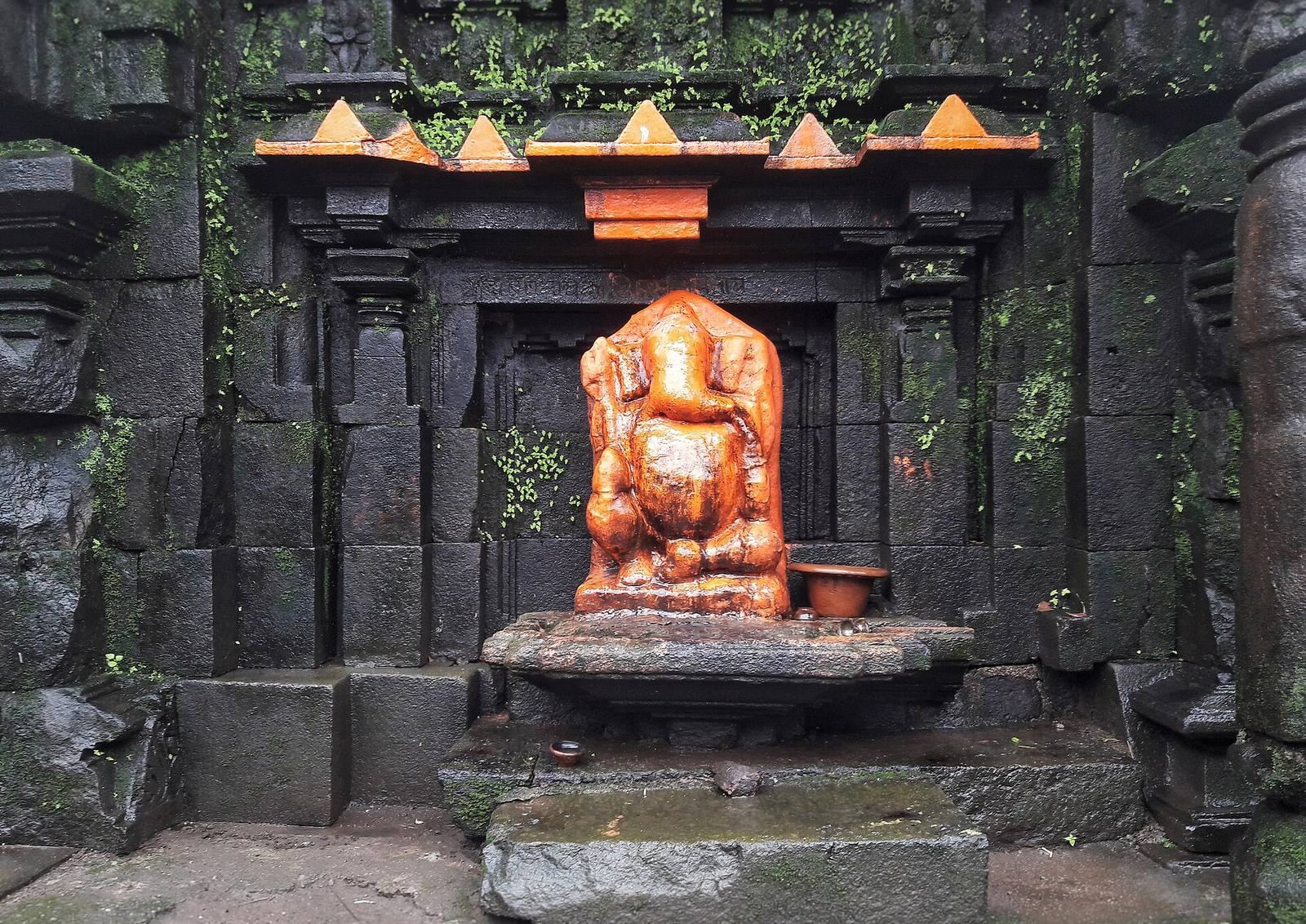
Carved guard faces decorate the main entrance, alongside Kirtimukha, a decorative face motif, and a figure of the reclining Nandi, Shiva’s bull attendant. A Ganesha image inside the temple is painted red. Caves and ancient water cisterns surround the temple, and Kashitirtha Temple stands nearby.
Saptatirtha Tank
The Saptatirtha tank lies east of Harishchandreshwar. Shrines or niches partly line its edges. Structures on the bank once housed images of Vishnu, which were later moved to caves near the temple. The tank’s water was once potable, but later became heavily polluted and unsuitable even for swimming.
Kedareshwar Cave Shrine
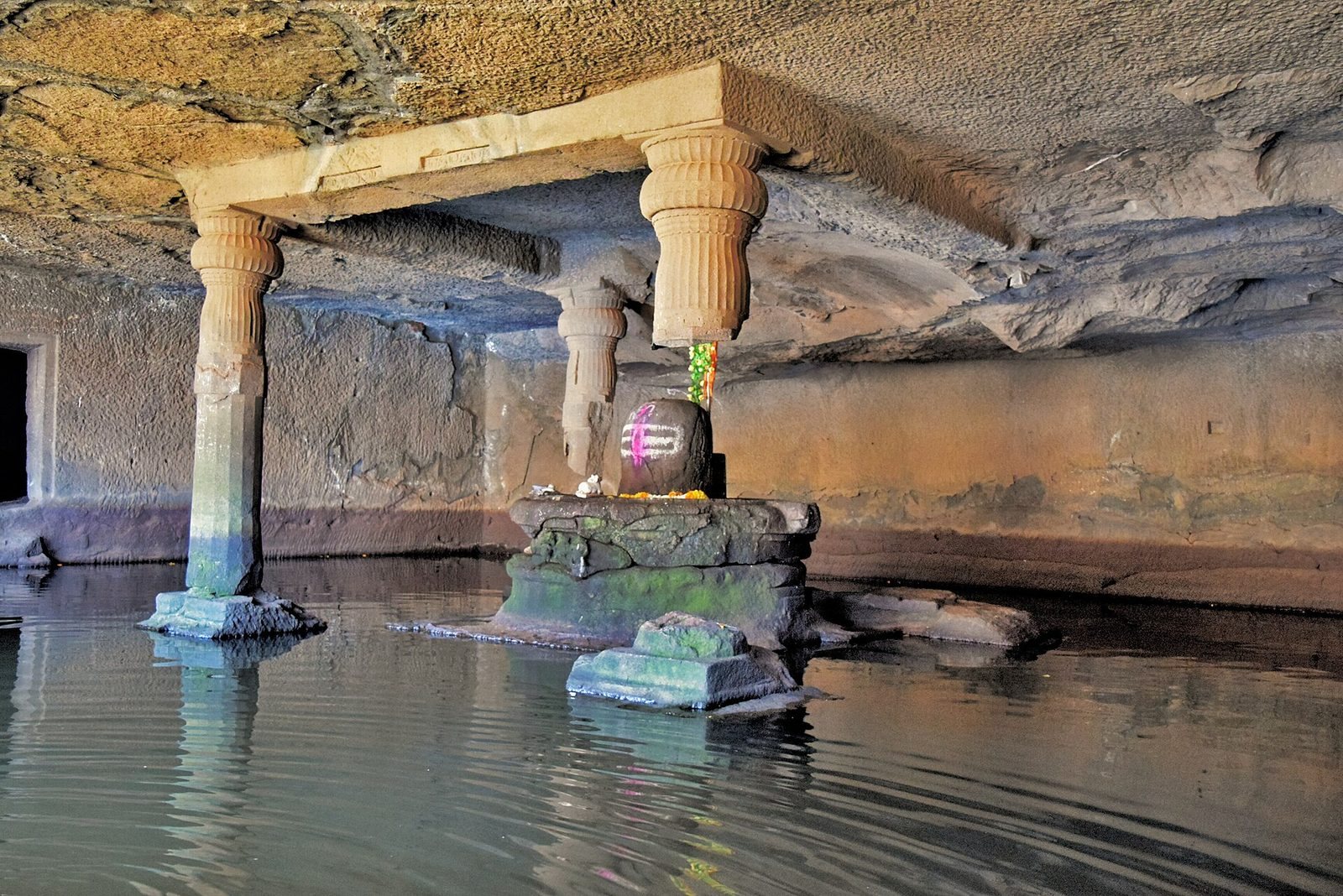
Beside Harishchandreshwar, the rock-cut Kedareshwar shrine contains a chamber with sculptures and a lingam, a form in which Shiva is worshipped. The lingam is about 1.5 metres high and stands on a yoni stone, its base; water reaches roughly halfway up it. A canopy-like structure once framed the lingam with four pillars, of which one remains.
A local tradition links the four pillars to the four ages of the world. It holds that three have fallen and that the fall of the last will signal the end of the present age. Water seeps from the cave walls outside the monsoon season; during the monsoon, the cave is dry.
Nageshwar Temple
Near Khireshwar village, the ancient Nageshwar Temple complex includes varied artworks and carved ceiling decoration. Its principal sculpture is a roughly 1.5-metre figure of reclining Vishnu, known as Sheshshayee Vishnu, depicting the deity resting on the serpent Shesha. Caves are also located near the temple.