Garhwa Fort: A Gupta-Period Temple Complex Fortified in the 1750s
Site at a Glance
- Popularity
- Medium
- Country
- India
- Primary era
- Classical
- Eras represented
- Classical, Medieval, Early Modern
- Civilizations
- Gupta
- Site type
- Military
- Remains
- Fort
On this page9 sections
History
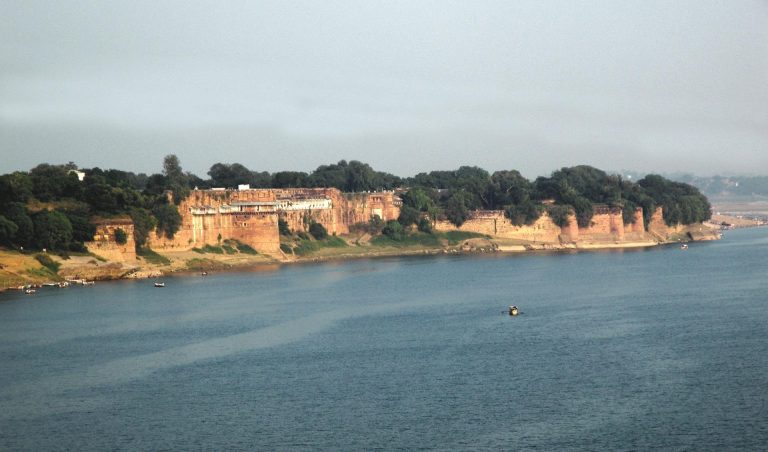
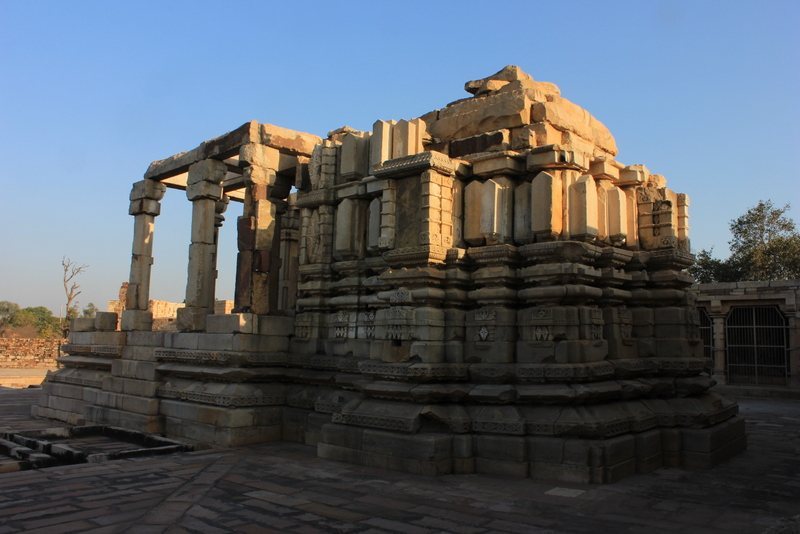
Garhwa Fort is a temple complex in Shankargarh, Prayagraj district, Uttar Pradesh, India. Its temples belong to the Gupta period and date to the fifth and sixth centuries. The Gupta dynasty ruled much of northern India during this era.
Gupta-period foundations
The site’s early history is reflected in its temple complex and inscriptions from the Gupta period. Garhwa was once known as Bhattpraya. Nearby Bargarh was formerly called Bhattgarh.
Medieval associations
A ruined temple at the complex commemorates a traditional stopping place on the Yamuna’s banks. In the Hindu epic tradition, Rama, Lakshman, and Sita spent a night there while travelling to Chitrakuta, then crossed the Ganges at Shringverpur.
The Raghava-Yatra inscription was discovered at Garhwa on December 18, 2024. It is among the earliest known Indian eulogies to refer to worship of Rama during Ram Navami, a Hindu festival celebrating Rama’s birth.
Fortification and modern care
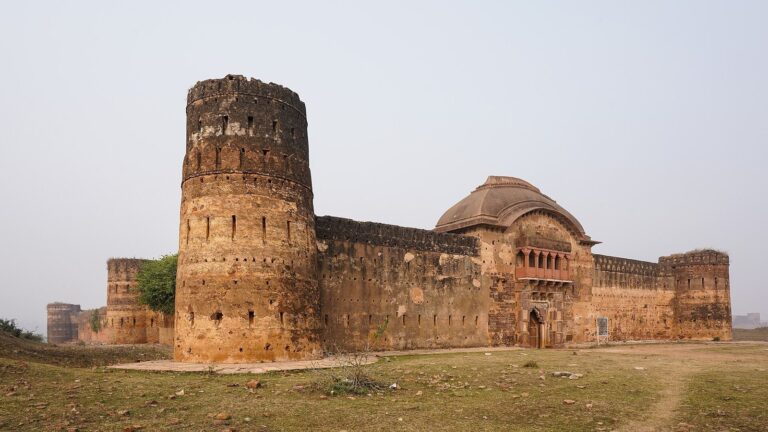
In the 1750s, Vishwanath Singh Deo, ruler of Rewa, a princely state in the historical region of Baghelkhand, fortified the temple ruins. The Archaeological Survey of India later restored the fort and serves as its governing body.
Remains
The complex brings together temple remains, a square fortified enclosure with parapets, and two stepwells, wells reached by descending steps. The enclosure’s form gives it the appearance of a fortress.
Temple remains and sculpture
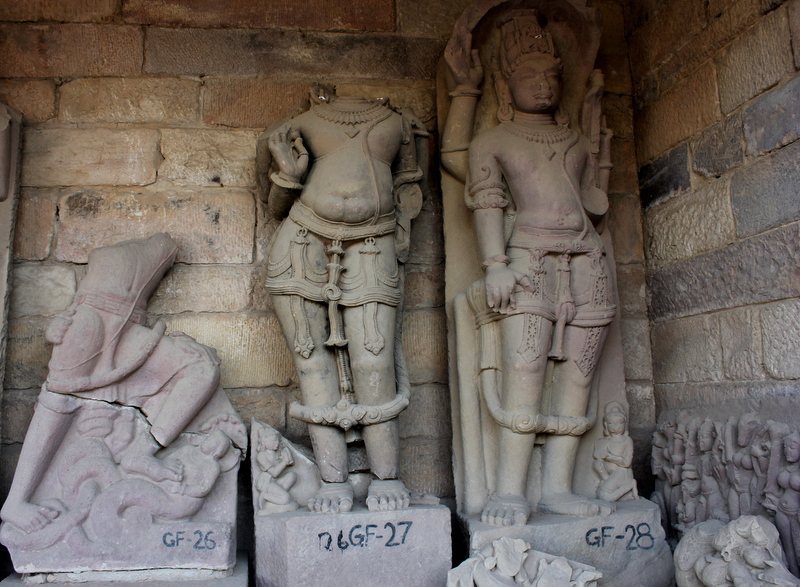
The temple complex contains numerous relics from the fifth and sixth centuries. A carved stone slab, about 6 to 7 feet high, depicts all ten avatars, or incarnations, of the Hindu god Vishnu. The slab dates to the eleventh or twelfth century.
Inscriptions
Gadhwa Stone Inscriptions
The Gadhwa Stone Inscriptions are Sanskrit texts from the early fifth century. They were written by Chandragupta II and Kumaragupta, emperors of the Gupta dynasty.
Raghava-Yatra inscription
The Raghava-Yatra inscription is a prashasti, or formal eulogy, dated to 1096, during the reign of Kirtivarman, a king of the medieval Chandela dynasty. His minister, Vatsaraja Srivastava, issued it as an edict.