Fort George in Grenada: A French-Built Colonial Fort
Site at a Glance
- Popularity
- High
- Country
- Grenada
- Primary era
- Early Modern
- Eras represented
- Early Modern
- Civilizations
- French
- Site type
- Military
- Remains
- Fort
On this page8 sections
History
Fort George, a French-built fort overlooking the harbour of St. George’s on Grenada, was constructed from 1706 to 1710 as Fort Royal. It served as a military position under French and British rule and later became closely associated with political upheaval in Grenada.
French origins and construction
A French colony founded on Grenada in 1650 made limited progress until the French government took control in 1674. The colony then expanded amid conflict with the Kalinago, an Indigenous people of the Caribbean. During the seventeenth century, French authorities established an artillery battery at the site of the present fort.
British rule and the fortified system
Under the 1763 Treaty of Paris, Grenada passed to Great Britain. The fort was renamed Fort George after George III, then king of Great Britain. In 1779, during the Anglo-French War, a conflict between France and Britain from 1778 to 1783, French forces approached from the landward side. British defenders surrendered soon after French artillery began firing from higher ground. British control returned at the end of the war.
After the conflict, work began on the St. George Fortified System, a network of Fort George and seven other defensive positions around the capital. It was designed to resist invasion by a European army as well as uprisings by enslaved people and attacks by the Kalinago.
Revolution, execution, and restoration
Grenada became independent in 1974, and the fort passed into government ownership. After Sir Eric Gairy’s government was overthrown in 1979 and the People’s Revolutionary Government took power, the fort was renamed Fort Rupert in honour of the father of its leader, Maurice Bishop. From 1979 to 1983, it served as the headquarters of the People’s Revolutionary Army, the government’s military force.
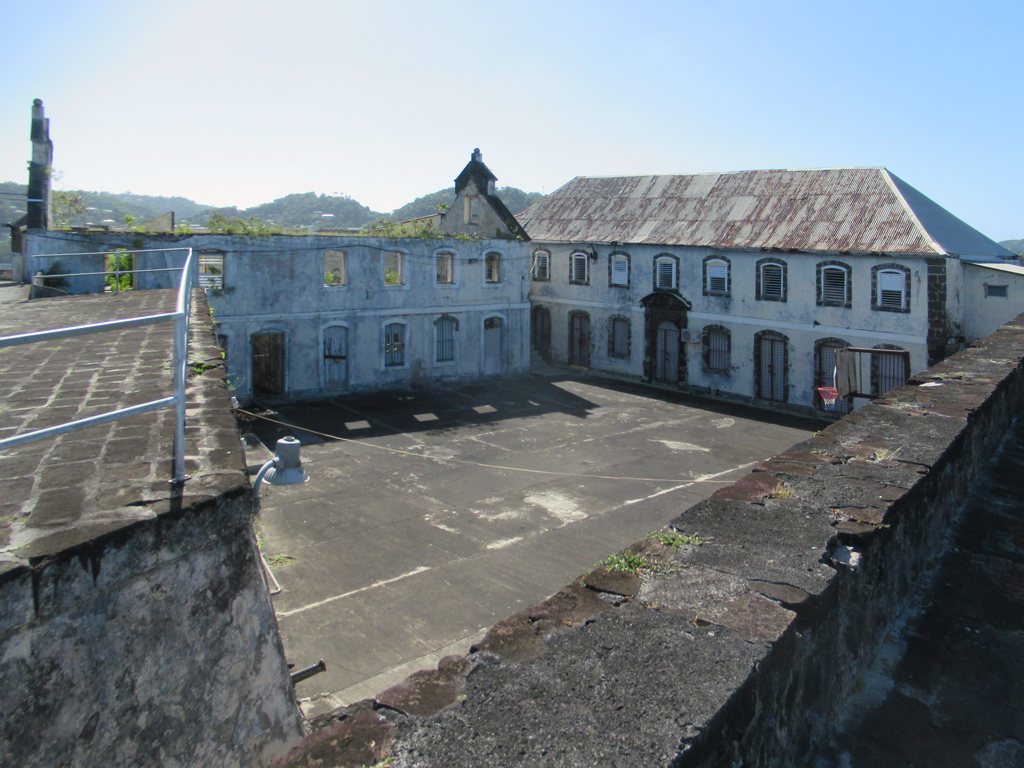
In October 1983, a faction of the Organization for Revolutionary Education and Liberation, a Grenadian political organization, overthrew Bishop. On 19 October, Bishop and seven others were executed by firing squad in the fort’s courtyard. Following the United States invasion later that month, democracy was restored and the fort’s name reverted to Fort George.
Later use and heritage status
The Royal Grenada Police Force established its headquarters and training school at the fort. By 2024, the headquarters had moved to an office in the city. The surviving forts that include Fort George are on UNESCO’s World Heritage Tentative List, which identifies places being considered for possible nomination, rather than sites already inscribed on the World Heritage List.
Remains
Defensive plan and setting
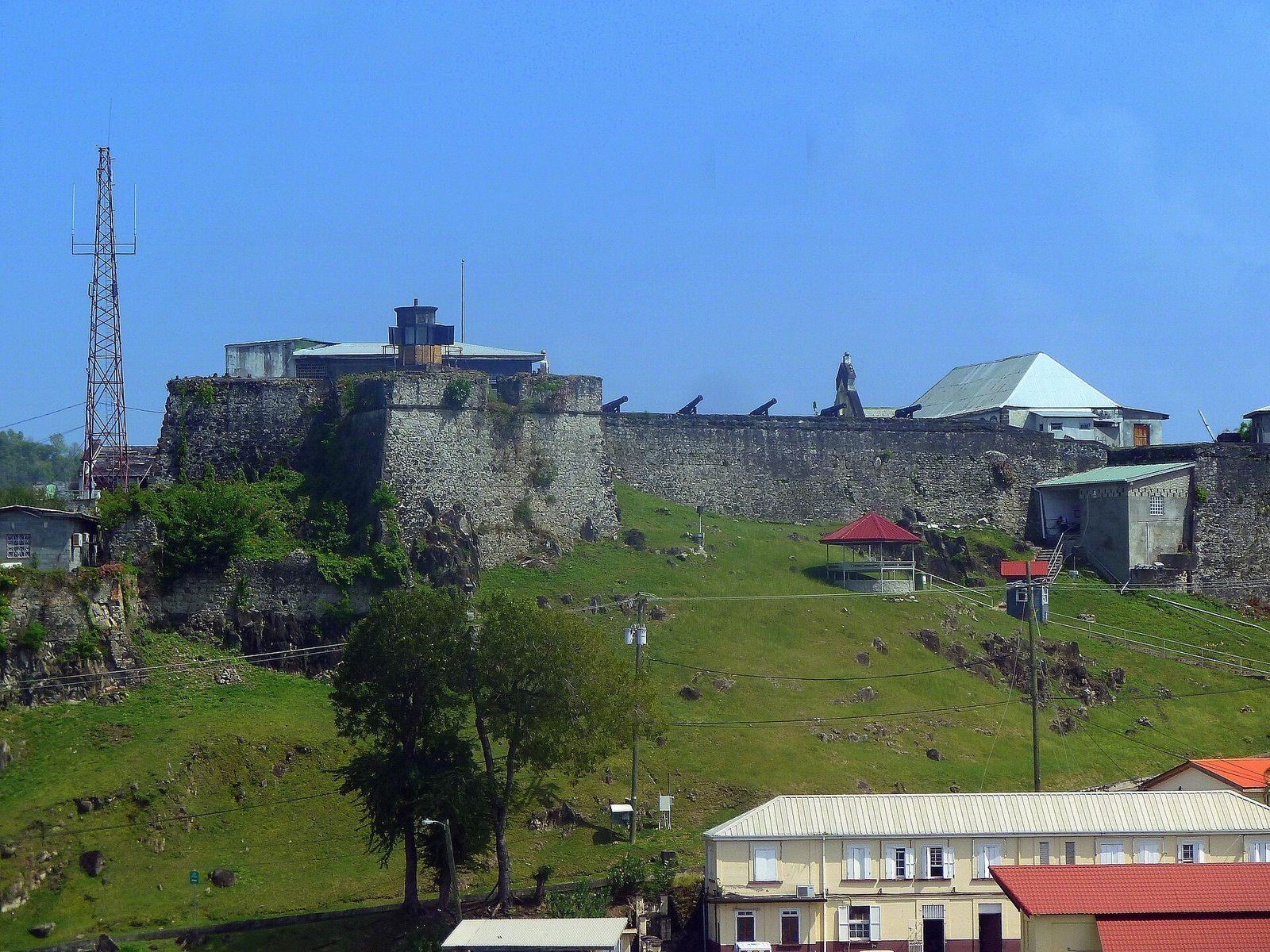
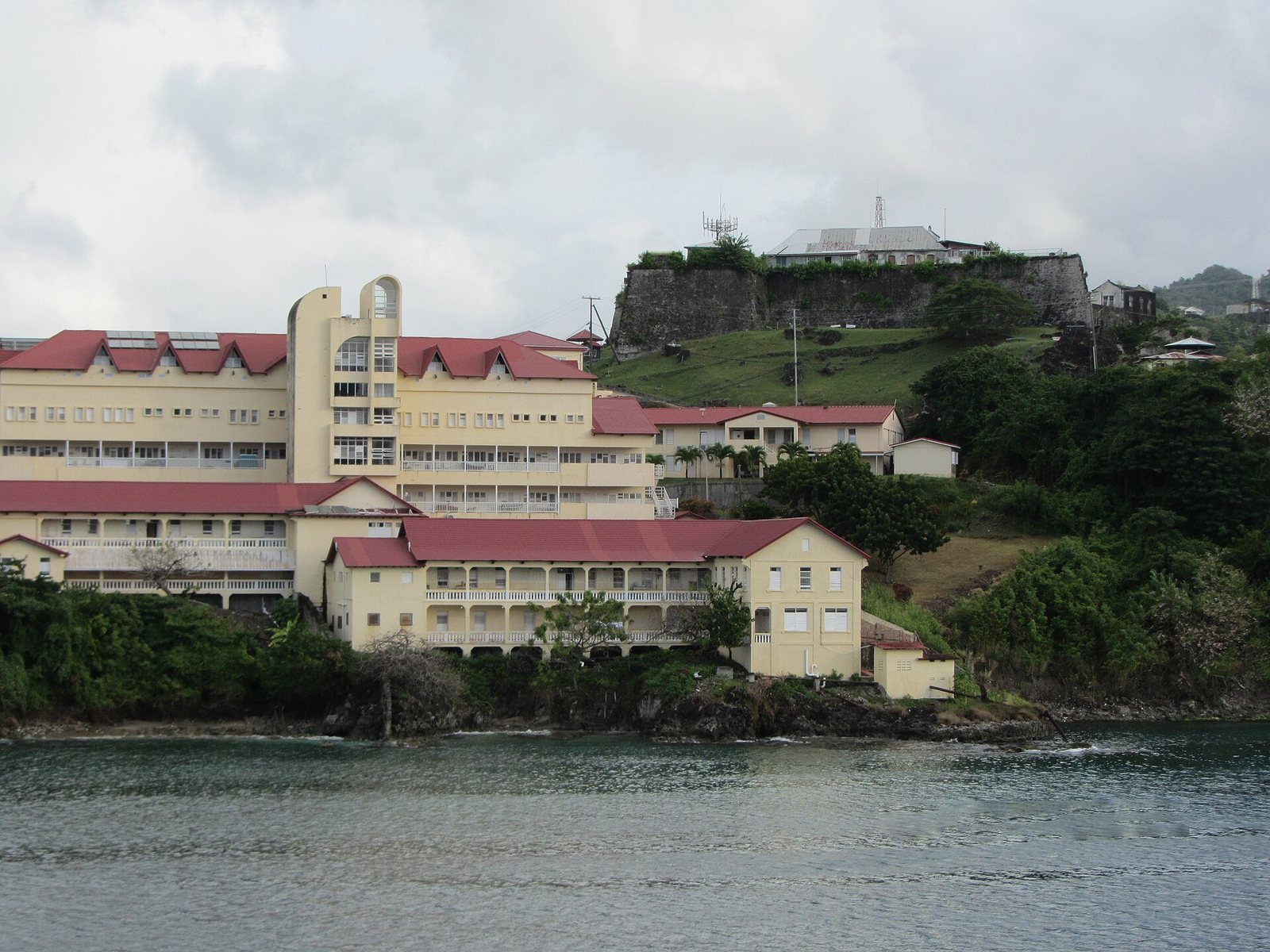
The fort overlooks St. George’s harbour, while higher ground overlooks its landward side. Its polygonal plan and projecting bastions, outward extensions of the walls that strengthen a fort’s defence, follow principles promoted by French military engineer Sébastien Le Prestre, Marquis de Vauban. Of the eight forts in the St. George Fortified System, Fort George, Fort Mathew, and Fort Frederick are the three that remain standing.
Walls, underground rooms, and courtyard
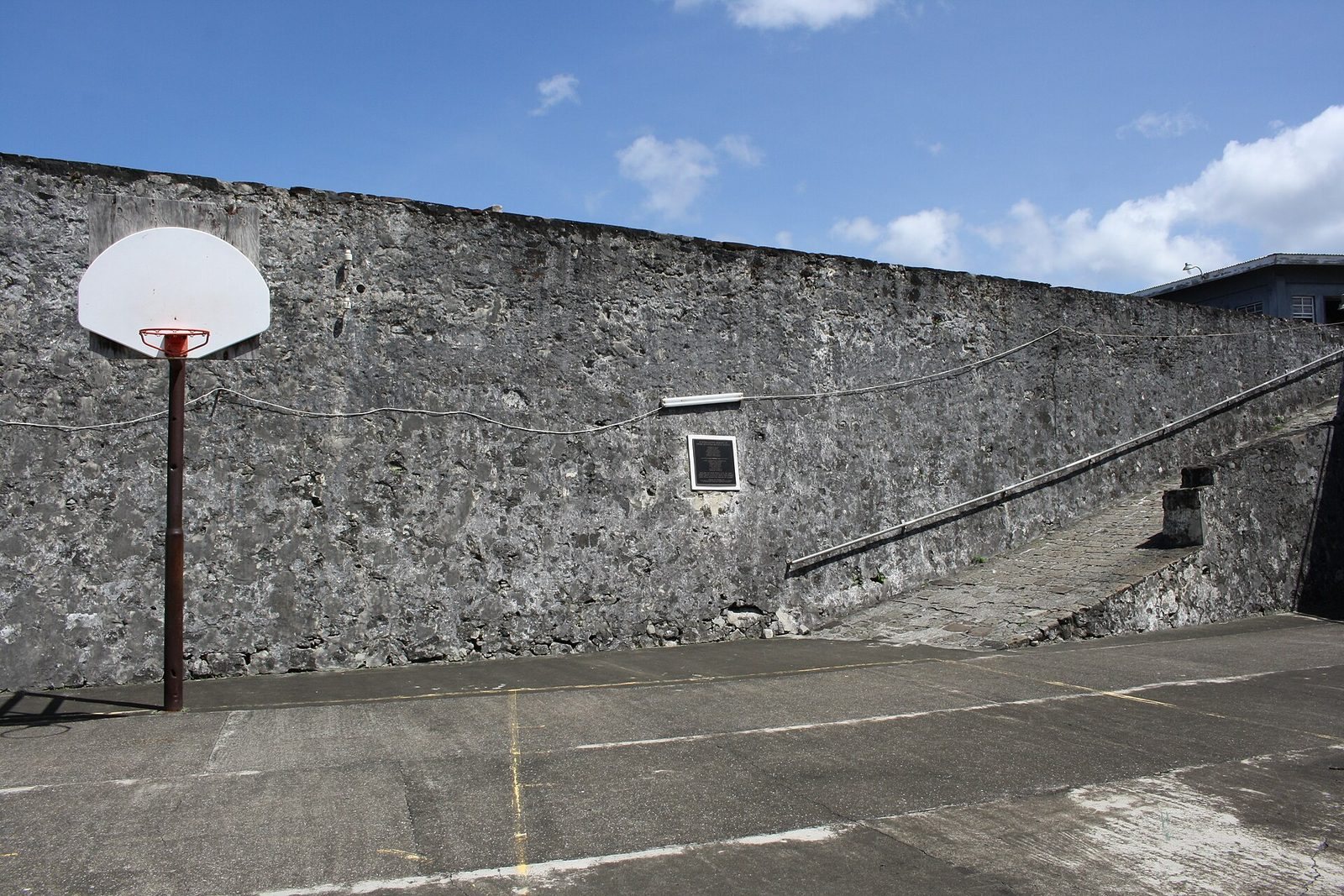
By 2013, the principal historic features included the fort’s walls and some underground rooms. Colonial-era artillery pieces remained on the walls. A plaque installed in the courtyard in October 1993 marks the site of the 1983 executions. Hurricane damage had left parts of the fort in disrepair by 2018, and reconstruction of a nearby hospital after a fire adversely affected views to and from the fort.