South Wraxall Manor: A Long Family Residence in Wiltshire
Site at a Glance
- Popularity
- Very High
- Country
- United Kingdom
- Primary era
- Medieval
- Eras represented
- Medieval, Early Modern
- Civilizations
- English
- Site type
- Domestic
- Remains
- Manor House
On this page7 sections
History
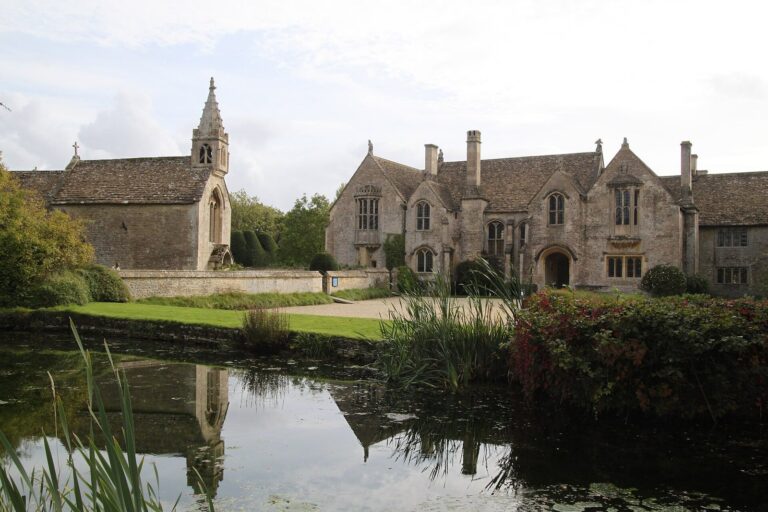
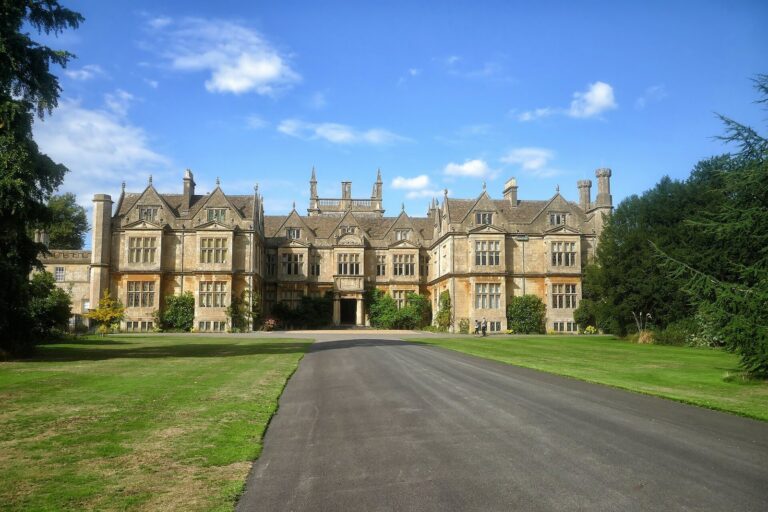
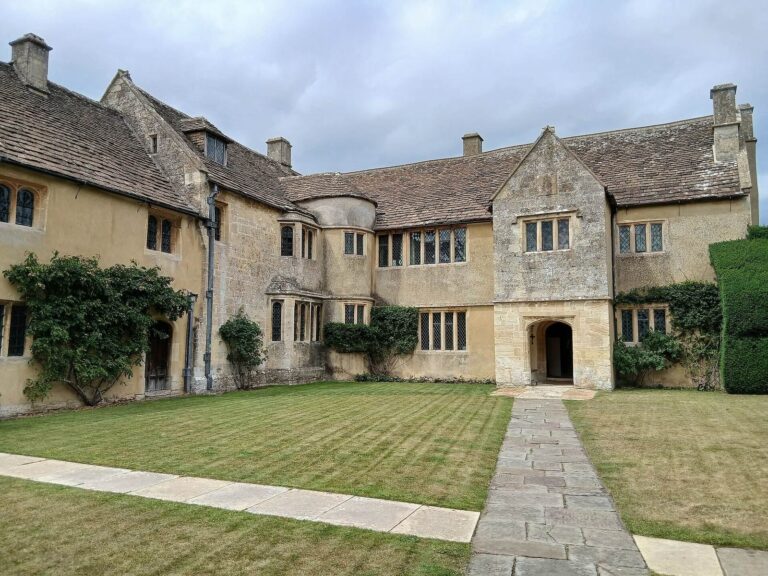
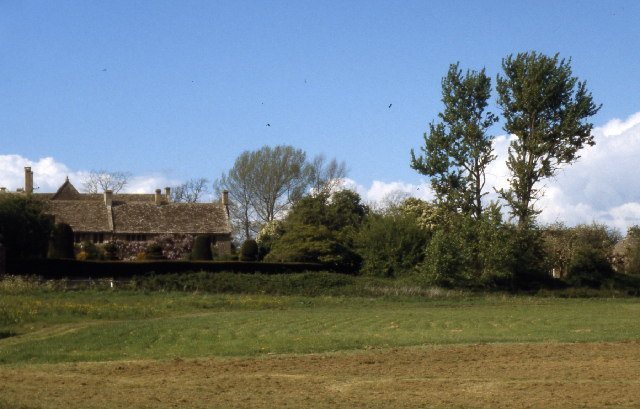
South Wraxall Manor is a historic house in South Wraxall, Wiltshire, United Kingdom. Robert Long built it soon after acquiring the estate and was living there by 1429; his family retained the property for about five centuries. A popular legend claims that Sir Walter Long and his friend Sir Walter Raleigh first smoked tobacco in England at the manor. Raleigh was an English courtier and explorer associated with the early adoption of tobacco in England, and similar claims have been linked to other houses connected with him.
Long family origins
Robert Long was a lawyer who sat in Parliament several times between 1414 and 1442, mostly representing Wiltshire. He later exchanged land at Wraxall with the abbess of Shaftesbury, the female head of a religious community, and died in 1447. His great-great-grandson, Sir Robert Long, altered the Long chapel doorway in 1566. Over later generations, the family acquired South Wraxall properties that had once belonged to Monkton Farleigh Priory, a medieval religious house in Wiltshire.
From family residence to school
The manor passed to Walter Long, who died unmarried in 1807. His sister Katherine continued to live there until her death, aged 97, in 1814. Walter’s will left the property to his cousins Richard Godolphin Long of Rood Ashton and Richard’s brother John. The family kept ownership, although the next Long family member to take up extended residence was the 2nd Viscount Long in 1935.
From 1820 to 1826, the house was rented to Dr Knight, who ran a school for about 40 boys. He covered the carved ceilings with plaster and painted the oak-panelled walls. The 1st Viscount Long, whose peerage rank was below an earl and above a baron, later restored the interiors in their original style, but did not live at the manor. Caretakers occupied the house for the remainder of the nineteenth century.
Twentieth-century changes
On 20 May 1919, most of the South Wraxall estate, including most village property, was sold. The family retained the manor and rented it to a tenant. After that tenant died, the 2nd Viscount Long took over the house in 1935 and carried out further restoration. By then, the family’s former principal residence at Rood Ashton had been sold. During the Second World War, the manor housed evacuees from Kent and served as a convalescent home for children. In the 1950s, it was occupied by Anne, the 2nd Viscount’s sister-in-law.
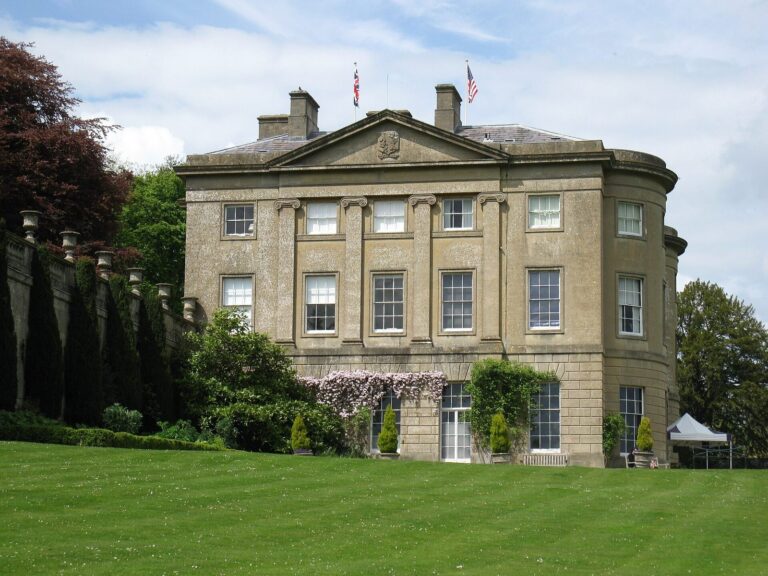
The manor and Manor Farmhouse received Grade I listing in 1962, the highest category of listed-building status in England. Sara Morrison, the 2nd Viscount’s only daughter, was the last Long family member to live at the manor. The house and 830 acres were sold in 1966, ending about five centuries of family ownership. John Taylor and Gela Nash-Taylor bought the house in 2005.
Remains
Layout and grounds
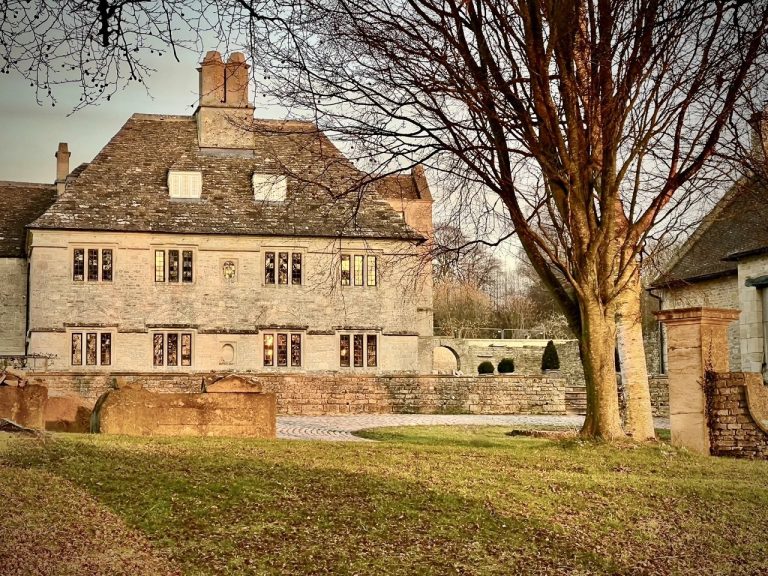
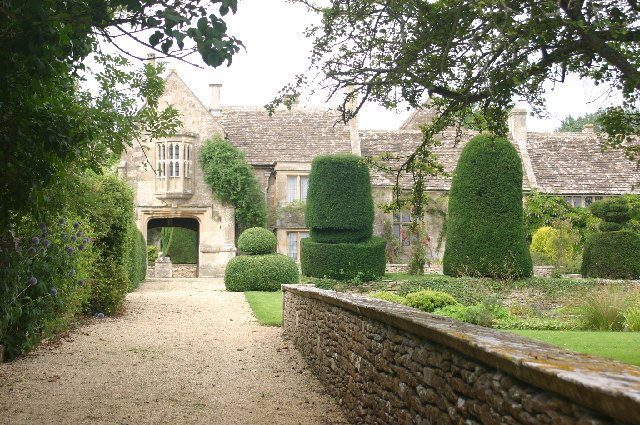
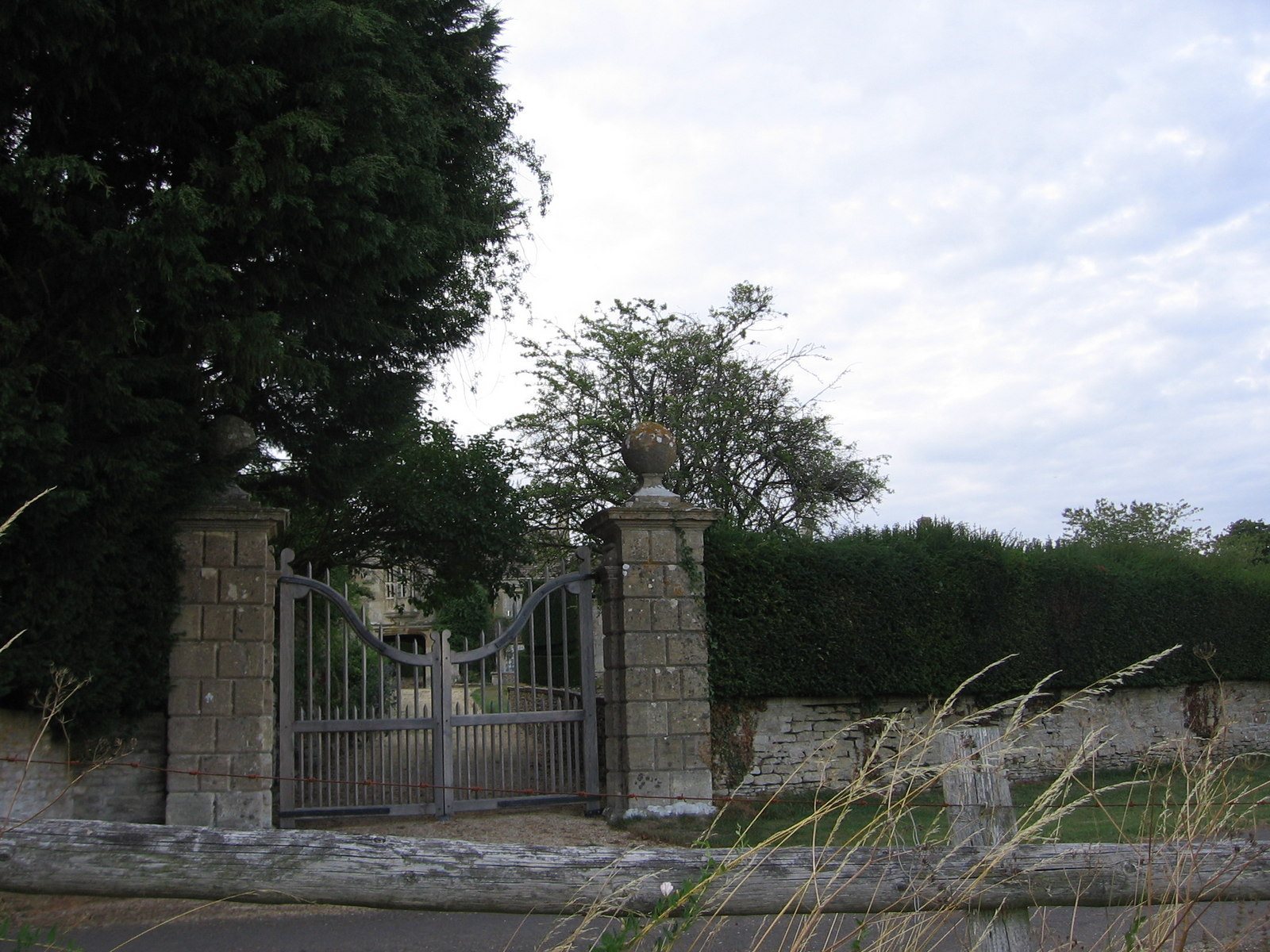
Manor Farmhouse may occupy the site of an earlier manor house dating to the fourteenth century. The present South Wraxall Manor stands a short distance to its southwest. A garden wall lies south of the manor, and eighteenth-century gate piers mark the southern entrance.
Interior and chapel doorway
The manor’s interiors include carved ceilings and oak-panelled walls. Above the Long chapel doorway, initials and badges are carved into the stone.