Molmke Megalithic Tomb Group: A Neolithic Burial Site in Germany
Site at a Glance
- Popularity
- Very Low
- Country
- Germany
- Primary era
- Stone Age
- Eras represented
- Stone Age
- Civilizations
- Unclassified
- Site type
- Burial
- Remains
- Necropolis
On this page9 sections
History
The Molmke Megalithic Tomb Group is a group of large-stone Neolithic tombs in the municipality of Diesdorf, Saxony-Anhalt, Germany. The group dates to 3700–3350 BCE and is associated with the Deep-Engraved Pottery culture, an archaeological culture identified partly through its characteristic pottery. It originally comprised ten tombs, and may have included twelve.
Nineteenth-century destruction and later surveys
Johann Friedrich Danneil, a nineteenth-century antiquarian and regional historian, first described the tombs in 1843. During the nineteenth century, all but one were destroyed. By the early 1890s, when archaeologists Eduard Krause and Otto Schoetensack recorded the Altmark megalithic tombs, only one Molmke tomb remained.
In 2003–04, a joint project involving Saxony-Anhalt’s State Office for Heritage Management and Archaeology, the Johann-Friedrich-Danneil Museum in Salzwedel, and the Young Archaeologists of the Altmark association recorded and measured the surviving Altmark tombs.
Remains
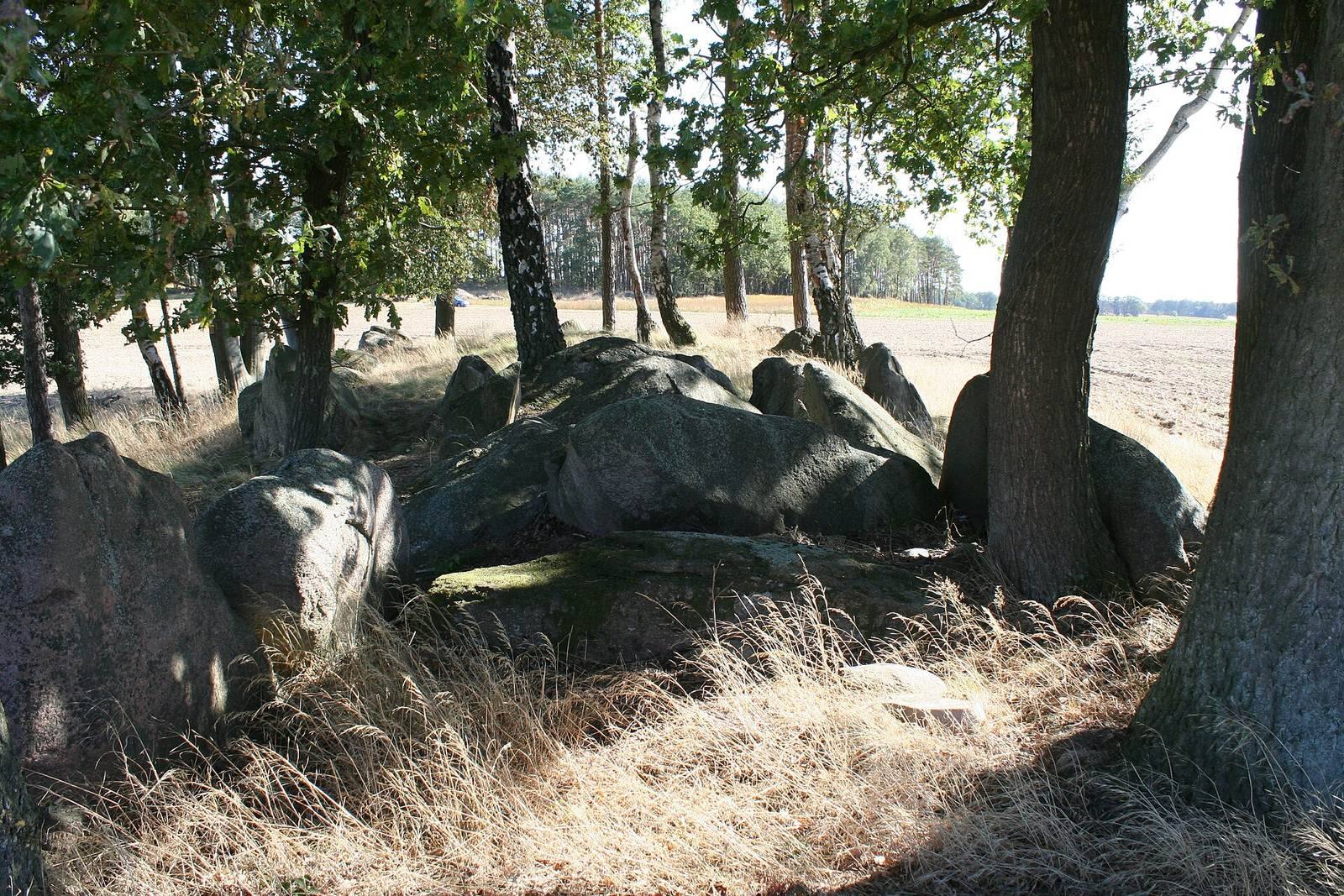
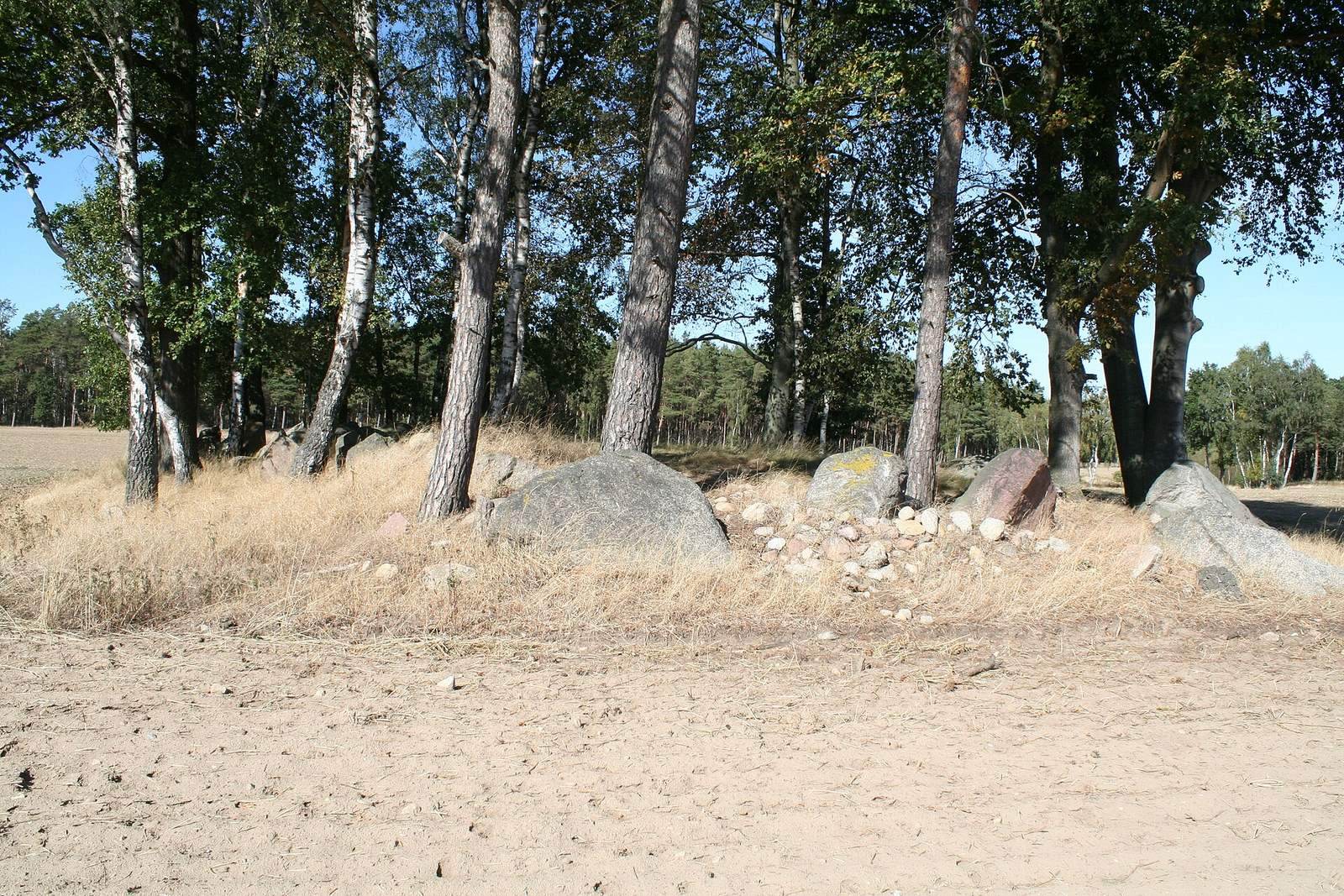
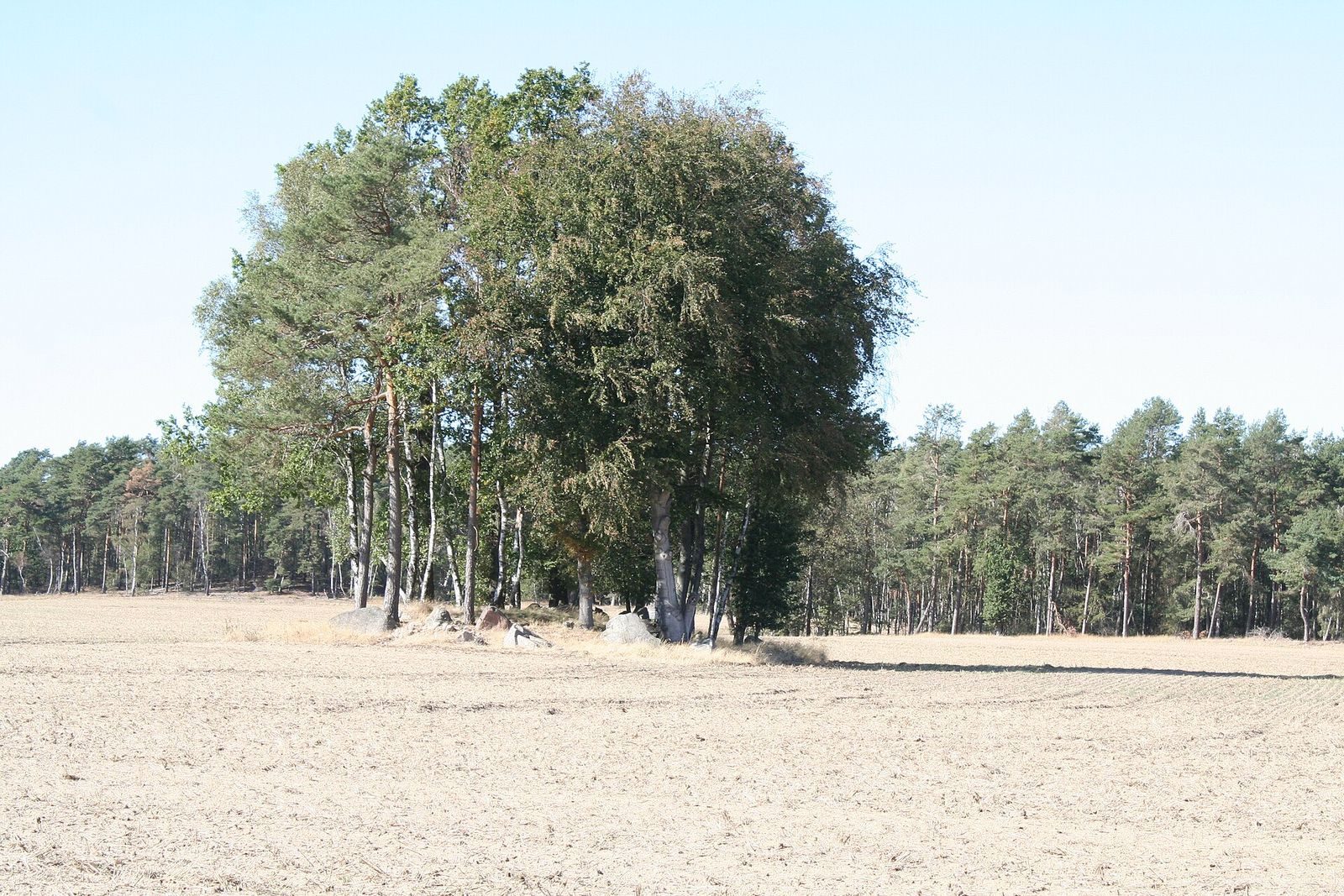
The tombs occupied dispersed locations around Molmke, with other megalithic groups near Diesdorf, Drebenstedt, and Schadewohl. At Tomb 1, a long mound, stone enclosure, and chamber preserve the arrangement of one of the group’s monuments.
Tomb 1
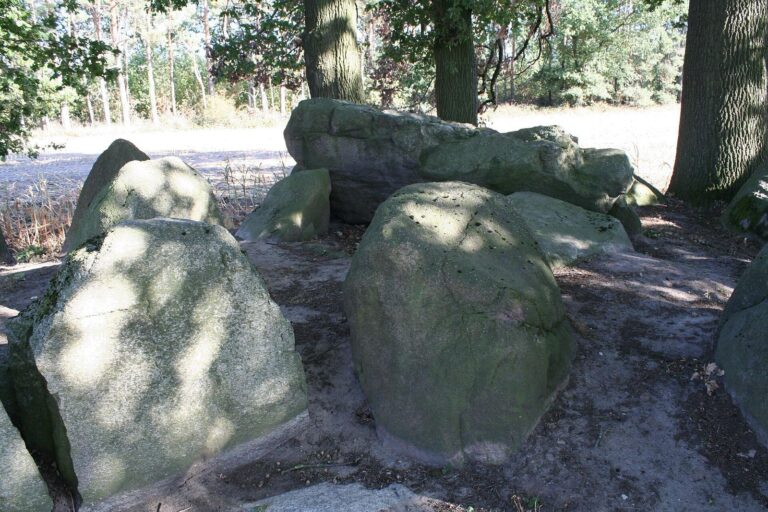
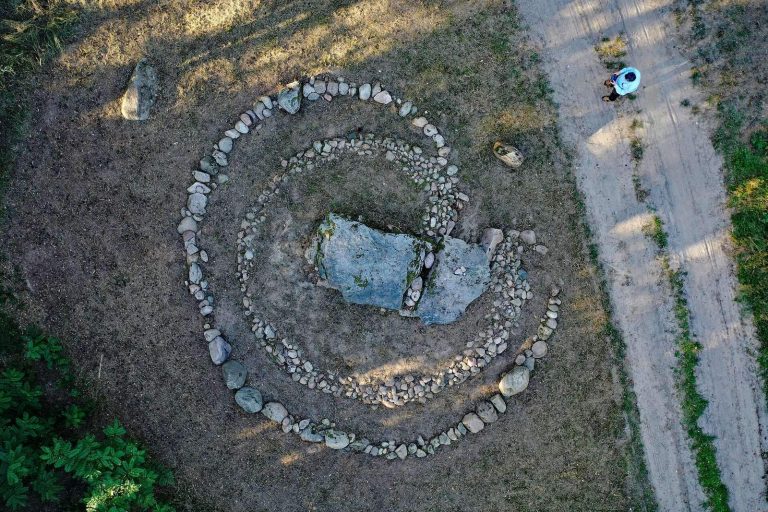
Tomb 1 is a great dolmen, a chamber tomb built from large stones. It stands in a field about 1.4 km west of Molmke. Its elongated mound rises 1.3 m; originally held within the stone enclosure, the mound has spread beyond it. The trapezoidal enclosure runs northwest–southeast. It measures 27 m long today, against a reconstructed original length of 28.6 m, and is 7.0–8.5 m wide. Twenty-five enclosure stones remain, one broken. Two end stones stand at the southeast end, one broken.
The trapezoidal chamber lies at the enclosure’s northwest end and follows the same orientation. It measures 9.9 m long and 2.1–3.2 m wide. Its 18 supporting stones and six capstones, or roof stones, all survive, although the capstones have fallen into the chamber and probably pushed the supports outward. One capstone is broken. The two largest measure 2.4 × 1.5 × 0.5 m and 2.5 × at least 1.2 × 0.7 m. The other stones are nearly alike in size, except for one measuring 2.2 m long.
Other tombs
Tombs 2–5
Tomb 2 lay about 1.5 km southeast of Tomb 1 and measured 15.7 × 6 m. Danneil found its chamber wall stones in place, but its type is uncertain. Tomb 3 stood just under 30 m south of Tomb 2 and measured 20.1 × 6.6 m. Danneil found its chamber intact, with four capstones, each 2.5 m long, apparently resting on the chamber walls. It may have been a great dolmen or a passage grave, a chamber reached by a passage. Tomb 4 was 150 m from Tombs 2 and 3, though its direction is unknown. It measured 13.2 × 9.1 m and was probably oriented north–south; its chamber was 3.5 m long. It may have been an extended dolmen, another form of long large-stone tomb, or a great dolmen. Tomb 5 lay about 75 m west of Tomb 4. It measured 26.4 × 13.2 m and had a narrow chamber with a displaced capstone; its type cannot be determined.
Tombs 6–9
Tomb 6 was near the tombs at Diesdorf. Its chamber was about 9–10 m long and 2.2–2.5 m wide, with three or four capstones. It may have been a great dolmen or a passage grave. Tomb 7 lay about 45 m east of Tomb 6. Tomb 8 stood about 1.5 km southwest of Molmke and was oriented east–west. It measured 13.2 × 5.3 m, with its chamber at the western end and a displaced capstone; its type is uncertain. Tomb 9 lay about 40 m east of Tomb 8. Its chamber measured 5.3 × 1.9 m and had two capstones. It may have been an extended dolmen or an incompletely preserved great dolmen.
Tomb 10 and other mounds
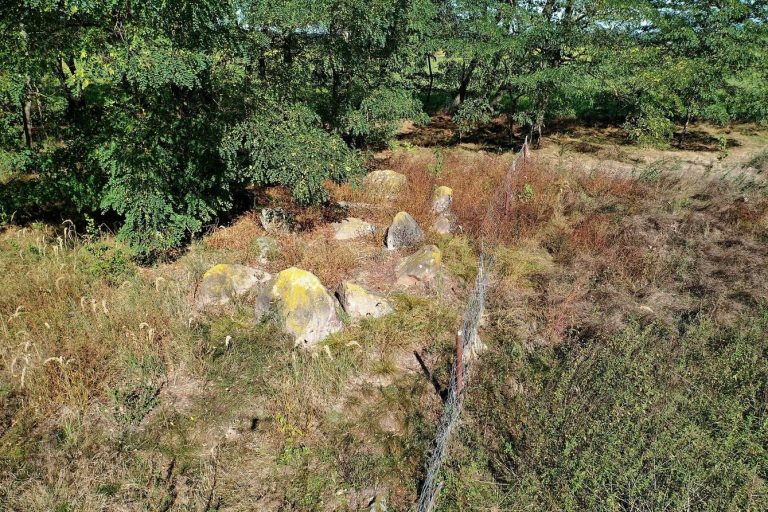
Danneil described Tomb 10 as a round mound, but its type is uncertain. Two apparently undisturbed mounds beside it may have been megalithic tombs with covered chambers or Bronze Age burial mounds. Danneil also described three round mounds near farmer Kray’s farm; at least one was a megalithic tomb.
Nearby tomb groups
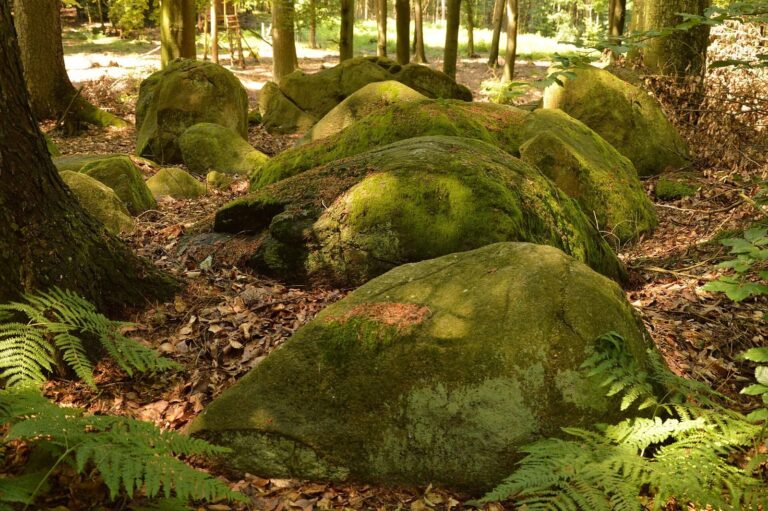
Other megalithic tomb groups lay about 540 m northwest of the surviving Molmke tomb, 2 km southeast at Drebenstedt, and 2.7 km north-northwest at Schadewohl.