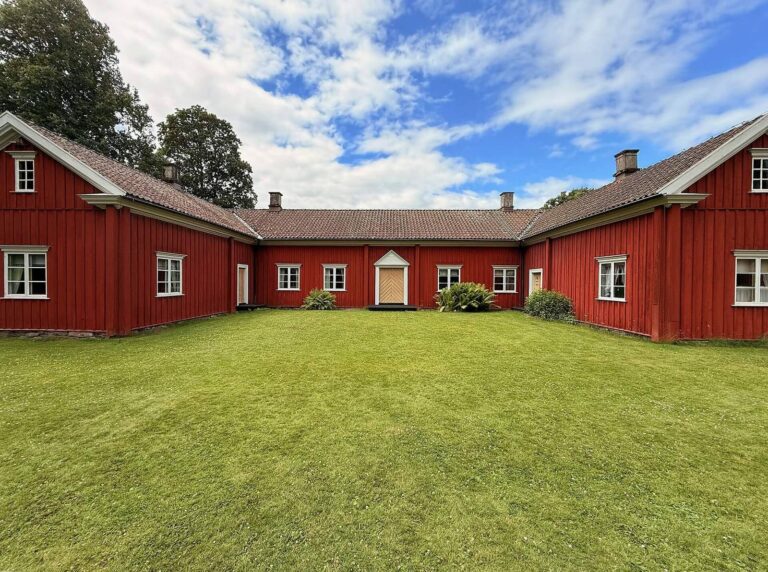
Ekshärad Church: Parish Church of Ekshärad, Sweden
Site at a Glance
- Popularity
- Medium
- Country
- Sweden
- Primary era
- Early Modern
- Eras represented
- Medieval, Early Modern, Modern
- Civilizations
- Swedish
- Site type
- Religious
- Remains
- Church
On this page10 sections
History
Ekshärad Church is the parish church of Ekshärad parish in Ö, Hagfors, Sweden. It belongs to the Church of Sweden, a Lutheran church, and to the Diocese of Karlstad, a regional area of church administration. The present church was built from 1686 to 1688, following an earlier church nearby.
The earlier church and the new building
A predecessor church stood about 300 metres northeast of the present building, near the Klarälven River. It probably dated from the early Middle Ages. The present church was built under the direction of Anders Larsson Rang, a builder from Filipstad, and dedicated in 1688.
Alterations and continuing traditions
A spire was added to the tower in 1695, followed by copperwork the next year. In 1865, a renovation supervised by Kumlin, a factory owner from Arboga, included work on the pulpit and old altarpiece. Another renovation took place in 1927.
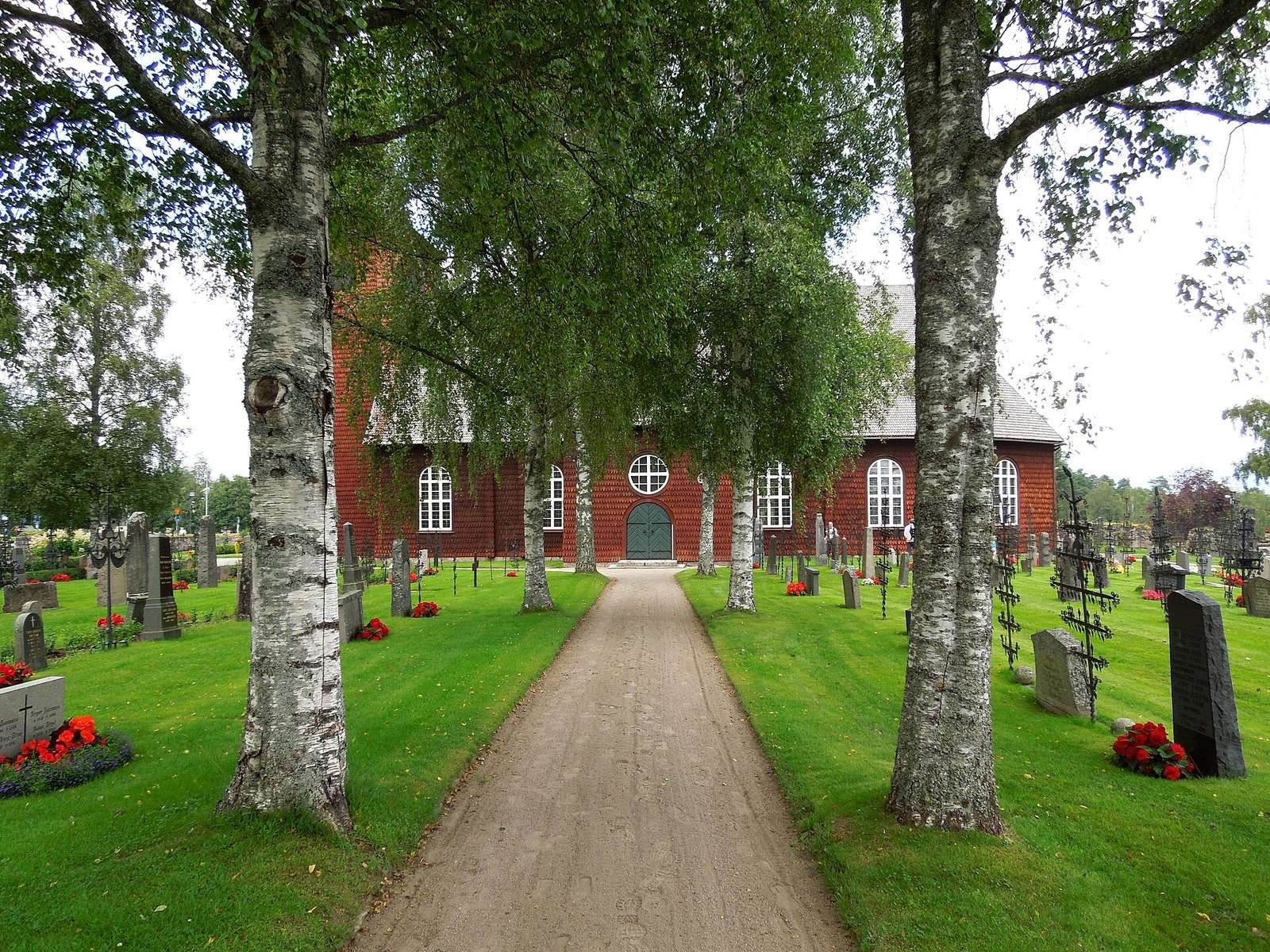
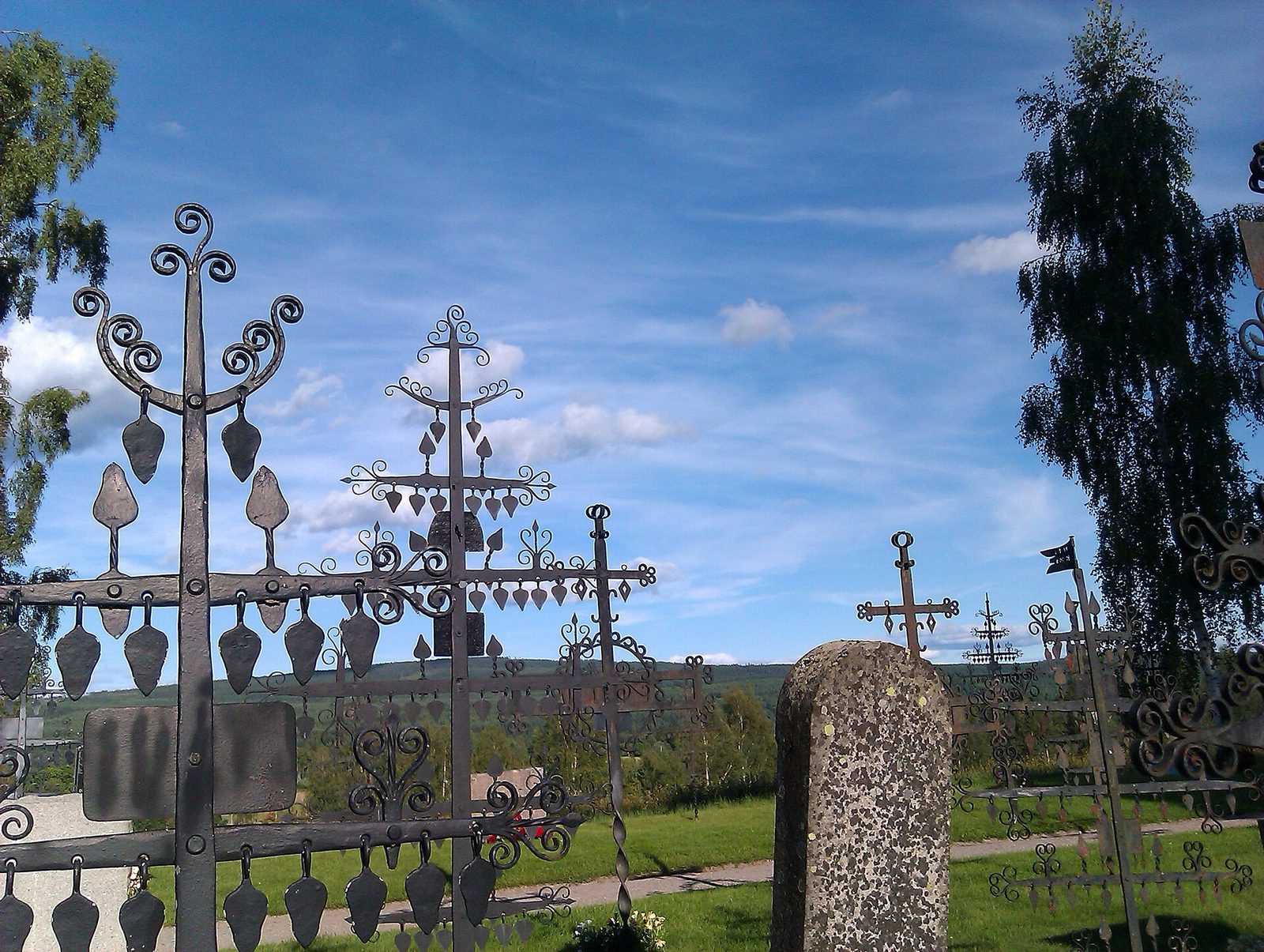
The church’s iron grave crosses reflect a local craft tradition extending from the 18th century to the present. Village blacksmiths made the crosses in earlier times, and the Stjärnsfors forge continues the practice. The church stables, dating from the 18th century or earlier, now serve as workshops and shops for artisans.
Remains
The present church
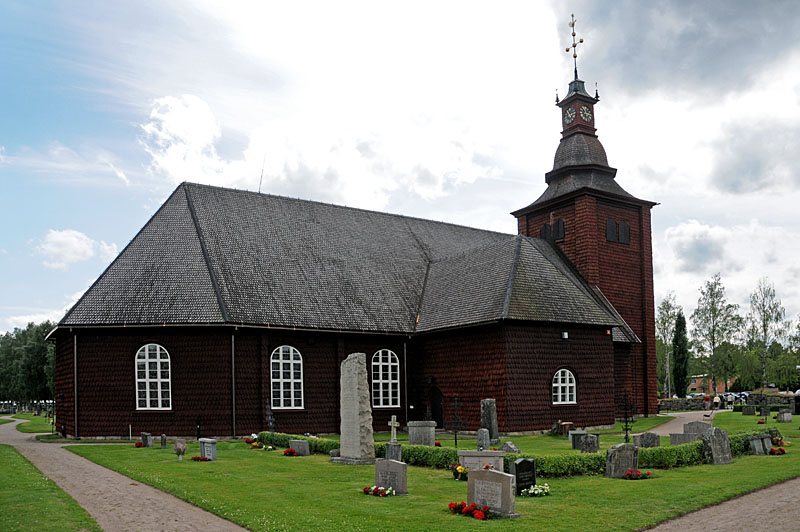
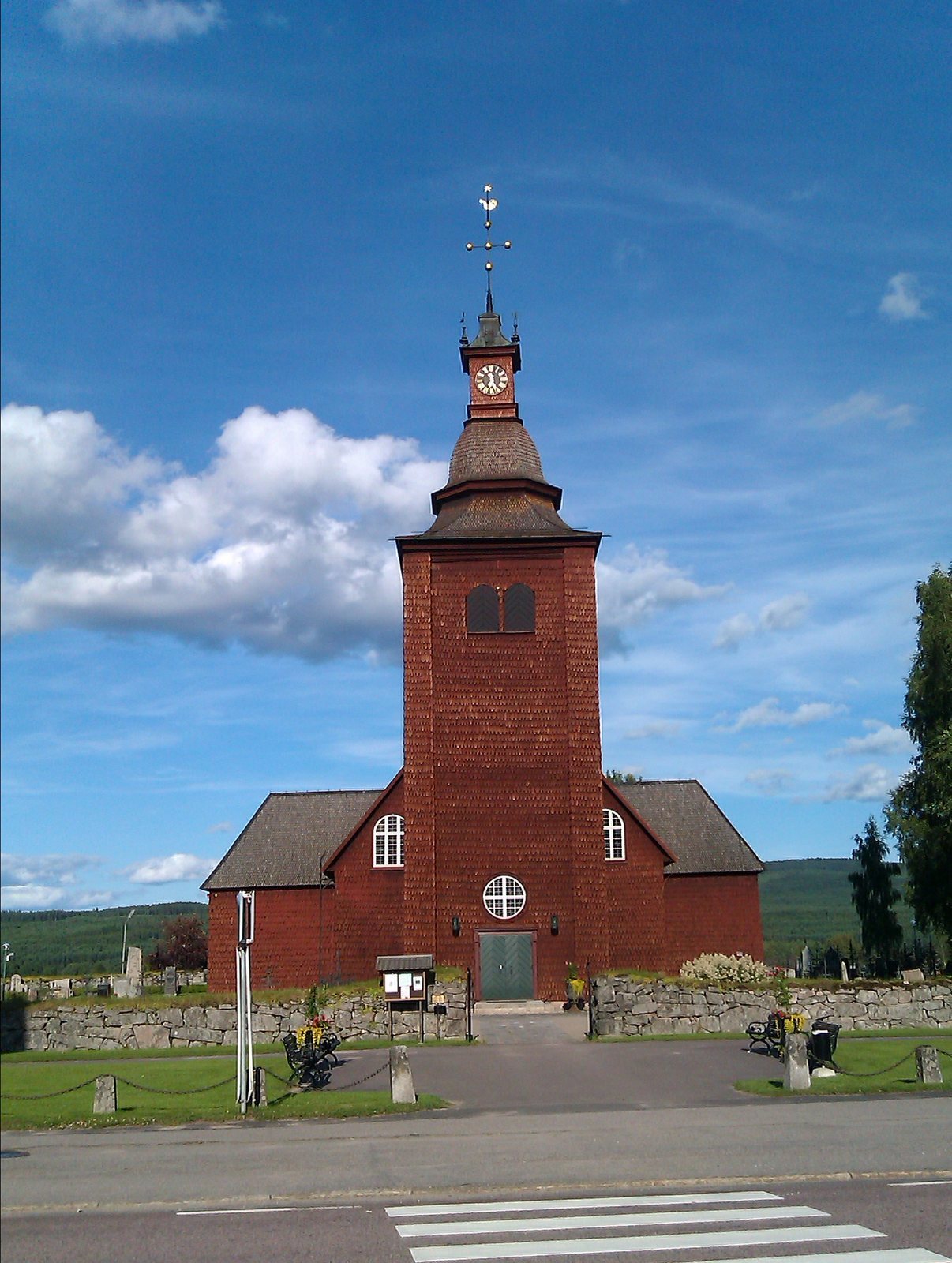
The church is a log-built, shingle-clad building laid out in the shape of a cross. Its rectangular nave leads east to a three-sided chancel, the part around the altar. A tower containing the main entrance stands at the west end; a sacristy, a room for clergy and liturgical items, is attached on the north, and a porch is on the south. The exterior is covered with red-tarred shingles. White-painted, round-arched windows date from 1865. Tarred shingles cover the roof, which has a gabled form and a hipped eastern end. A cemetery is associated with the church.
The earlier church site and stables
The predecessor church was wooden, with a rectangular nave and a narrower chancel at the east, possibly with three sides. Its remaining foundation lies near the steep slope toward the Klarälven River, and a cross with an altar marks the former site. The well-preserved church stables stand directly north of the present church, beside the slope and the earlier foundation.
Furnishings and organs
Furnishings and gallery
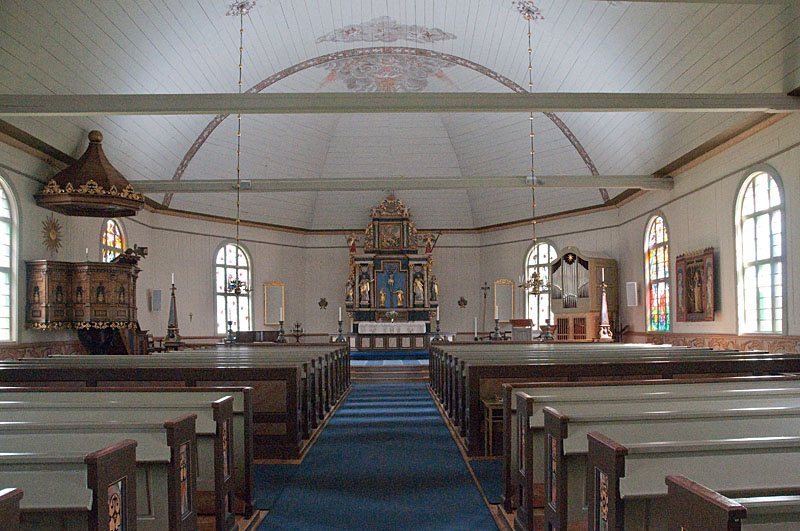
The church contains a 13th-century baptismal font, the vessel used for baptism, as well as a medieval altarpiece and sacrament cabinet for consecrated elements of the Eucharist. A textile room in one of the porches holds objects dating from the 13th century. A series of royal portraits decorates the organ gallery, beginning with portraits from the period when the church was built.
Organs
Erik Adolf Setterquist of Örebro built an organ for the church in 1865. It had 14 stops, which select sets of pipes. Setterquist added an octave coupler to the keyboard at his own expense, doubling the instrument’s tone strength. The organ was dedicated on Palm Sunday, 9 April 1865. The present organ, built in 1927 by E. A. Setterquist & Son of Örebro, has pneumatic action operated by air pressure, fixed combinations, a crescendo pedal that brings additional stops into use, and a tremulant that produces a wavering tone. Its facade comes from the 1865 instrument, and its stop arrangement may have been altered in the 1960s. Lindegrens Orgelbyggeri of Gothenburg built the choir organ in 1980, with stops divided across its keyboard and mechanical operation.
Ironwork and grave crosses
The grave crosses are shaped like trees of life, with upright spikes and freely hanging leaves that make sounds. Painted wooden eggs were formerly attached to some spikes on certain holidays. In connection with the 1927 renovation, smith Axel Sjöberg forged the tower emblem and many of the church’s interior wrought-iron details.