Santi Filippo e Giacomo: A Baroque Church in Naples
Site at a Glance
- Popularity
- Medium
- Country
- Italy
- Primary era
- Early Modern
- Eras represented
- Early Modern
- Civilizations
- Kingdom of Naples, Spanish
- Site type
- Religious
- Remains
- Church
On this page9 sections
History
Santi Filippo e Giacomo is a Roman Catholic church in Naples, Italy, built for the Silk Guild from 1593 in the Baroque style, with Rococo features. The guild initiated the project in 1591. Its members included merchants, weavers, and dyers, and it had a tribunal with civil and criminal authority over people working in silk.
The Silk Guild and the church’s origins
The guild had gained considerable influence with the support of Alfonso V of Aragon, a fifteenth-century king of Aragon and Naples. Before the present church, the guild had another church near Piazza del Mercato, also dedicated to Saints Philip the Apostle and James the Less.
That earlier church was associated with a charitable conservatory, a residential institution founded in 1582 for the daughters of guild artisans who were poor, ill, or deceased. As the number of girls grew, they moved to more suitable accommodation in the former palace of the Prince of Acquaviva of Caserta, later associated with the Caetani of Sermoneta.
Renovation and heritage status
Architect Gennaro Papa renovated the church in 1758. The church belongs to the Archdiocese of Naples and lies within the Historic Centre of Naples, inscribed on UNESCO’s World Heritage List in 1997.
Remains
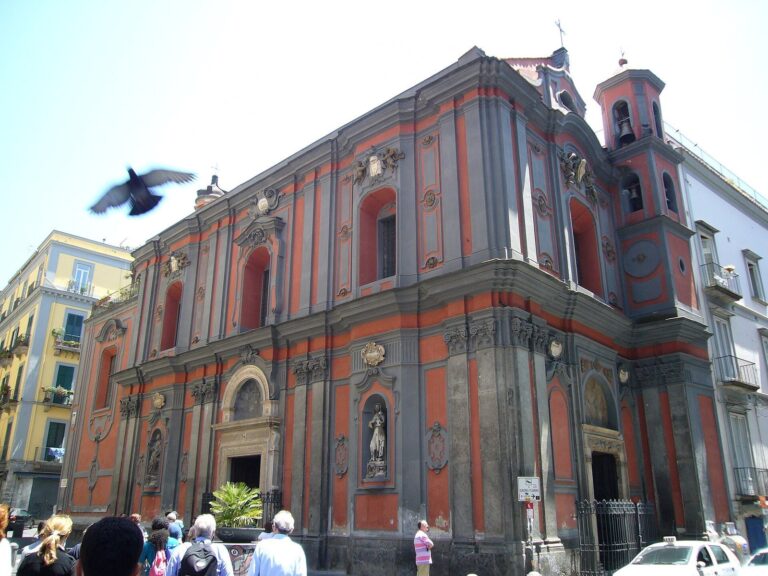
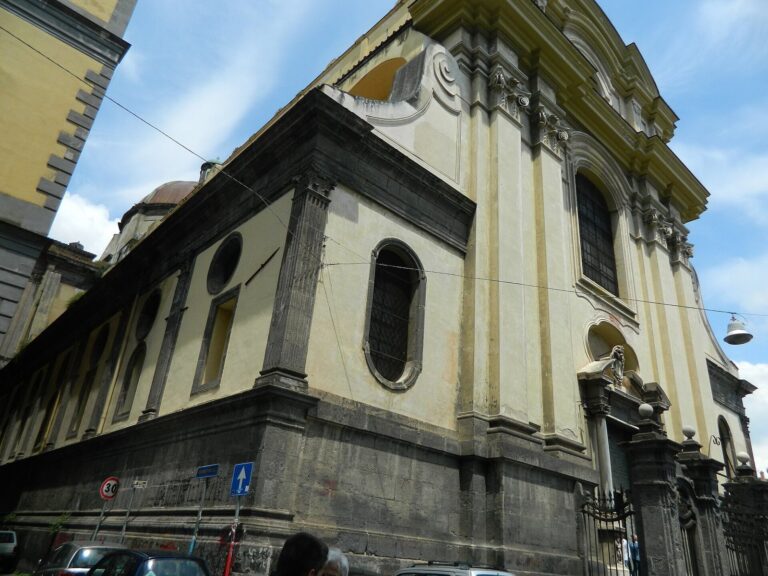
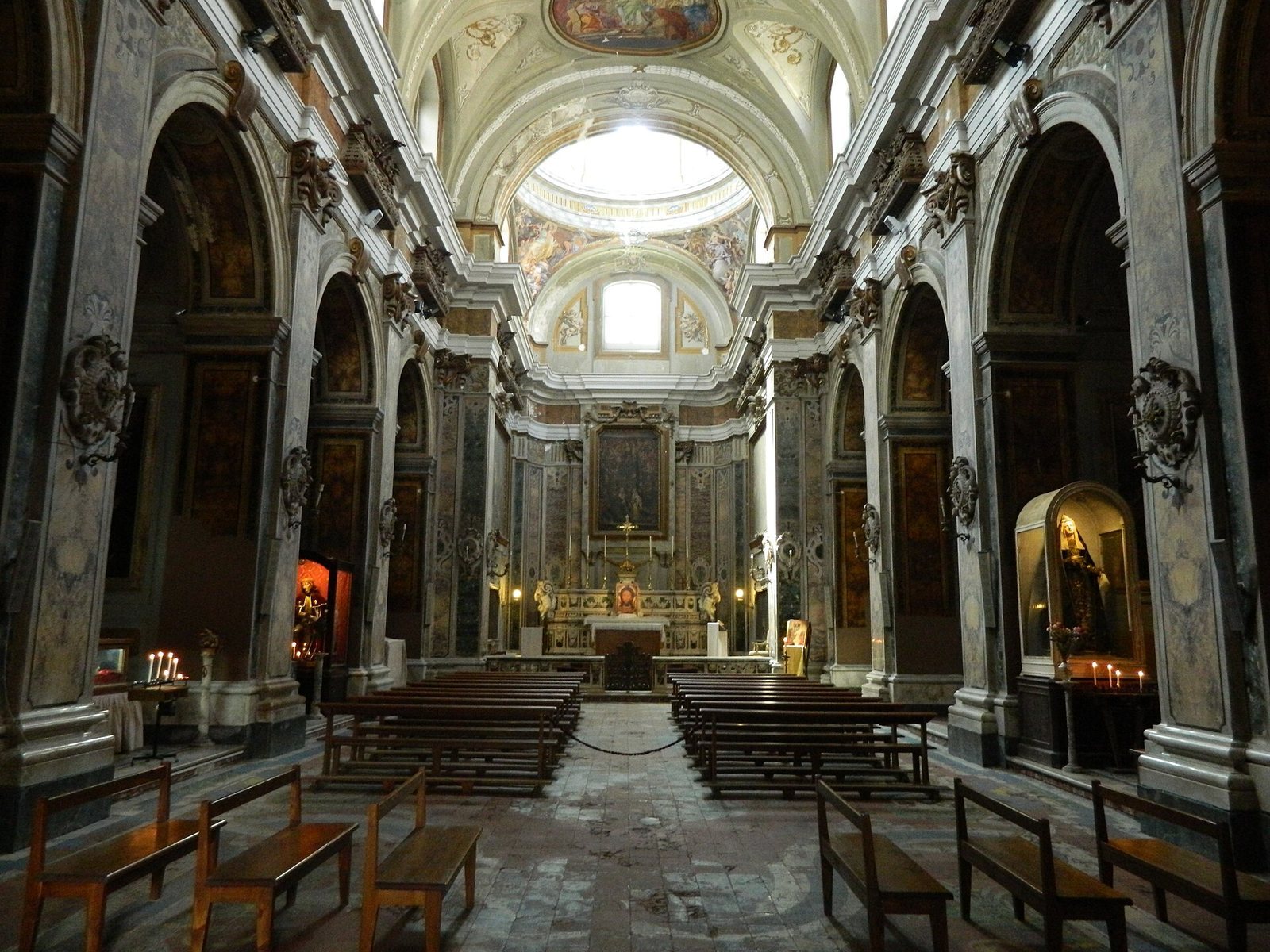
The church stands on Via San Biagio dei Librai in Naples’s historic centre, in the Pendino area associated with Spaccanapoli and near the churches of San Biagio Maggiore and Santa Luciella. Its plan has a single nave without a transept, ending in an apsidal area beneath a dome.
Façade
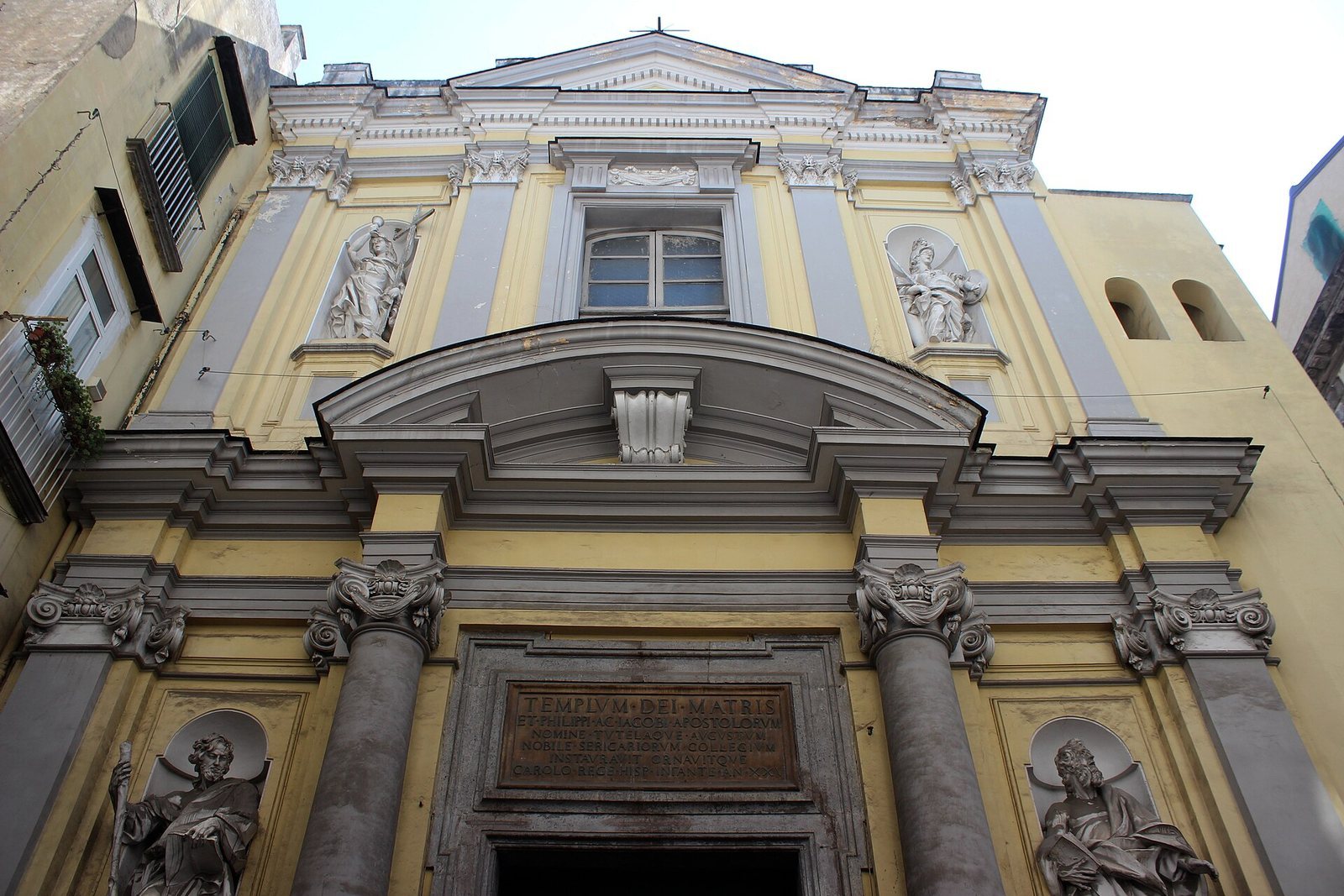
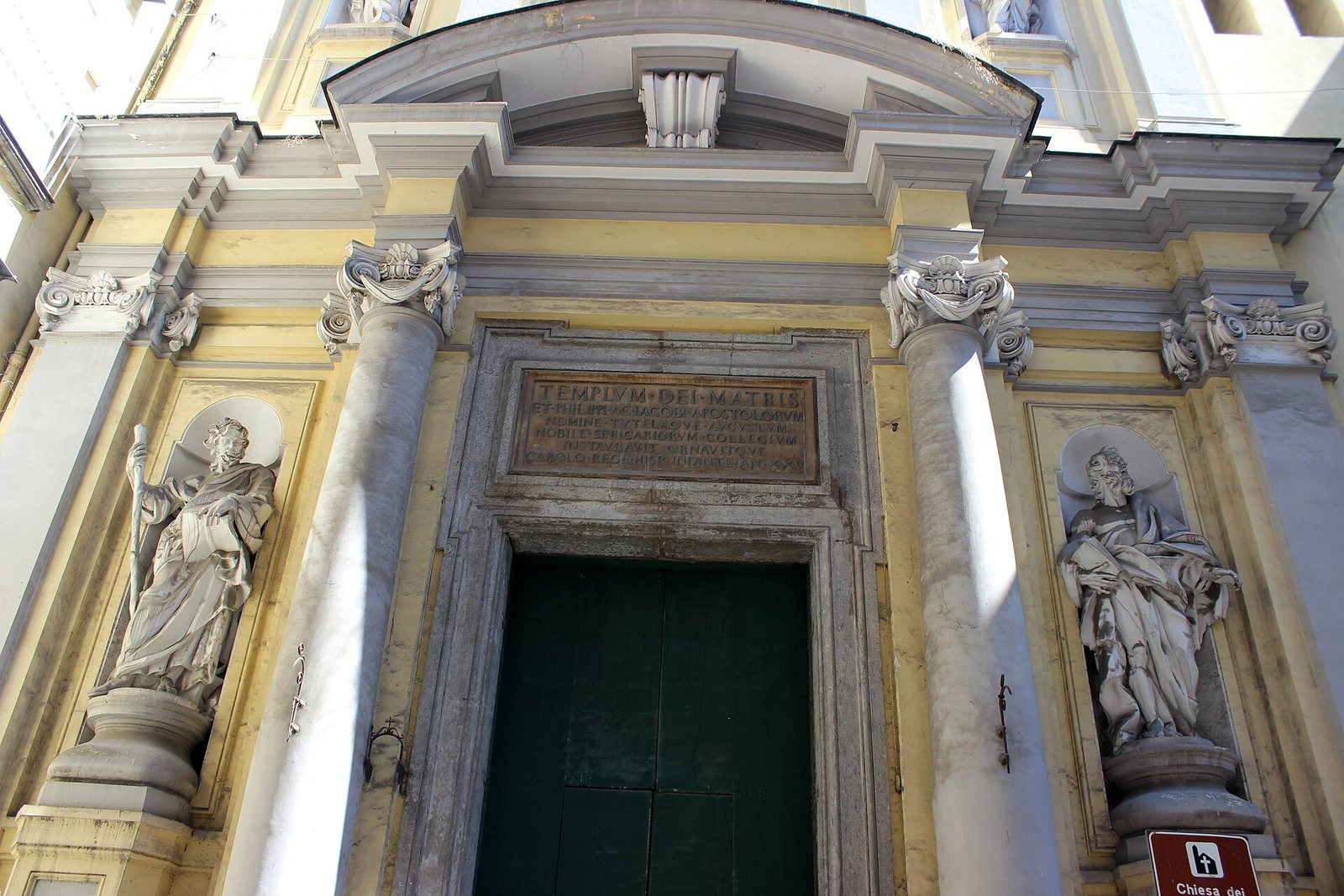
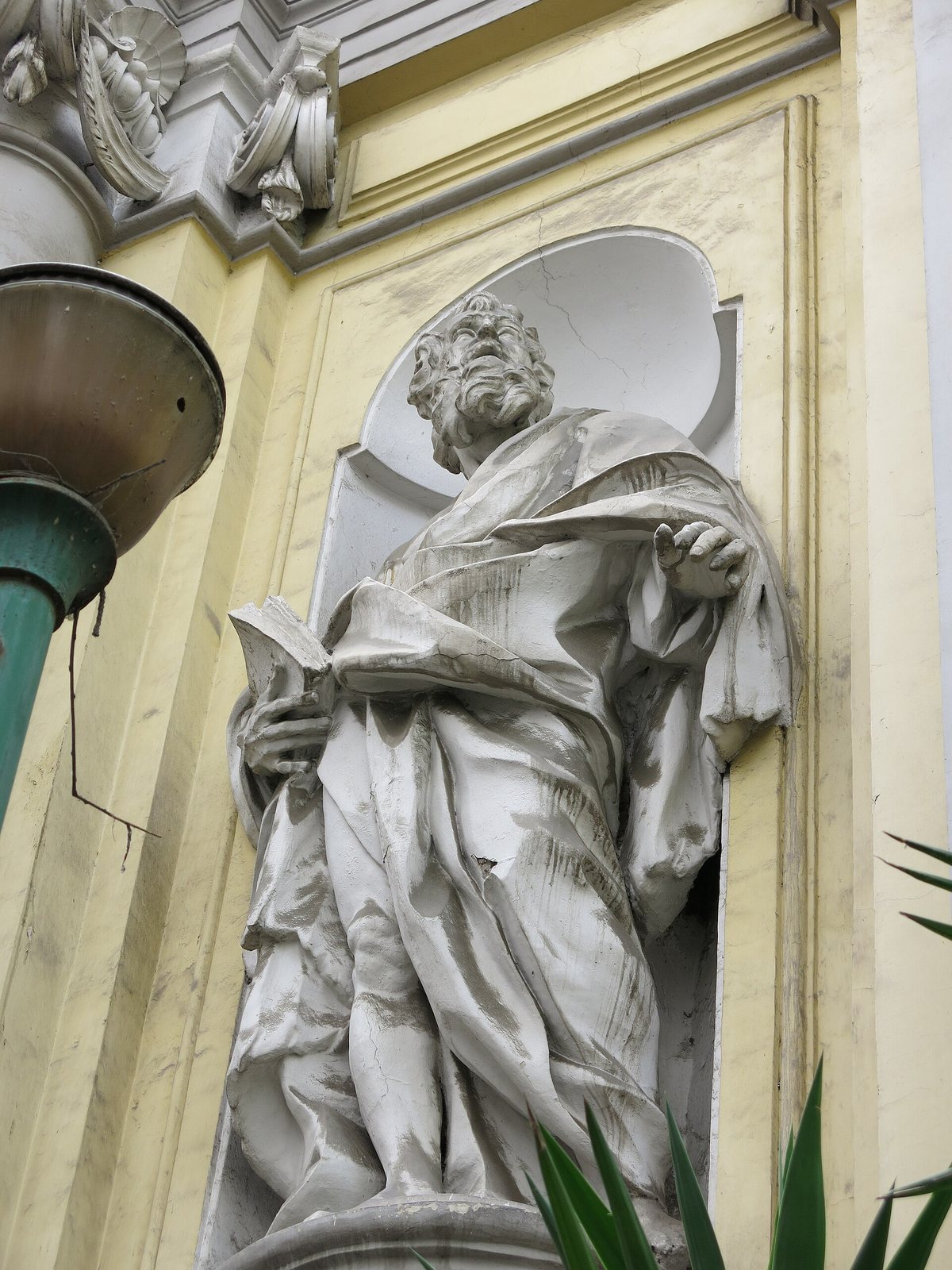
The façade is set back from the street and has a concave-convex outline, a form compared with the work of Baroque architect Francesco Borromini. Its two levels contain niches with sculptures. Giuseppe Sanmartino made the lower statues of Saints Philip and James, while the upper niches hold figures of Religion and Faith by Giuseppe Picano, Sanmartino’s pupil.
Interior
The church’s arrangement reflects Counter-Reformation principles, shaped by the Catholic Church’s response to the Protestant Reformation and its influence on religious practice and church design.
Painted decoration
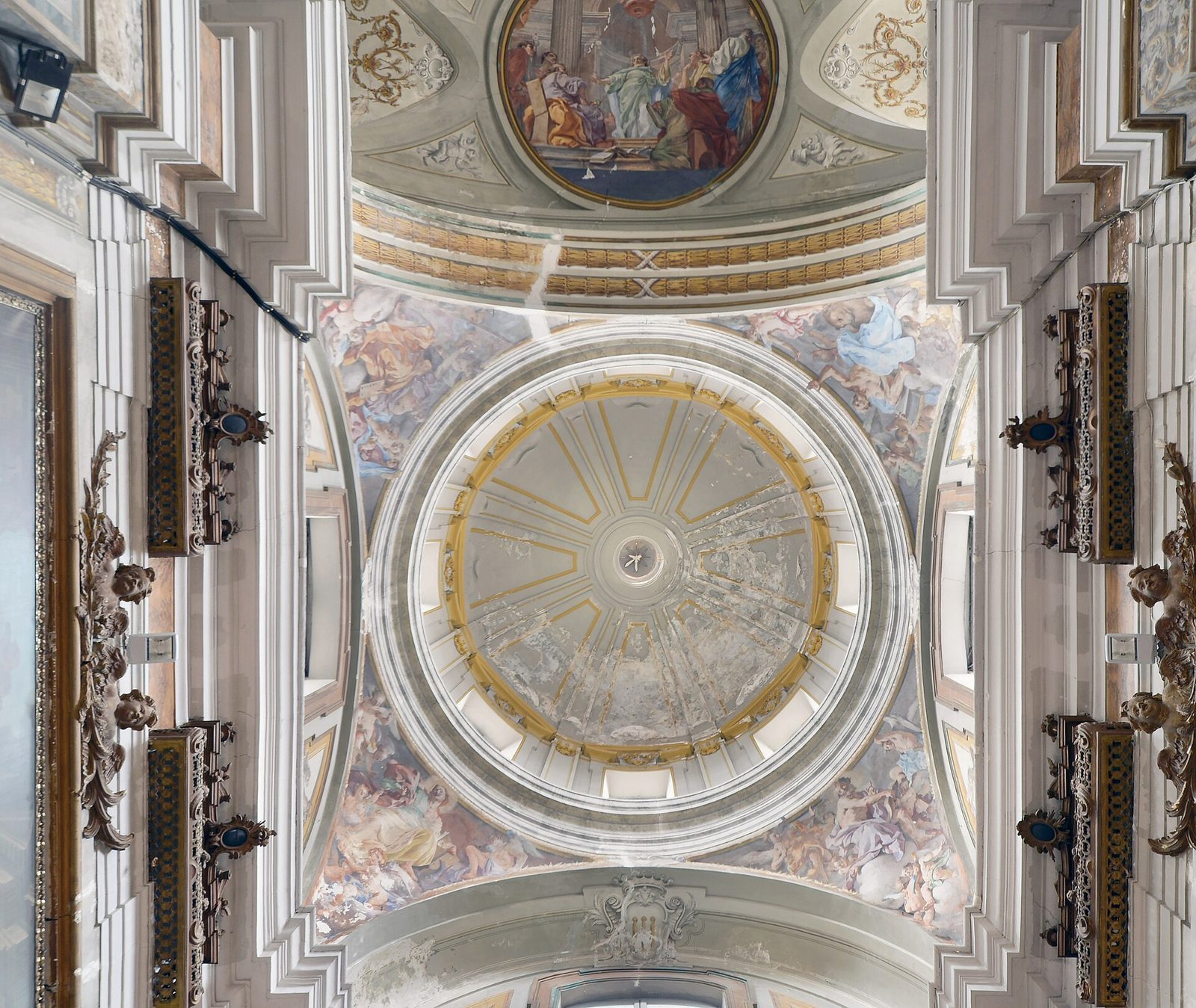
Alessio d’Elia painted work in the choir loft. Jacopo Cestaro’s decoration in the nave centers on the Assumption of the Virgin. Cestaro is also credited with frescoes in the choir, nave, and on the walls, including Evangelists on the dome and Saints Philip and James in the altar area.
Floor and entrance fittings
A decorated glazed-earthenware floor made by Donato Massa in 1738 covers the nave, with the Silk Guild’s emblem at its centre. Beside the entrance are two holy-water stoups by Giacomo Massotti, considered rare examples of Neapolitan Rococo work. Massotti also made the balustrade.
Side chapels and adjoining rooms
Wooden sculptures are kept in the side chapels. The sacristy, a room for clergy and church furnishings, and the storage rooms contain an eighteenth-century wooden altar designed to create a perspective effect, as well as a carved bishop’s throne decorated with the Silk Guild’s symbols.