Shinmeizuka Kofun: An Early Kofun-Period Burial Mound in Japan
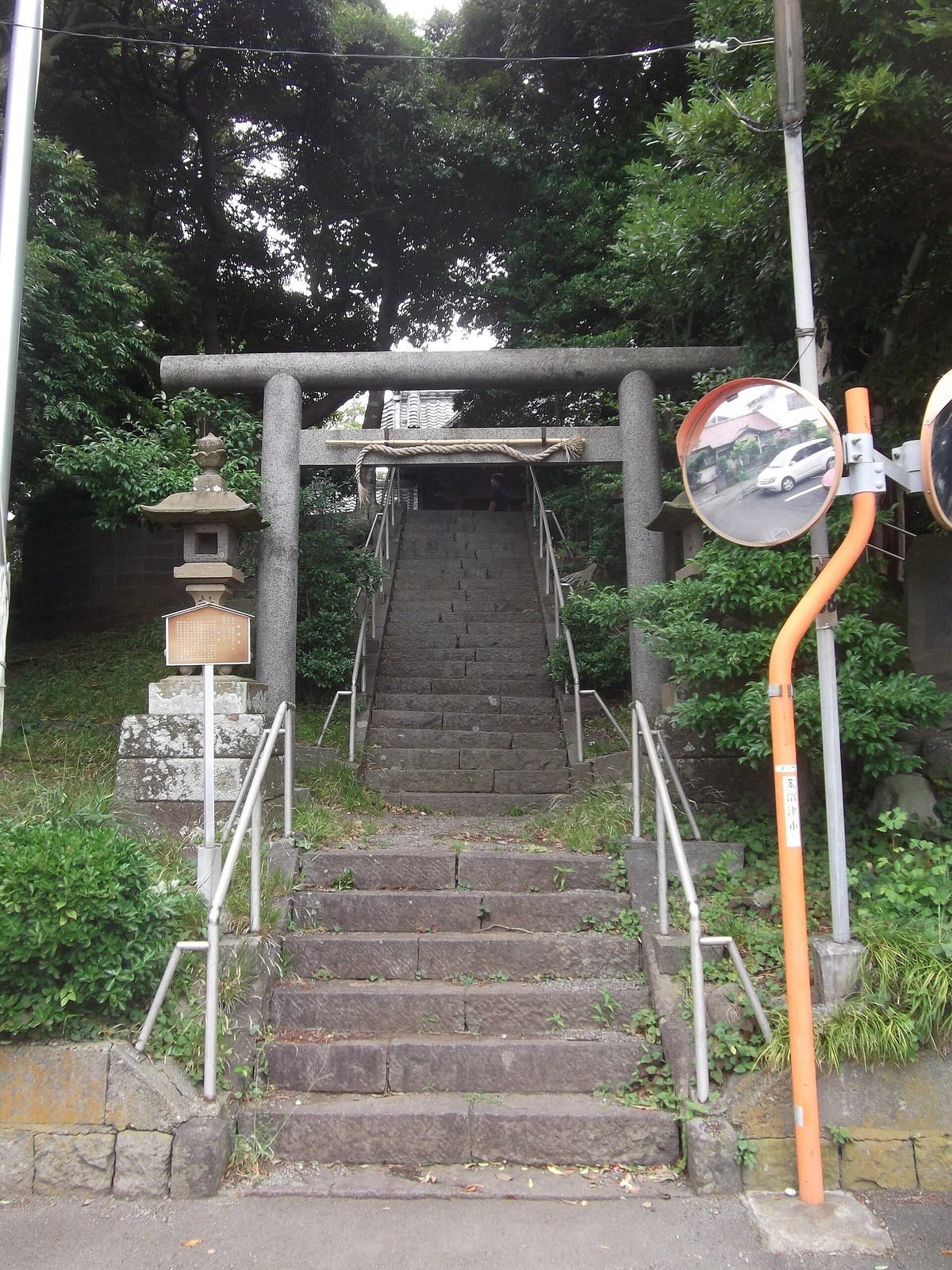
Site at a Glance
- Popularity
- Very Low
- Country
- Japan
- Primary era
- Classical
- Eras represented
- Classical, Modern
- Civilizations
- Japanese
- Site type
- Burial
- Remains
- Burial Mound
On this page6 sections
History
Dating and investigation
Shinmeizuka Kofun is a Japanese burial mound in Numazu, Shizuoka Prefecture, dated to around the fourth century, in the early Kofun period, an archaeological era named for Japan’s burial mounds. A 1948 survey confirmed that the mound has a keyhole-shaped outline. In 1982, an investigation by the Numazu City Board of Education initially assigned it to the latter part of the middle Kofun period. A further investigation in 2003 revised the estimate to the early Kofun period, drawing on a pottery find and the proportions of the mound’s front and circular sections.
Preservation and local use
Erosion carried gravel and sand away from the mound. The Matsunaga neighborhood association added earth and built a concrete retaining wall around the circular rear section, but erosion continued. In April 1981, the association asked the city’s education board to preserve and improve the site. The board surveyed the mound that year and excavated trenches in July and August 1982 to determine its extent. The name Shinmeizuka comes from the Shinmei shrine on the summit. The shrine and park to the east have served as local places for festivals and recreation.
Remains
Mound and landscape
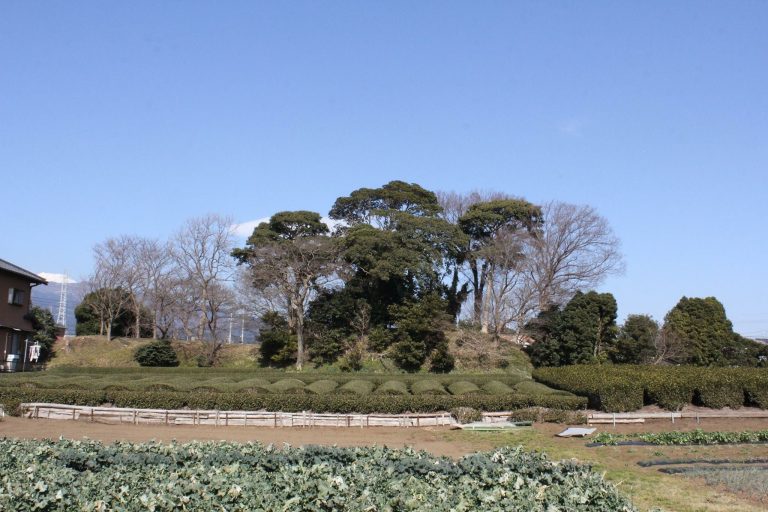
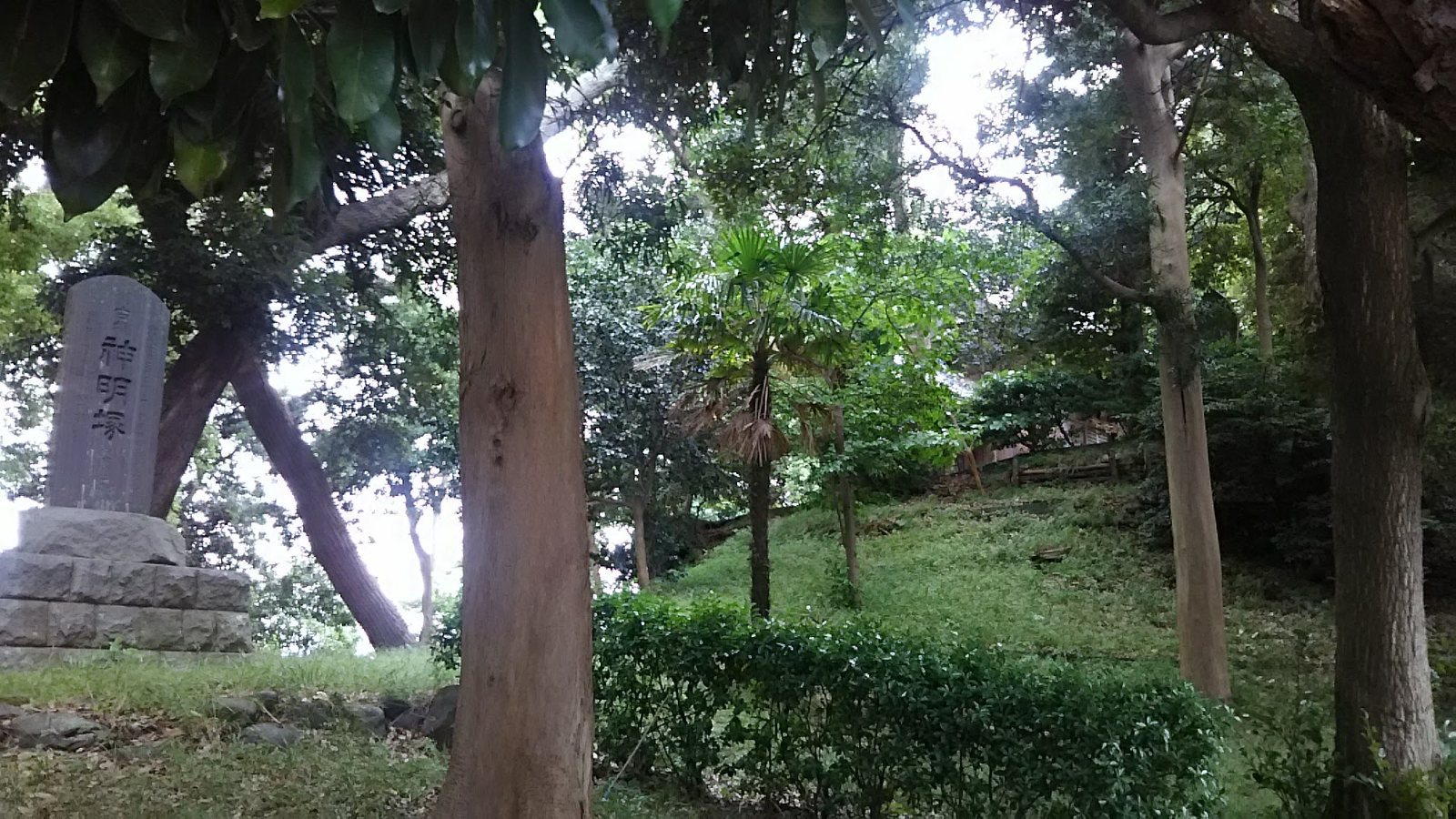
The mound measures about 52.5 metres in length and stands at an elevation of 6 metres. Its keyhole-shaped outline consists of a circular rear section, 37 metres in diameter, and a projecting front section, 23.5 metres wide. It lies on the Suzukawa and Senbon gravel bars, which extend from Tagonoura toward the mouth of the Kano River. More than ten other round burial mounds are found in the surrounding area, together known as the Matsunaga Kofun Group. Fine gravel and sand make up most of the mound. Added earth and a concrete retaining wall reinforce the circular rear section.
Shrine and finds
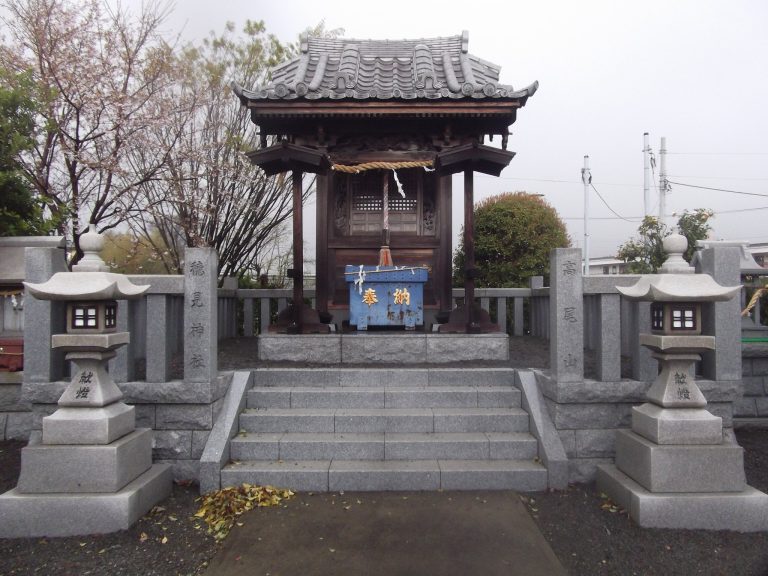
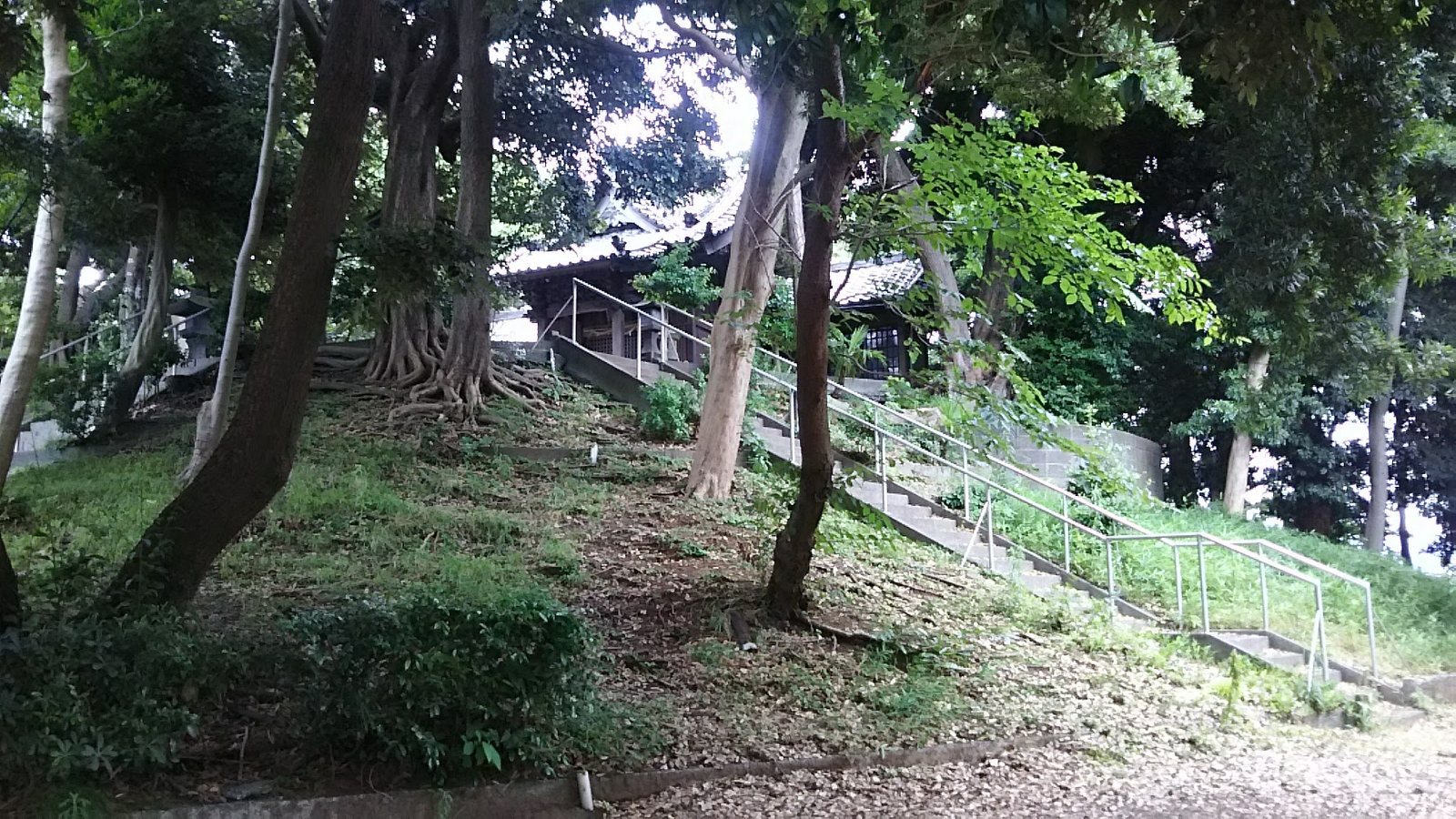
A Shinmei shrine, a type of Japanese shrine associated with worship of Amaterasu, the sun goddess, stands on the summit of the rear section. The grounds to the east form a park. Finds from the mound include a jar with an extra rim at its mouth and a hole through its base. These objects are kept and displayed at the Numazu City Cultural Property Center.