Huajramarca: A Pre-Inca Settlement in Peru
Site at a Glance
- Popularity
- Low
- Country
- Peru
- Primary era
- Medieval
- Eras represented
- Medieval
- Civilizations
- Wari
- Site type
- City
History
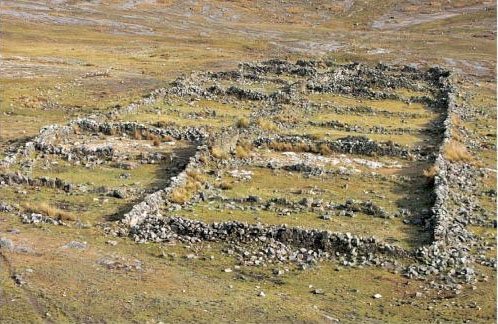
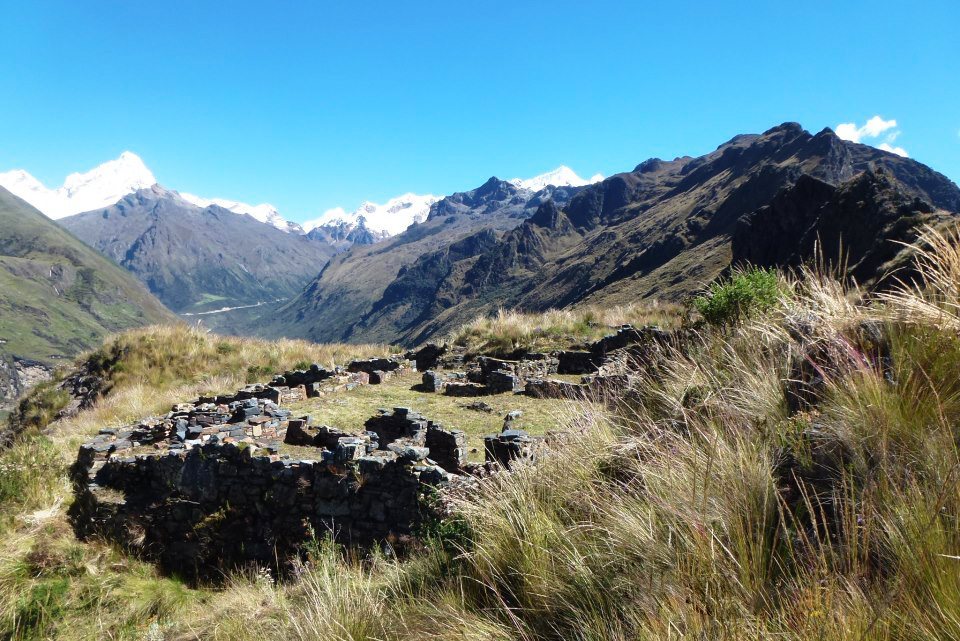
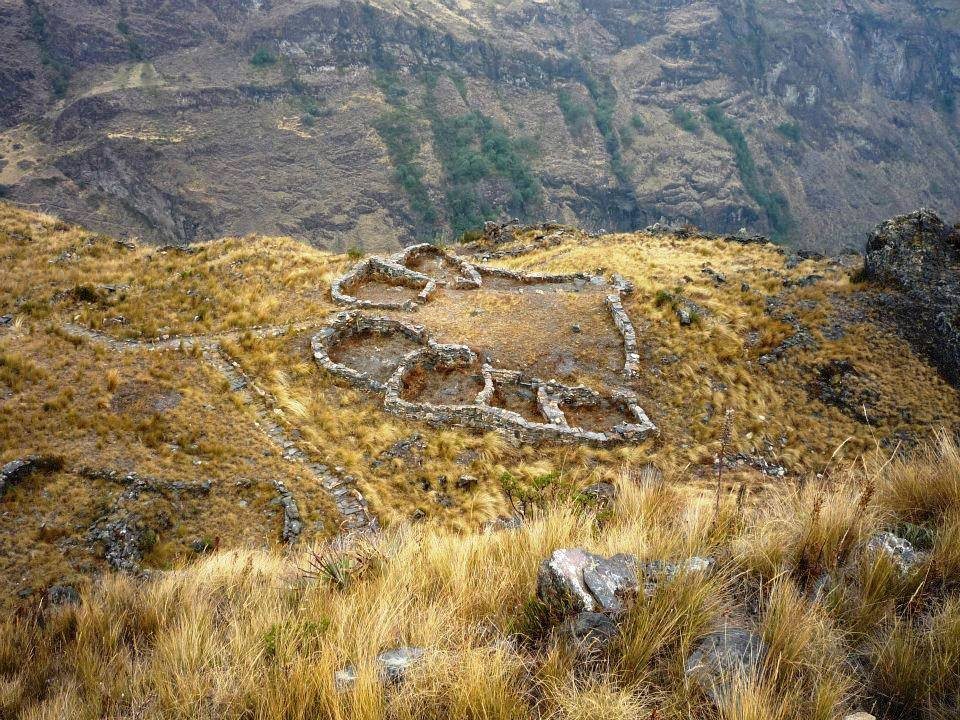
Huajramarca is an archaeological settlement on a mountain summit near Huallin in Peru’s Ancash Region. Occupied from about AD 1200, during the Late Intermediate Period, it belonged to a broad Andean era that followed the decline of the Wari Empire, a major pre-Inca state, and preceded Inca expansion. The settlement is associated with Wari culture, and its inhabitants are identified as members of the Huari ethnic group. Huacramarca, a variant of the site’s name, may derive from Quechua words meaning “horn” and “village.”
Huajramarca probably housed a substantial share of the camelid herders in the Potaca River valley. Camelids, including llamas and alpacas, were herded across the Andes. Unlike Huilcahuaín, which served as a political and religious center for the Callejón de Huaylas valley, the Chacas area had no equivalent center to unite its communities. Local groups remained separate, pursued different productive activities, and traded with other settlements. In the eastern Ancash highlands, communities sharing language, customs, and religion formed lordships, local polities governed by regional authorities. The lordship of Huari and those of Pincos, Piscobambas, Sihuas, and Conchucos together made up the Conchucos nation, a regional grouping rather than a modern state.
Huajramarca was abandoned around AD 1450. It is designated Cultural Heritage of the Nation and lies within Huascarán National Park.
Remains
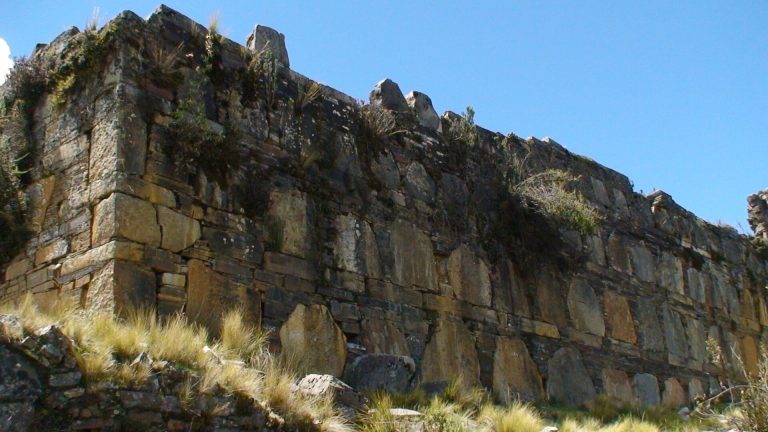
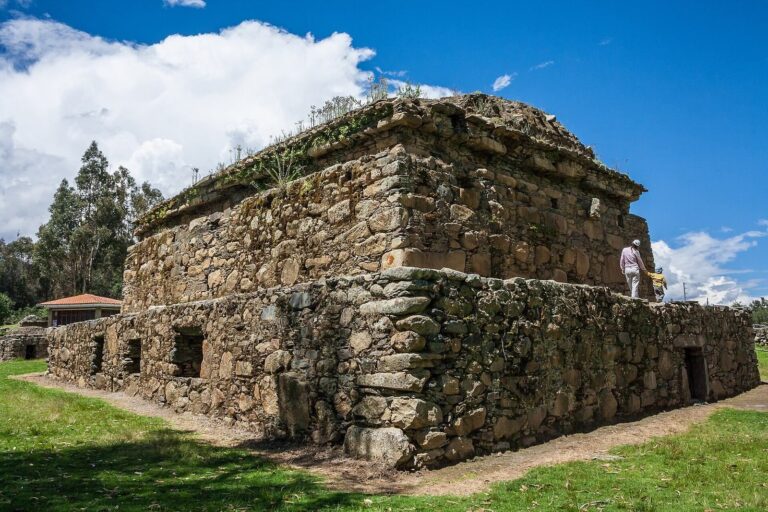
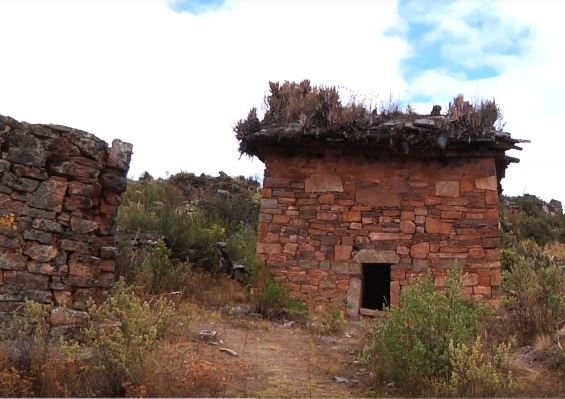
The settlement occupies the summit of a mountain overlooking the Potaca and Vesubio valleys. It lies in the Suni, a high-altitude Andean ecological zone. The site is described as being at about 4,000 metres above sea level, while the ruins are also given an elevation of 4,150 metres. Its listed dimensions are 50 metres long and 30 metres wide, with the remains reaching about 1.5 metres high.