Jellhaugen: A Burial Mound at Gjellestad, Norway
Site at a Glance
- Popularity
- Low
- Country
- Norway
- Primary era
- Medieval
- Eras represented
- Medieval
- Civilizations
- Unclassified
- Site type
- Burial
- Remains
- Burial Mound
On this page8 sections
History
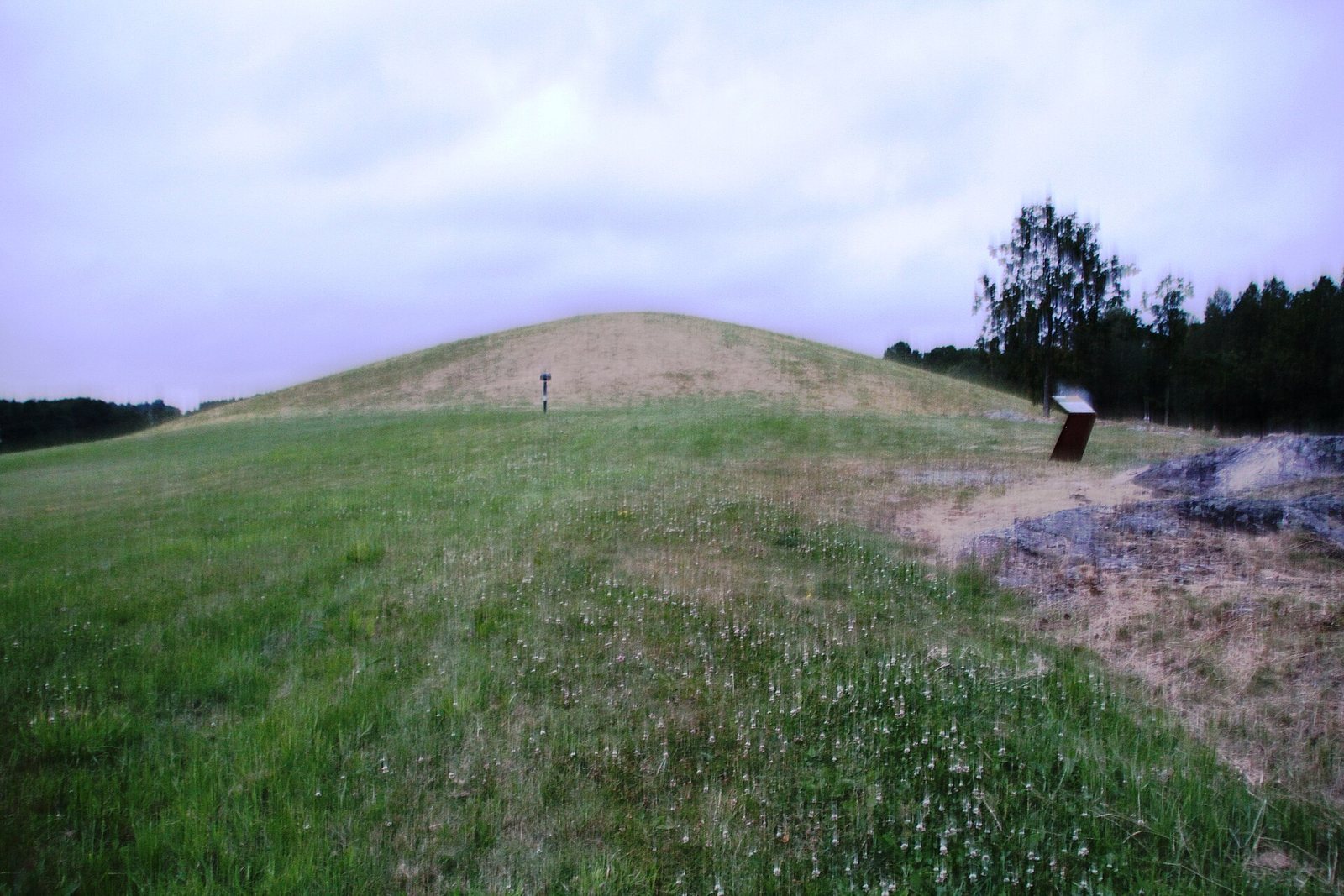
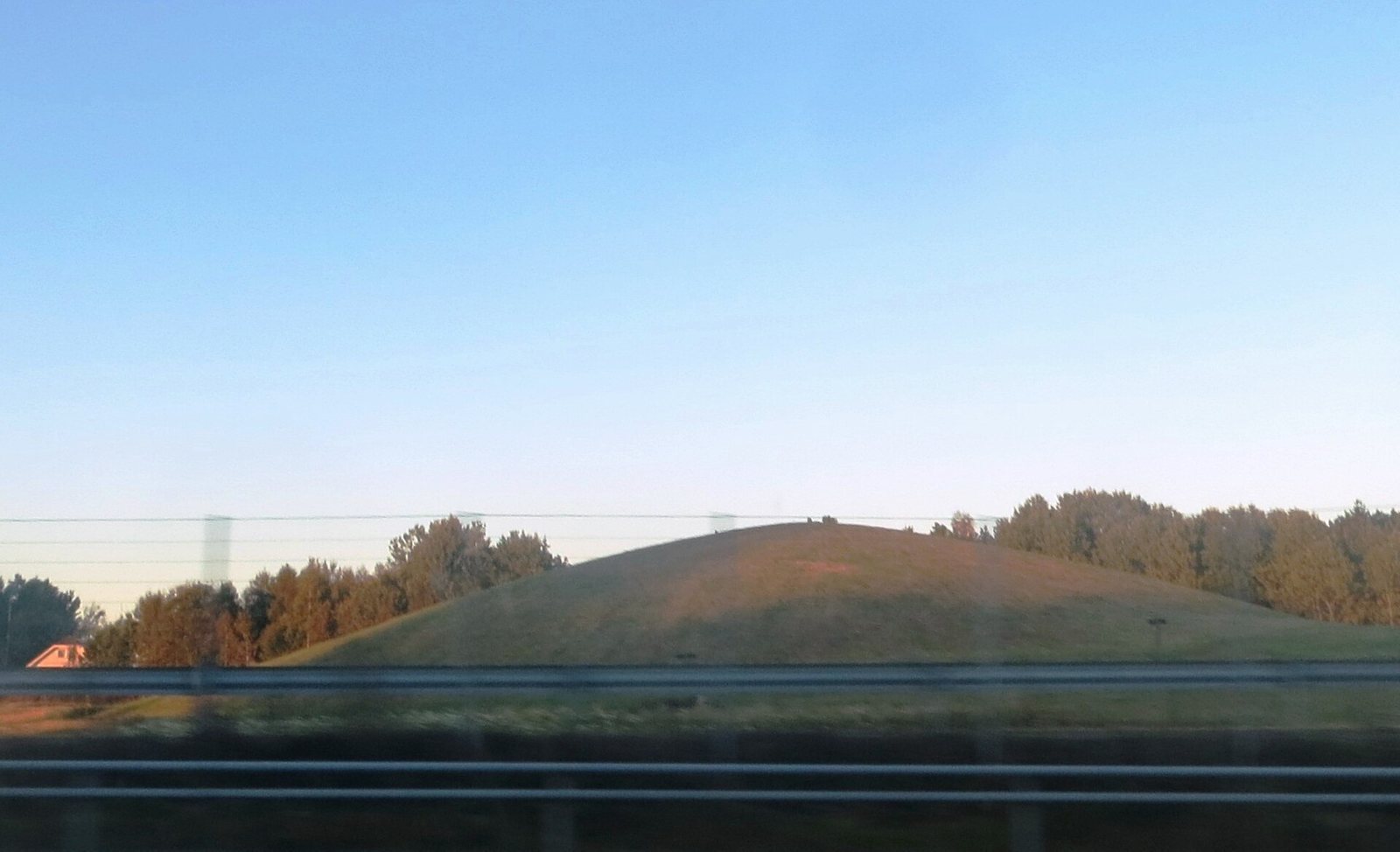
Jellhaugen is an oval burial mound at Gjellestad, near Halden in Norway. Its central cremation burial dates to AD 426–598, around the transition between the Migration Period and the Merovingian Period, successive phases of early medieval Scandinavian history. The archaeological landscape has been interpreted as an Iron Age central place for burial and ritual activity.
The burial and local tradition
Local legend says that the mound covers a King Jell and his ship. King Jell is a figure of tradition rather than a securely established historical ruler. Excavation instead revealed a cremation burial, showing that Jellhaugen is not a Viking Age mound.
Evidence that the burial had been robbed dates to AD 692–896. The dates of the cremation and the later disturbance place these events in distinct periods.
Archaeological investigations
In 1968 and 1969, Norwegian archaeologist Erling Johansen dug a test trench toward the mound’s center. The trench exposed the cremation burial and provided material for its radiocarbon dating.
On 15 October 2018, the Norwegian Institute for Cultural Heritage Research announced that ground-penetrating radar surveys immediately north of Jellhaugen had revealed a ship burial and other archaeological features. Surveys continued in 2018 and 2019 to assess the ship and prepare for excavation. Work on the Gjellestad ship began on 26 June 2020 and ended in 2021. Analysis of finds, soil sieving, and digital reconstruction continued afterward.
Remains
The burial landscape includes Jellhaugen on the otherwise flat Viksletta and archaeological remains beneath cultivated land immediately to its north. The mound is built from turf and topsoil; radar surveys in the northern area revealed the outline of a ship burial, other burial mounds, and longhouses.
Jellhaugen
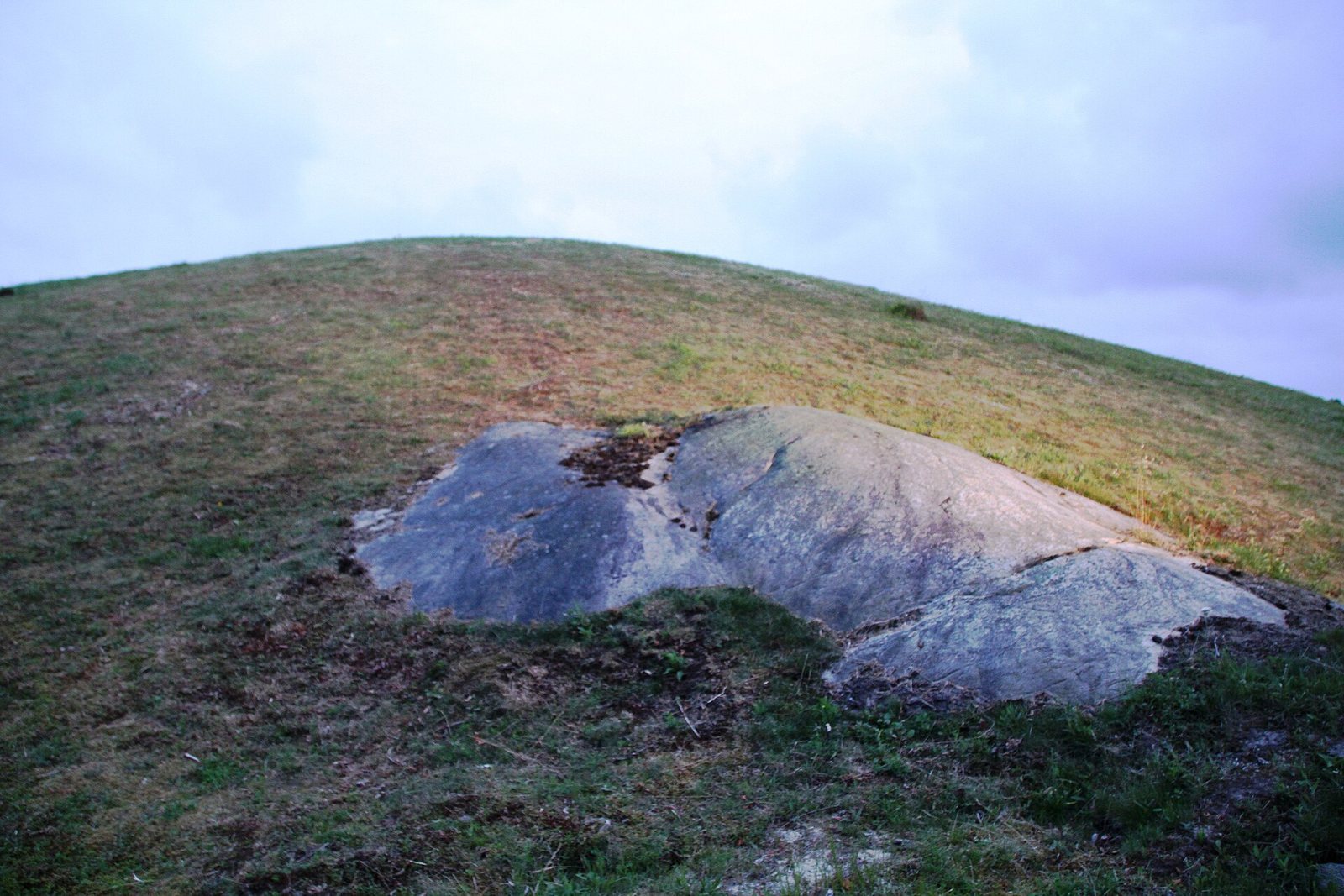
Jellhaugen measures about 85 by 70 metres and rises approximately 9 metres. Johansen estimated its volume at around 20,000 cubic metres and calculated that its construction required at least about 100 person-years of labour. At the center, the test trench exposed a stone cairn, a pile of stones, containing traces of cremation burial and an amber bead.
Burial landscape north of Jellhaugen
Gjellestad ship burial
The ship lies beneath cultivated land in a burial mound flattened by ploughing. Its remains are about 0.4 to 2 metres below the surface. The surviving outline is approximately 20 metres long and sits centrally within a ship-burial trench. A bow probably lost through ploughing would bring the vessel’s estimated original length to 23–24 metres. A small section of the keel excavated in 2019 dates to around AD 793.
The vessel appears to have been a longship designed for rowing, though it may also have carried a sail. Radar images indicate that the keel and some lower parts of the ship’s structure survived. Ploughing may have damaged the wood, while other timber may have decayed; surviving metal nails could help researchers map the hull’s shape.
Other remains
Radar surveys also revealed traces of several other burial mounds that were later levelled, together with several longhouses in the area north of Jellhaugen.