San Giovanni Battista: A Baroque Parish Church in Cervo
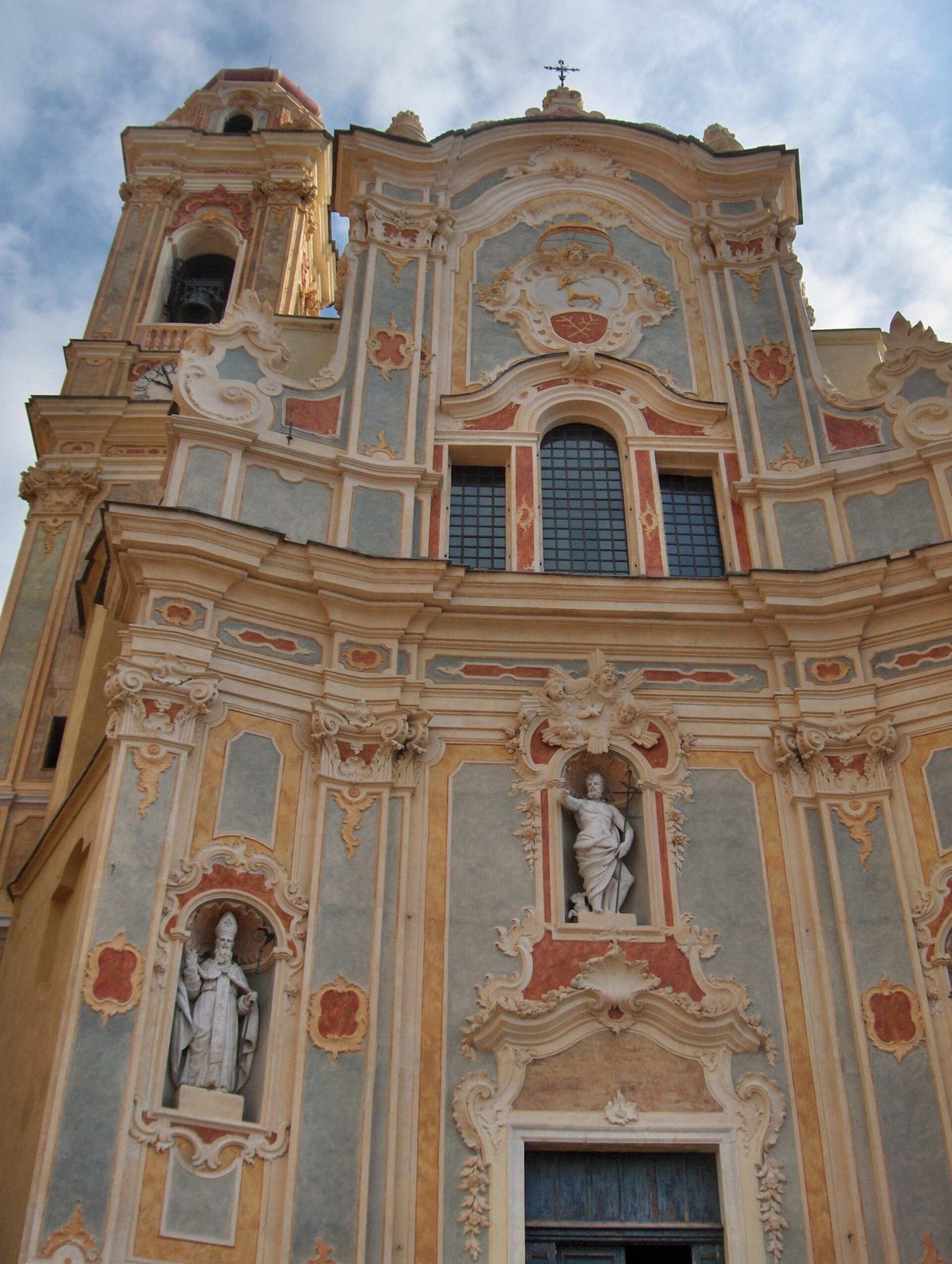
Site at a Glance
- Popularity
- Medium
- Country
- Italy
- Primary era
- Early Modern
- Eras represented
- Medieval, Early Modern, Modern
- Civilizations
- Genoese, Italian, Kingdom of Sardinia
- Site type
- Religious
- Remains
- Church
On this page11 sections
History
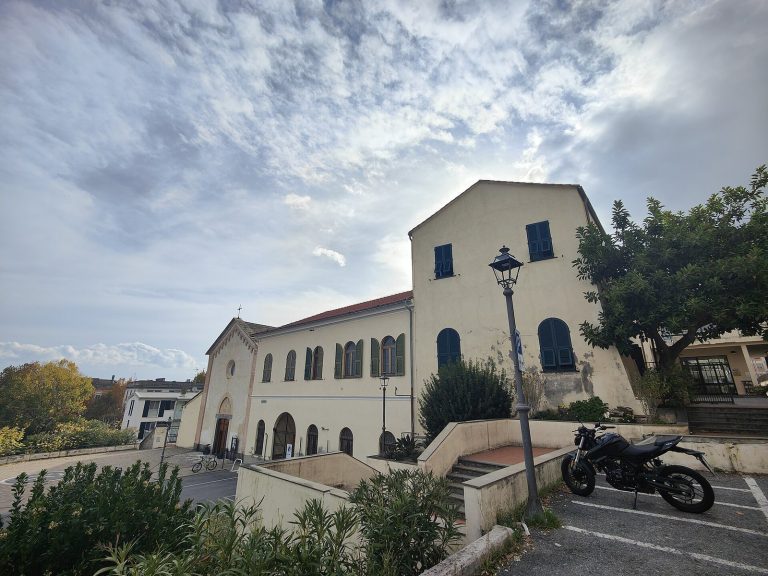
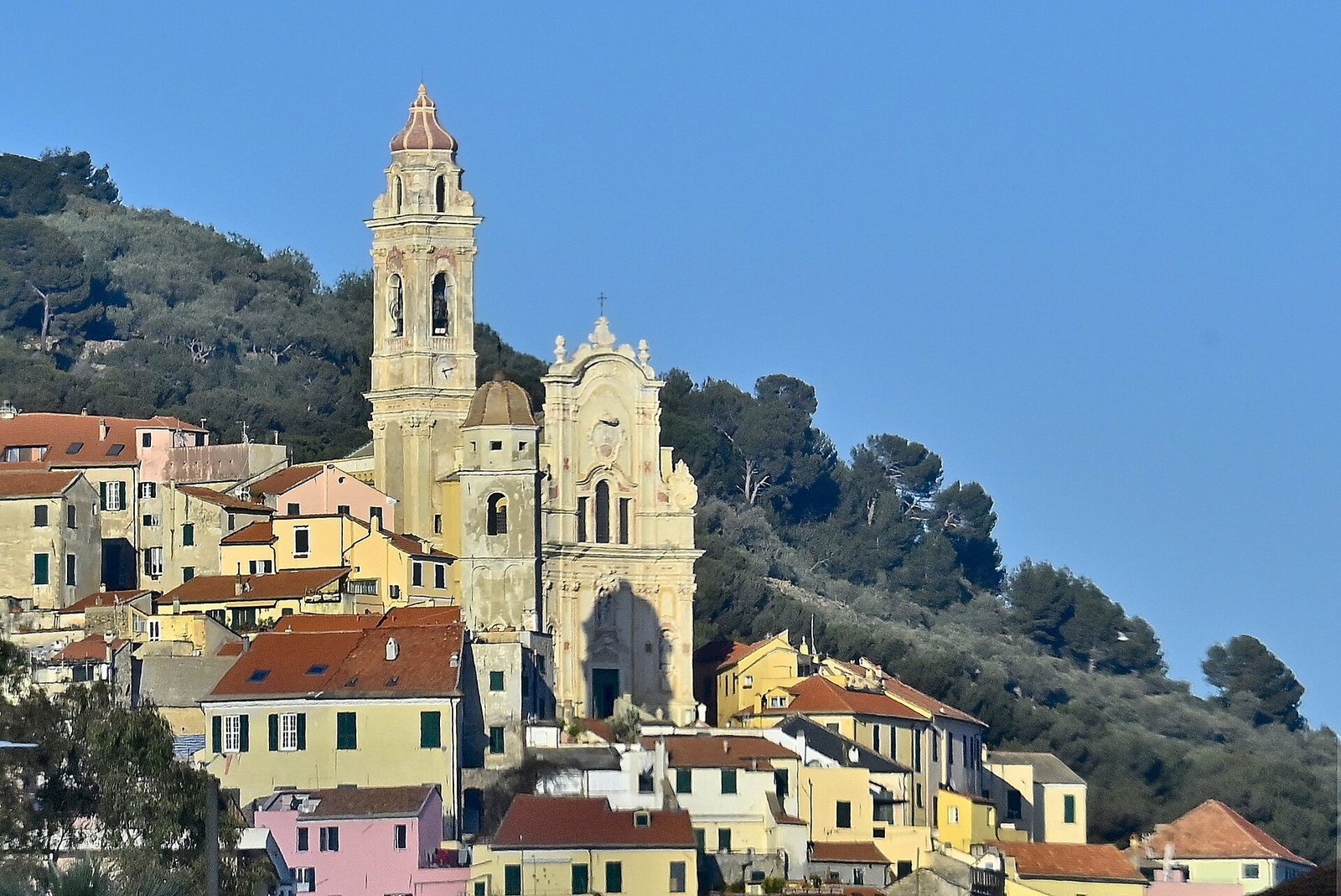
San Giovanni Battista is a Roman Catholic church in Cervo, Italy, built in the Baroque style, a European artistic and architectural tradition associated with the seventeenth and eighteenth centuries and known for elaborate decoration. Dedicated to John the Baptist, the New Testament figure who baptized Jesus, it is regarded as one of the major Baroque monuments of the western Riviera. The church serves as the seat of its namesake parish within the Vicariate of Diano Marina, an administrative subdivision of the Diocese of Albenga-Imperia, a church jurisdiction led by a bishop. Locally, it is also called the ‘church of the coral fishers’, recalling how proceeds from coral fishing helped fund its construction.
Construction and consecration
The building project was entrusted to an architect in 1686. After his death in 1706, his son took over the work and brought the church to completion around 1722, though finishing work continued. Bishop Camillo De Mari of Aleria consecrated it on 29 July 1736.
Later additions and damage
A forecourt and entrance staircase were added in 1748, followed by decorative work and stuccoes from 1757 to 1763. The 1887 earthquake at Diano Marina damaged both the church and Cervo. In 1937, the last side altar was added; residents had asked that it honor the Assumption, the Catholic belief that Mary was taken into heaven, but their proposal was not adopted.
Remains
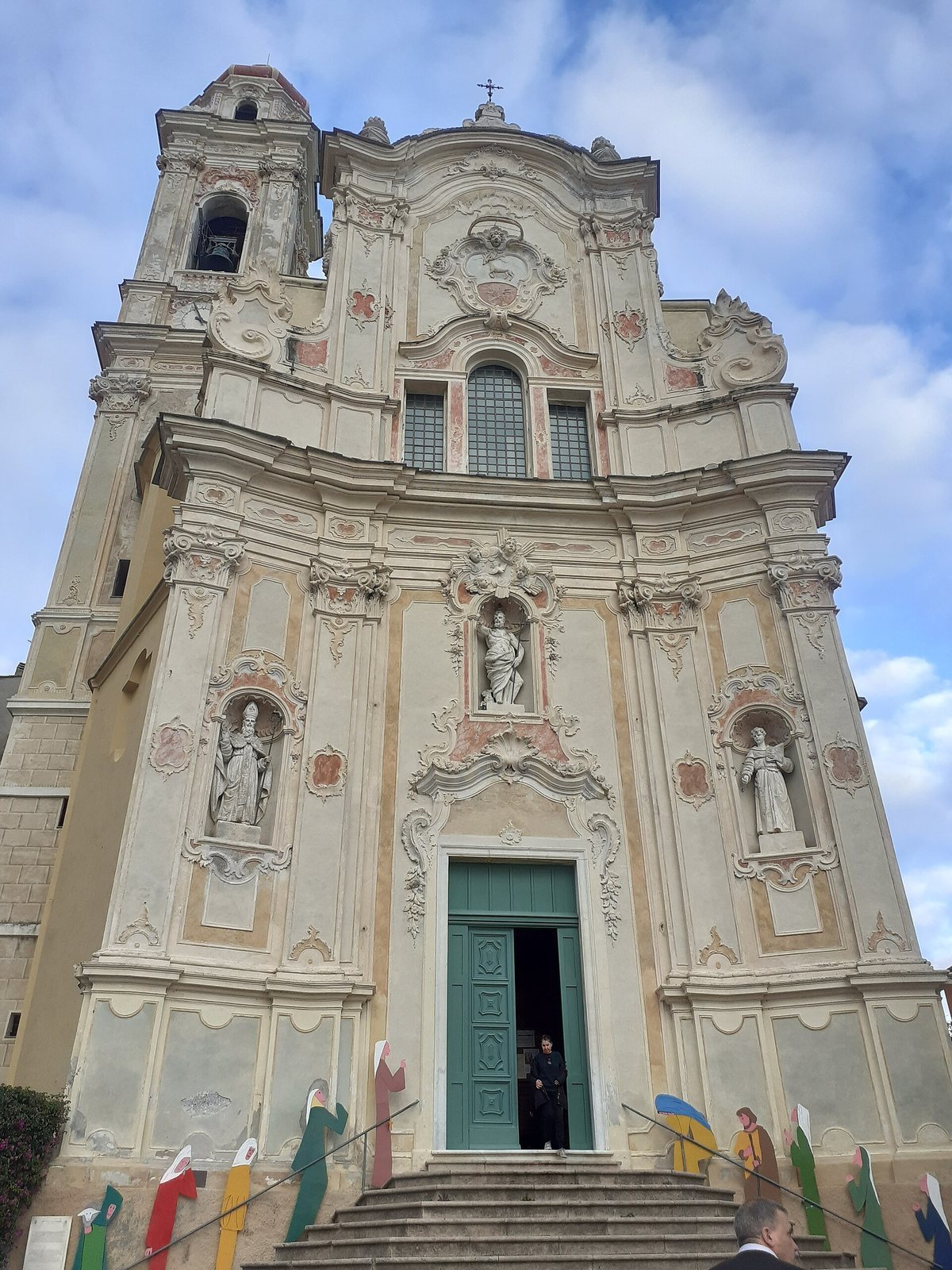
The Baroque church has a single nave lined with numerous side altars and chapels. A forecourt and entrance staircase stand before its decorated facade, and the church also has a bell tower.
Exterior and plan
Michele Mazzetti decorated the facade in 1768. The bell tower was erected in 1771. Together with the forecourt and staircase, these features form the church’s exterior setting.
Nave altars
Altars on the right
The first altar on the right is dedicated to St Nicholas of Tolentino, an Augustinian friar. Its canvas, by an unidentified painter, depicts him as a miracle-worker. The next altar, dedicated to the Souls in Purgatory, reflects a Catholic devotion involving prayers for the dead undergoing purification after death. Made in 1772 by Genoese sculptor Bernardo Gaggino, it has a large recess containing a seventeenth-century wooden group depicting John the Baptist by Marcantonio Poggio, a statue of the Madonna of the Rosary, and a statue of the Immaculate by Anton Maria Maragliano.
Further altars
The altar of St Anthony of Padua, a Franciscan preacher, was made by Gaggino between 1763 and 1767. Its image of the saint, by an unidentified sculptor, is attributed to the eighteenth-century Genoese school. The following altar, dedicated to the Madonna of the Rosary, was made by marble worker Carlo Antonio Rippa of Loano. It holds a Madonna and Child by the sculptor Ratto, a Genoese work from the first half of the seventeenth century.
At the head of the nave, Antonio Pittaluga’s high altar was installed in 1759. Above it is a wooden crucifix attributed to Anton Maria Maragliano or his workshop. Pittaluga also made the altar of St Erasmus, which holds a large painting of the Virgin of Succour with St Erasmus, an early Christian bishop and martyr, and St Clare, founder of the Poor Clares. Gio Lorenzo Bertolotto painted the work in 1736. The altar of St Joseph was made by Gaggino between 1779 and 1783. The last side altar is dedicated to the Immaculate Conception, the Catholic belief that Mary was preserved from original sin from the moment of her conception.
Furnishings and painted decoration
Furnishings and organ
A sixteenth-century white-marble preaching stand has carved panels showing St George, a Christian martyr, and John the Baptist, with a Pieta, depicting Mary mourning Christ, on its front. The container for the holy oils dates to the fifteenth century, while the baptismal font is from the seventeenth. Father Agostino Torrelli made the organ in 1735; Carlo Giuliani restored and enlarged it in 1844.
Ceiling paintings
The arched ceiling over the apse, the rounded end of the church, bears paintings by Francesco Carrega. Graffigna of Genoa painted the other vaulted ceilings.