Hvidovre Church: A Romanesque Parish Church in Denmark
Site at a Glance
- Popularity
- Very Low
- Country
- Denmark
- Primary era
- Medieval
- Eras represented
- Medieval, Early Modern, Modern
- Civilizations
- Danish
- Site type
- Religious
- Remains
- Church
On this page11 sections
History
Hvidovre Church is a Romanesque church in Hvidovre, Denmark, built around 1150 in a medieval style characterized by rounded arches and substantial masonry. It is among the oldest churches in Greater Copenhagen and is the oldest building in Hvidovre Municipality.
Medieval growth and wartime damage
Around 1155, the church’s chancel was demolished as the building was enlarged at both ends. During the Swedish Wars of 1658–59, a series of conflicts between Denmark and Sweden that included fighting in the Second Northern War, the church was looted and used as a stable. Its roof was taken for fortifications, and part of the building was dismantled for Swedish military structures. The church was rebuilt in 1660.
Later additions and changes
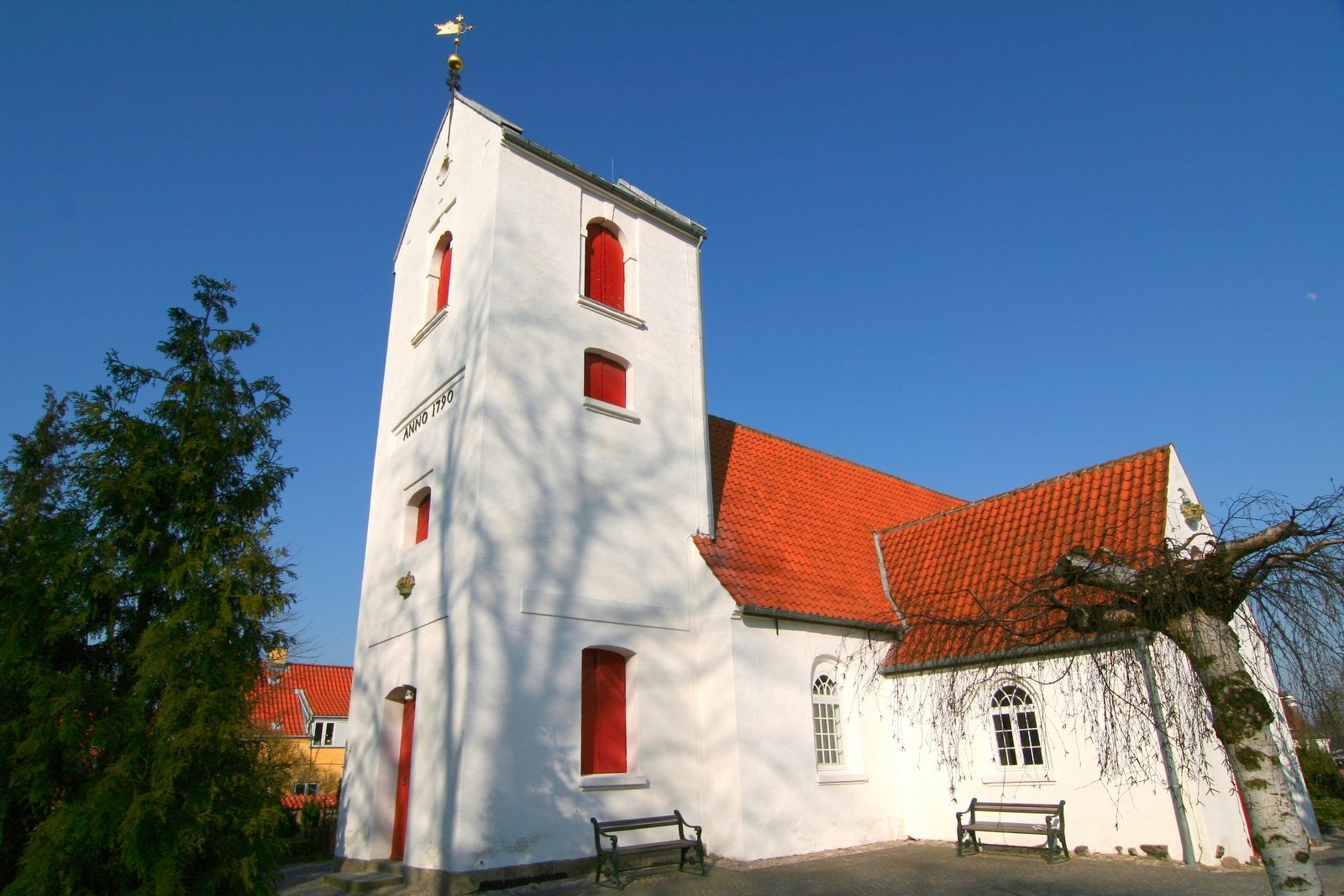
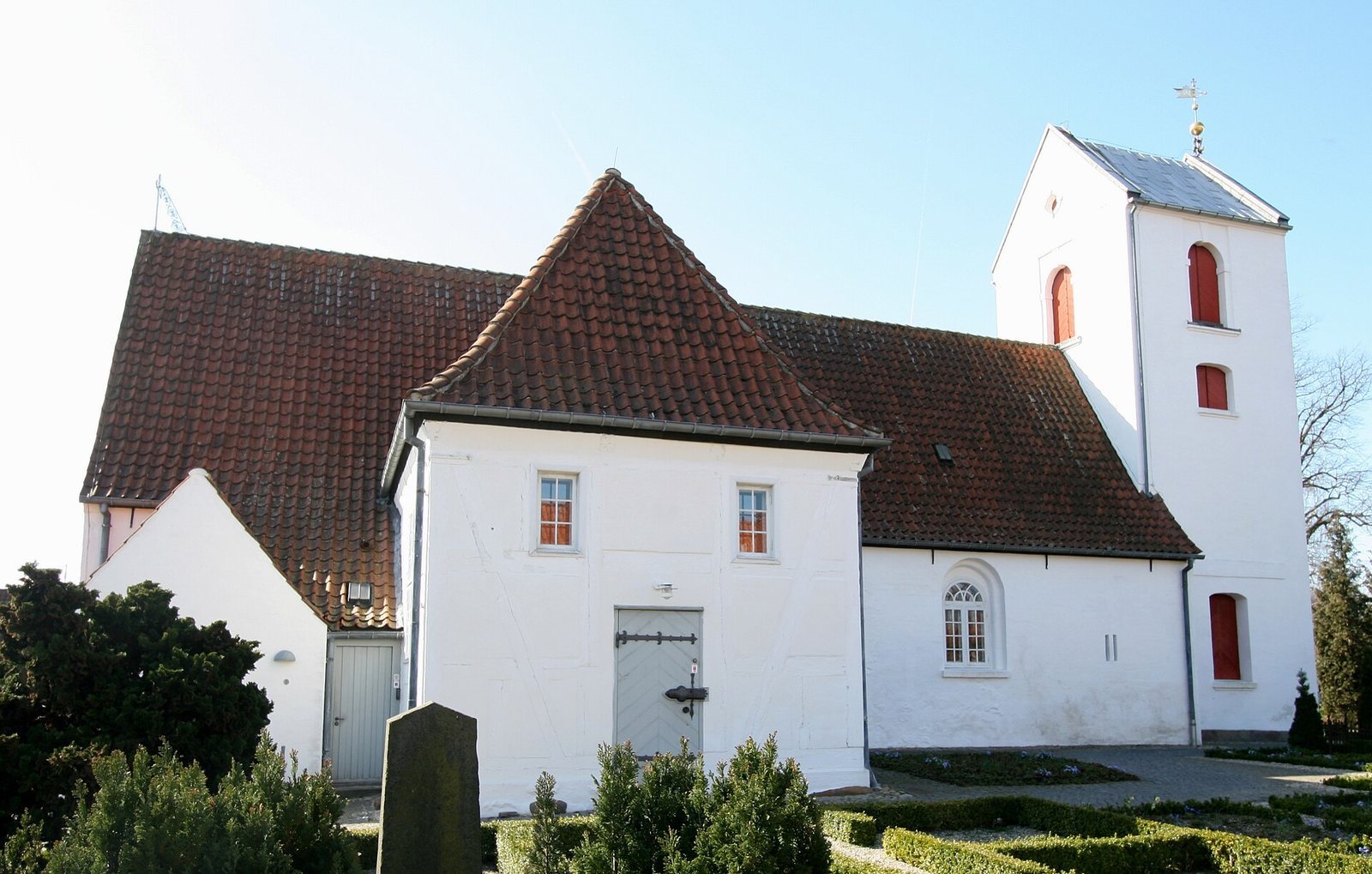
In 1675, a timber-framed side nave, known as the Valby Nave, was added to create a more symmetrical arrangement. It was set aside for farmers from Valby, who were no longer permitted to attend Copenhagen’s Church of Our Lady and did not wish to join Hvidovre’s congregation. The original timber-framed porch was replaced in 1763. The church’s present appearance dates largely from around 1790, when its steeple, which had three clocks, was removed.
After Copenhagen’s Western City Gate was demolished around 1857, its two sandstone crowns were installed on the church in 1886. A priest’s room was added on the west side of the Valby Nave in 1952. Hvidovre Church belongs to the Church of Denmark, Denmark’s Lutheran national church, and is part of Hvidovre Parish, the Hvidovre Pastoral District, the Rødovre-Hvidovre Deanery, and the Diocese of Helsingør.
Remains
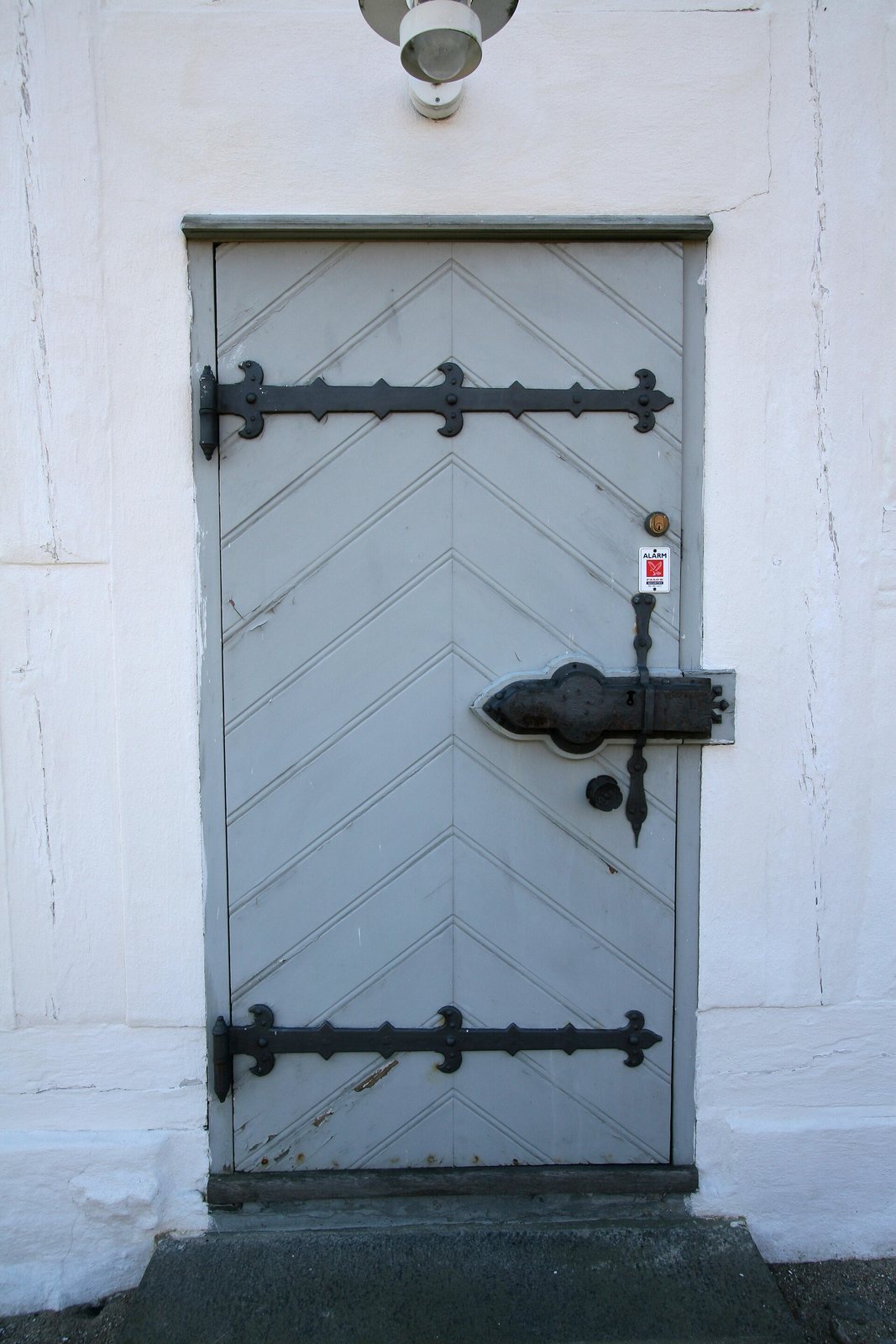
Set on Hvidovre Kirkeplads just west of Hvidovre Torv, the chalkstone church has a nave whose eastern section is its oldest part. The timber-framed Valby Nave extends along one side, with the priest’s room adjoining it to the west. The church has seating for 114.
Main church
Nave and side addition
The eastern end of the nave preserves the church’s oldest fabric. Alongside it, the timber-framed Valby Nave forms a distinct side section, while the priest’s room is attached at its western end.
Tower and entrance
Two painted sandstone crowns from Copenhagen’s former Western City Gate decorate the exterior. One is mounted on the tower, and the other sits above the porch entrance. The tower also carries a weather vane bearing the monogram of Frederick IV, king of Denmark and Norway from 1699 to 1730.
Interior furnishings
The Romanesque baptismal font is probably as old as the church. It spent more than a century at Denmark’s National Museum of cultural history. The church also has a Pietà, a sculpture of Mary holding the dead Christ, made by Hans Peder Pedersen-Dan. Its candlesticks are said to be on display at Stockholm’s Nordic Museum. A ship model called Freden, dated 1919, was donated by fisherman Rudolf Olsen to mark the end of the First World War.
Cemetery and chapel
Cemetery
A small cemetery surrounds the church. Its oldest surviving grave dates to around 1750, and just under 100 grave monuments are considered worthy of preservation.
Private chapel
A red-brick private chapel stands against the cemetery’s northern wall. It was built for a Hvidovre farmer and his wife.