Mühlenbach Castle near Koblenz: A Medieval Water Castle
Site at a Glance
- Rating
- 2
- Popularity
- Very Low
- Country
- Germany
- Primary era
- Medieval
- External website
- Open
- Eras represented
- Medieval
- Civilizations
- Holy Roman Empire
- Site type
- Military
- Remains
- Castle
On this page5 sections
History
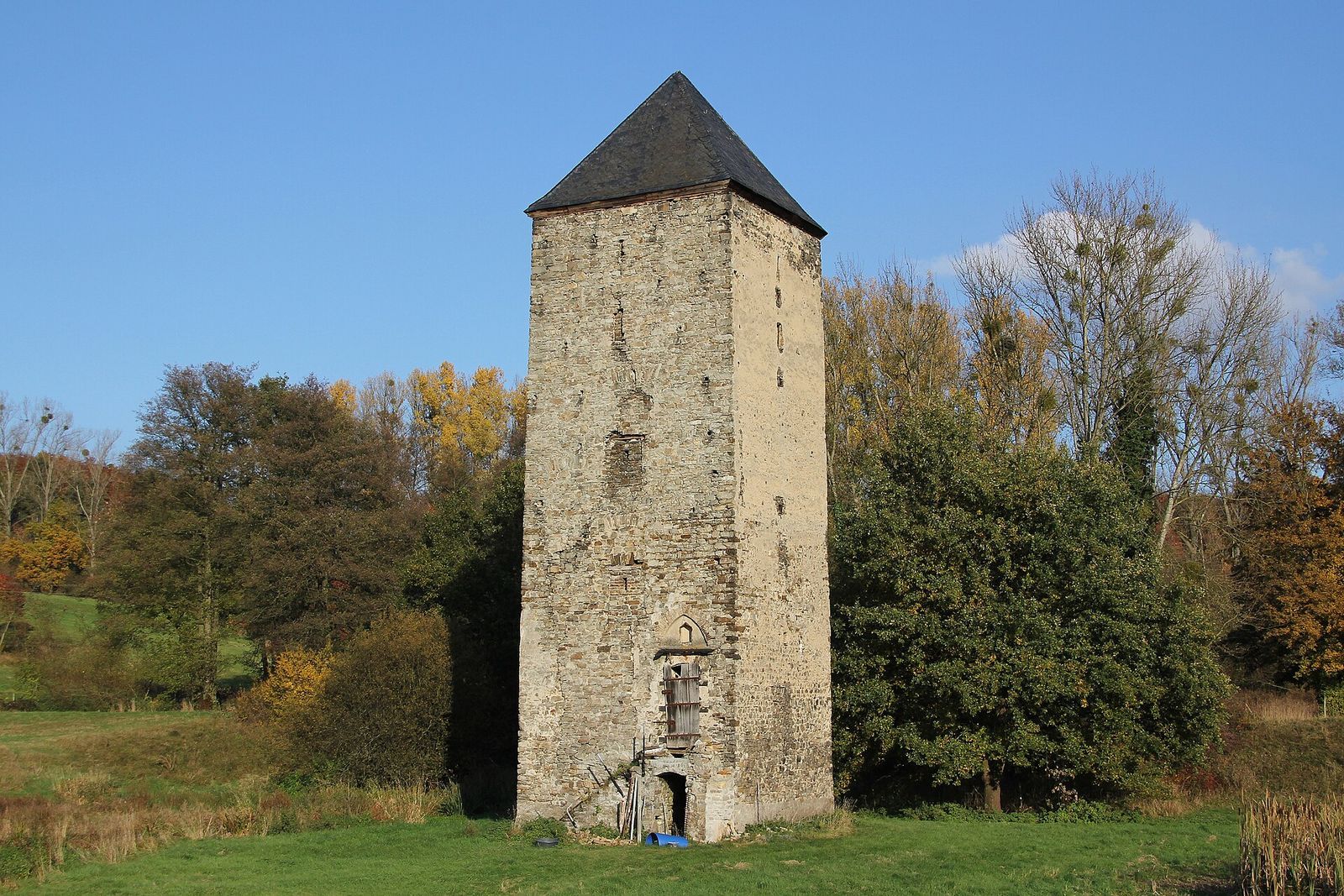
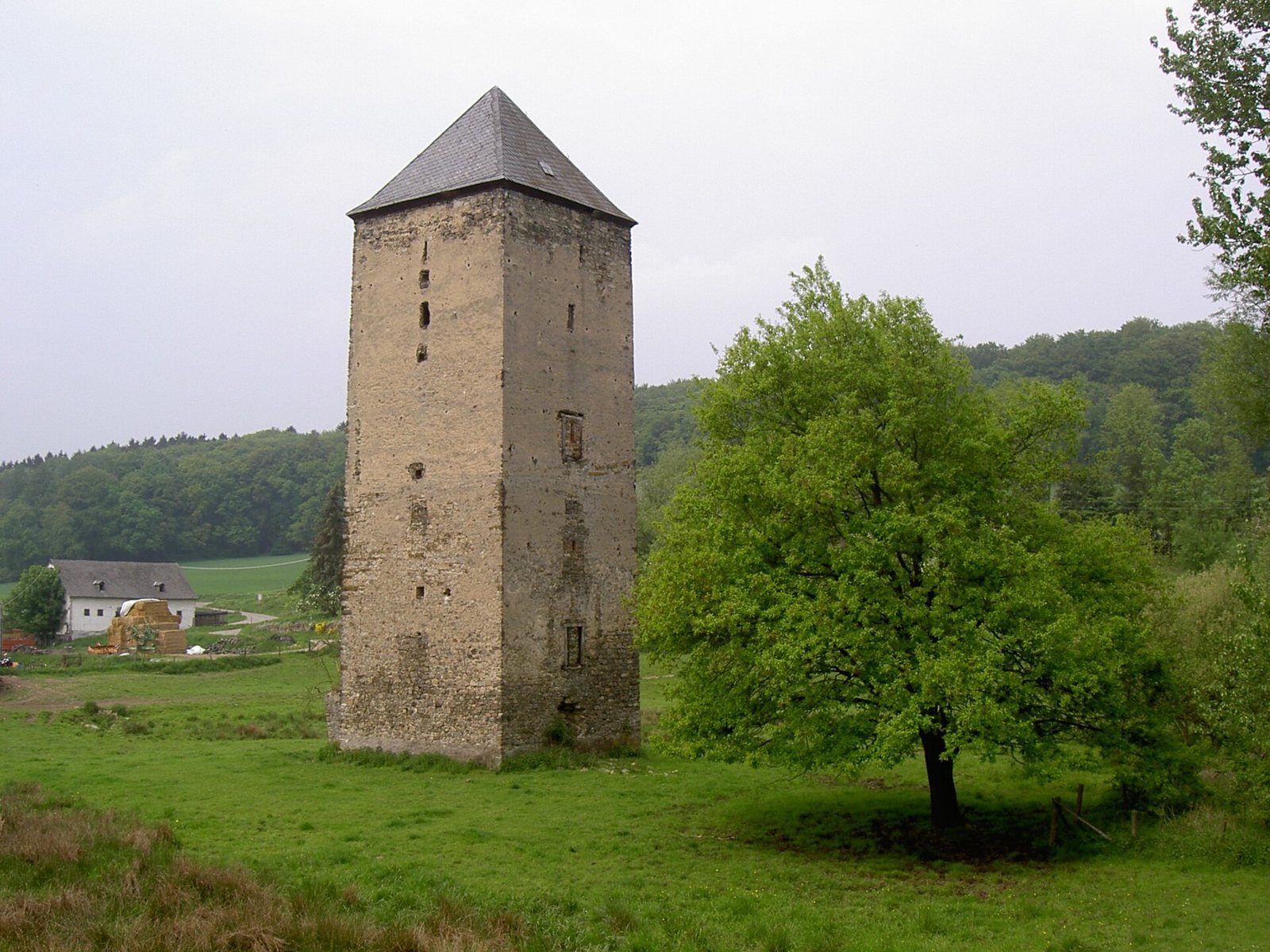
Mühlenbach Castle was a medieval water castle near Arenberg in Koblenz, Germany, built around 1300 by Hermann II of Helfenstein at the headwaters of the Mühlenbach. It was held from Herford Abbey as a fief, land granted in return for obligations. Hermann belonged to the ministerials, a service-based elite who served a lord. The Helfenstein family also held its ancestral castle below Ehrenbreitstein Castle, within the Electorate of Trier, an ecclesiastical principality ruled by the archbishop of Trier, and Sporkenburg near Eitelborn. Their lordship included Arenberg, Immendorf, and several mills along the Mühlenbach.
Shared ownership and inheritance
During the 14th century, the castle became a jointly held property shared by the Helfenstein and Brandenburg families. In 1445, the Brandenburgs sold their share to Johann of Helfenstein for 2,000 gulden. After the Helfenstein family died out in 1579, the castle passed to Otto of Rolshausen, who had married Wilhelma, a daughter of the last Helfenstein. Prolonged inheritance disputes led to the division of the Mühlenbach lordship in 1626. One share went to Otto’s son-in-law Stephan of Wrede; the other went to Otto Niklas of Stein-Kallenfels, husband of the last Helfenstein’s daughter Christine Katharina.
The castle was destroyed during the Thirty Years’ War (1618–1648), a major conflict fought across central Europe, and later rebuilt. The Stein-Kallenfels share passed through inheritance and marriage to Johann Wilhelm of Hunolstein in 1628, and later to the Heddesdorf family. In 1692, French forces destroyed the castle complex during the War of the Palatine Succession (1688–1697), a European conflict in which France fought a coalition of powers. The Wrede family bought the other share in 1715, bringing the whole lordship under its control, and sold it in the early 19th century.
Later use and protection
In the early 20th century, the surviving main tower was used to store grain. It is protected as a cultural monument under Rhineland-Palatinate law and is listed as a state monument. Since 2002, the site has also formed part of the Upper Middle Rhine Valley UNESCO World Heritage property, a designation recognizing places considered to have outstanding universal value.
Remains
Tower and defensive enclosure
The castle occupied a lowland site in the Arenberg settlement area, southeast of the settlement and near Mühlenbacher Hof. Its only above-ground remnant is a five-storey, square main tower, 23.5 metres high and built from greywacke rubble stone. A tent roof tops the structure. Several narrow slit windows and patches of medieval plaster survive. On the south side, a staircase rises to a first-floor doorway set within a pointed-arched recess. Fireplace remains and window niches indicate that the tower also served as a residence. The tower probably stood inside a rectangular curtain wall, with a small round tower at each corner. A ditch surrounded the complex and may have held water, since several streams met in the valley hollow.