Château de Beauregard (Chablais): A Medieval Castle and Watchtower
Site at a Glance
- Popularity
- Medium
- Country
- France
- Primary era
- Medieval
- Eras represented
- Medieval
- Civilizations
- Holy Roman Empire
- Site type
- Military
- Remains
- Castle
On this page4 sections
History
A watchtower of the County of Geneva
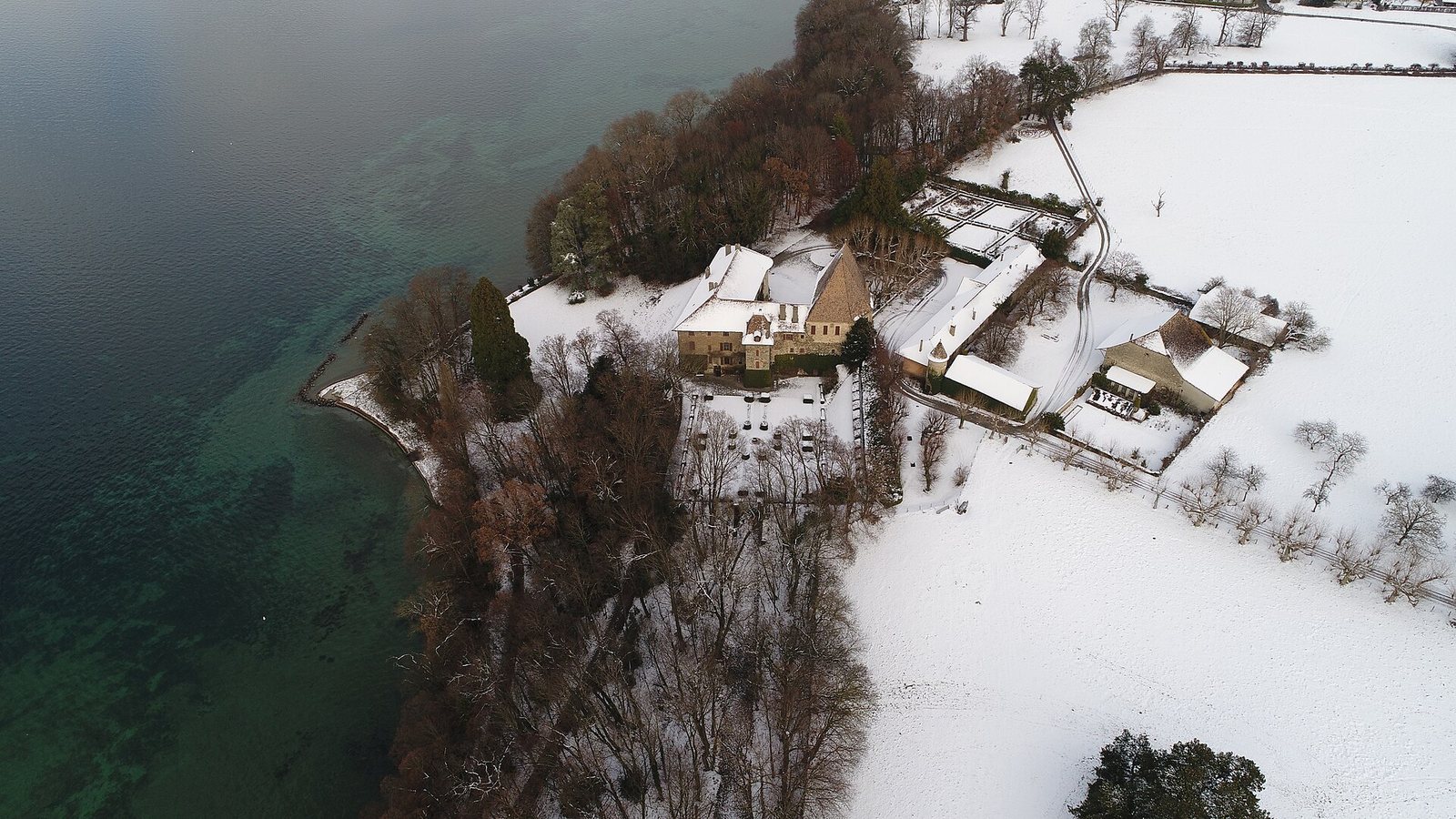
Château de Beauregard (Chablais) is a castle on the French shore of Lake Geneva, on the left bank of the Hermance. Construction began in 1250, when it served as a watchtower for the County of Geneva, a medieval territorial power distinct from the County of Savoy. It faced Savoyard lands in the Chablais, the historic region around Lake Geneva, particularly those around Thonon.
The castle was the seat of a castellany, an administrative district governed from a castle, linked with Ballaison except for a change near the end of the fourteenth century. The Count of Geneva appointed its castellan, the official who administered the district, and gave him broad authority. After the district became part of the County of Savoy in 1401, the castellan instead held a fixed-term appointment and could be removed. His duties included administering the district, collecting tax revenues from the domain, and maintaining the castle. Amadeus VIII of Savoy, who later became Duke of Savoy, purchased the castle in 1402.
Later ownership and damage
The Bernese damaged the castle in 1536. On 8 November 1670, it became part of the estate of the Costa de Beauregard family, and the estate was made a marquisate in 1700. The castle suffered further damage in 1792 during the French Revolution, the political upheaval that began in France in 1789.
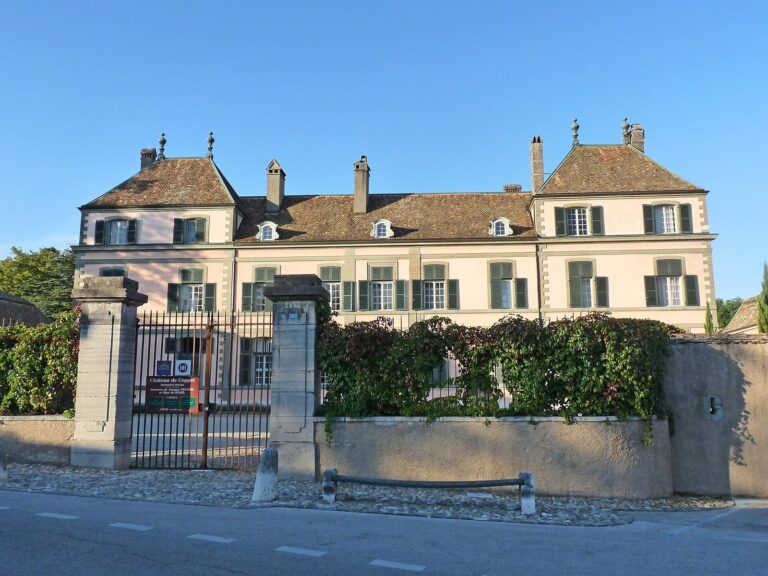
Today the castle is a private residence. Its façades and roofs were listed as a historic monument in 1964, and its park entered the cultural-heritage pre-inventory as a remarkable garden in 1991.
Remains
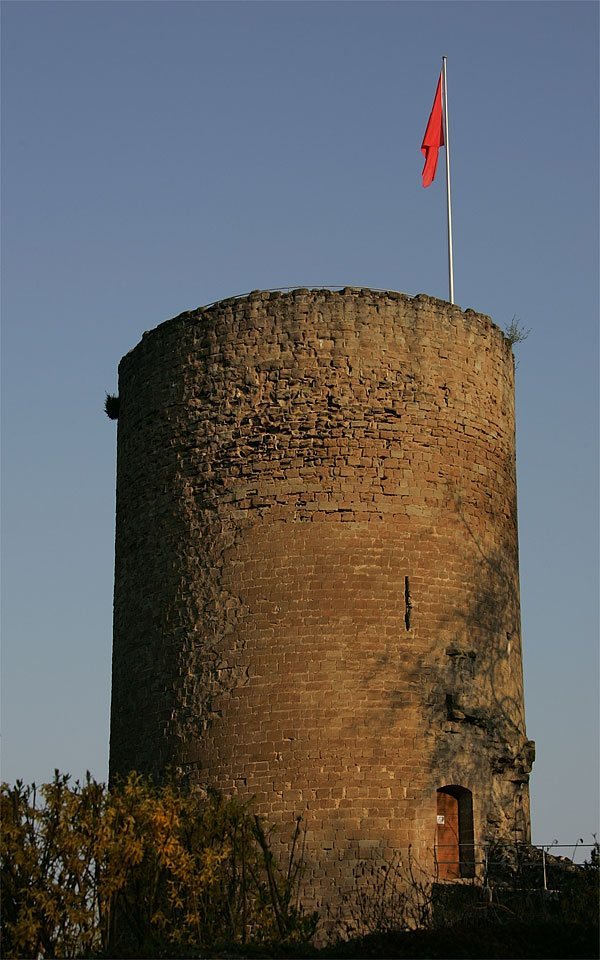
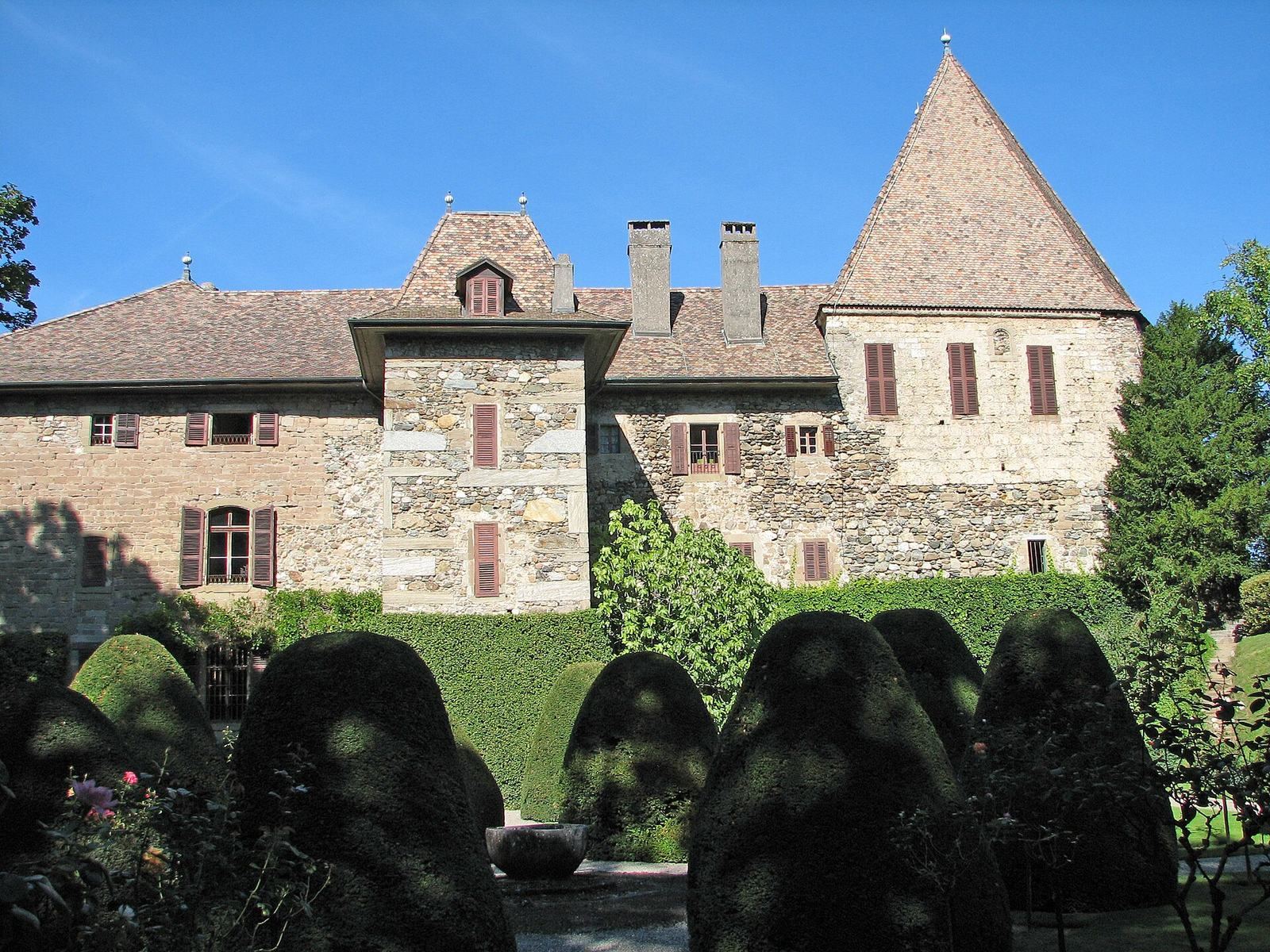
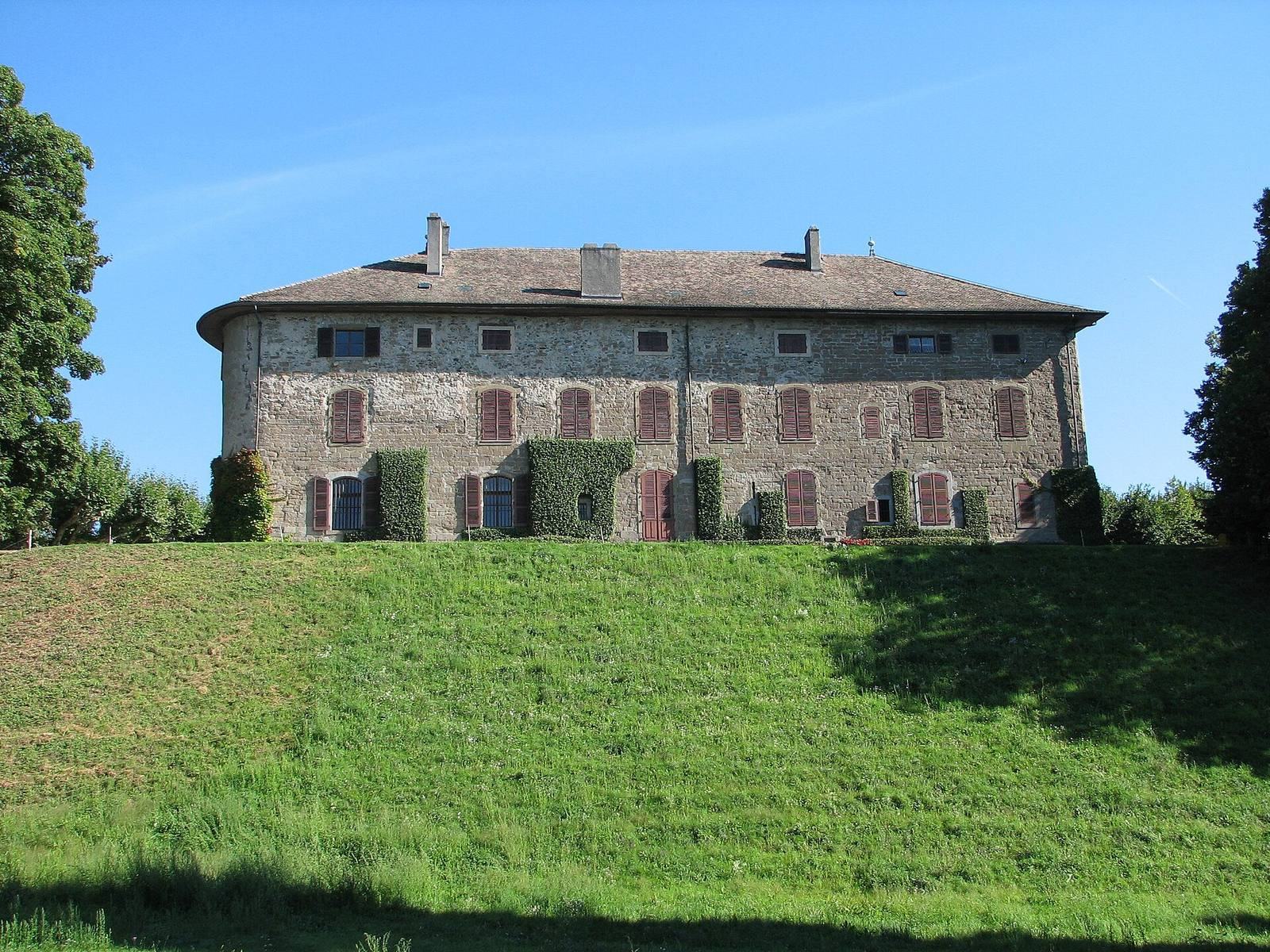
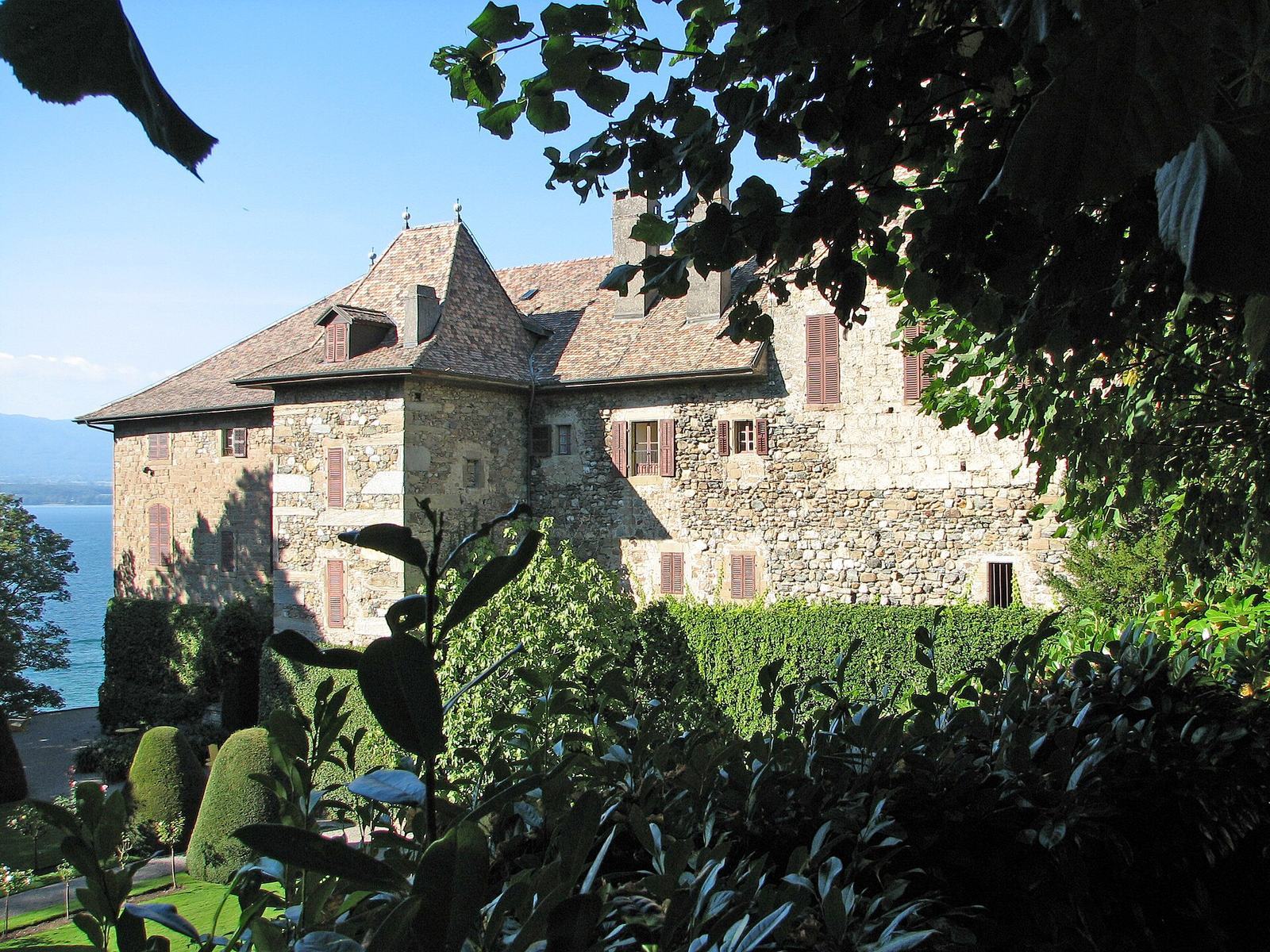
The castle stands on the left bank of the Hermance beside Lake Geneva, opposite the Faucigny castle at Hermance. Despite alterations over time, its surviving form includes a pentagonal keep topped by a prominent roof.