Tumulus MM: A Phrygian King’s Burial Mound
Site at a Glance
- Popularity
- Very Low
- Country
- Turkey
- Primary era
- Iron Age
- Eras represented
- Iron Age
- Civilizations
- Phrygian
- Site type
- Burial
- Remains
- Burial Mound
On this page4 sections
History
Tumulus MM is a burial mound at Yassıhüyük, Türkiye, covering a mid-8th-century BC burial associated with an important Phrygian king. The occupant’s identity is uncertain. His bones were first identified as those of Midas, a Phrygian king, and later attributed to Gordias, a legendary king regarded as Midas’s father.
Archaeologists from the University of Pennsylvania excavated the mound in 1957. Later researchers examined chemical traces in vessels from the burial in an effort to reconstruct the foods and drinks they had held.
Remains
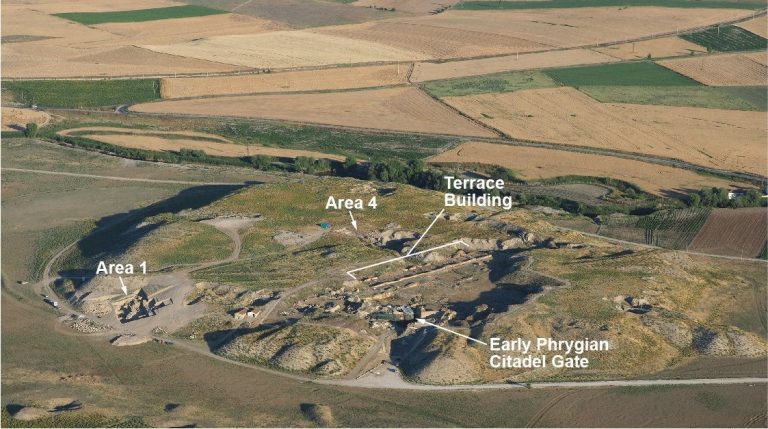
The mound stands on the right bank of the Sangarius River, now called the Sakarya, on the Galatian Plateau in central Anatolia. It forms part of the extensive cemetery around Gordion, a major Phrygian city, which contains more than 120 burial mounds.
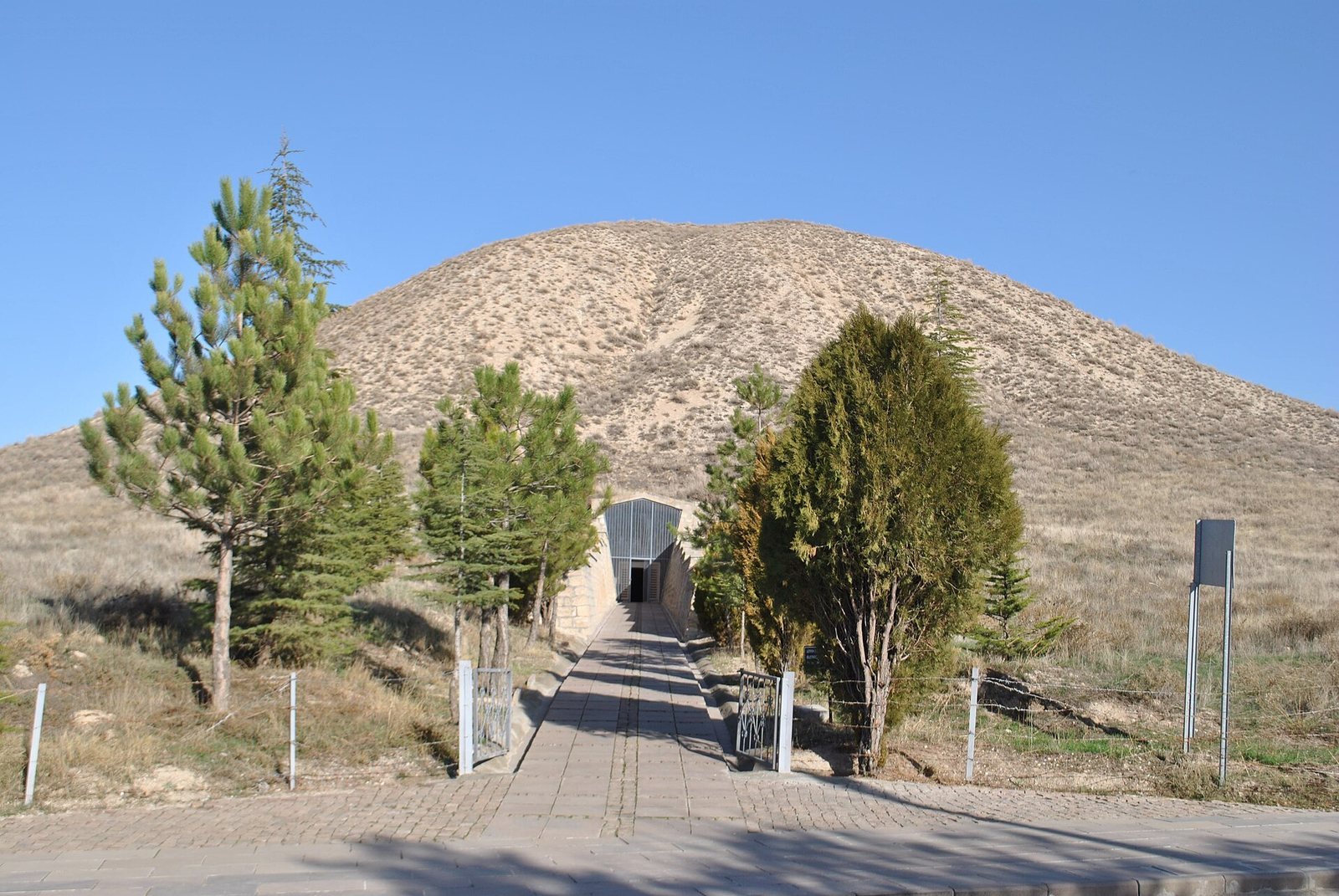
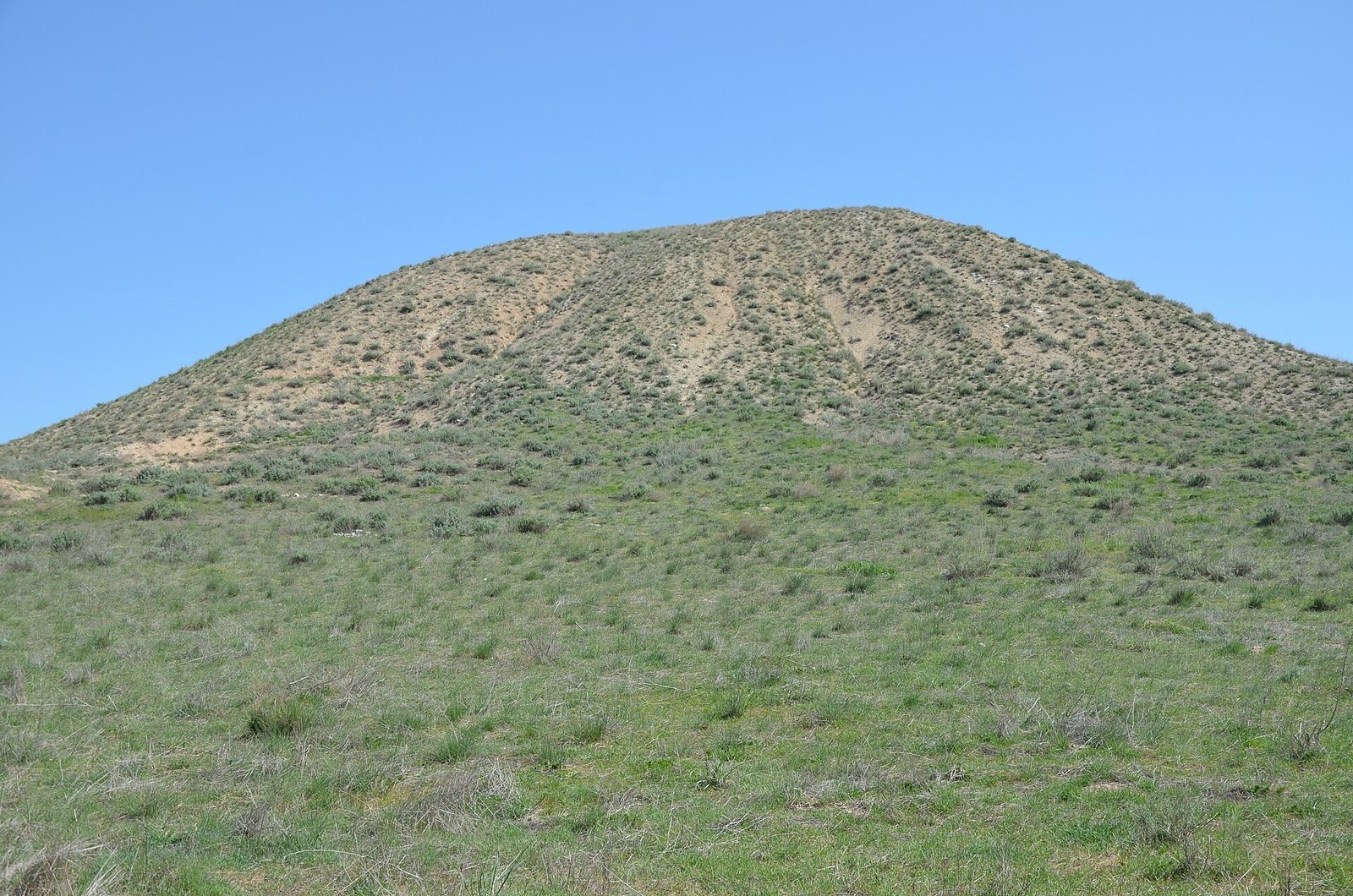
Mound and burial chamber
Tumulus MM rises 53 metres and measures 300 metres across at its base. It is described as the second-largest burial mound in Asia Minor, after Koca-Mutaf-Tepe at Bin Tepe, identified as the tomb of Alyattes, a king of Lydia. A passage 140 metres long leads to the burial chamber, commonly known as the Tomb of Midas.
Burial finds
The burial contained carefully made wooden furniture and bronze vessels. Numerous containers for food and drink appear to have been used at a funerary feast. Most of the artifacts are held at the Museum of Anatolian Civilizations in Ankara, with some in its Gordion Museum branch.