Palace of Khaznadar: A Tunisian Palace and Theatre Headquarters
Site at a Glance
- Popularity
- Low
- Country
- Tunisia
- Primary era
- Modern
- Eras represented
- Modern
- Civilizations
- Ottoman
- Site type
- Domestic
- Remains
- Elite Residence
On this page5 sections
History
The Palace of Khaznadar is a nineteenth-century palace in Halfaouine, Tunis, Tunisia, built in the 1850s by Mustapha Khaznadar, a Tunisian statesman who served as prime minister. Over time, the building became a hospital, a school, and a cultural venue, and it now houses theatre activities. It forms part of the Medina of Tunis UNESCO World Heritage property, a recognition for places considered to have outstanding universal value.
From hospital to school
From 1895 to 1903, the palace served as a hospital for Tunis’s Jewish community. It became a school in 1903, and continued in that role until 1986. During the Second World War, it also temporarily operated as a milk-distribution center for Tunis’s Italian community.
Theatre use
The palace hosted cultural activities in 1986 and was made available to the Tunisian National Theatre troupe. In 1988, theatre director Mohamed Idriss chose it as the troupe’s headquarters. Theatre activities have been based there since then.
Remains
Layout and façade
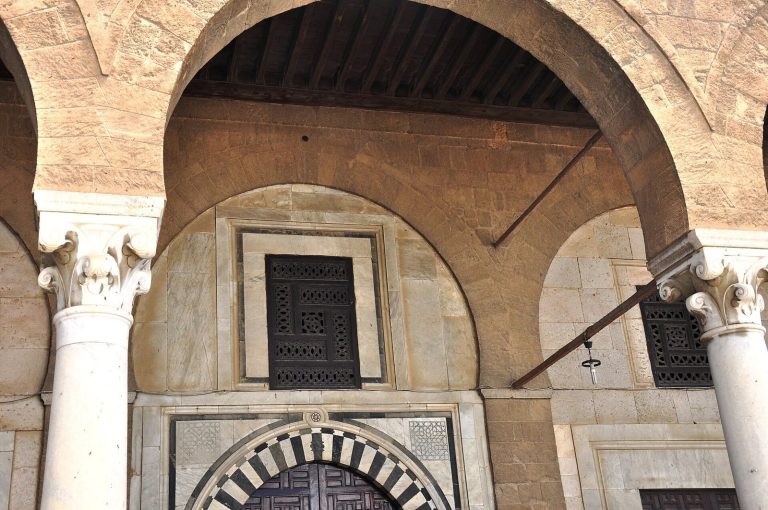
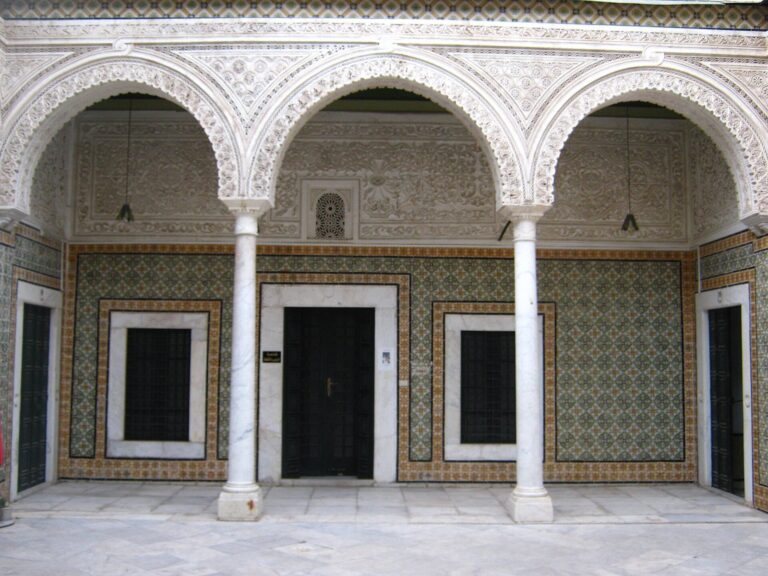
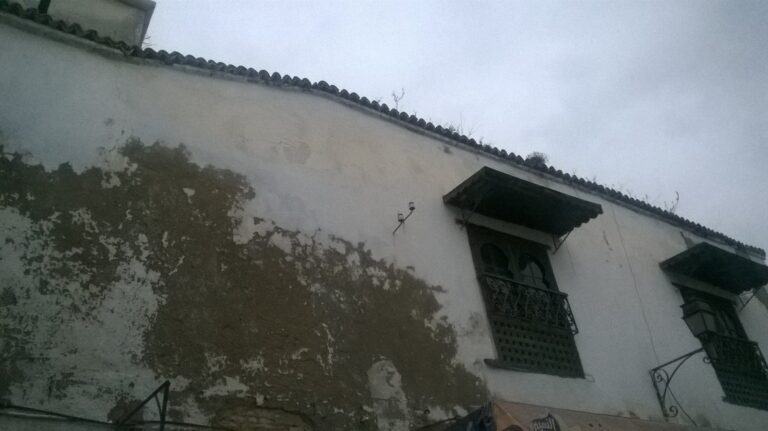
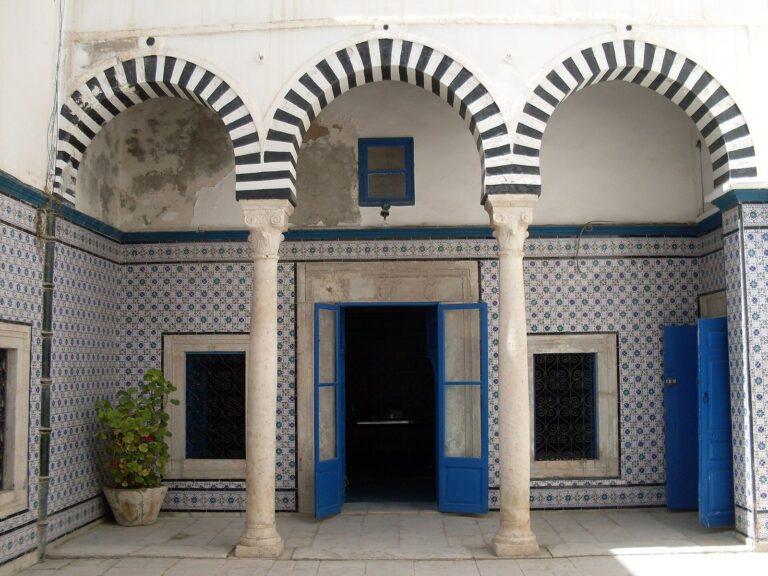
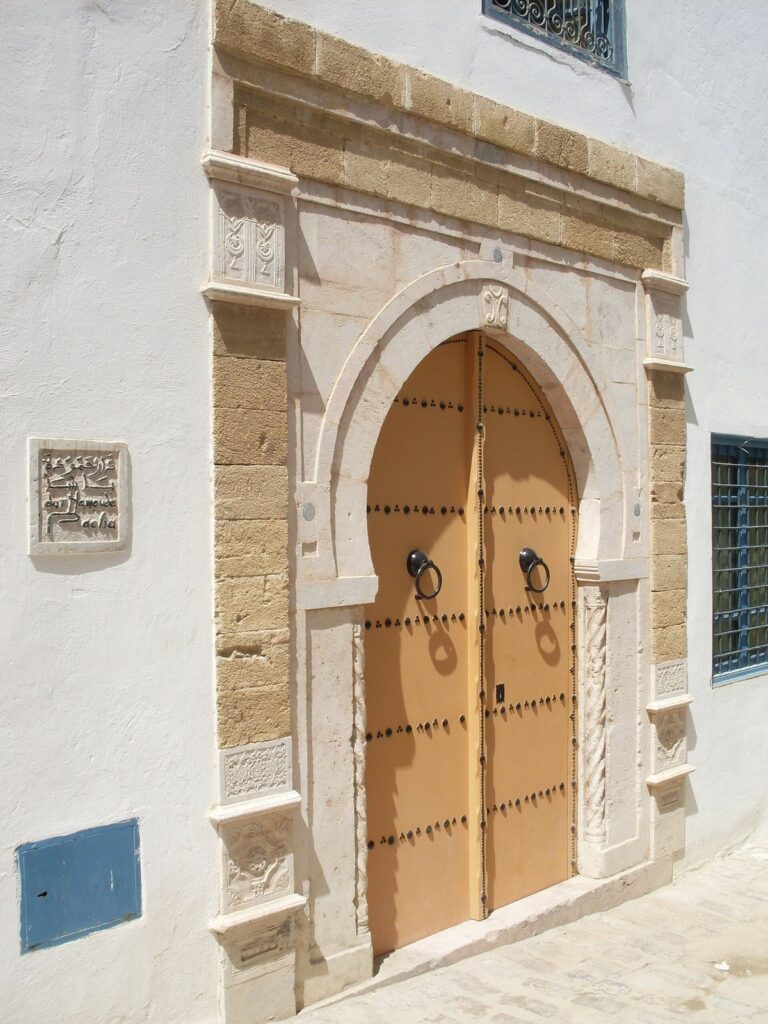
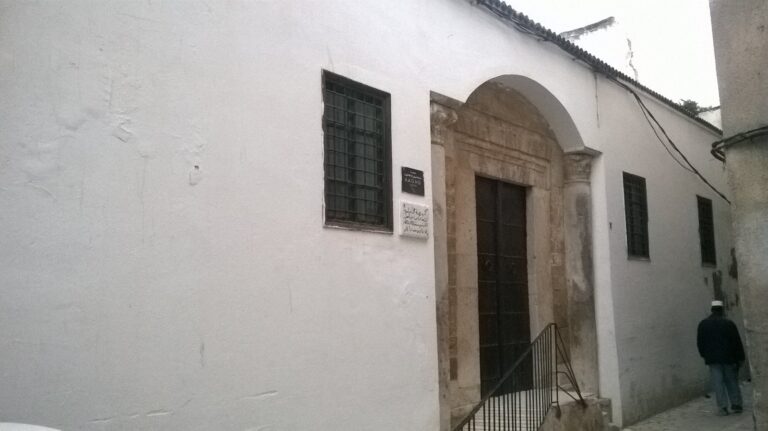
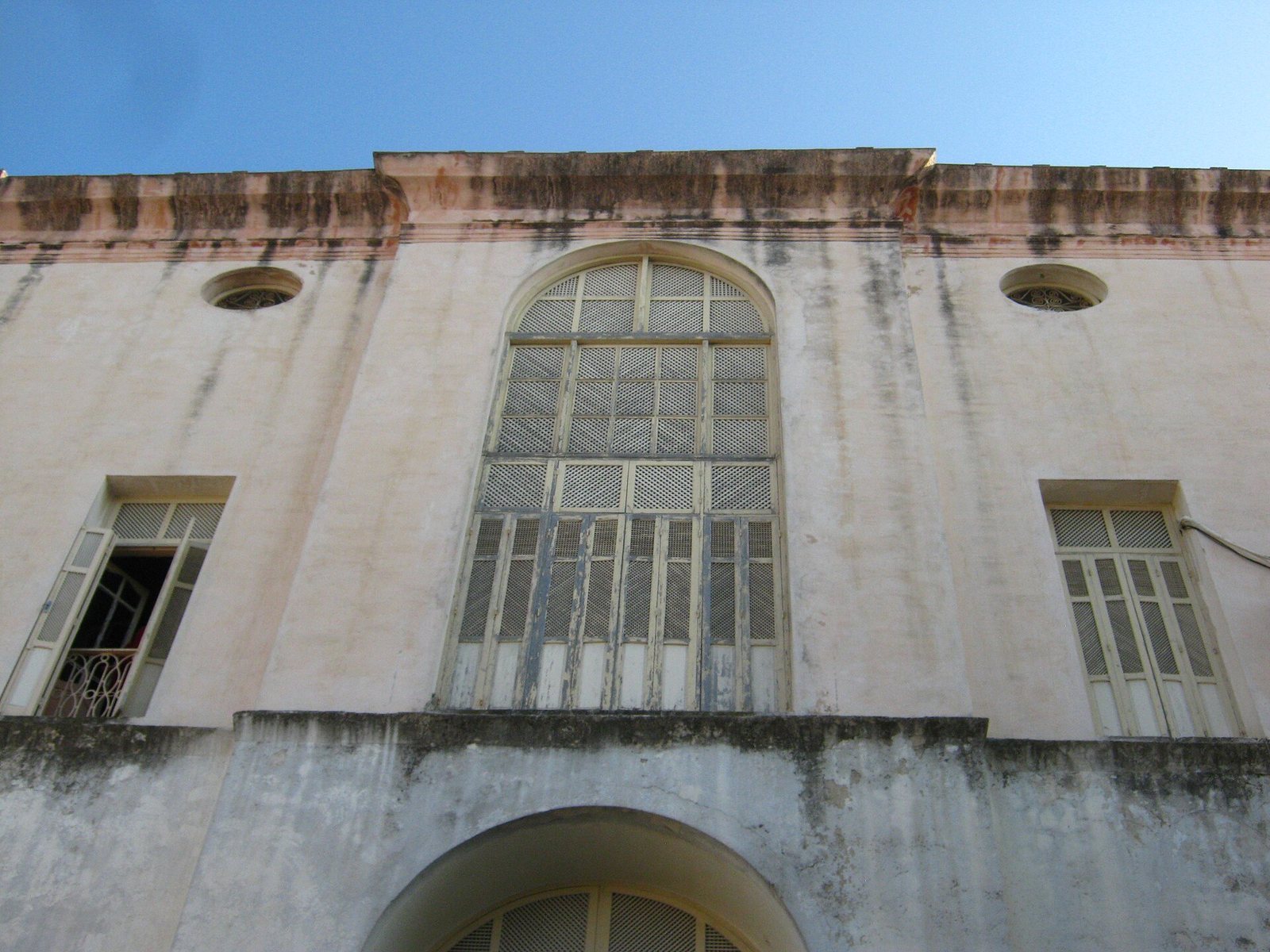
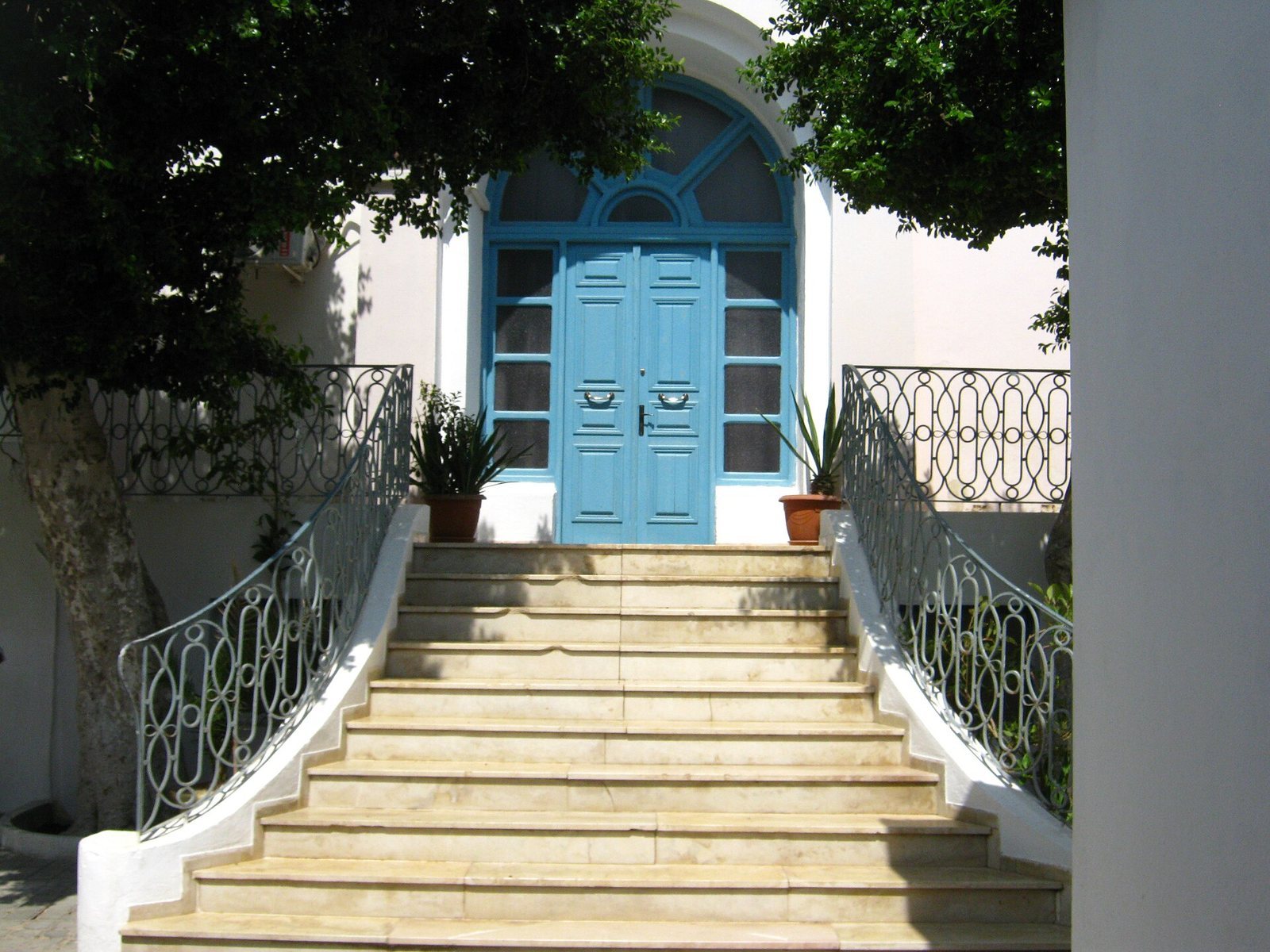
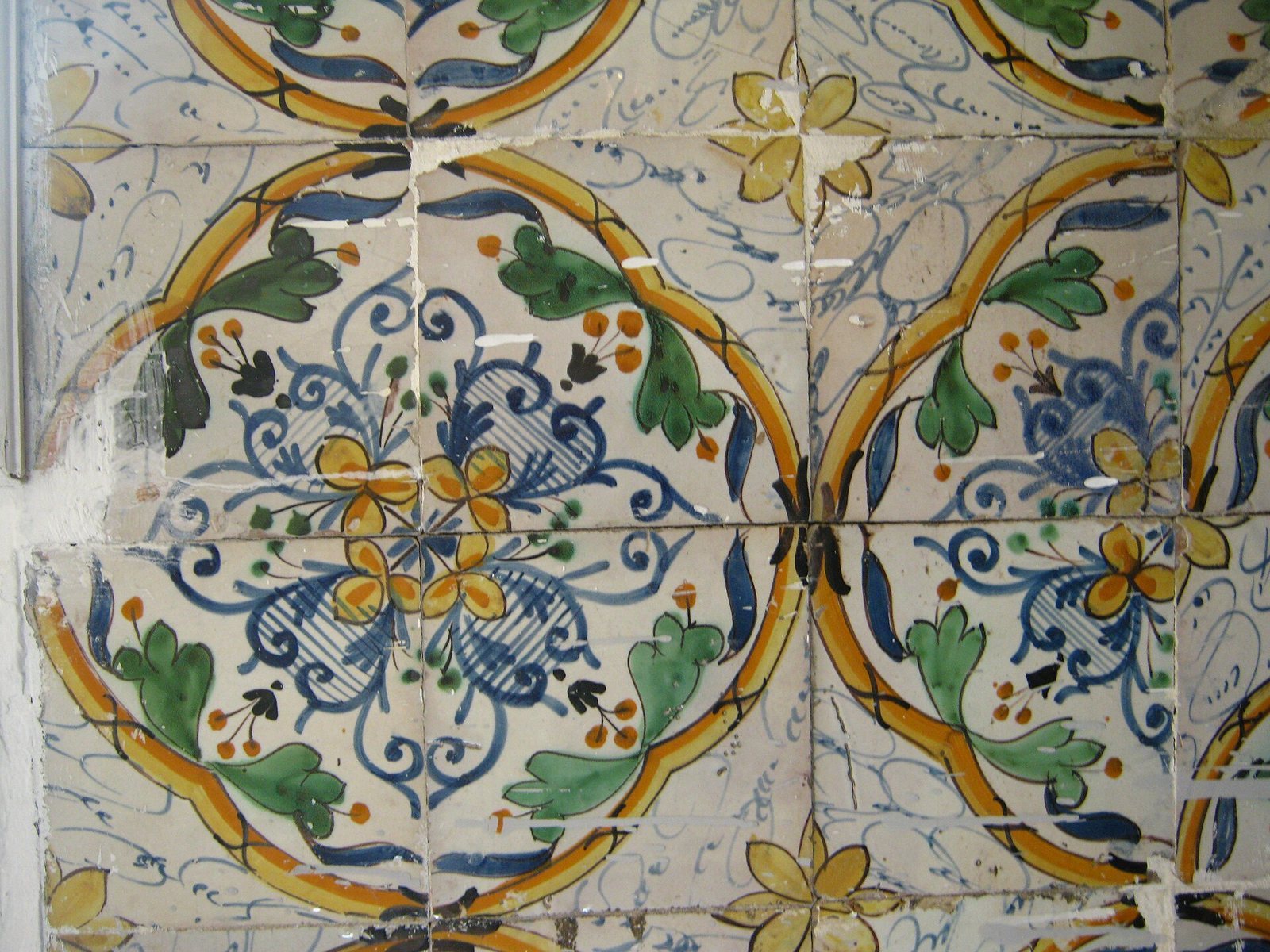
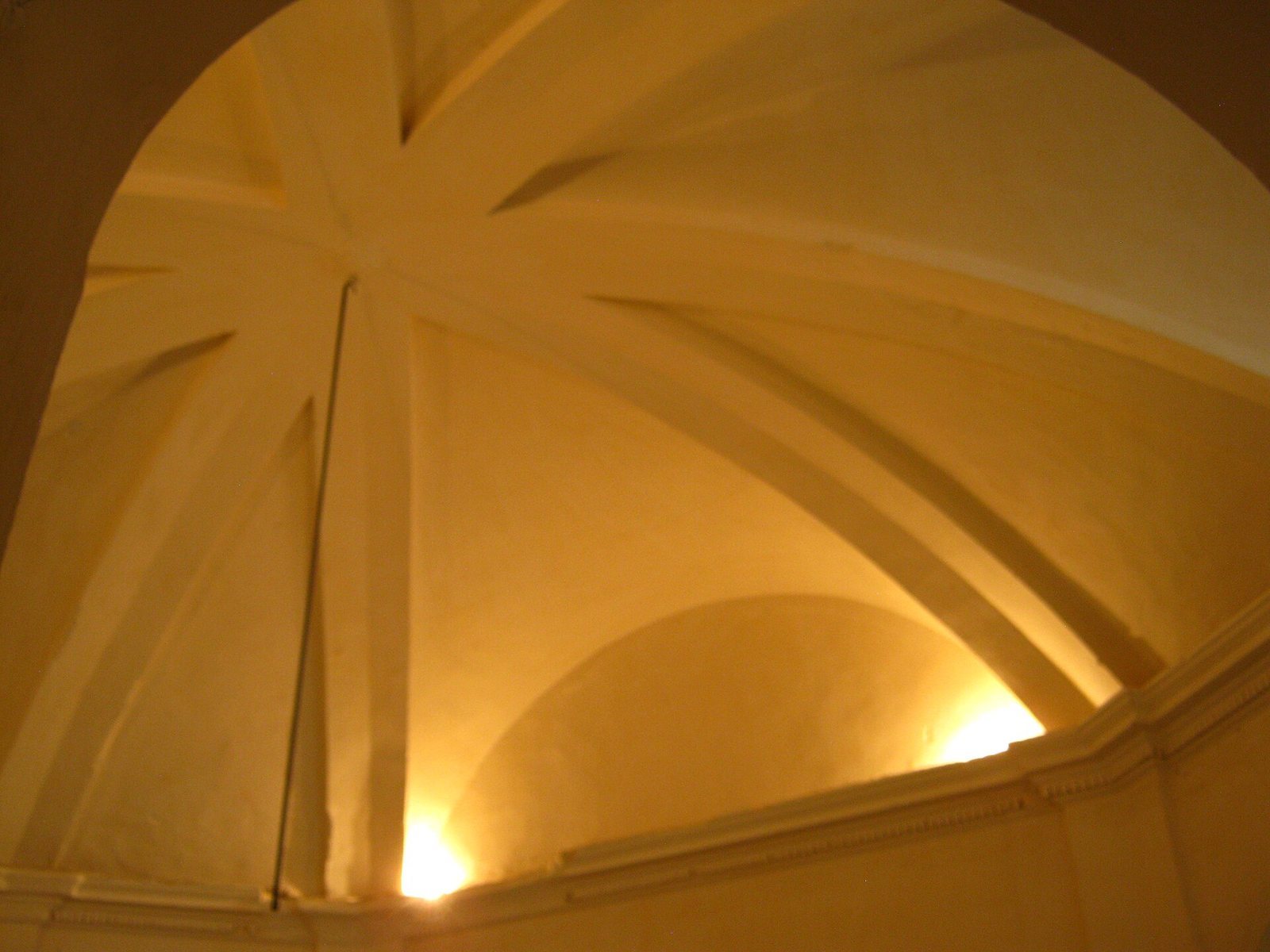
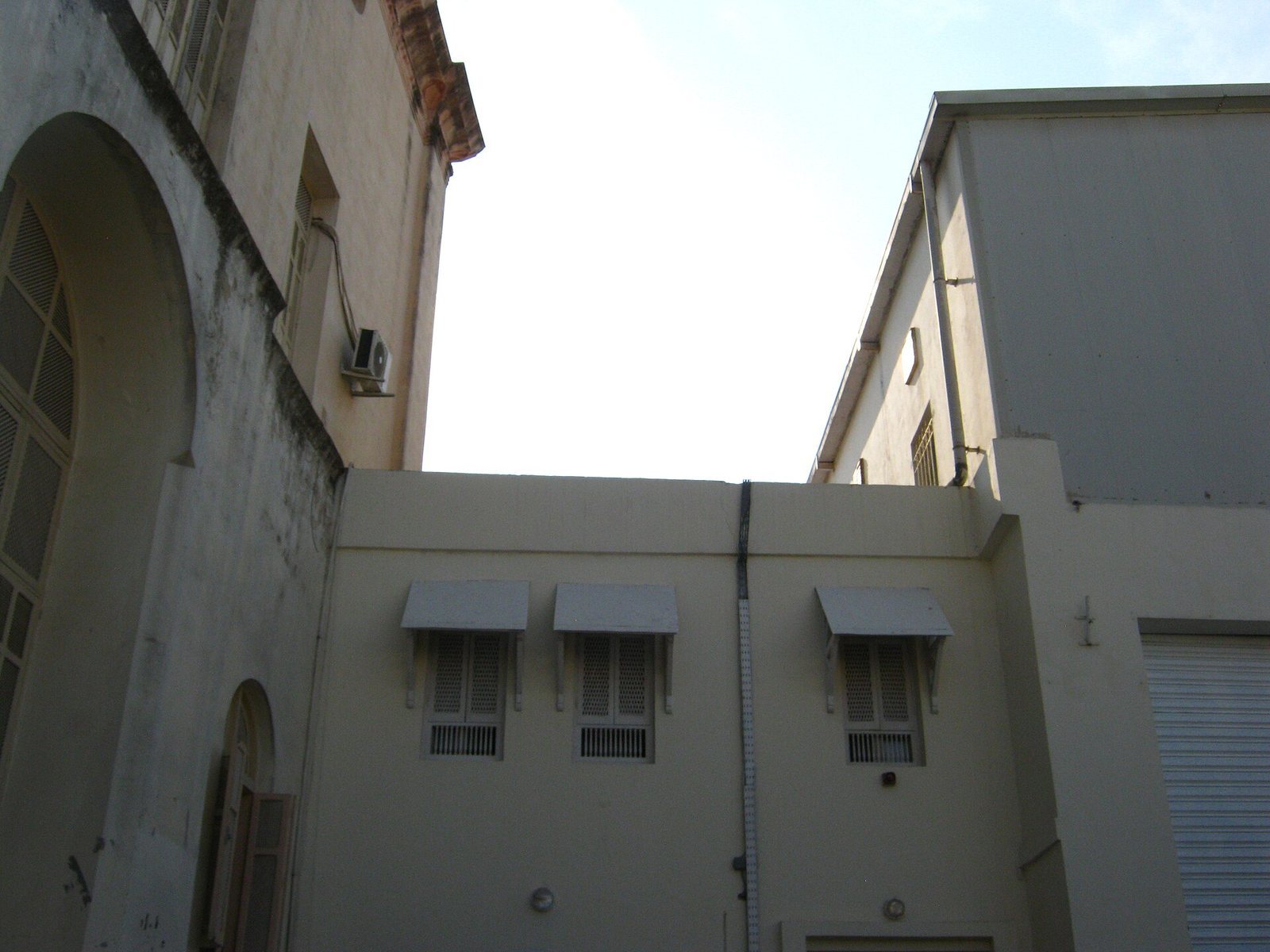
The palace stands at the northeast corner of Halfaouine Square, north of the Medina of Tunis and near the Saheb Ettabaâ Palace and Mosque. Italian workers built it in an Italian style, and its original furnishings combined European and Eastern influences. A surrounding wall has a large carriage gate that opens onto a courtyard. The façade reflects palaces in the Palermo region and features a broad central section topped by a pediment, the shaped feature above an opening, and framed by four flat supports in the classical Ionic style. Several round openings punctuate the attic, the low upper wall above the main cornice. The façade and entrance steps are centered on lines offset from the entrance porch, following a Tunisian custom intended to keep the doorway from being visible from outside.