Malkaya: Hittite Inscriptions on a Rock near Kırşehir
Site at a Glance
- Popularity
- Very Low
- Country
- Turkey
- Primary era
- Bronze Age
- Eras represented
- Bronze Age
- Civilizations
- Hittite
- Site type
- Civic
- Remains
- Rock Art
On this page4 sections
History
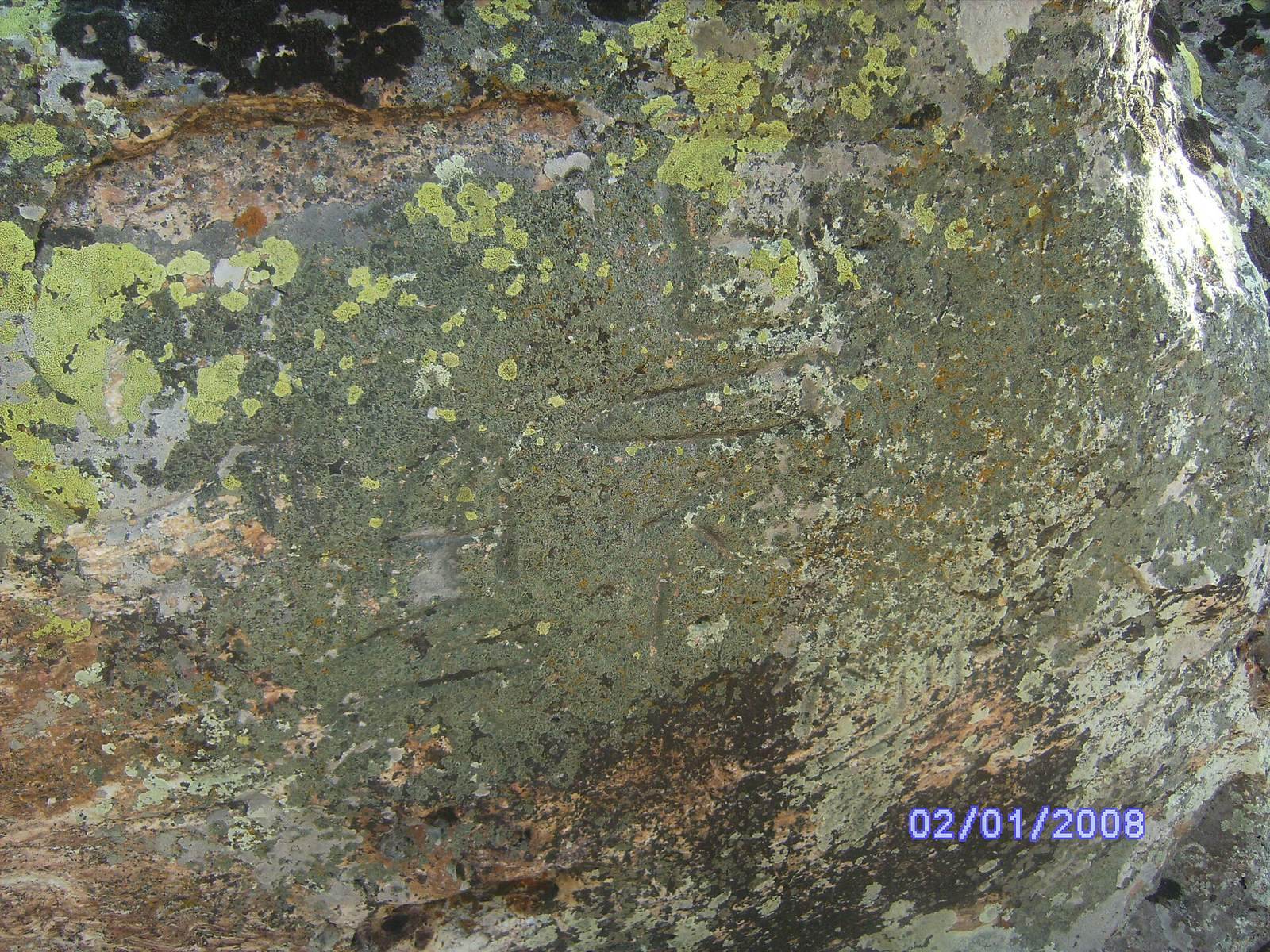
Malkaya is an inscribed rock near Kırşehir, Türkiye, bearing texts from the Hittite Great Kingdom, the imperial phase of Hittite rule in Bronze Age Anatolia. The inscriptions use Luwian hieroglyphs, a writing system for the ancient Anatolian language Luwian. Their names and sign forms place them in the Great Kingdom period; the German scholar Helmuth Theodor Bossert assigned them more specifically to the 14th or 13th century BC.
Names and interpretation
The texts do not yield a coherent continuous reading, but they mention a prince named x-ziti several times and identify Ura-Tarhunda as a possible father. A princess named x-parinaia is also mentioned. Bossert first interpreted x-parinaia as a prince. The inscriptions do not call Ura-Tarhunda a king, and the title “prince” could also be held by court officials who were not the king’s sons. Some of these names occur on seals from Boğazköy, the site of Hattusa, the Hittite capital, but the seals do not establish that their bearers were the same individuals.
Discovery and study
Hans von Aulock, a German banker, found the rock in September 1947 during a hunting trip. He photographed it and informed Hans Gustav Güterbock, then a professor of Hittite studies at Ankara University. Güterbock circulated a brief notice within the university. Bossert first visited Malkaya in 1950 while investigating the city mound at Kırşehir. He made impressions of the inscriptions and published a short notice in a travel report. The nearest known settlement mound is the city mound at Kırşehir, which Bossert considered a possible site of an important Hittite city. He judged a smaller mound near Sevdiğin to the south too small for that identification.
After finding his photographs unsuitable for publication, Bossert returned in July 1956 for a closer examination and published his study in 1958. During that visit, he cleaned algae from the stone with hydrochloric acid and brushes. Italian linguist Piero Meriggi discussed the texts in 1975 using photographs. Later treatments appeared in Eberhard Rossner’s 1988 guide to Hittite rock reliefs in Turkey, German architect Horst Ehringhaus’s 2005 work, and British Hittitologist John David Hawkins’s 2008 study.
Remains
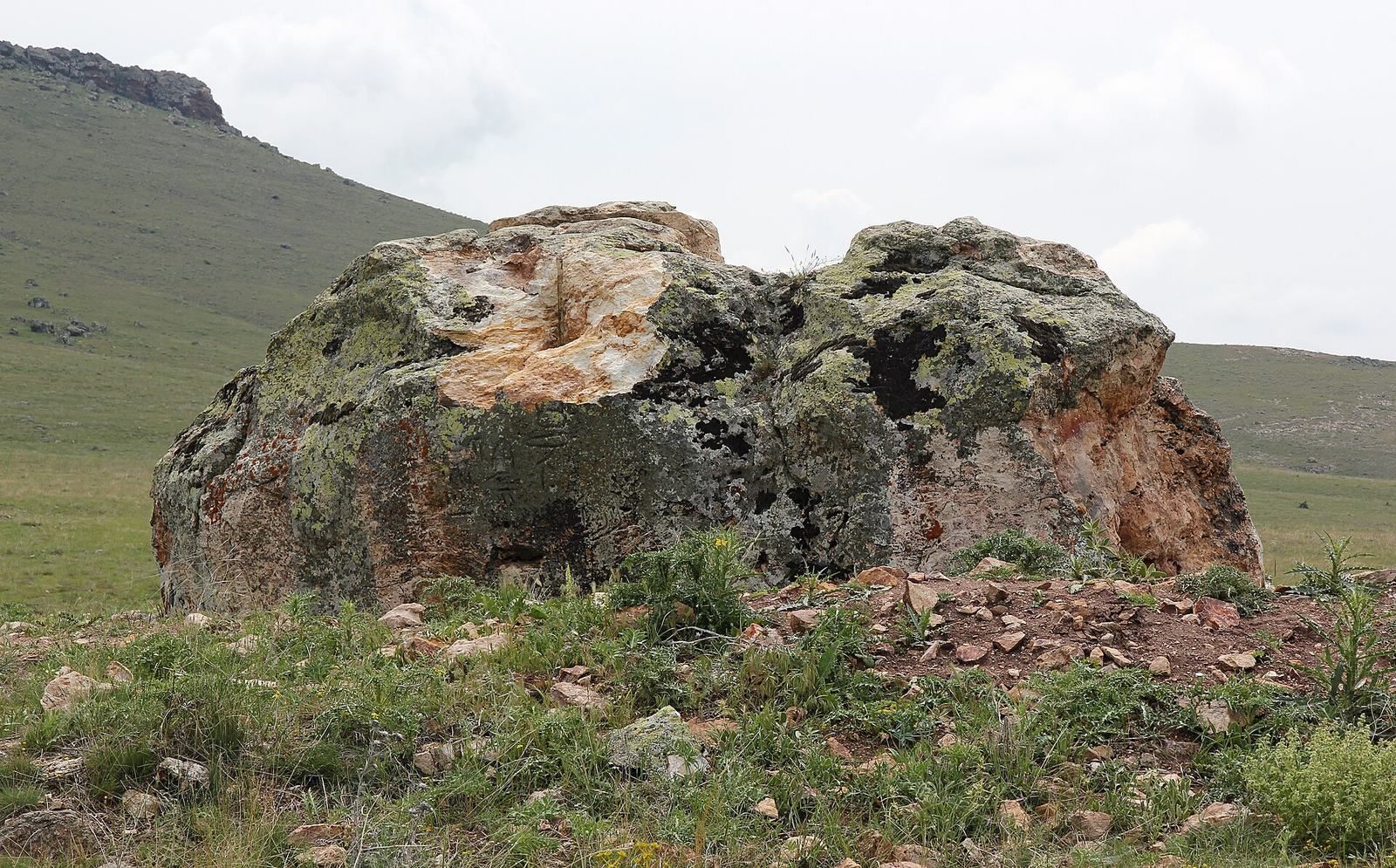
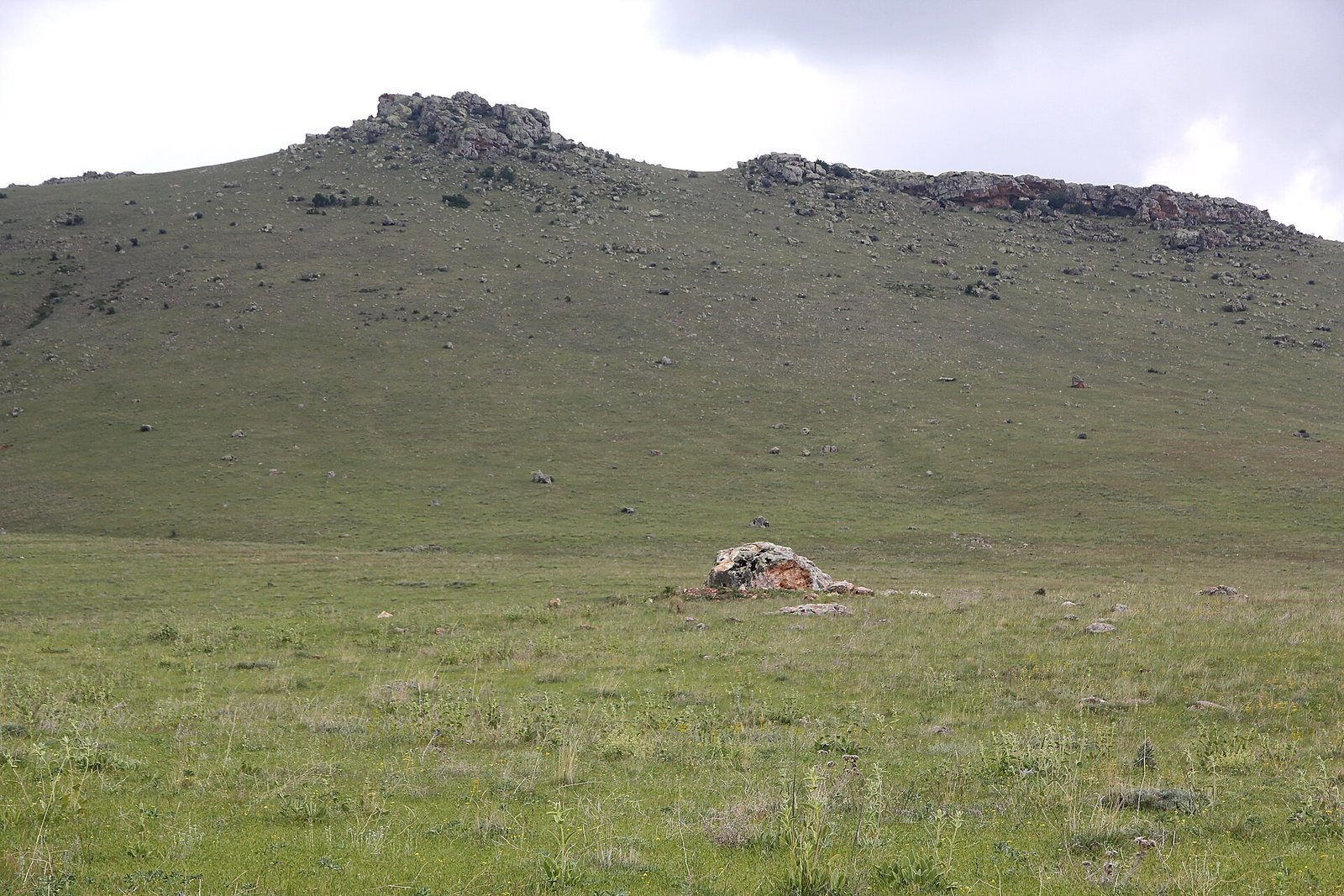
Malkaya, whose Turkish name means “Livestock Rock,” is an exposed, irregularly shaped stone up to about six metres across and rising well above a person’s height. It stands roughly 12 kilometres west of Kırşehir, in an uncultivated, steppe-like field about 100 metres northeast of the road to Yağmurlukale. Bossert proposed that the area may have been wooded when the inscriptions were made in the second millennium BC, or that a road may have passed through it.
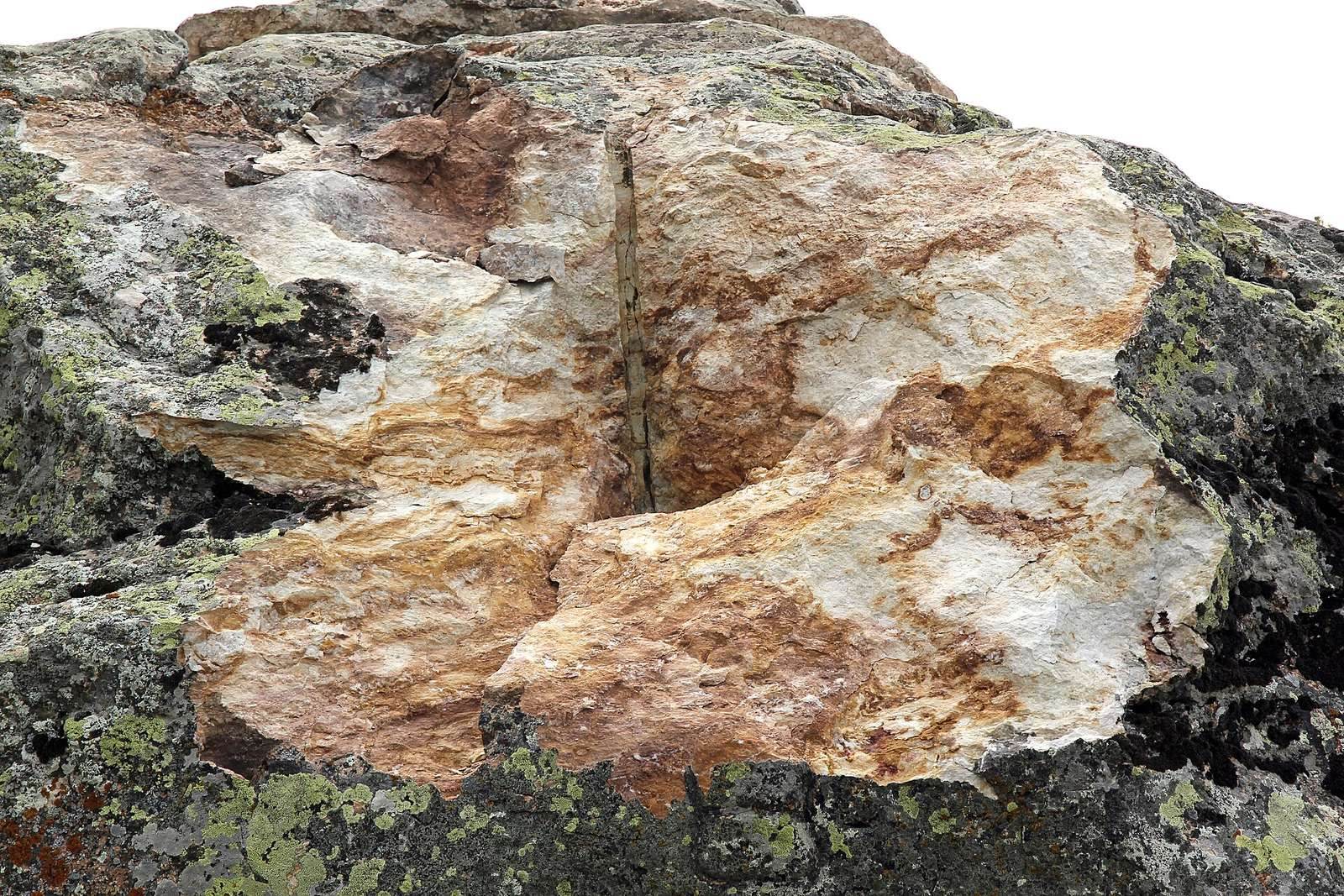
The carved inscriptions occupy several sides of the rock. The order in which their signs should be read is uncertain, and editors differ over the compass directions assigned to the faces. Hawkins numbers them clockwise, beginning with no. 1 on the south side, passing the position of no. 2, continuing with nos. 3–5 on the west, and ending with no. 6 on the east. No. 2 was originally on the southwest face. Bossert could read and copy its text from a detached block, while Hawkins could not identify it. Treasure hunters damaged the inscriptions: drill holes make the lower half of no. 1 illegible, a large blast crater scars the top, and damage has removed the right half of no. 6.