Tonto National Monument: Salado Cliff Dwellings in Arizona
Site at a Glance
- Popularity
- High
- Country
- United States
- Primary era
- Medieval
- Eras represented
- Medieval
- Civilizations
- Unclassified
- Site type
- Domestic
- Remains
- House
On this page7 sections
History
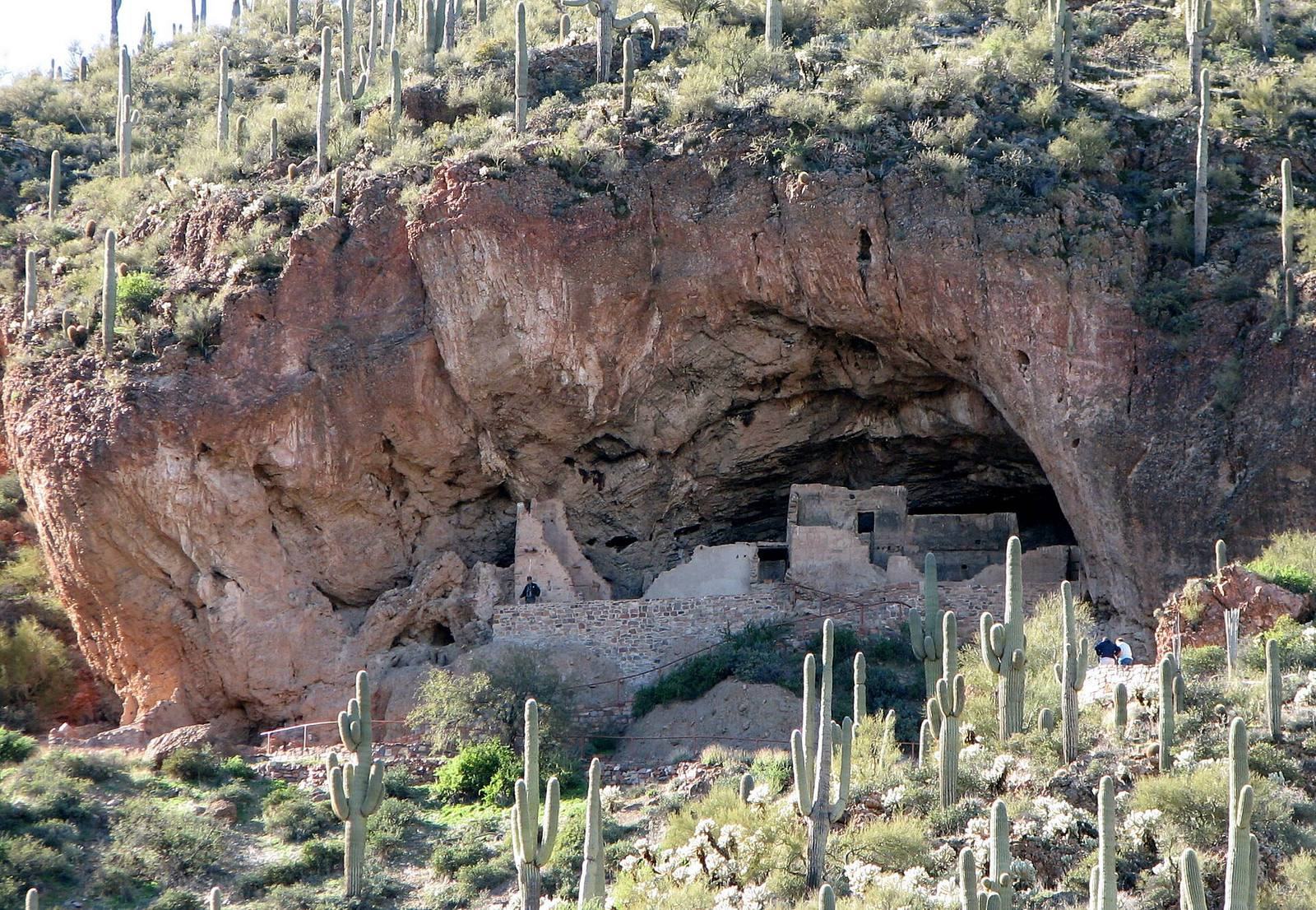
Tonto National Monument is an archaeological site in central Arizona, United States, where Salado people built and occupied cliff dwellings during the 13th, 14th, and early 15th centuries. The dwellings preserve evidence of a community that lived in the Salt River Valley.
Salado occupation
The Salado, an archaeological culture of the American Southwest, farmed in the Salt River Valley and supplemented their food by hunting and gathering native plants. Their occupation of the cliff dwellings continued into the early 15th century.
Protection and recognition
In 1907, President Theodore Roosevelt designated the area a National Monument to protect it. The Tonto National Monument Archeological District was added to the National Register of Historic Places, the U.S. federal register of historic sites and districts, in 1966. The Upper Ruin and Lower Ruin were listed separately in 1989.
Remains
Cliff dwellings
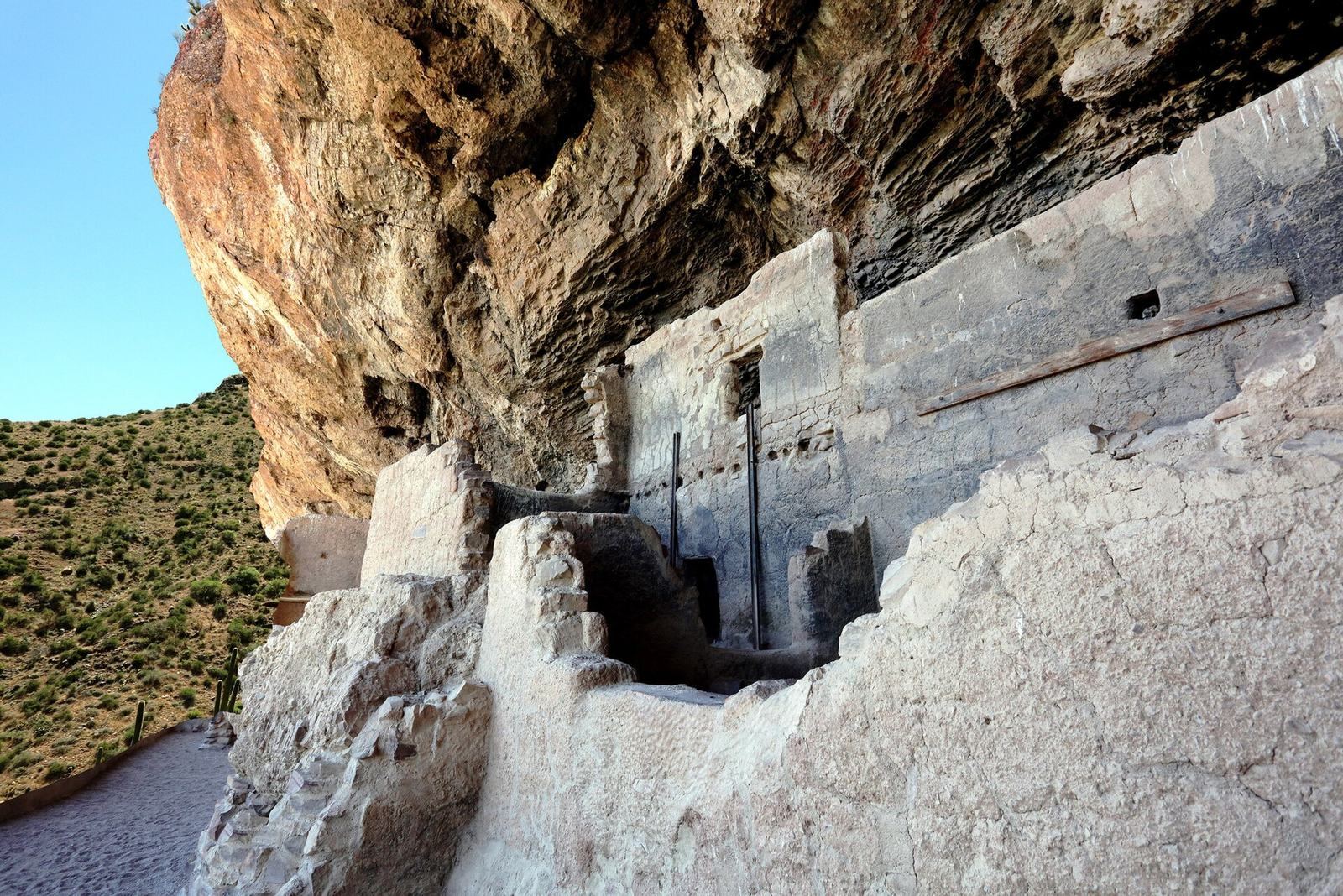
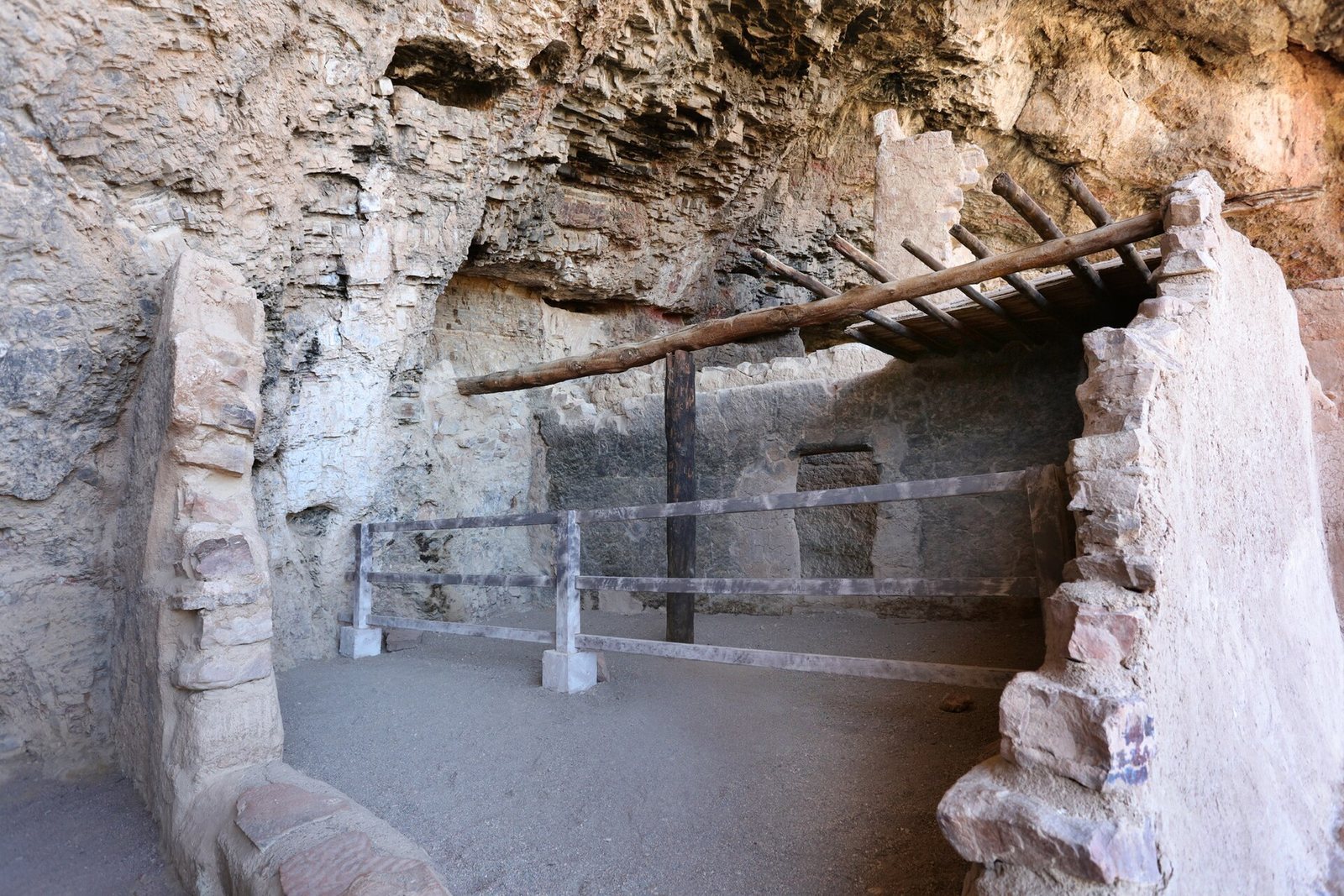
The monument’s principal built remains are two partly preserved cliff dwellings, the Upper and Lower Ruins. The Salado built their homes overlooking a perennial spring in the southern part of Cave Creek Canyon. Cave Creek Canyon runs below the Upper Cliff Dwelling and continues north toward Roosevelt Lake.
Canyon and surrounding landscape
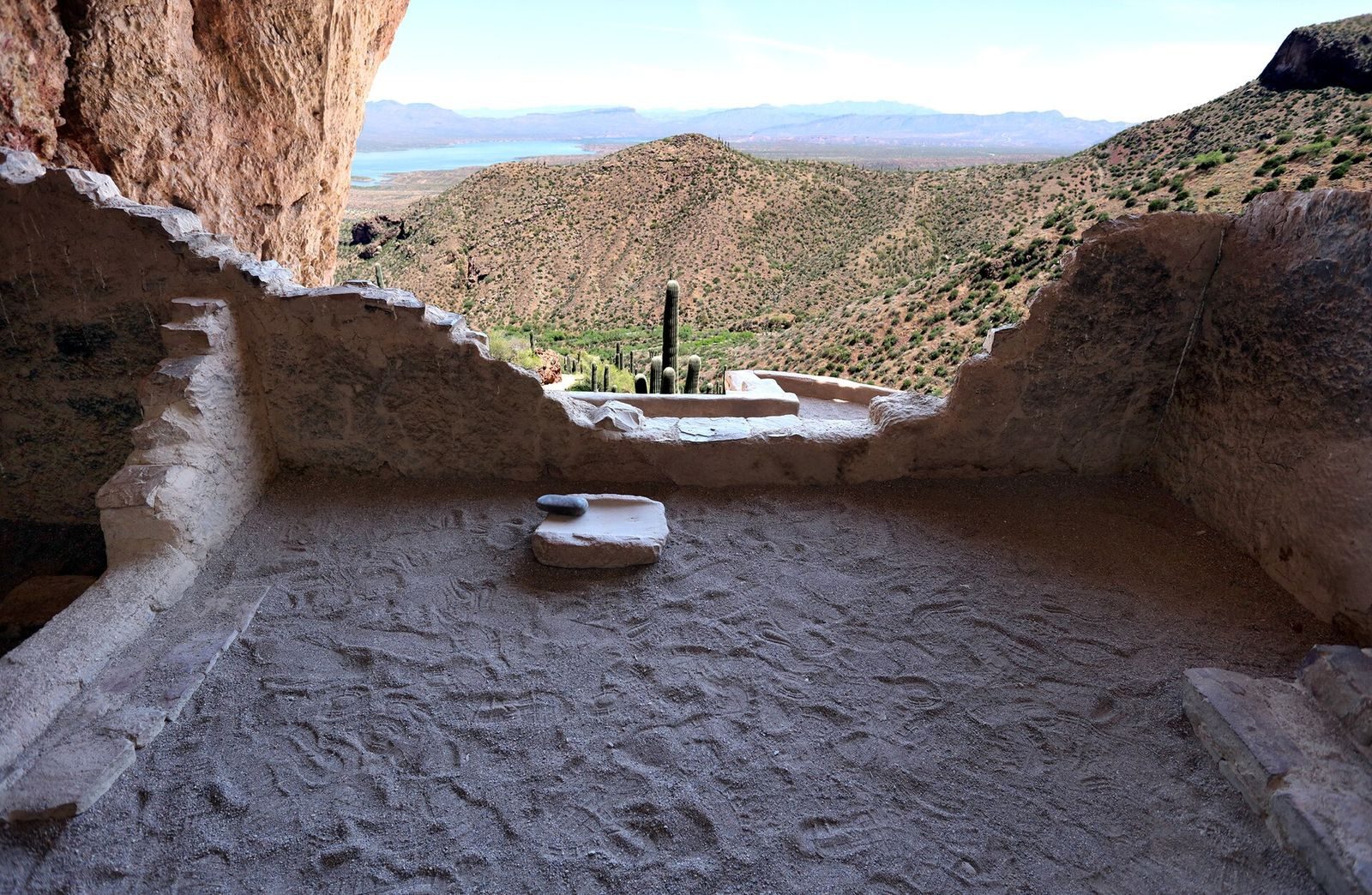
The monument covers 1,120 acres in Gila County, within the Tonto National Forest in the Superstition Mountains, near the northeastern edge of the Sonoran Desert. The Salt River runs through the area, providing a year-round source of water; its valley includes Roosevelt Lake. The mountains lie to the southwest, while the Salt River and Tonto Creek valley extend to the north and east. Between them, eroded sediment is cut by washes that carry water seasonally. Cave Creek Canyon is dry for much of the year in its northern reaches, while its southern part has a perennial spring and shaded woodland with Arizona walnut, Arizona sycamore, and hackberry. This woodland supports wildlife and was likely used intensively by the Salado. The arid area receives about 16 inches of rain annually and includes desert plants such as saguaro, cholla, creosote bush, and mesquite. The monument supports at least 160 bird species, as well as deer, mountain lions, bobcats, and other wildlife.
Paintings and cultural materials
Hand paintings appear on a wall at the monument. Salado crafts included pottery decorated in multiple colors and intricately woven textiles. Some artifacts recovered in nearby archaeological excavations are displayed in the visitor-center museum.