Shahdiz Castle: A Seljuk-Ismaili Fortress near Nehbandan
Site at a Glance
- Popularity
- Medium
- Country
- Iran
- Primary era
- Medieval
- Eras represented
- Medieval
- Civilizations
- Seljuk
- Site type
- Military
- Remains
- Castle
History
Seljuk-Ismaili period
Shahdiz Castle is a fortress near Nehbandan in South Khorasan Province, Iran, attributed to the Seljuk-Ismaili period. The Seljuks were a Turkic Muslim dynasty that ruled parts of the Middle East, while the Ismailis are a branch of Shia Islam. The castle is registered among Iran’s National Monuments under number 2262.
A strategically important fortress called Shahdiz also stood near Isfahan. Its relationship to the castle near Nehbandan is unclear. Malik-Shah, a Seljuk sultan, built the Isfahan fortress. After his death, the Ismailis took control and used it as a base for extending their influence and conducting military operations.
In 1106, Malik-Shah’s son, Sultan Muhammad ibn Malik-Shah, set out to retake the Isfahan fortress. During the prolonged siege, some Ismailis accepted safe conduct, a guarantee that they could leave without being attacked, and departed for other strongholds. The commander, Ahmad ibn Abd al-Malik ibn Attash, and a small group continued to resist. Muhammad eventually stormed the fortress, killing the commander and many Ismailis, then ordered its destruction to prevent its further use by the Ismailis. The fortress’s capture weakened their influence in the region and strengthened Seljuk authority, marking a turning point in the conflict between them.
Remains
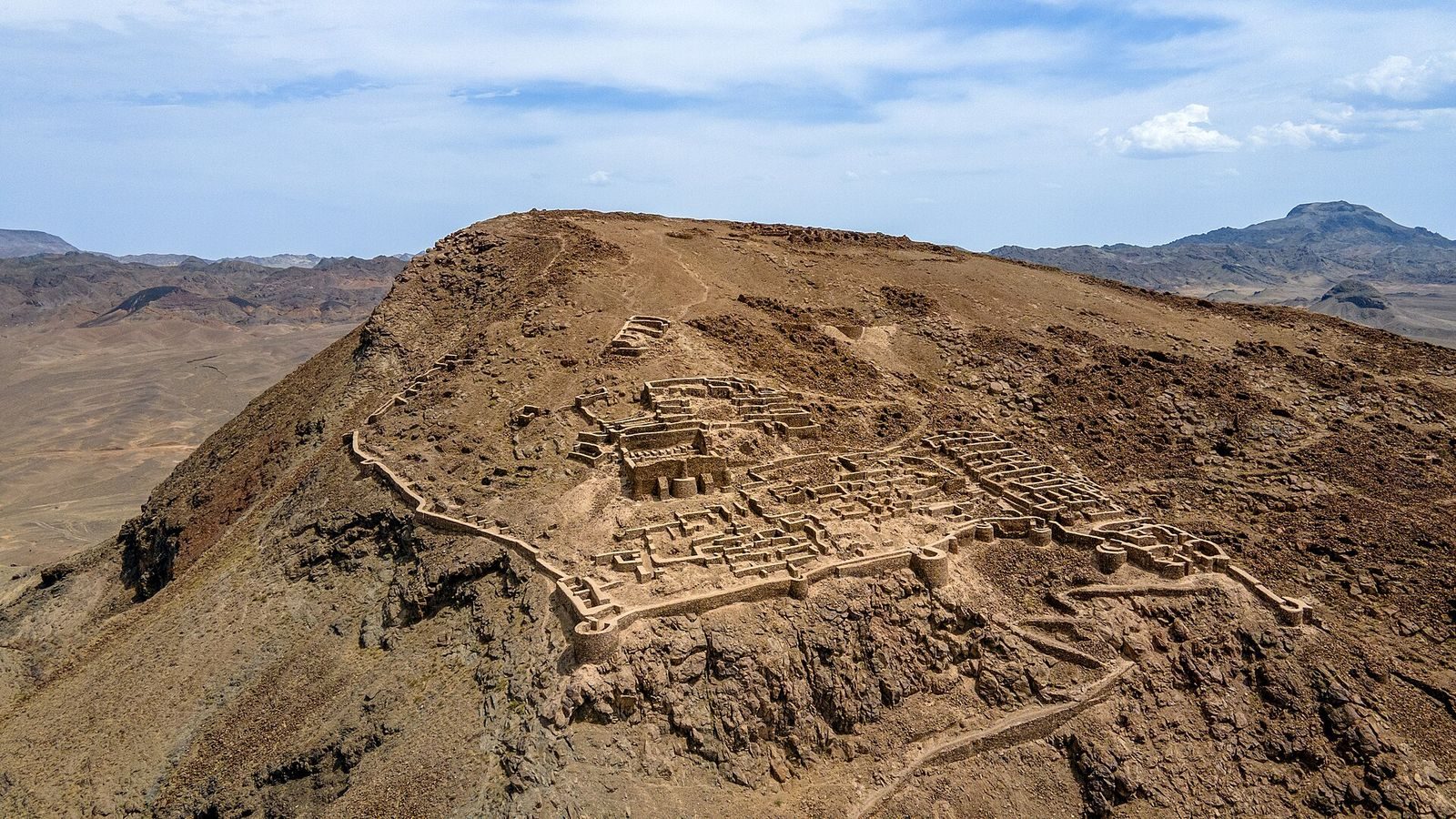
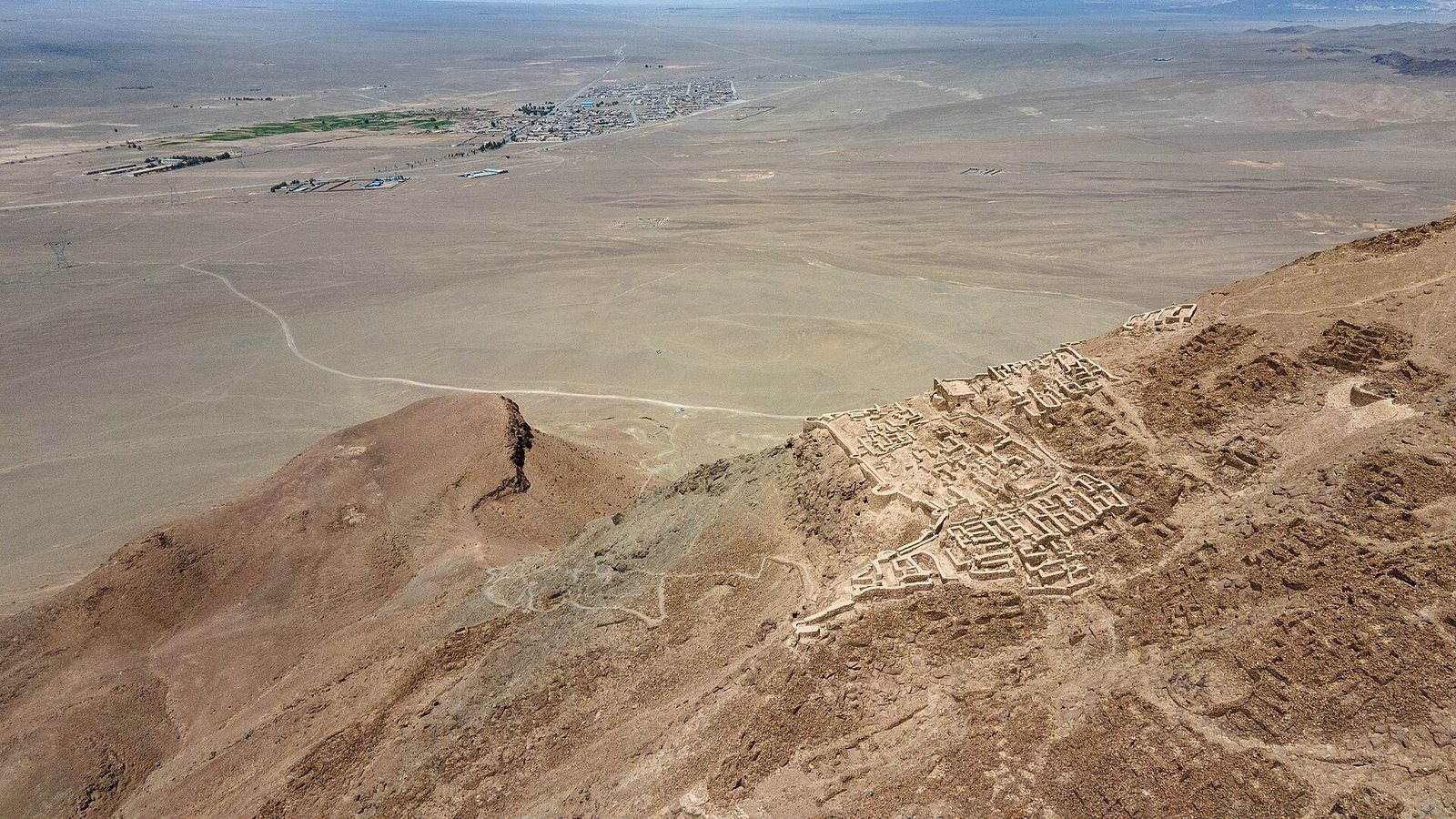
Shahdiz Castle lies atop Shahdiz Mountain, 6 km east of Nehbandan. The site is identified as a castle and fortress.