Lion of Amphipolis: A Funerary Monument and Memorial Sculpture
Site at a Glance
- Popularity
- High
- Country
- Greece
- Primary era
- Classical
- Eras represented
- Classical
- Civilizations
- Unclassified
- Site type
- Burial
- Remains
- Tomb
On this page7 sections
History
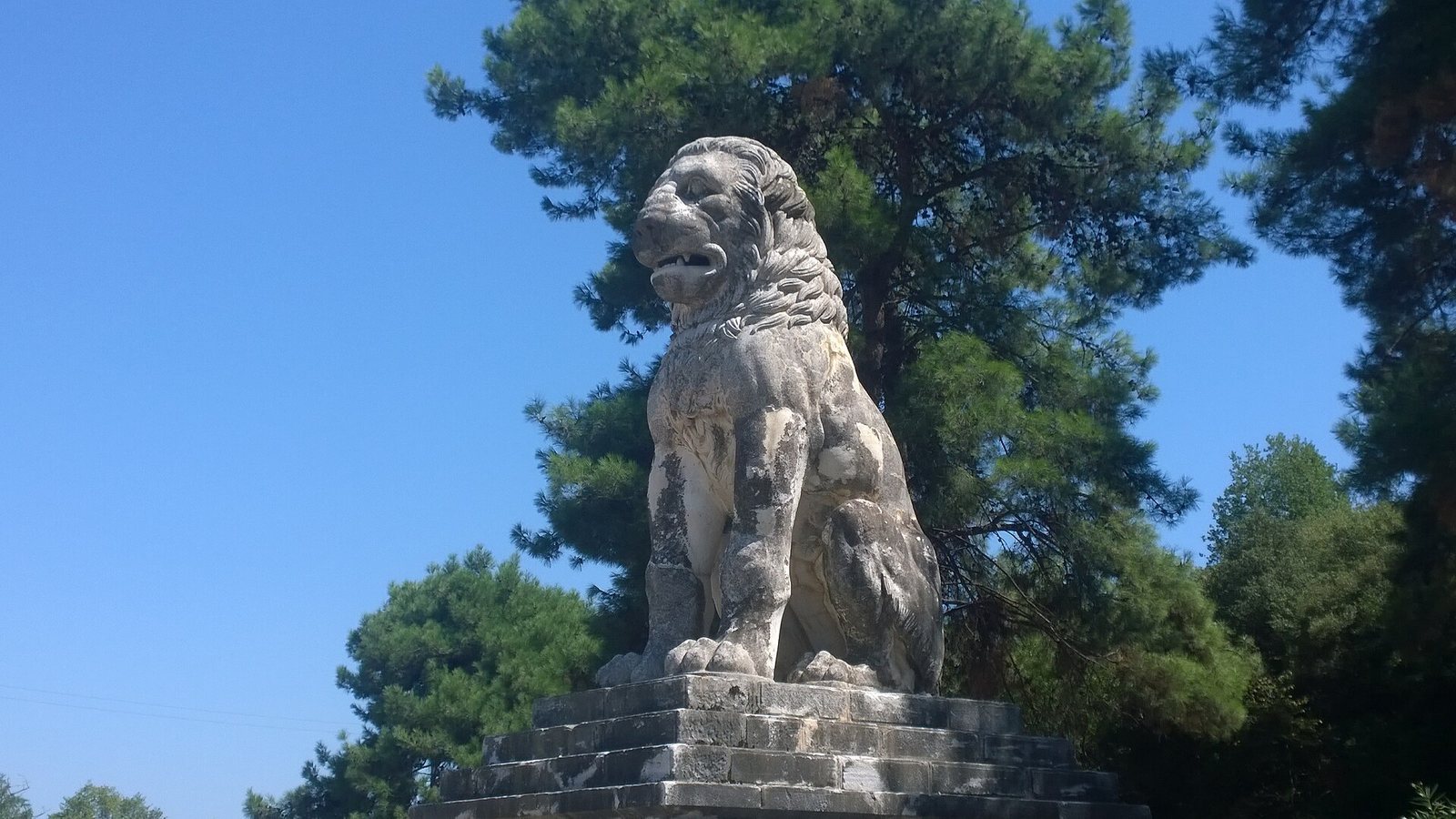
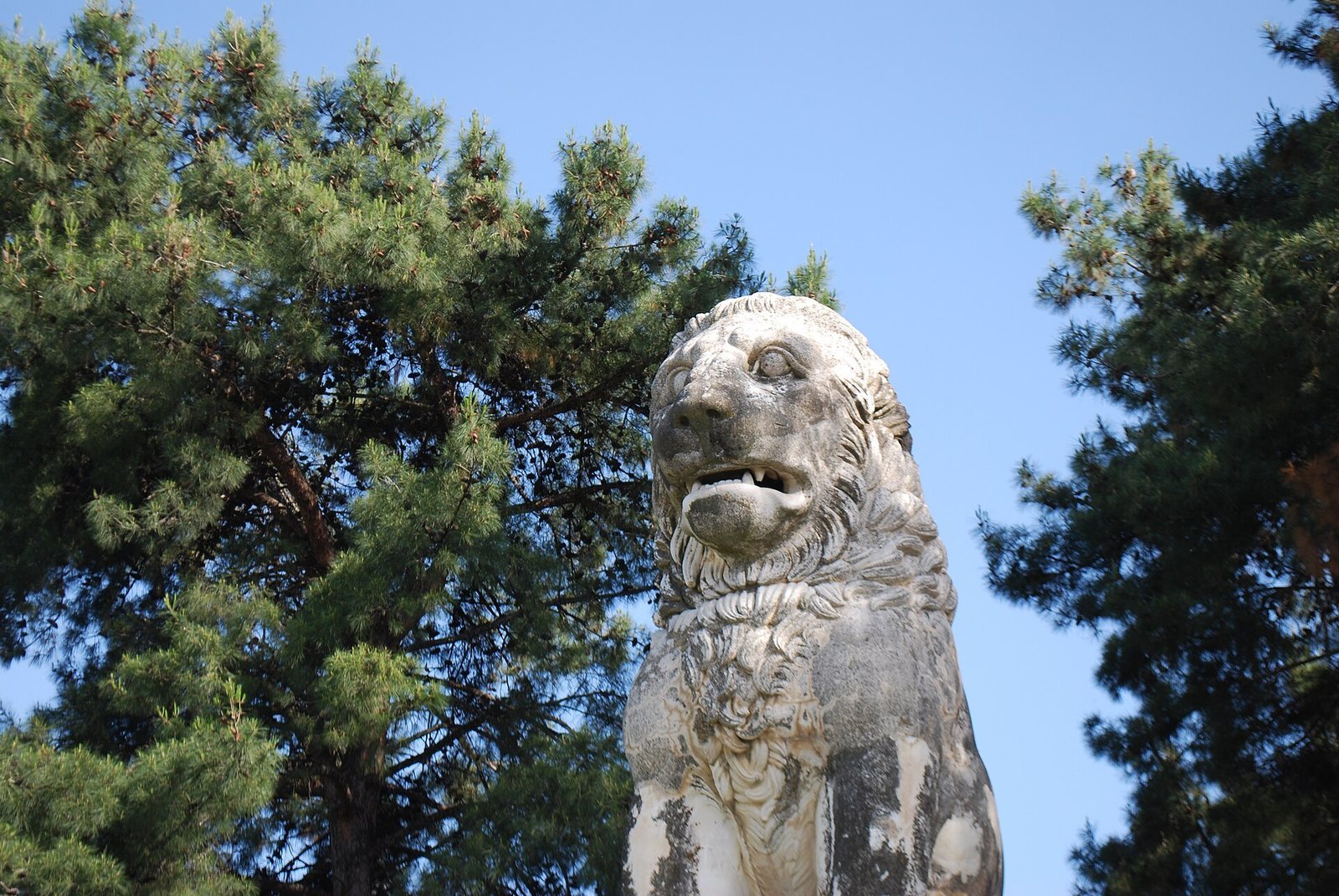
The Lion of Amphipolis is a funerary monument and memorial sculpture at Amphipolis in Greece, generally dated to the fourth century BC. Its association with military glory is clear, but the date and identity of the person it commemorated remain debated.
Date and commemoration
Stylistic assessments have placed the monument either in the fifth century BC or the first half of the fourth century BC. Archaeologist Katerina Peristeri instead dates the Lion, together with the Amphipolis tomb, to the final quarter of the fourth century BC.
Laomedon of Mytilene has been proposed as the person commemorated. An officer under Alexander the Great who settled at Amphipolis, Laomedon was also a distinguished trierarch, an officer responsible for commanding and outfitting a Greek warship. Archaeologist Dimitris Lazaridis supported this identification. Oscar Broneer also argued for it, comparing the Lion with the architecture and scenes of the so-called Alexander Sarcophagus from Sidon, which he believed had been made for Laomedon. For many years, another interpretation identified the Lion as a cenotaph, a memorial for someone buried elsewhere, honoring one of Alexander’s commanders.
Proposed setting and relocation
Whether the Lion originally stood above the Kasta Tomb remains disputed. Peristeri considers the sculpture and tomb parts of one monument, with the Lion emphasizing the importance of the person buried there. She has also proposed that the Romans moved the Lion about five kilometres from Kasta Hill while building a dam near the Strymon River, reusing stones from its base in the dam.
Rediscovery and restoration
Greek soldiers found the first fragments during the First Balkan War of 1912–13, and Greek archaeologists began excavating the site in 1913. In 1916, British soldiers constructing First World War defenses at the bridge uncovered more marble pieces and tried to take them to England. Fighting nearby stopped the effort. They also found other ancient remains, including material from tombs. During drainage work in the Strymon area in the early 1930s, further large fragments emerged from river mud, including during work near Lake Kerkini.
Study and restoration work took place between 1917 and 1936. In 1937, American and French archaeologists restored the monument in an initiative led by Lincoln MacVeagh, then the U.S. ambassador to Greece, with private contributions and Greek government support. Broneer published an account of the excavations and finds in his 1941 book The Lion of Amphipolis.
Remains
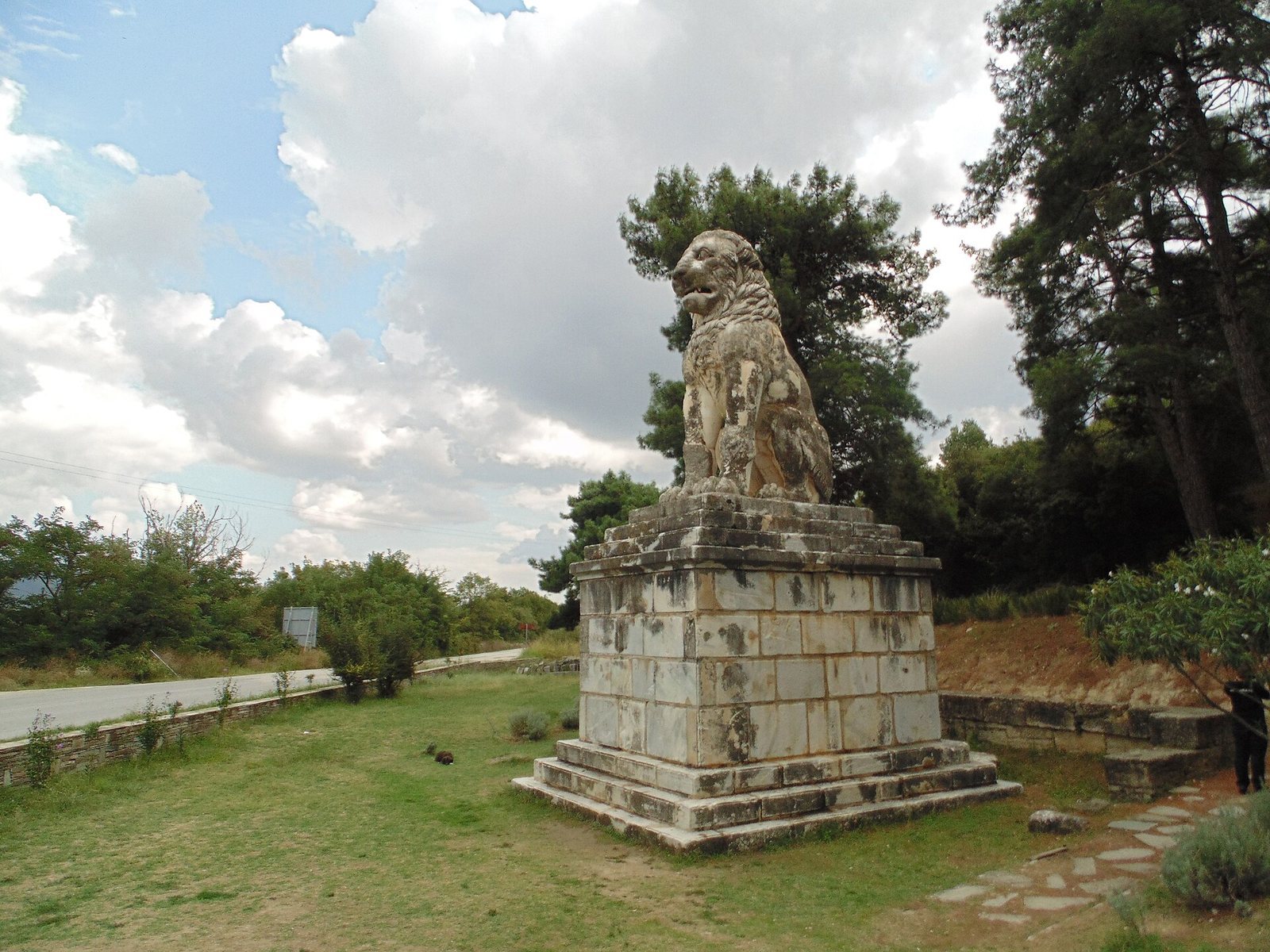
The monument consists of a marble lion seated above bases. It stands on the west, or right, bank of the Strymon River, opposite ancient Amphipolis and about one kilometre beyond the city’s south gate.
The seated lion
The sculpture is 5.30 metres high, with its main body measuring more than four metres and its head about two metres. With its bases, the full monument rises over eight metres. The Lion is described as larger and bulkier than the Lion of Chaeronea. Architect Michalis Lefantzis has suggested that its relatively imprecise forms were intended for a position 35–40 metres above ground, where they would have appeared more regular when viewed from a distance.
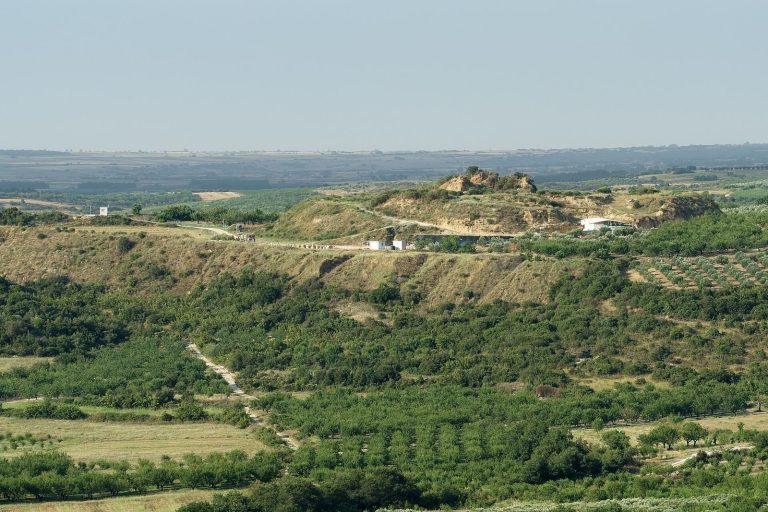
Evidence from Kasta Hill
Excavations at the summit of Kasta Hill uncovered fragments from the Lion’s back and the foundations of its first pedestal. Peristeri identifies the sphinxes excavated from the Amphipolis tomb as products of the same workshop as the Lion.