Forte Corno d’Aola: An Italian Alpine Artillery Fort
Site at a Glance
- Popularity
- Very Low
- Country
- Italy
- Primary era
- Modern
- Eras represented
- Modern
- Civilizations
- Italian
- Site type
- Military
- Remains
- Fort
On this page5 sections
History
Forte Corno d’Aola is an Italian artillery fort on Mount Corno d’Aola, south of Ponte di Legno in Italy. Begun in 1900, it formed part of the Tonale-Mortirolo defensive barrier, a system of fortifications intended to defend mountain passes. It became one of Italy’s most important artillery forts in the White War, the high-altitude fighting between Italy and Austria-Hungary during the First World War, including battles in the Adamello sector.
Construction and defensive purpose
Ponte di Legno gave the State Defense Office, the Italian government body responsible for military defense, the site and land for a road between the town and Corno d’Aola without charge. Work continued in summer 1913, when 117 workers and local building firms were involved. The fort was completed in late 1913 or around the start of 1914, and the Italian Ministry of War became its first owner. Its main targets were the road from Vermiglio and Austro-Hungarian positions in the upper Val di Sole.
The First World War
Italy entered the war at midnight on 24 May 1915. The fort’s guns provided indirect support to the Morbegno Battalion, an Italian Alpine infantry unit, and later returned fire against other defensive positions. Its bombardments damaged Fort Presanella and Fort Saccarana.
In mid-August 1915, two Austro-Hungarian 30.5-centimetre mortars in the Vermiglio valley attacked the fort. Three of the four guns then present were taken outside, and black-painted logs were placed in their empty positions to make the fort appear operational. After a shell pierced an armoured gun mount without exploding, a mortar near Fort Strino fired 65 rounds at the fort in retaliation. About 60 percent of the many hits failed to explode, but the fort sustained serious damage and evacuation was recommended. The remaining gun was later removed. The fort’s searchlight also assisted during the fighting.
Postwar use and destruction
The fort was abandoned after the First World War. In 1927, the Ministry of Defense leased it to Emilio Antonioli of Manerbio for use as a summer colony for employees of the Marzotto wool mill. In 1945, during the German retreat at the end of the Second World War, German forces destroyed the fort because they feared an enemy might use it as a strongpoint in a future conflict.
Remains
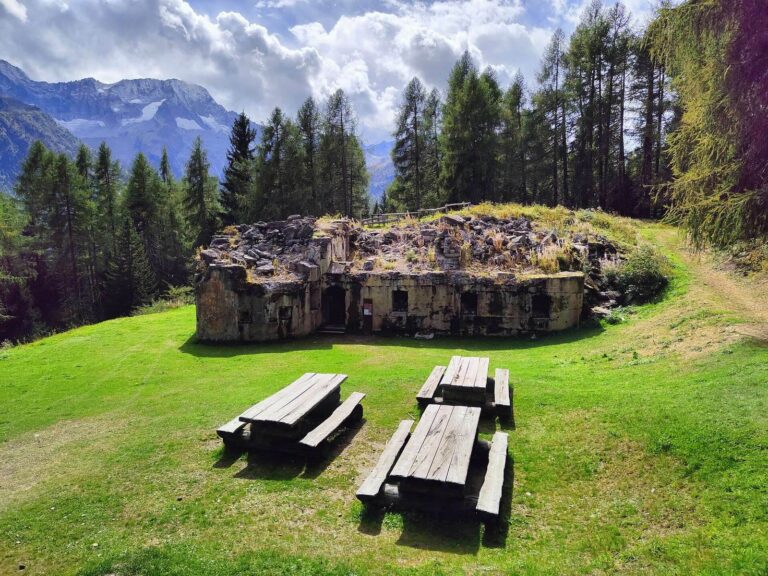
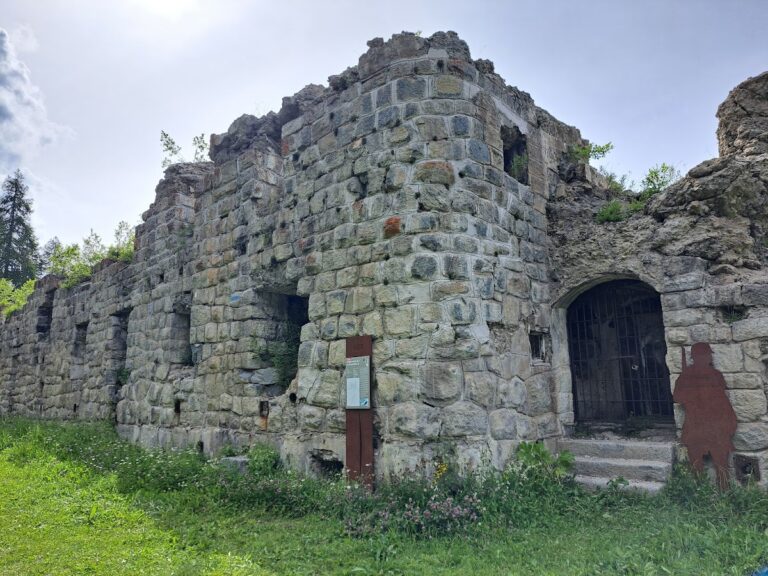
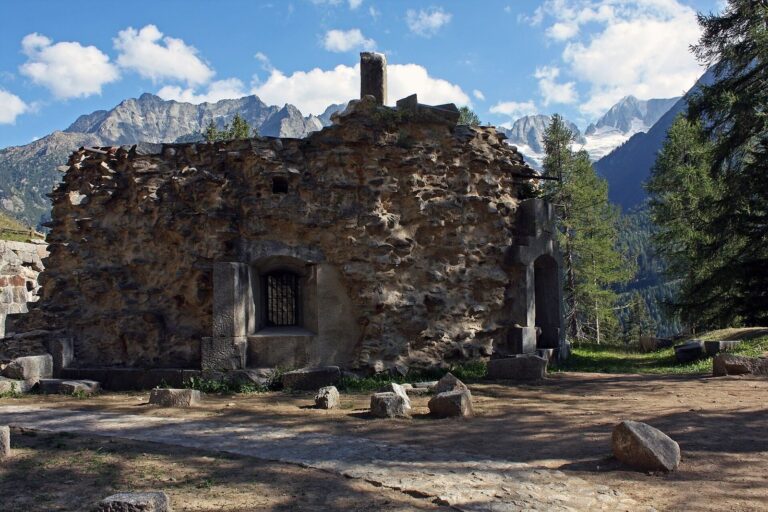
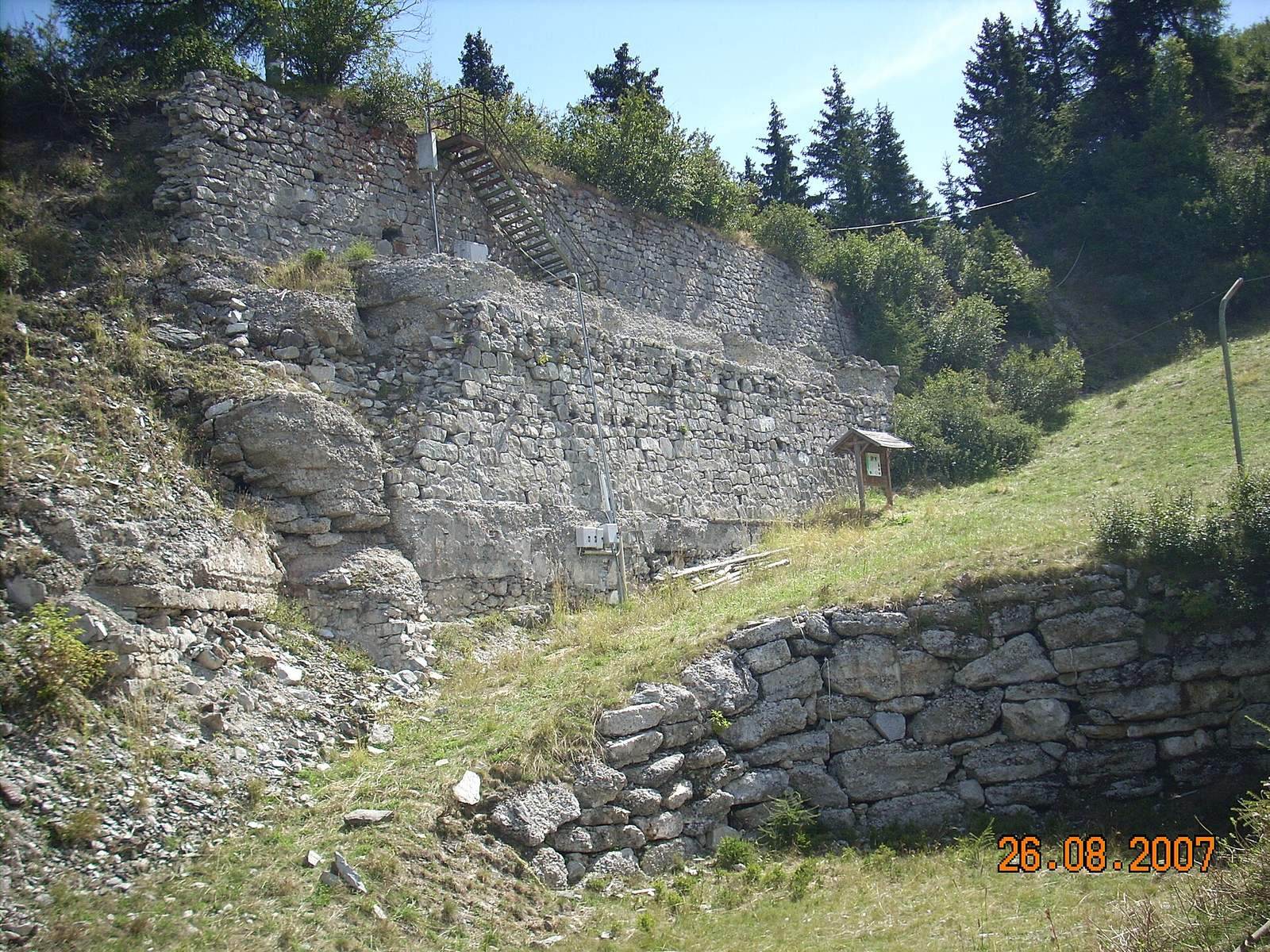
The fort stood at an elevation of 1,964 metres on Dosso Prepazzone, just below the ridge toward the summit of Mount Corno d’Aola. Its position overlooked the Tonale Pass and strategic positions in the surrounding area. The listed armament comprised six guns designated 149/A, mounted in rotating armoured cupolas, protected gun mounts that could turn to aim. A searchlight was also part of the equipment. A granite church was built at the site during its postwar use as a summer colony. Only a small portion of the fort remains.