Church of Sant’Anna at Tor Tre Teste: A Roman Catholic Church in Italy
Site at a Glance
- Popularity
- Medium
- Country
- Italy
- Primary era
- Early Modern
- Eras represented
- Medieval, Early Modern
- Civilizations
- Papal States
- Site type
- Religious
- Remains
- Church
On this page7 sections
History
Origins and religious role
The Church of Sant’Anna at Tor Tre Teste is a Roman Catholic church in Italy. It originated in the 12th century, but its completion is dated to the 17th century; the date of its consecration is uncertain. Dedicated to Saint Anne, traditionally regarded in Christianity as the mother of Mary, it followed the Roman rite, the principal liturgical tradition of the Latin Church. The church belonged to the Diocese of Rome, a bishop’s territorial jurisdiction, and was managed by canons, clergy belonging to the chapter of the Basilica of St John Lateran, Rome’s cathedral.
Until 1948, the church provided religious care to about 130 families, most of them workers.
Collapse and later history
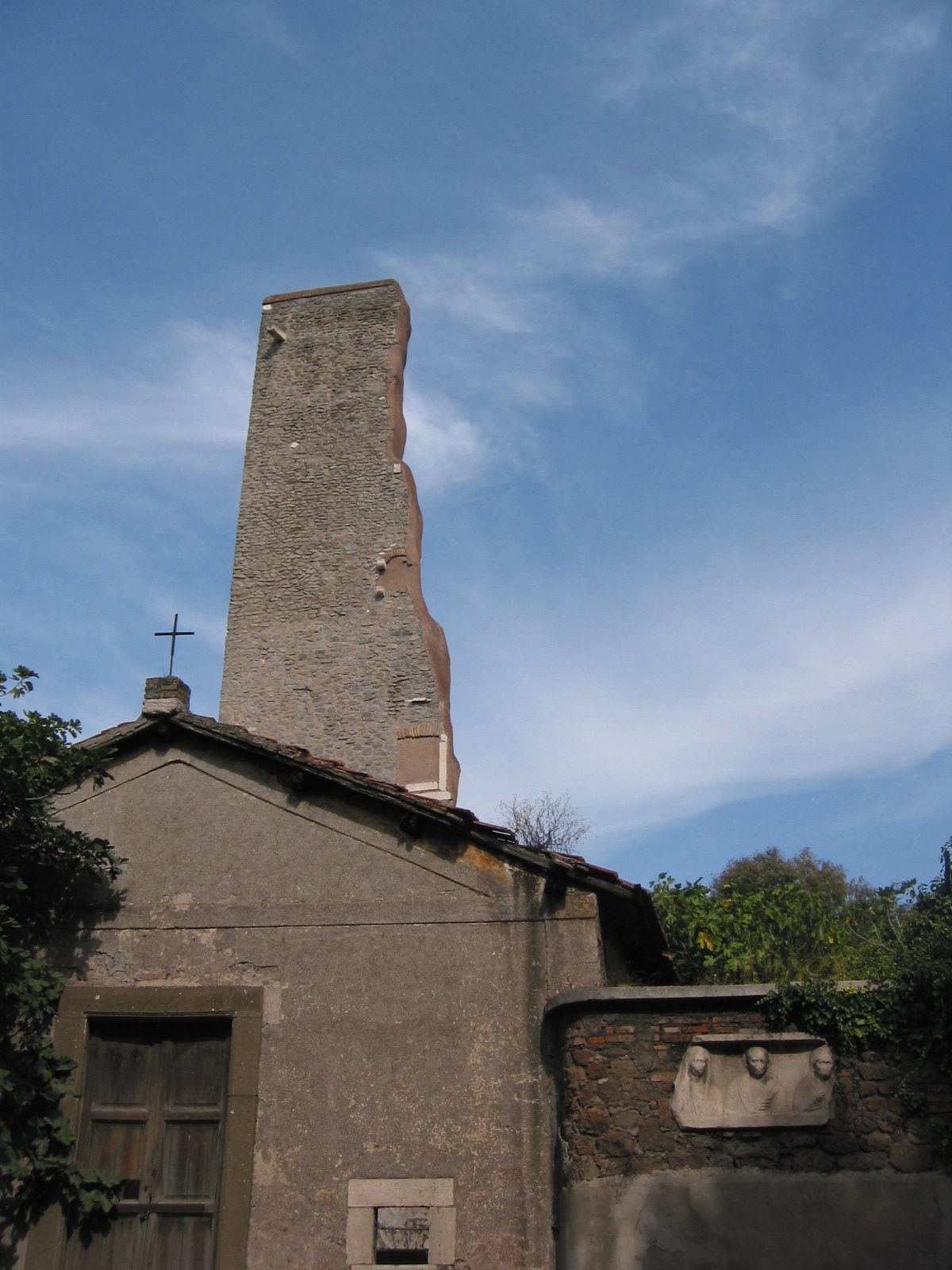
A major collapse of the tower in 1948 led to the church’s abandonment. Services were temporarily held in nearby Army barracks, and the church was deconsecrated that year. The tower suffered further collapses in 1966 and 1972. After the 1972 collapse, Italy’s Fine Arts Superintendency, the public authority responsible for cultural heritage, carried out restoration work on the tower. Since 2012, the church has been attached to the parish of San Cirillo Alessandrino.
Remains
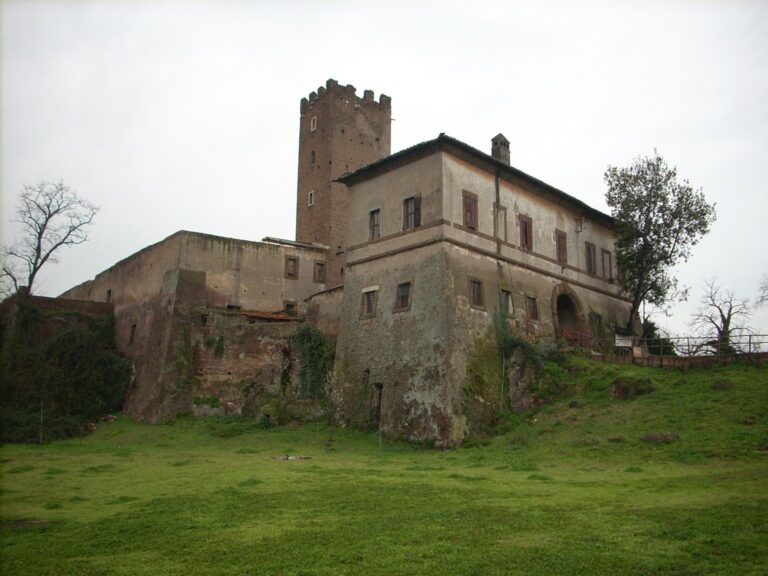
The surviving complex comprises a single-nave church beside a ruined medieval tower at its rear.
The tower
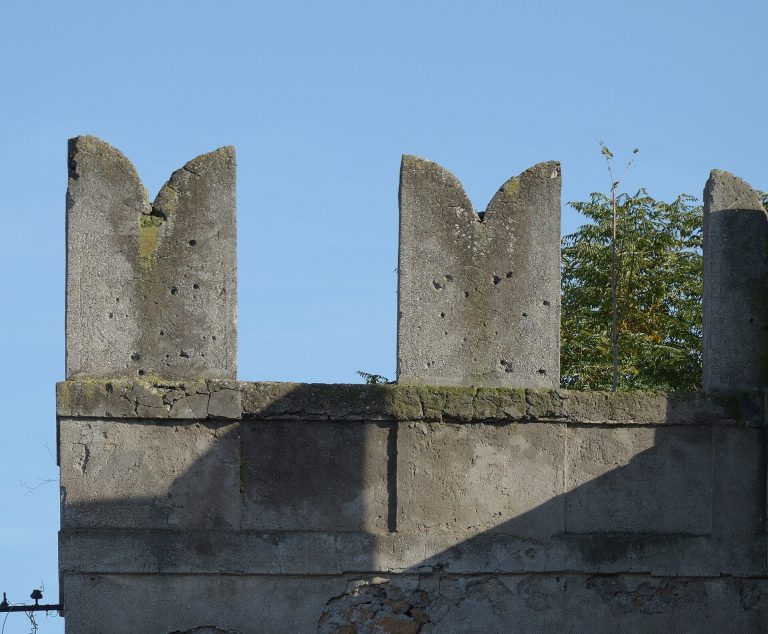
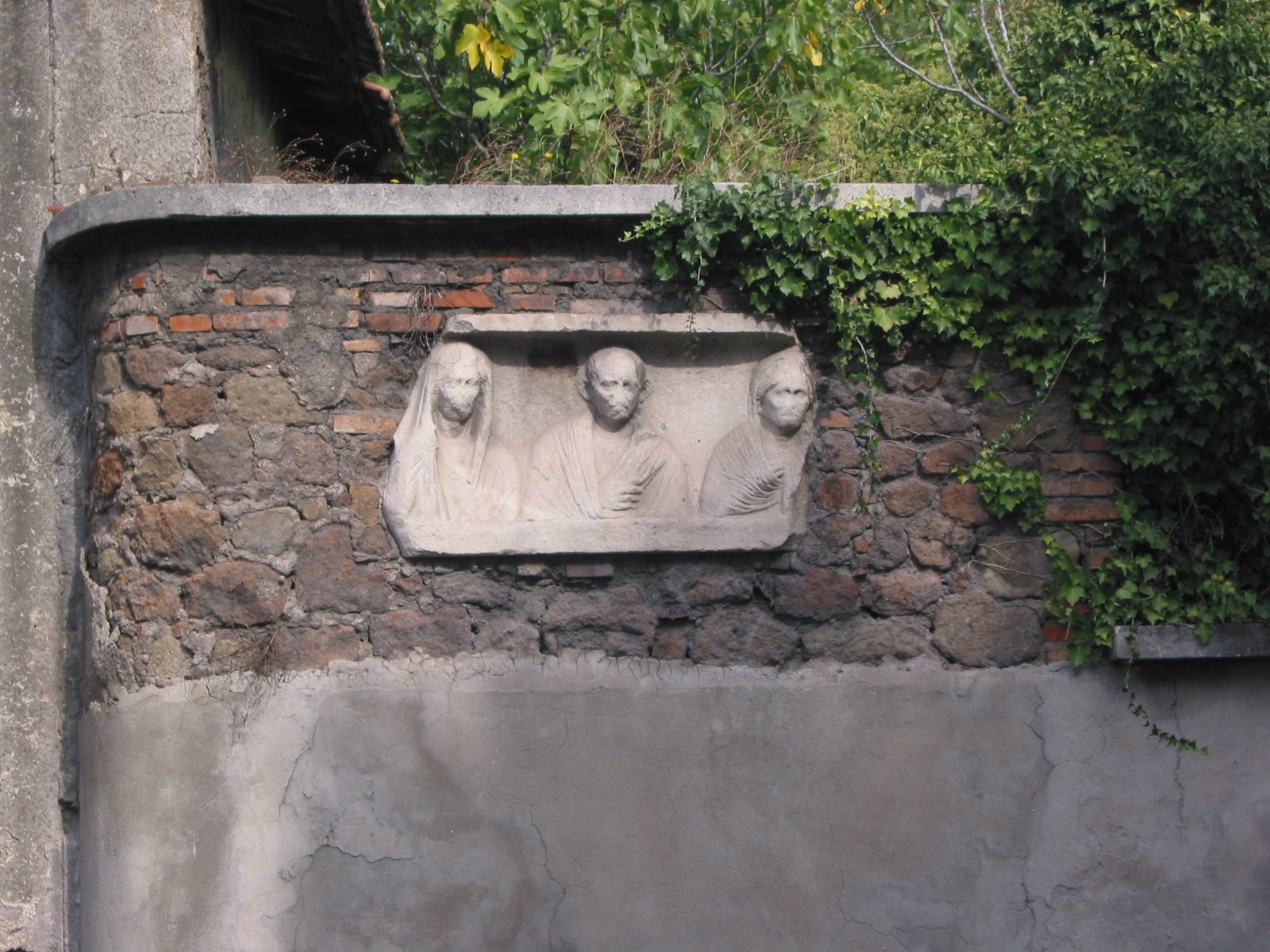
The tower was originally square, with sides about 8.5 metres long, and rose five storeys to a height of roughly 18 metres. Its top had battlements, low protective wall sections with openings, and a bell. Only a few traces remain of its windows, which had marble frames. A shallow carving on the tower shows three faces, including one female face; it may have been reused from an ancient sarcophagus. The tower and carving are associated with the name Tor Tre Teste, meaning “three heads.” A fragmentary inscription once stood on the south side. It links the tower to the Basilica of St John Lateran and has prompted the tentative suggestion that the tower was originally called the Tower of St John.
The church
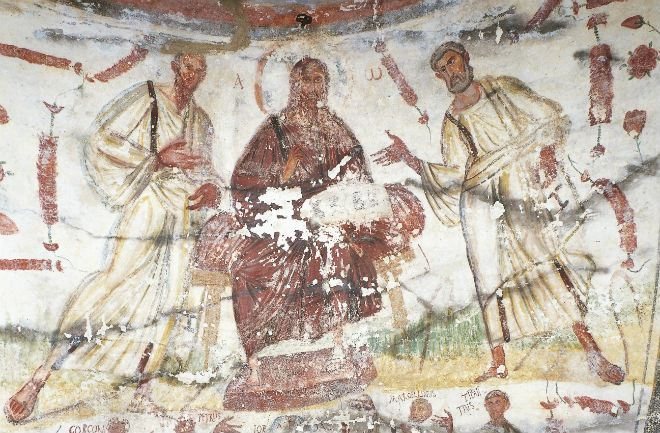
The church has one central worship space and a simple façade with a doorway and two low-set windows. Fragments of 12th- and 13th-century frescoes, wall paintings made on wet plaster, survive on the interior walls.
Finds from the grounds
Archaeological finds from the church grounds include a statue identified as a maenad, a female follower of Dionysus in ancient Greek religion. The grounds have also yielded a mosaic depicting Europa, a figure from Greek mythology, and another mosaic showing a deity identified as either Flora, associated with flowers, or Tellus, associated with the earth. The grounds now belong to the Army.