Church of Saint Adalbert in Dalewo: A Roman Catholic Parish Church
Site at a Glance
- Popularity
- Very Low
- Country
- Poland
- Primary era
- Medieval
- Eras represented
- Medieval, Early Modern, Modern
- Civilizations
- German, Kingdom of Poland, Polish–Lithuanian Commonwealth
- Site type
- Religious
- Remains
- Church
On this page4 sections
History
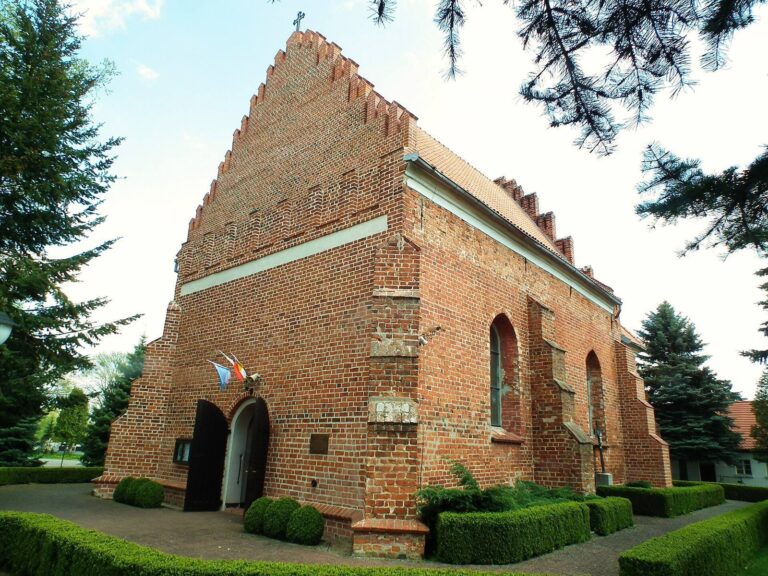
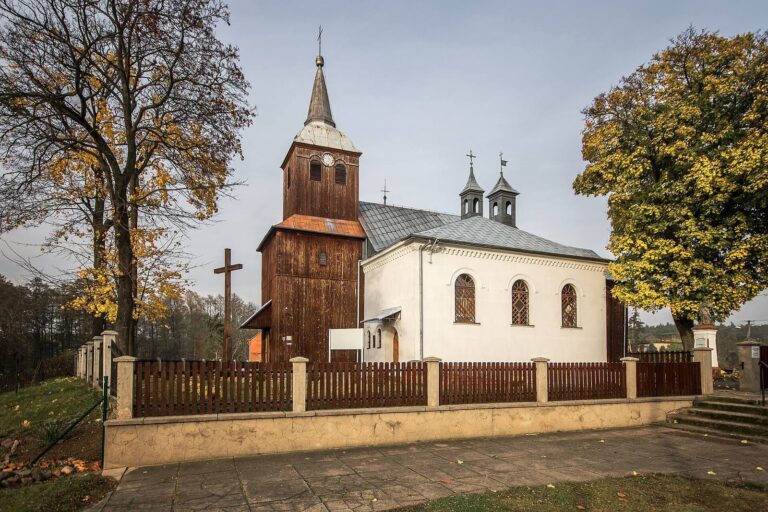
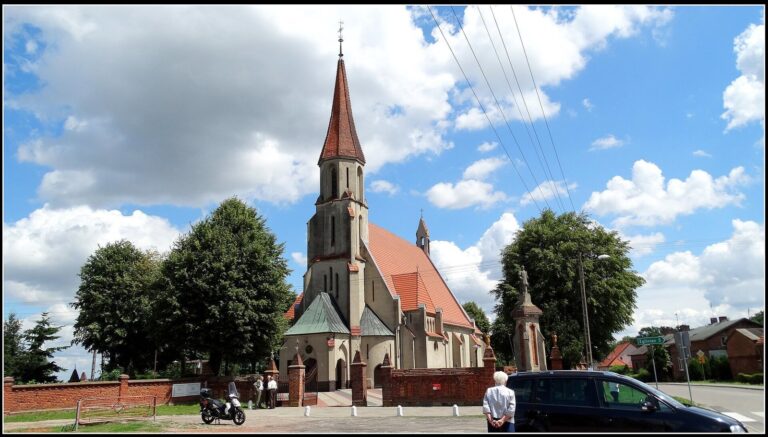
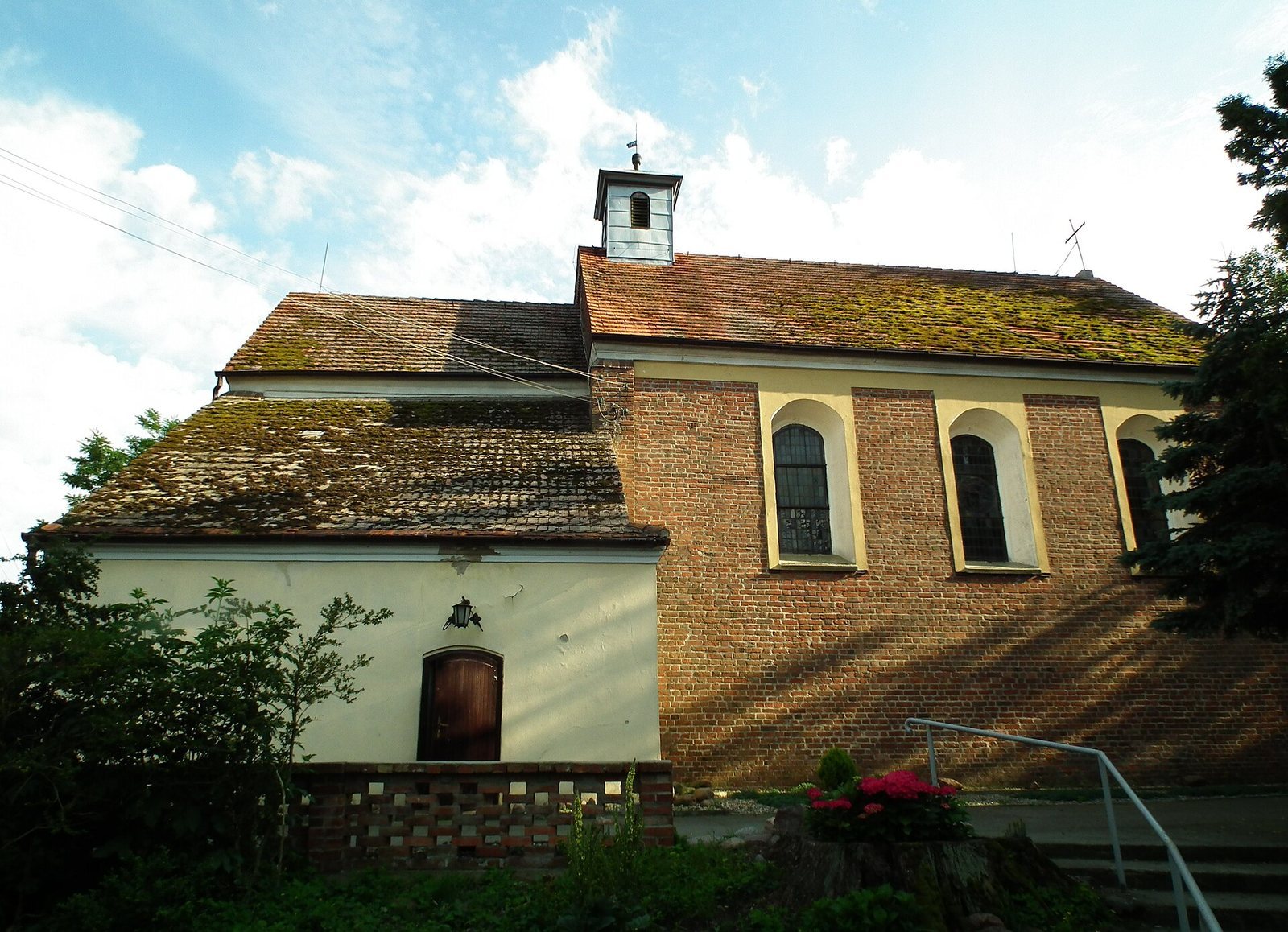
The Church of Saint Adalbert in Dalewo is a Roman Catholic parish church in Poland. Dedicated to Saint Adalbert, a medieval missionary bishop and martyr, it belongs to the parish bearing his name. The early Gothic church dates to the beginning of the fourteenth century and was rebuilt in the seventeenth century. Saint Adalbert’s liturgical commemoration is observed on April 23.
Several people are buried near the church, including Julian Cichowski (1870–1948), who served as Dalewo’s parish priest and as dean of Śrem, a senior cleric overseeing a group of parishes. Jan Konopczyński (1883–1961) was an honorary canon of the Primate’s Chapter in Gniezno, a clergy body associated with a church. He served as parish priest of the Sacred Heart of Jesus in Bydgoszcz and as dean of Bydgoszcz I, and was the builder of the Church of Our Lady of Perpetual Help in Bydgoszcz’s Szwederowo district.
Remains
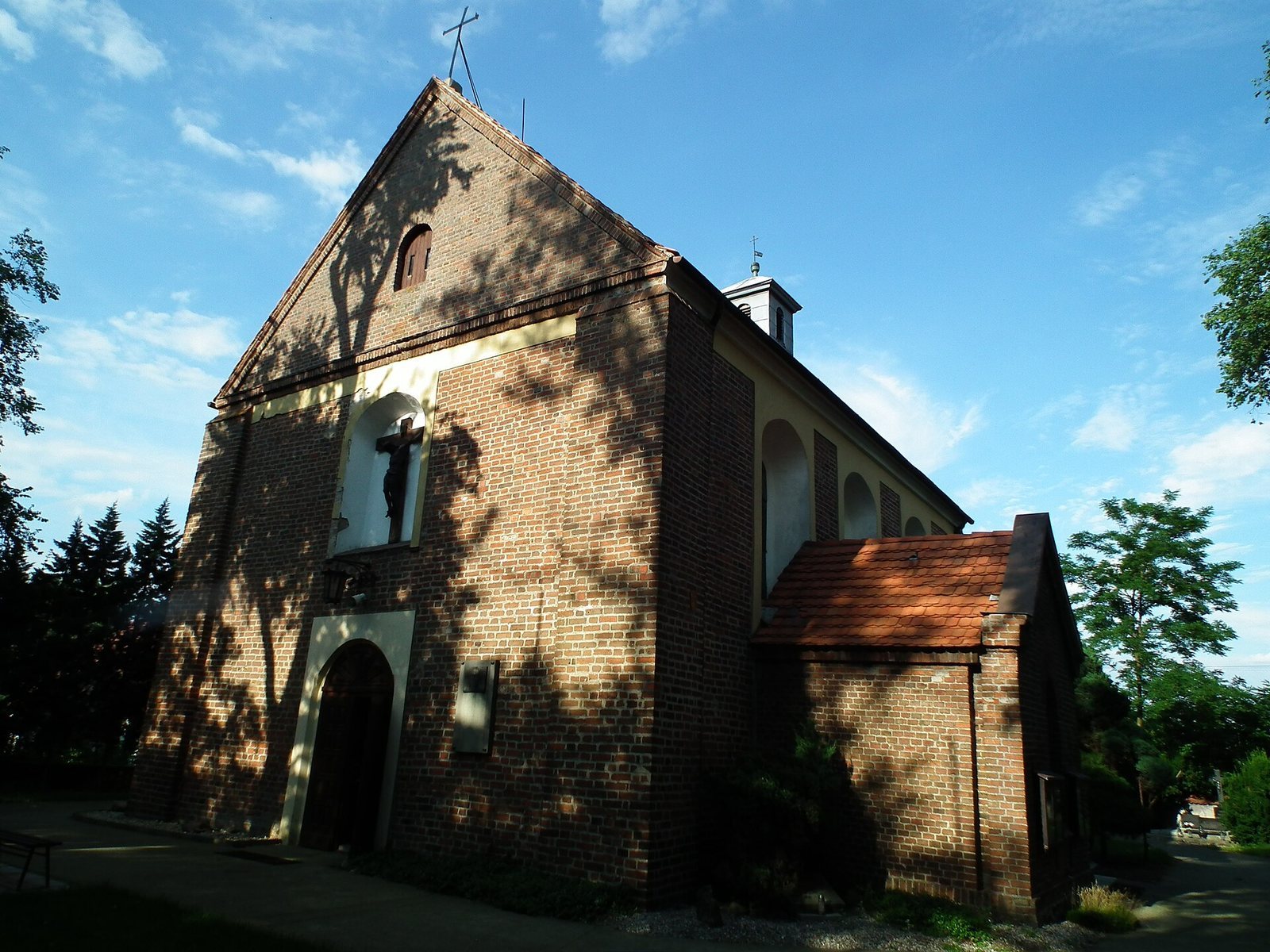
The brick church has a single nave, a narrower chancel, the area around the altar traditionally reserved for clergy, and a gabled roof. A small turret carries an iron weather vane marked with the date 1699 and the letters LC.
Interior furnishings
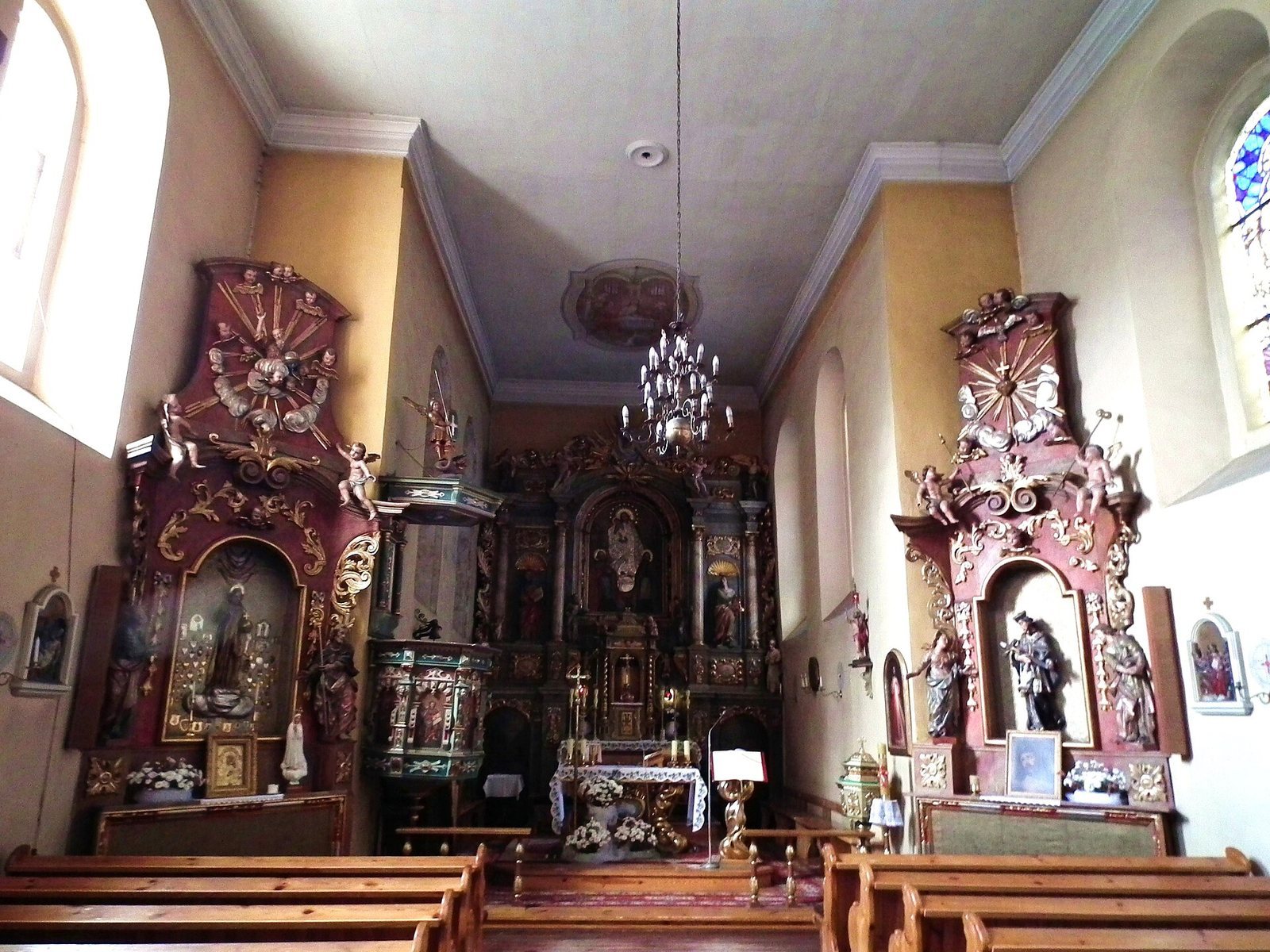
The church has three altars. Its main altar is Baroque, a later European artistic style associated with dramatic ornament, and dates from before 1610. It contains a painting dated 1687 showing the Virgin Mary and Child adored by Saint Stanislaus, a Polish bishop and martyr, and Saint Adalbert. Wooden figures of the apostles John the Evangelist and Matthew, traditionally associated with the Gospels, stand beside the altar. Wall paintings above the chancel, dated 1613, depict the church’s patron saints. The Baroque side altars contain figures of Christ the King, a title for Jesus, and Saint John of Nepomuk, a fourteenth-century Bohemian priest and martyr. The organ has nine stops, which control sets of pipes, one hand-operated keyboard, and a foot-operated keyboard.
Bell tower and memorials
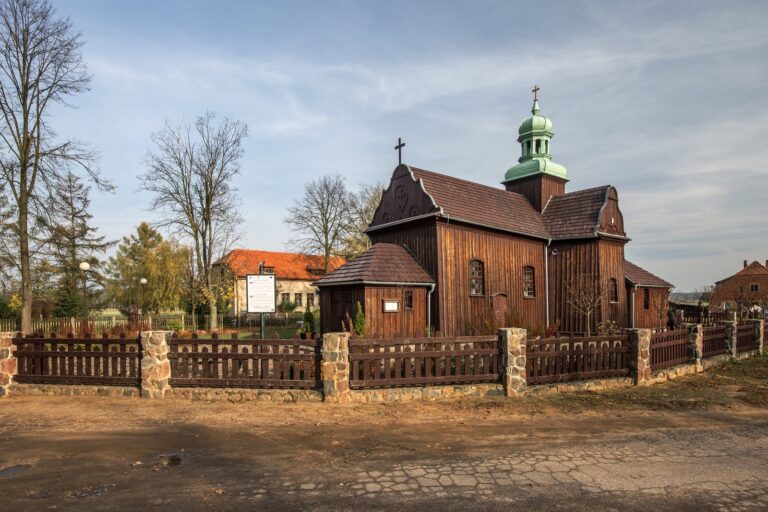
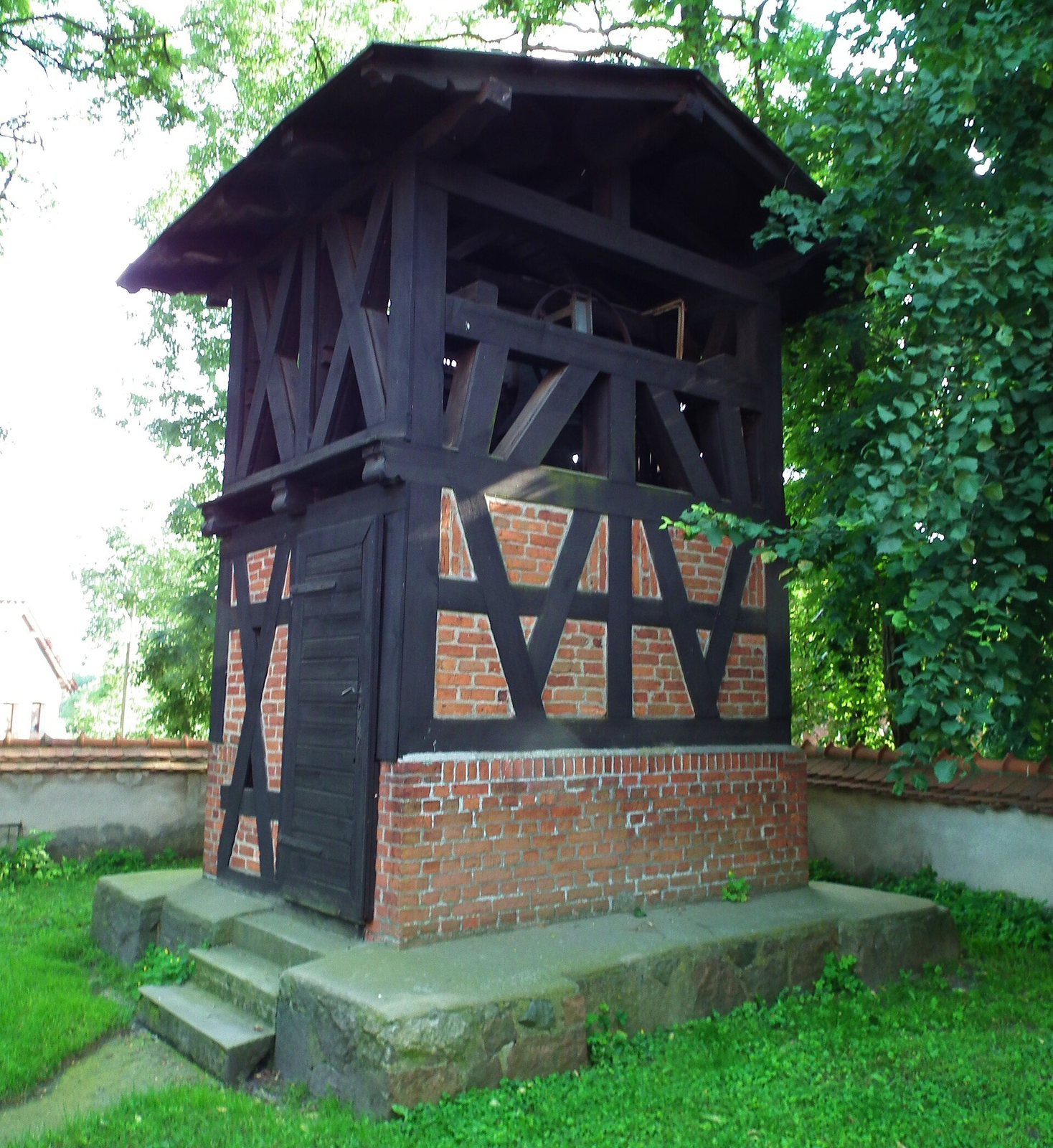
A freestanding wooden bell tower with a timber frame stands beside the church. It dates to 1878. Outside, a plaque honoring Piotr Wawrzyniak (1849–1910), a Polish Catholic priest and social activist, bears the date 1980. Three further plaques commemorate people killed in the world wars.