Rapayán: An Andean Urban Settlement in Peru
Site at a Glance
- Popularity
- Very Low
- Country
- Peru
- Primary era
- Medieval
- Eras represented
- Medieval, Early Modern
- Civilizations
- Inca
- Site type
- City
On this page10 sections
History
Rapayán is an archaeological settlement in Peru that served residential and funerary purposes. People occupied it from the Initial Period (2000–800 BCE) through the Late Horizon (1450–1532 CE). The Initial Period, Early Horizon, Early Intermediate, Middle Horizon, Late Intermediate, and Late Horizon are successive labels used to organize the archaeology of the Andes.
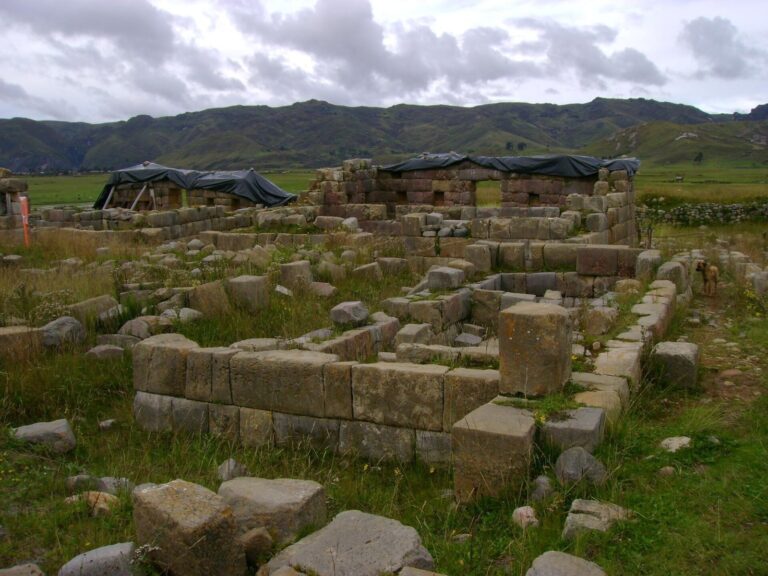
During the Late Horizon, the Inca, builders of a powerful Andean empire, constructed a distinct sector at Rapayán. Occupation may have continued into the colonial period. Peru recognizes the site as National Cultural Heritage, a designation identifying it as part of the country’s recognized cultural heritage.
Remains
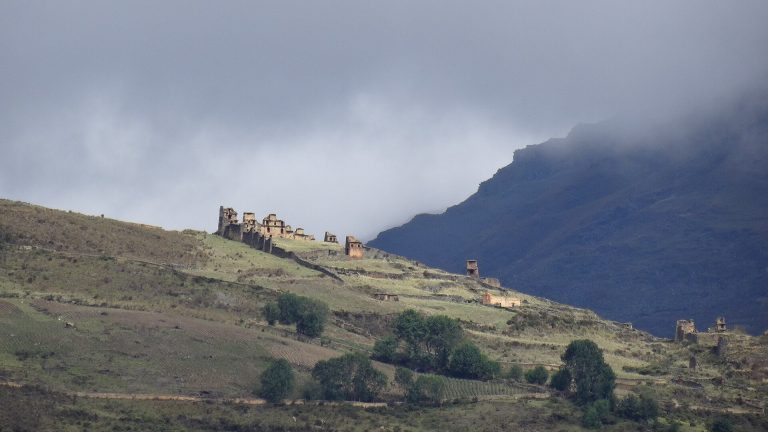
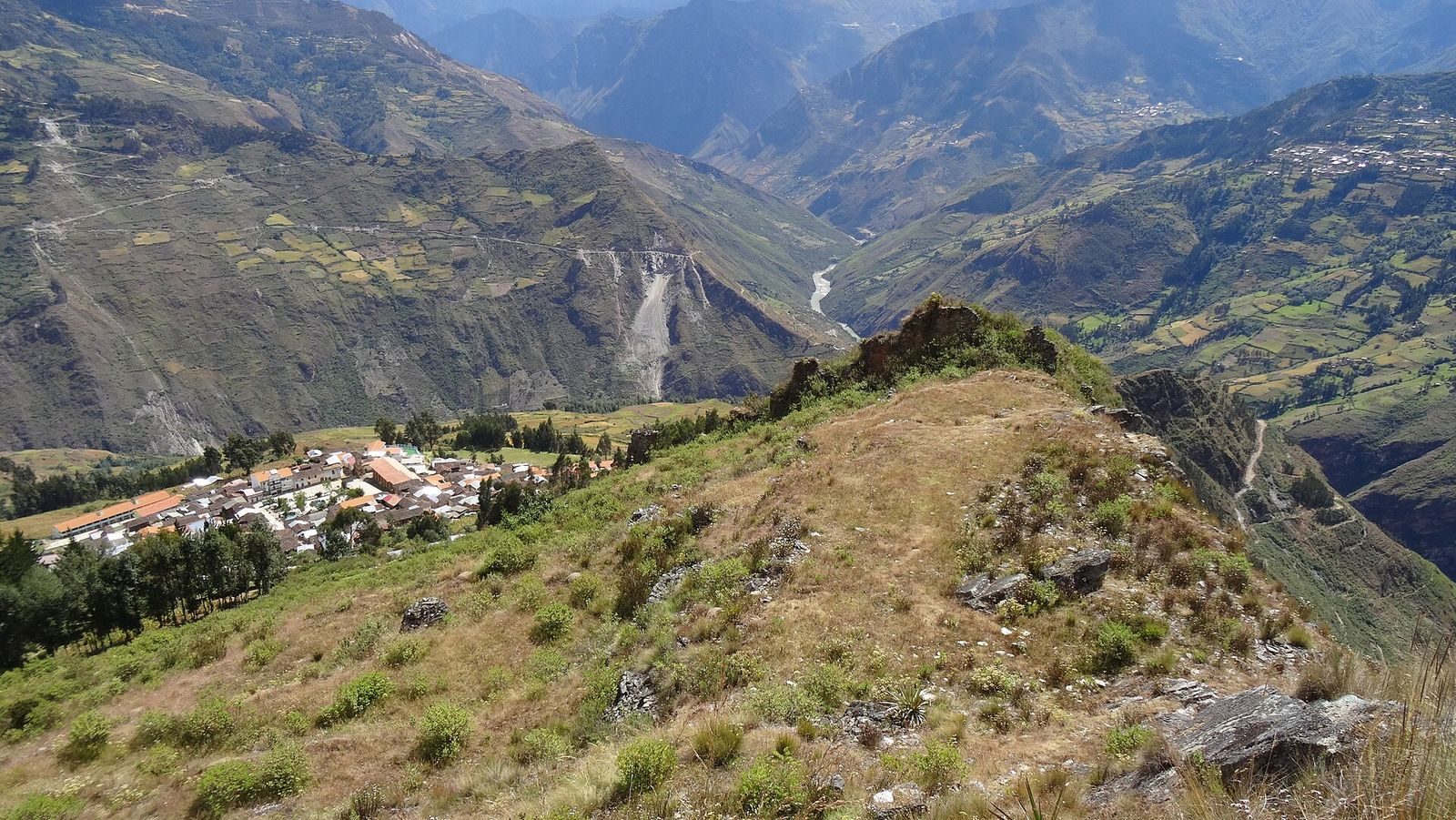
Rapayán lies on the west bank of the Marañón River, east of the Cordillera Blanca on the eastern Andean slope. Its four sectors share a common architectural arrangement and form neighborhoods, or parts of one settlement, across terraced terrain. The settlement is described at 3,700 m above sea level. Area I is at 2,600 m, about 200 m above the river, while Area IV occupies the western end of the ridge at 3,500 m. Areas II and III lie between them. The site is near the modern town of Rapayán, in Huari Province, Áncash Department, in an area between Áncash and Huánuco.
Residential and funerary layout
Terraces and storage spaces
Structures are most concentrated in the central part of each sector. Galleries and storage spaces were built into terrace retaining walls, making the terraces part of the settlement’s built fabric. The Inca sector occupies well-built terraces directly northwest of Area IV.
Houses and chullpas
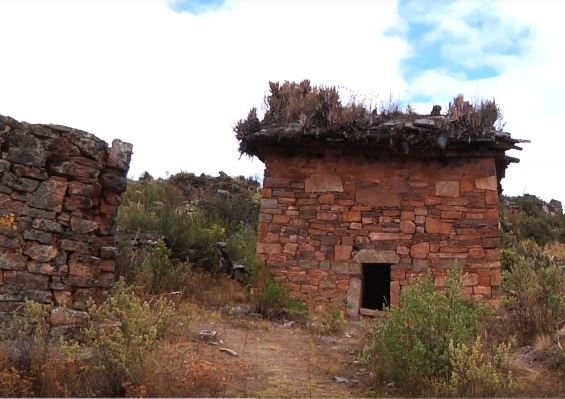
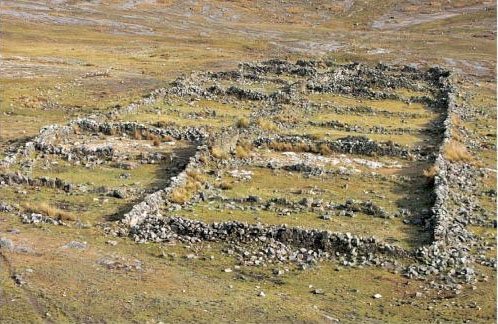
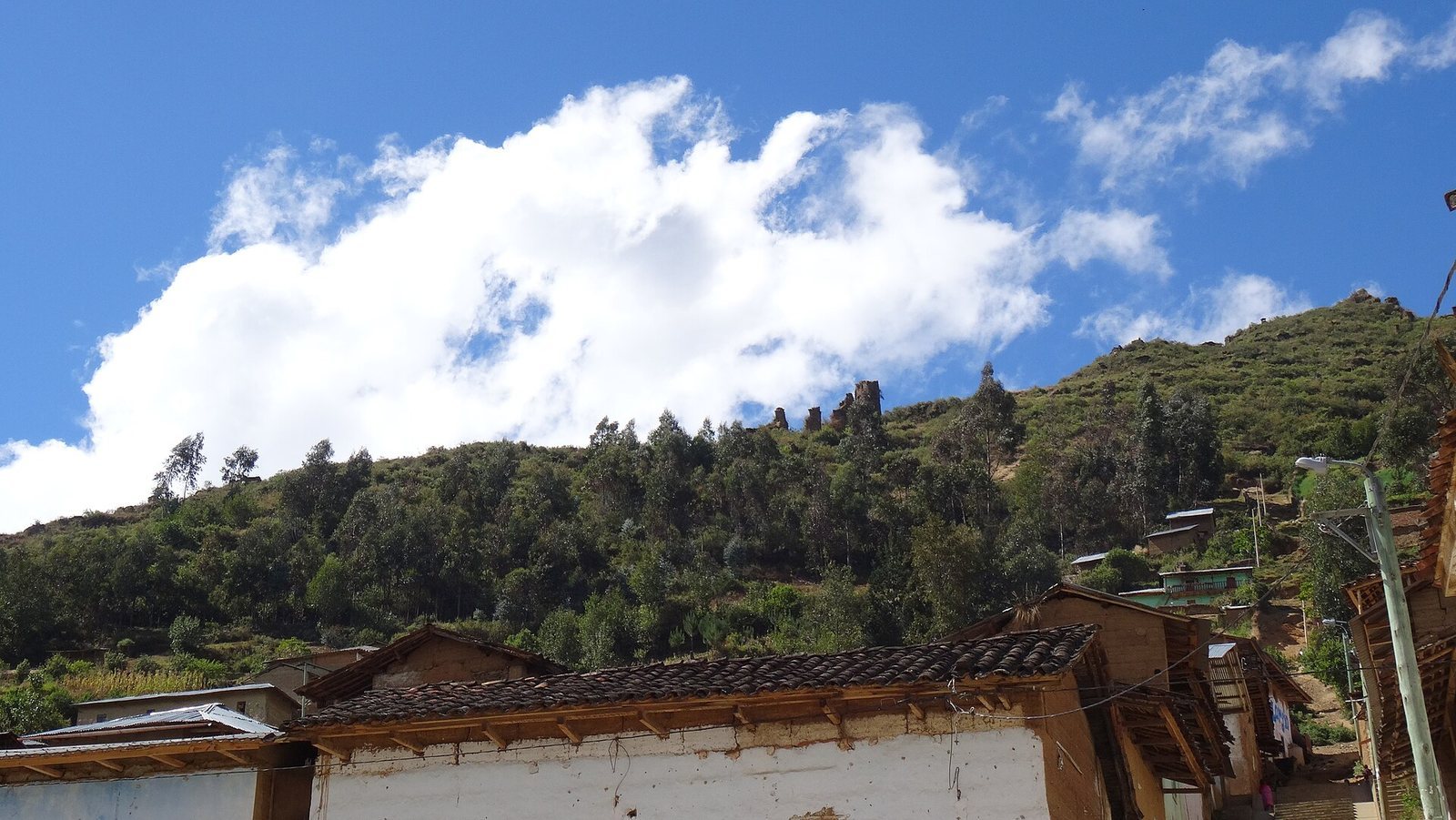
The rectangular houses contain at least two rooms. In the lower eastern part of each sector are several small, separate chullpas, Andean funerary structures often built as towers.
Pottery and chronological evidence
Initial Period pottery
Initial Period pottery differs from later wares in its forms and manufacturing methods. A common vessel is a neckless pot with paddle impressions on its outer surface.
Early Horizon and Early Intermediate pottery
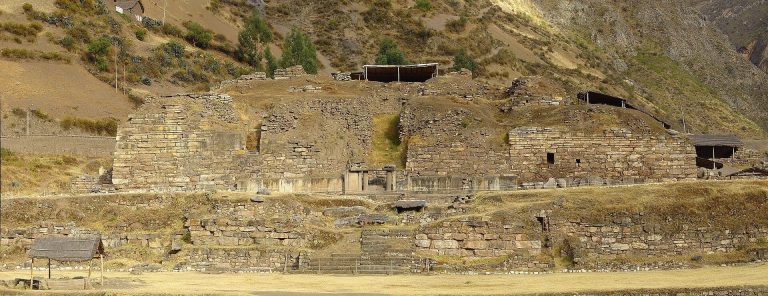
Early Horizon pottery includes bowls and polished, usually black, neckless pots resembling the style of Chavín, an Andean cultural tradition. Early Intermediate ceramics feature red slip over cream, white, or orange surfaces, as well as red and black designs on white, in styles resembling Recuay, another Andean cultural tradition.
Middle Horizon and Late Intermediate remains
Middle Horizon pottery includes local styles and wares associated with Wari, a distinct Andean cultural tradition. Late Intermediate remains include structures built on the surface and mostly domestic pottery. This pottery is generally coarse, in brown, beige, or dark red.
Inca sector
Large rectangular structures and Inca-style pottery in the sector’s earliest level support its Late Horizon date. An Inca-style feature has been interpreted as either a fountain or a bath.