Vranokastro: An Ancient and Byzantine Fortress in Greece
Site at a Glance
- Popularity
- Very Low
- Country
- Greece
- Primary era
- Medieval
- Eras represented
- Classical, Medieval
- Civilizations
- Byzantine, Kingdom of Macedon
- Site type
- Military
- Remains
- Fort
On this page5 sections
History
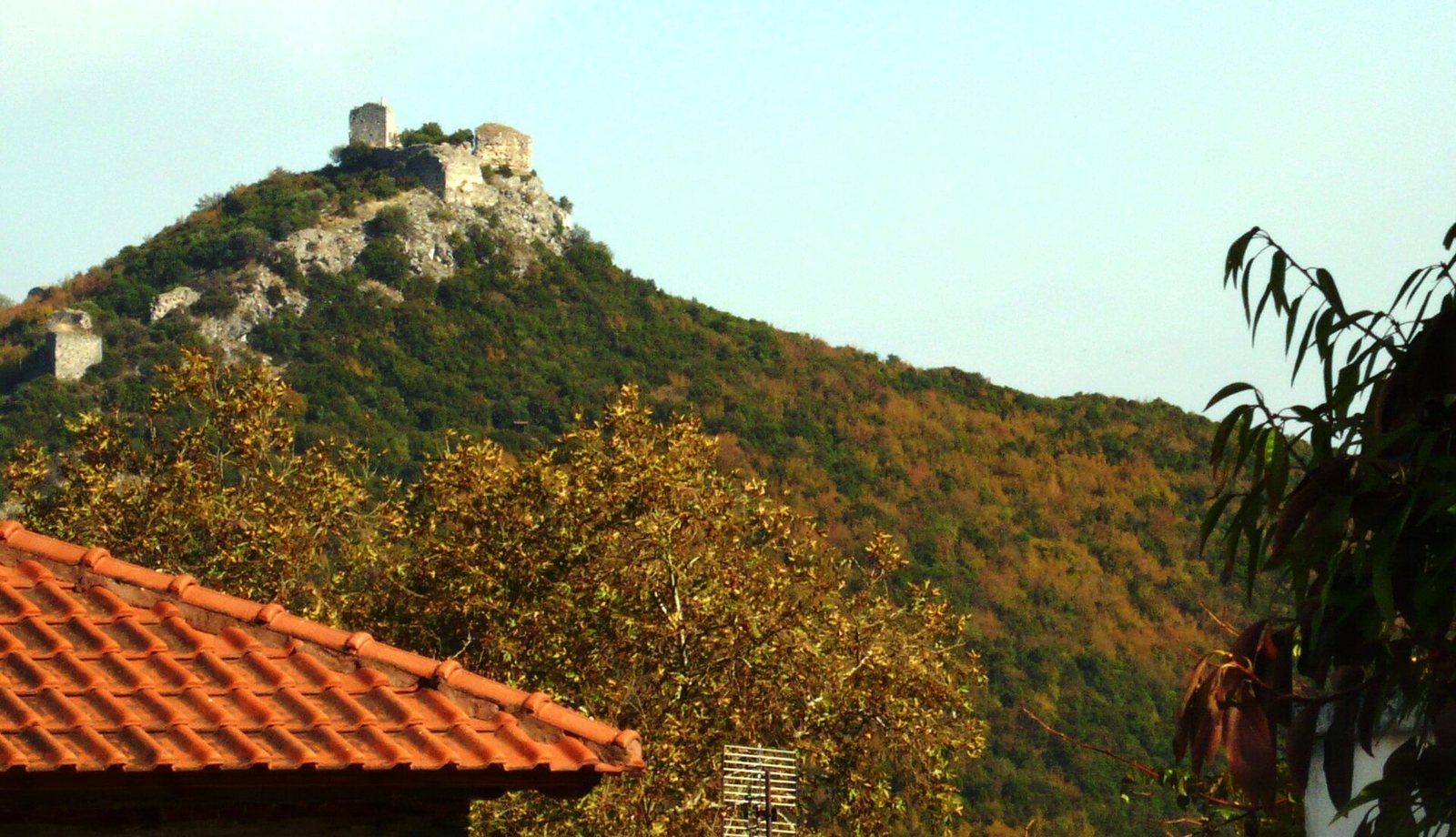
Vranokastro is a ruined fortress on the northeastern slopes of Mount Kushnitsa in Greece, east of Paleochori. The Macedonian state built it in antiquity to protect nearby gold mines, whose revenues helped finance Alexander the Great’s campaigns across Asia.
Roman Use
After the mines were exhausted, the fortress was abandoned. During the Roman period, it served intermittently as an outpost before gradually falling out of use.
Byzantine Reconstruction
In 1185, Byzantine commander Alexios Branas rebuilt the fortress, strengthened its defenses, and placed a garrison there. The Byzantine Empire was the medieval eastern Roman state. With the mines no longer in operation, the fortress guarded a pass and road between the Kushnitsa mountain range and Lake Prasiada, which then covered the plain of present-day Philippi. Vranokastro is also called Paleochori Castle. Local tradition links it to Alexander the Great and calls it the Fortress of Alexander the Great.
Ottoman Capture and Local Traditions
The Ottoman Empire, a state that expanded across southeastern Europe and western Asia, captured the fortress in 1383. Local tradition holds that the siege lasted forty days. On the feast of St Theodore, residents of Paleochori and the surrounding area visit the fortress’s chapel to honor the saint.
Remains
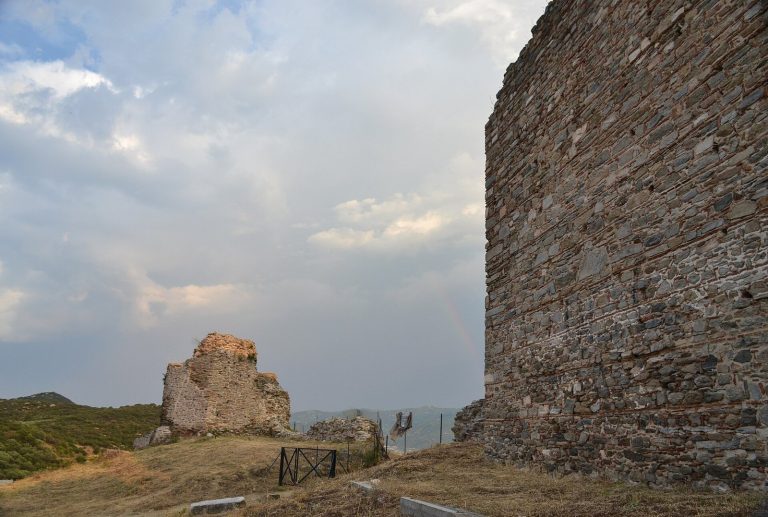
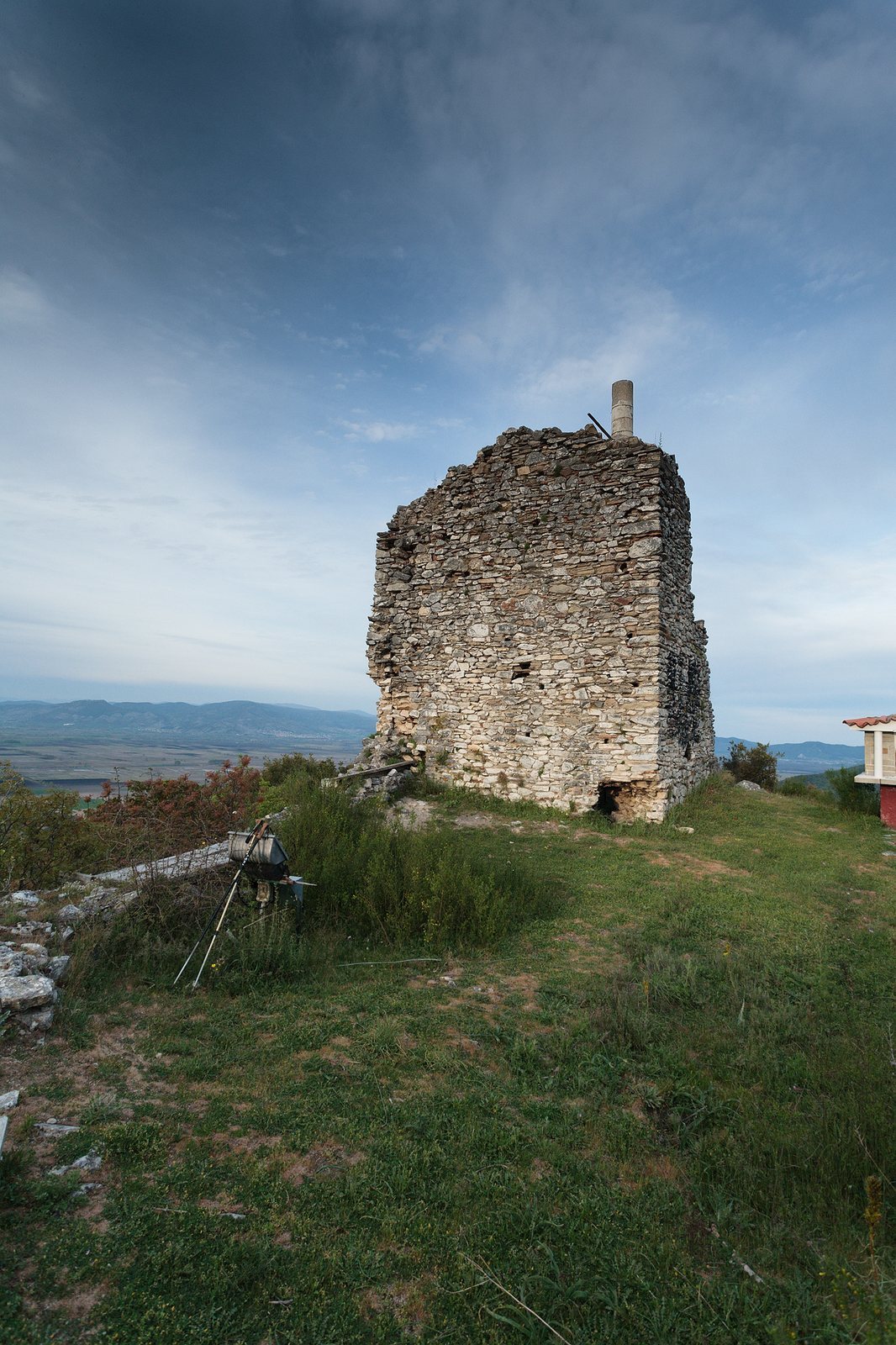
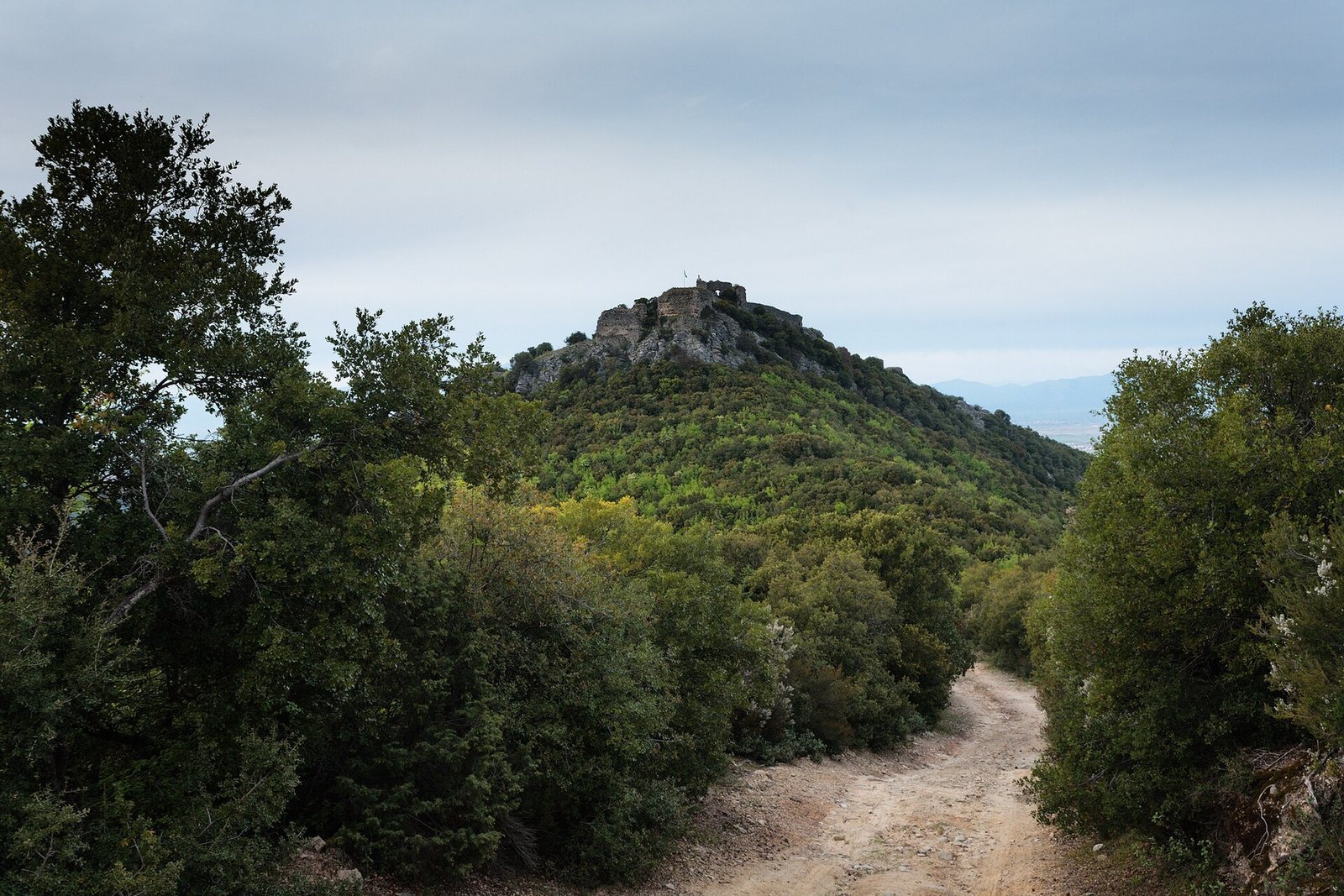
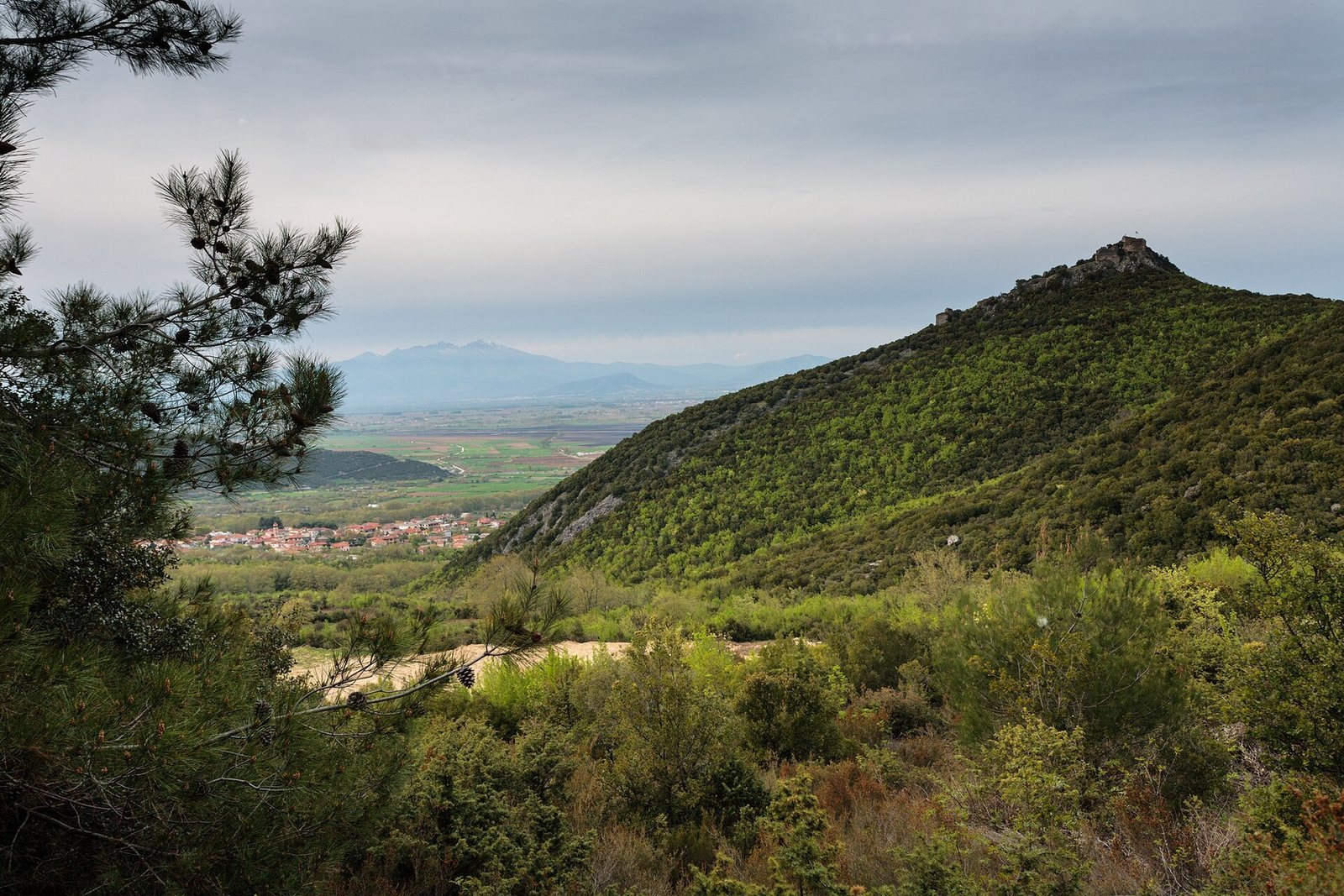
The ruined fortress occupies a hill on Mount Kushnitsa (Pangaion), with distant Bozdak in the surrounding landscape. A tower is located in the citadel, the fortified inner stronghold within the larger defensive site. A small chapel dedicated to St Theodore stands in the Upper Town.