All Saints Parish Church Complex in Babice, Poland
Site at a Glance
- Popularity
- Very Low
- Country
- Poland
- Primary era
- Early Modern
- Eras represented
- Early Modern, Modern
- Civilizations
- Austria-Hungary, Habsburg, Kingdom of Poland, Polish–Lithuanian Commonwealth
- Site type
- Religious
- Remains
- Church
On this page14 sections
History
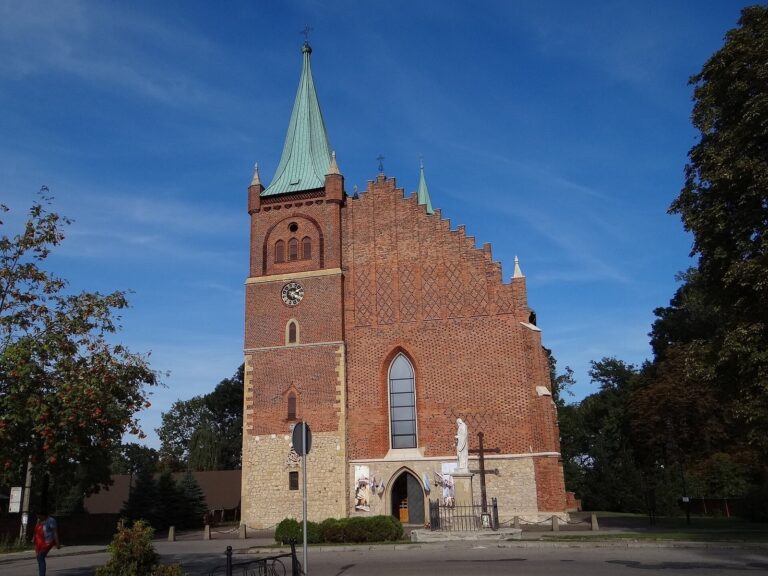
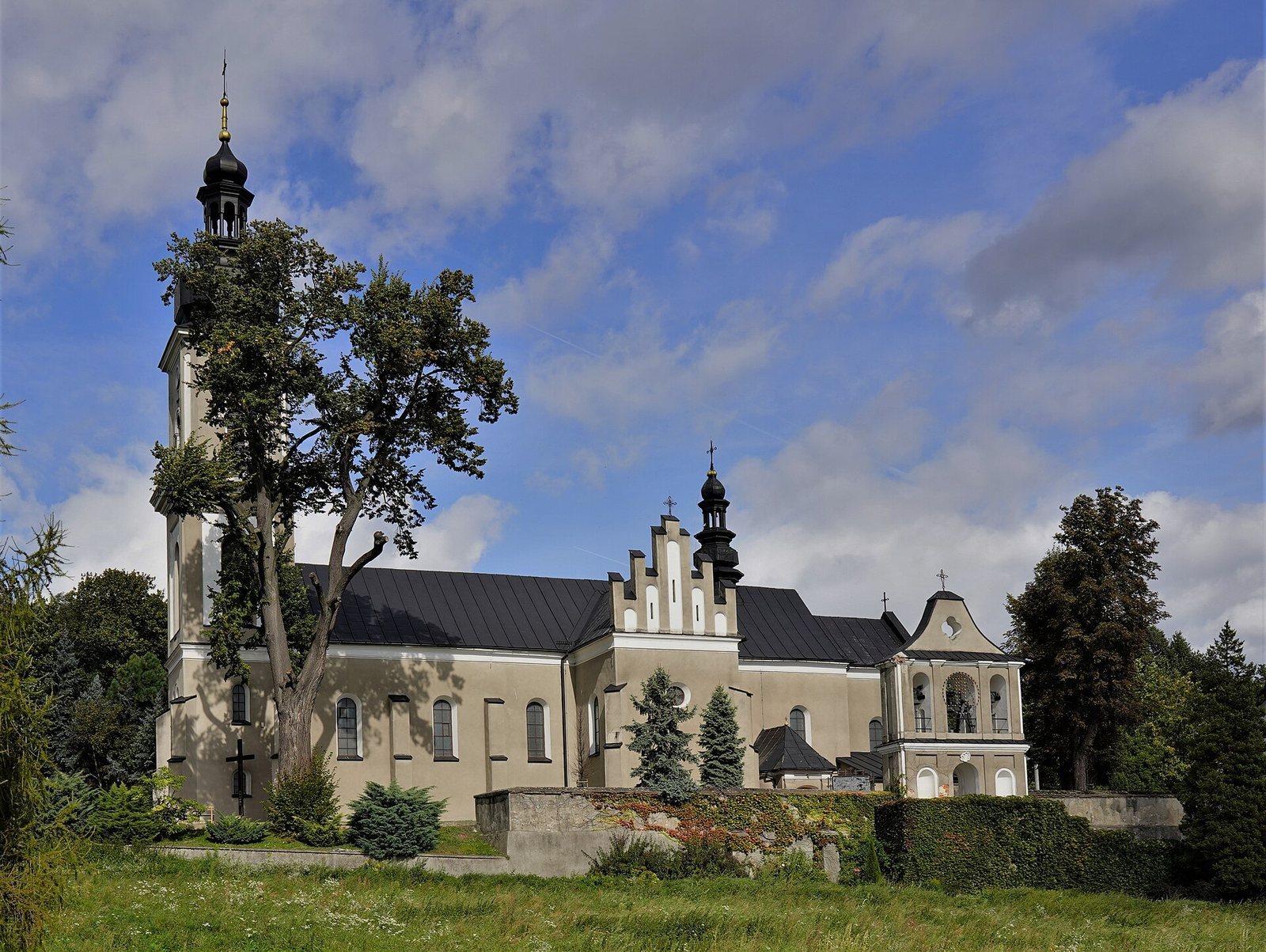
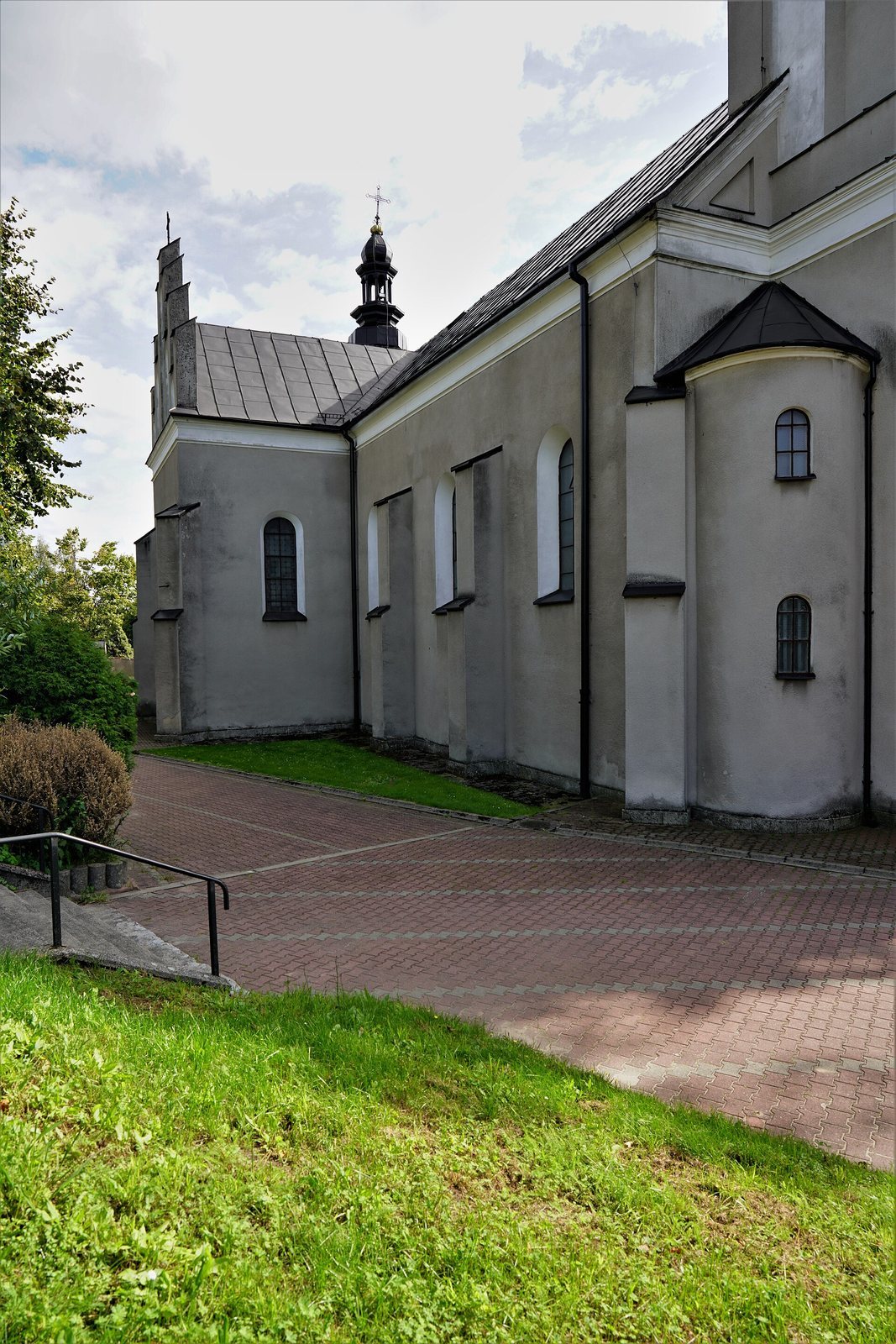
The All Saints Parish Church Complex in Babice is a Roman Catholic church ensemble in Poland. Its present church was built in the eighteenth century in an eclectic style with Baroque elements and belongs to the parish of All Saints.
Foundation and Rebuilding
In 1524, Jan Konarski, a Polish Catholic bishop of Kraków, funded a church that later burned. A replacement was built in 1763 with support from the Polish Catholic bishop Kajetan Ignacy Sołtyk. It incorporated surviving parts of the earlier church: its chancel, the area around the altar; nave, the main space for the congregation; and sacristy, a room for vestments and liturgical objects, together with a porch.
Expansion and Tower
From 1891 to 1898, the church’s main body was extended and two chapels were added according to plans by local architect Franciszek Urbańczyk. A tower was added to the façade in 1909. The lime trees in the church grounds are designated natural monuments.
Remains
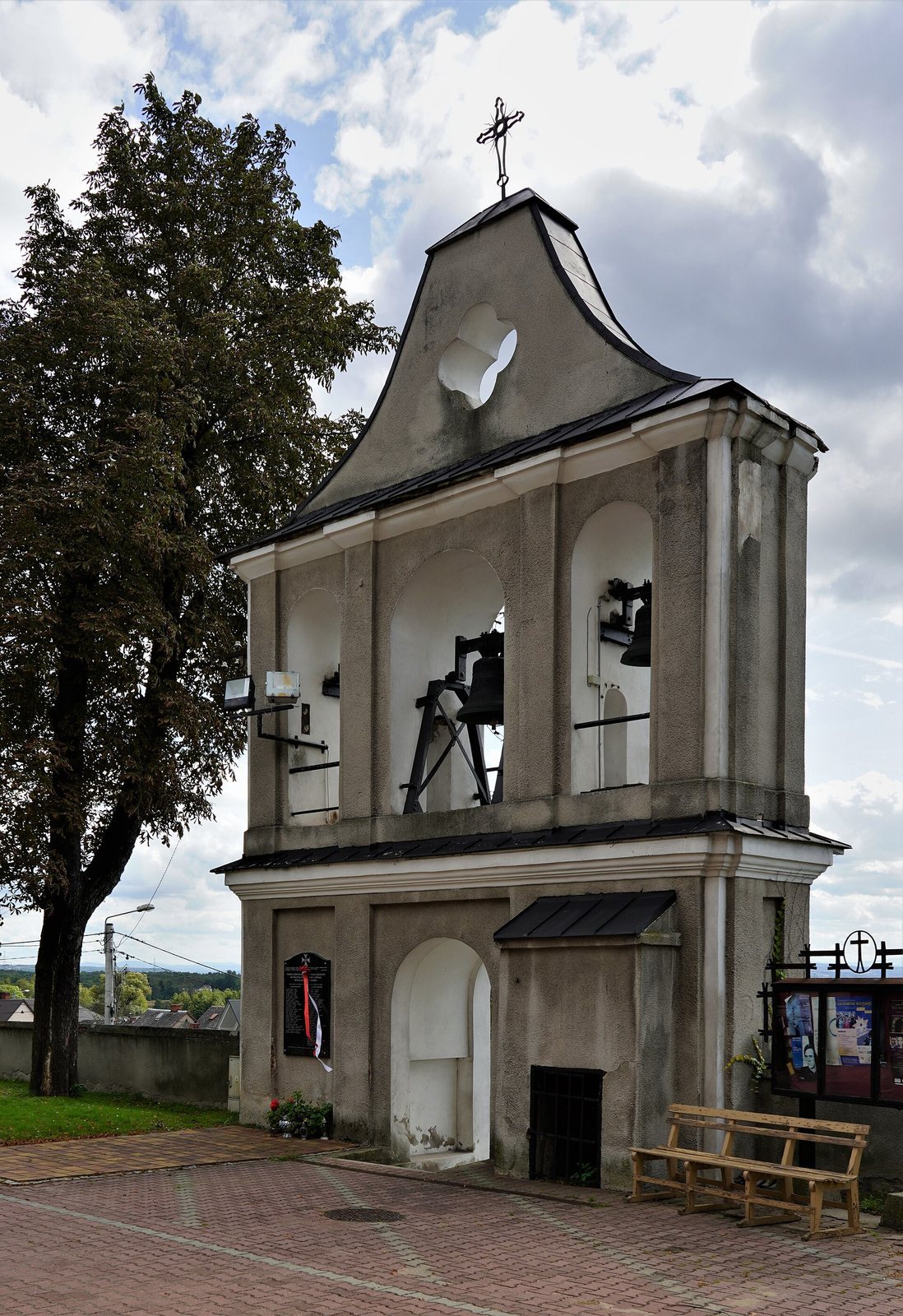
The ensemble comprises the masonry church and a masonry bell tower. The church is oriented along an east-west axis, has a single nave and vaulted construction, and ends in a rectangular chancel narrower than the main body. A tower rises from the façade.
Church and Interior
Building
The church’s eclectic design includes Baroque elements. Its single nave leads to the narrower rectangular chancel, while the façade tower forms part of the building’s exterior.
Interior Decoration
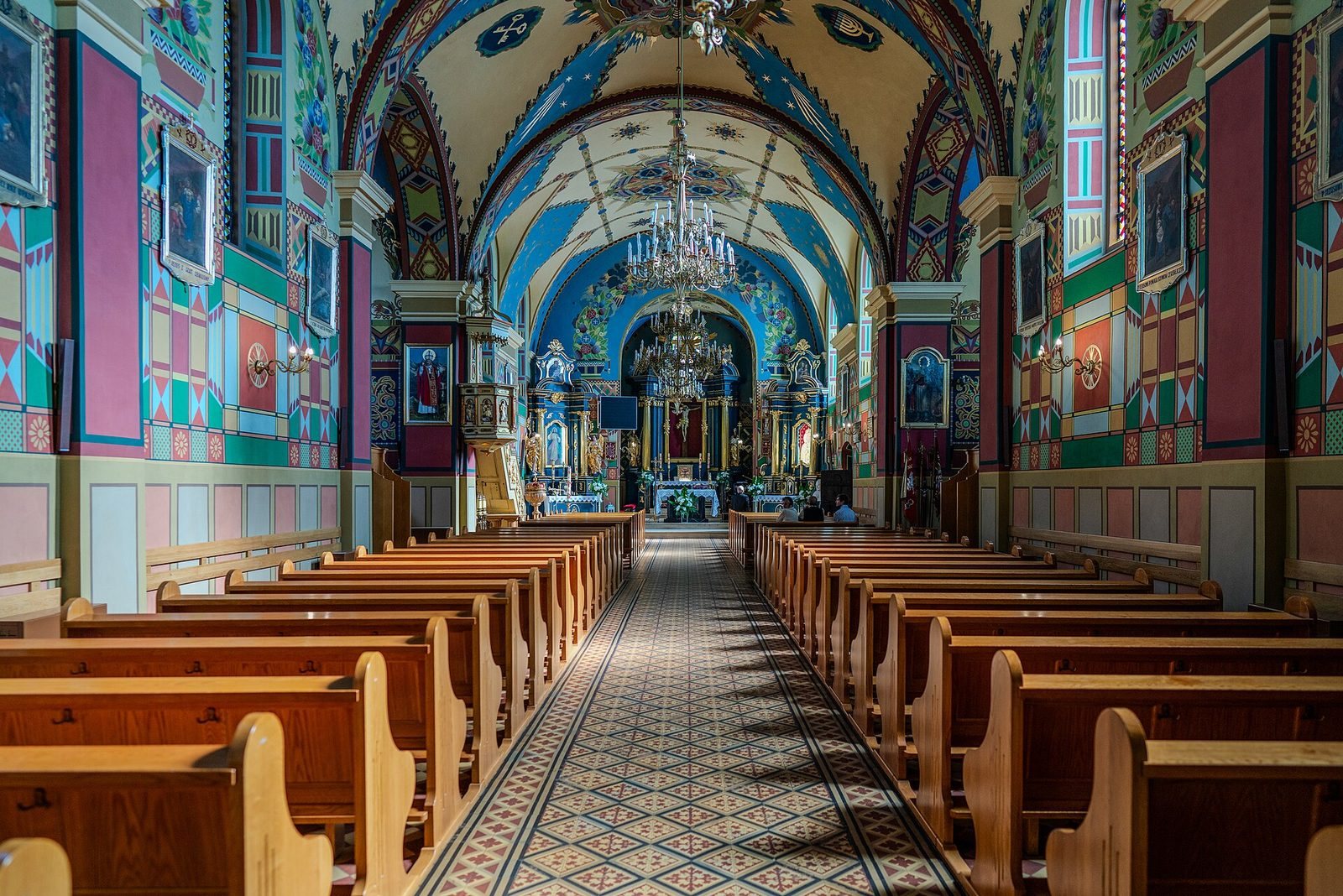
The Rococo interior decoration dates to 1778. Paintings by Wojciech Eliasz and M. Przybysławowicz are found on the altars.
Churchyard
Cemetery
The churchyard cemetery contains tombstones.
Lime Trees
Three small-leaved lime trees grow in the church grounds. Their recorded circumferences are 295, 345, and 360 centimetres.
Epitaphs
Franciszek Łącki
Made after 1884, the epitaph to Franciszek Łącki includes a portrait painted on metal. Its materials are carved and gilded Dębnik marble, a regional ornamental limestone, stucco, and oil paint on metal.
Antonina Łącka
The epitaph to Antonina Łącka was made after 1888 and includes a portrait painted on metal. It is formed from carved, polished, and gilded Dębnik marble, a regional ornamental limestone, with oil paint on metal.
Józefa Sanocka
Erected after 1882, the exterior wall-mounted epitaph to Józefa Sanocka is made of sandstone, Dębnik marble, and pink Paczółtowice marble, both regional ornamental limestones.