Hillfort on the Right Bank of the Lava River: A Russian Frontier Outpost
Site at a Glance
- Popularity
- Very Low
- Country
- Russia
- Primary era
- Early Modern
- Eras represented
- Early Modern
- Civilizations
- Russian
- Site type
- Military
- Remains
- Fort
On this page7 sections
History
The Hillfort on the Right Bank of the Lava River was a Russian border fort near the present-day village of Gorodishche in Russia. Established in the early seventeenth century after the 1617 Treaty of Stolbovo set a new Russian-Swedish frontier, it probably served as a counterpoint to the Swedish fort at Lopsky Pogost.
Frontier crossing and early service
The Lava crossing appears in diplomatic contacts after 1618. In 1629, the outpost was involved in quarantine measures during plague in Swedish Baltic territories. It formed part of a chain of border checkpoints and controlled the road from Ladoga to Noteburg, now Shlisselburg near the source of the Neva. Its duties included monitoring people and goods, transferring prisoners of war, apprehending fugitives, and helping settle disputes over the border. Embassies and traders also used the crossing, giving the post a diplomatic as well as military function.
German traveler Adam Olearius visited in 1634 during an embassy reception. The Russian party met the embassy in midstream; after it crossed, streltsy (Russian state infantry armed with firearms) formed ranks and fired a salute. Olearius’s description and drawing, together with Swedish military engineer and cartographer Erik Palmquist’s work of 1674, later helped reconstruct the roads and positions of frontier posts.
War, garrison, and border changes
During the Russo-Swedish War of 1656–1658, a conflict between Russia and Sweden, the outpost supported military operations on the Ingermanland-Karelian front. This was the borderland between Ingermanland, around the eastern Gulf of Finland, and Karelia. In 1656–1657 the fort served as a supply point and a place to gather troops. Its defenders repelled a Swedish attack in 1657. After Tesovo, it was the largest outpost on this frontier.
Border disputes continued after the war, including over fortifications on the Swedish bank of the Lava. In 1662, the outpost commander carried out an order to dismantle a fortification there and transfer its supplies and personnel to the Russian side. A 1666 estimate counted 22 men at the post, rotated from Ladoga every two weeks. Rosters name streltsy, Cossacks (members of distinct military communities often serving on frontiers), and gunners. Records give 20 streltsy and Cossacks in 1668, and state that Ladoga assigned 20 men in 1669, compared with 10 each at the mouths of the Volkhov and Syas rivers. The Lava post appears to have been the only one in this stretch of the border with artillery.
Closure and archaeological study
After the Great Northern War began, an early eighteenth-century conflict in which Russia and Sweden fought for control in the Baltic region, Russia established control over the Neva’s entire course. The Lava post was no longer needed and was discontinued after 1703. Archaeological investigations in 1976 and 2001–2002 clarified the fort’s layout and confirmed its position near Gorodishche. The 1976 excavator proposed that the earliest rampart dated to the twelfth century, but that interpretation rests on very limited evidence and has not been securely confirmed by later research. The site is a federal cultural heritage monument in Russia and an important archaeological trace of seventeenth-century Russian-Swedish frontier infrastructure in the Ladoga region.
Remains
Earthworks and the crossing
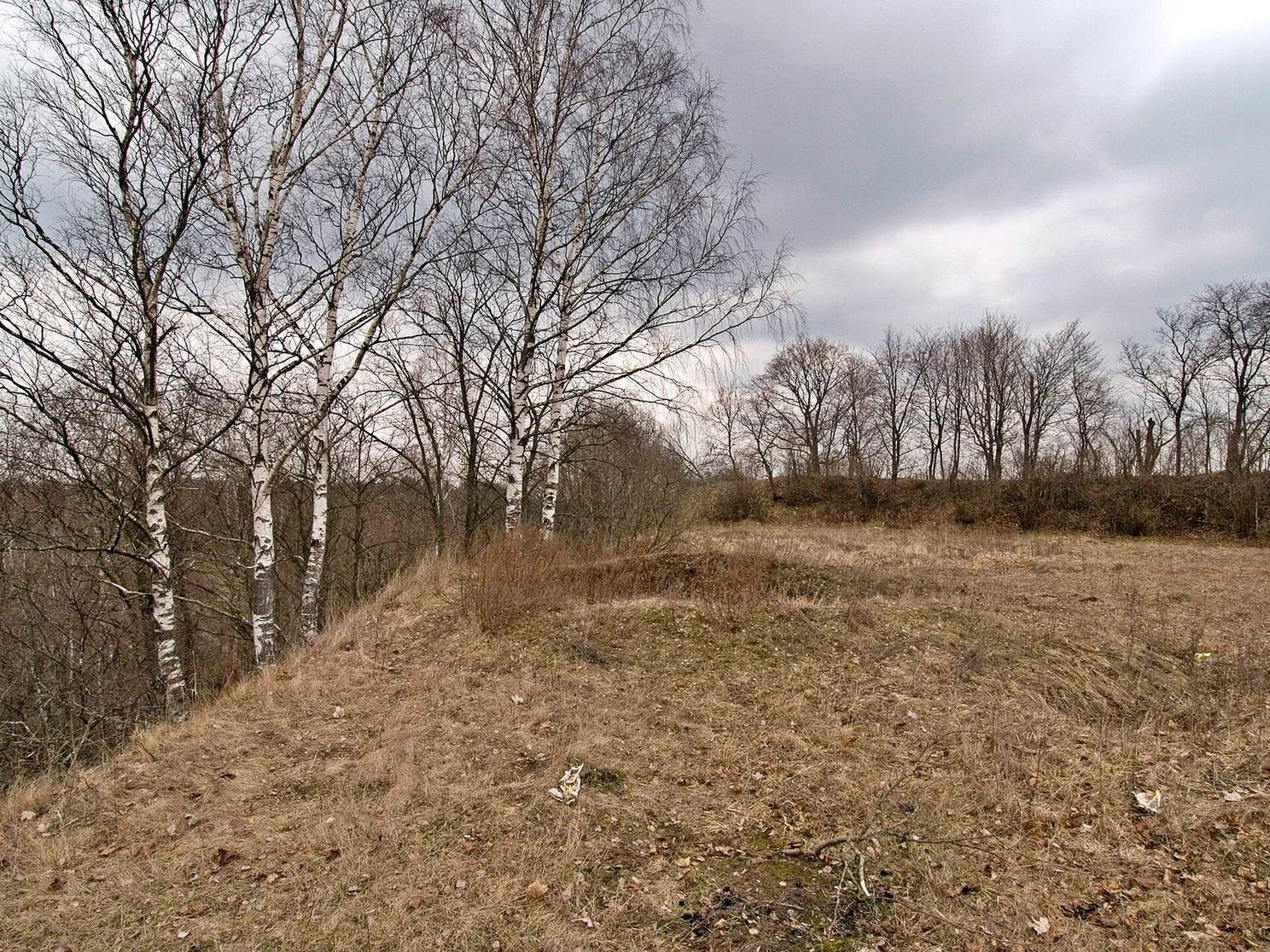
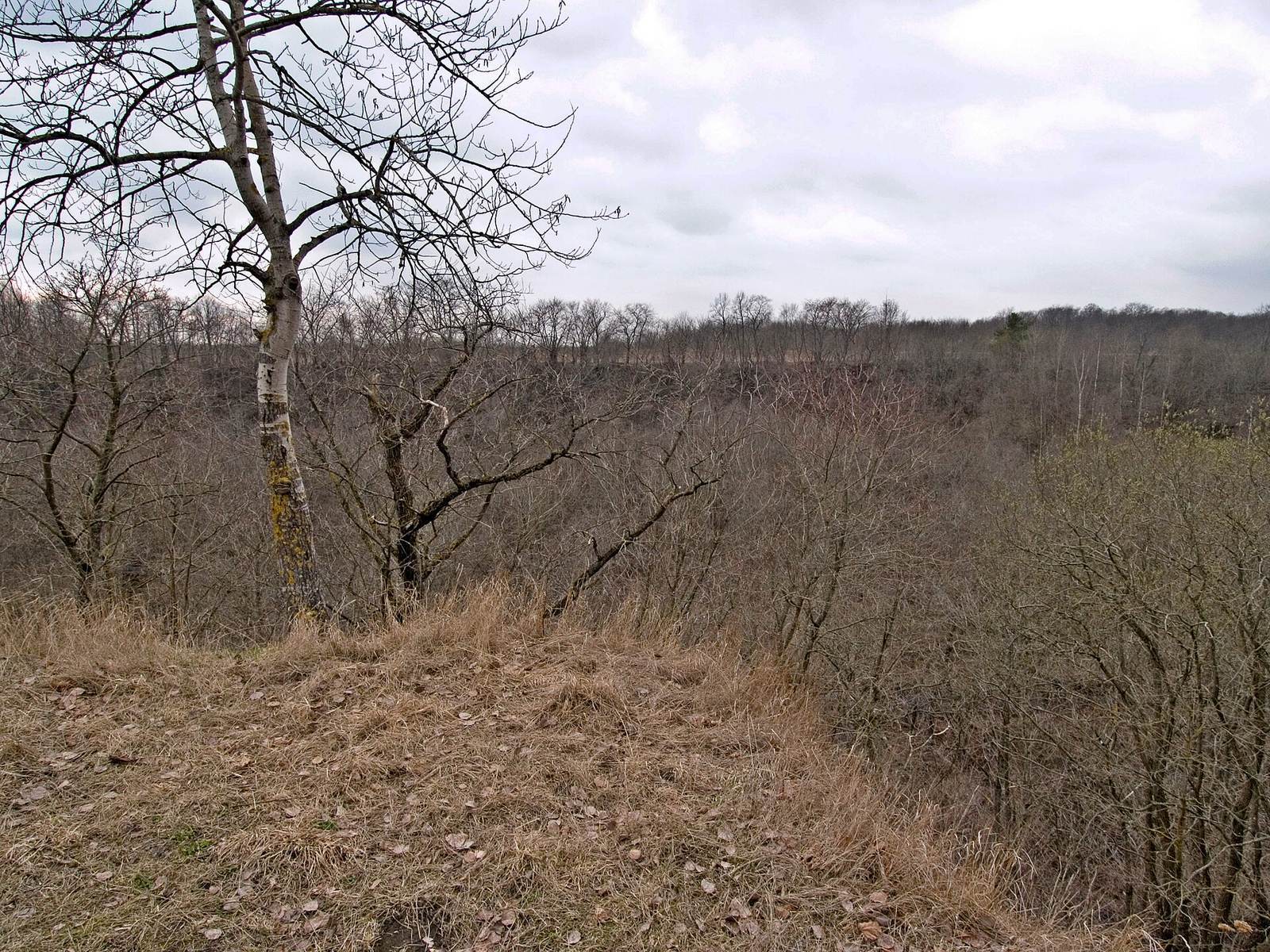
The fort occupies a projecting point of land formed by a bend in the Lava. Its simple plan follows a cape hillfort, a fortification on a projecting site naturally bounded on several sides. A low rampart and ditch crossed the landward side, and fragments of these earthworks survive. A simple palisade, a defensive fence of upright timber posts, probably stood above the earthen bank. Fortifications also stood on the opposite, Swedish bank, though their construction date and exact form are uncertain. The checkpoint probably included homes for its commander and garrison. Olearius wrote that he was invited to a house after crossing the river, but was unsure whether it belonged to a boyar’s son, meaning the son of a high-ranking Russian aristocrat, or to another nobleman.
Finds and military equipment
Most archaeological material from the site dates to the sixteenth and seventeenth centuries, while finds from the hillfort platform itself date to the seventeenth century. An inventory from 1668 lists three copper cannons on wheeled carriages, cannonballs, gunpowder, and two gunners assigned to operate the weapons. A flag and drum were also sent to the post. Other listed equipment included firearms, halberds, broad-bladed polearms, pikes, hatchets, cartridge pouches, lead and gunpowder supplies, bullet-casting molds, match cord, and additional military gear.