Maria Santissima Madre della Divina Provvidenza: A Catholic Shrine in Pancole
Site at a Glance
- Popularity
- Medium
- Country
- Italy
- Primary era
- Early Modern
- Eras represented
- Medieval, Early Modern
- Civilizations
- Grand Duchy of Tuscany, Republic of Florence
- Site type
- Religious
- Remains
- Church
On this page9 sections
History
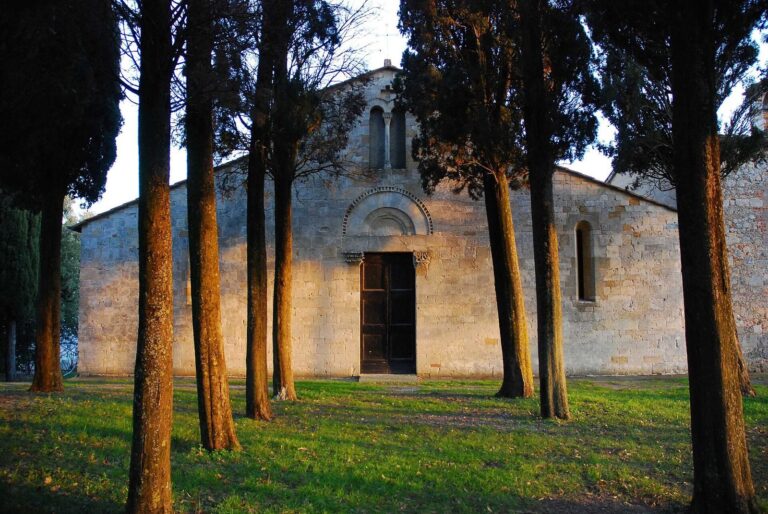
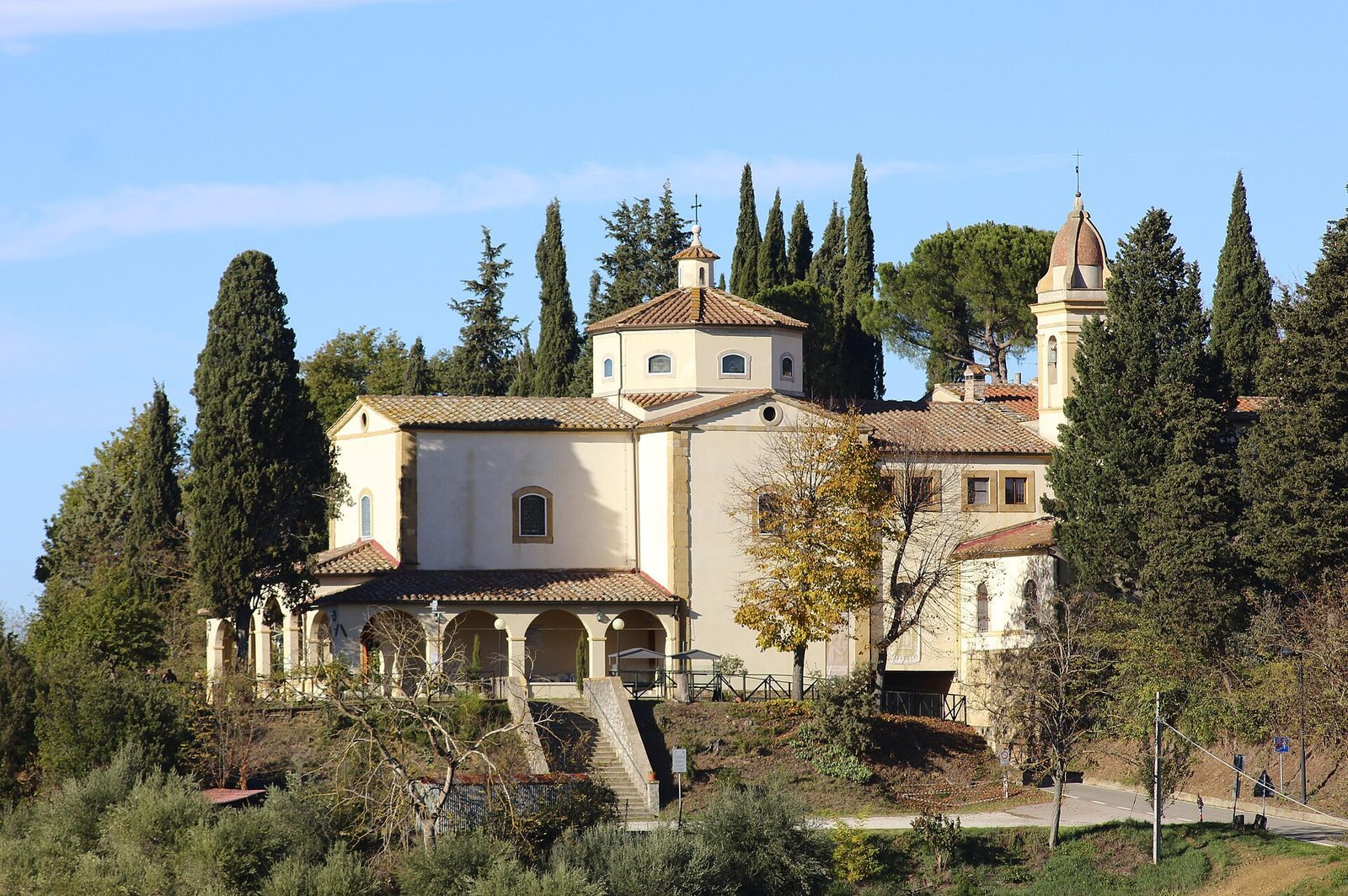
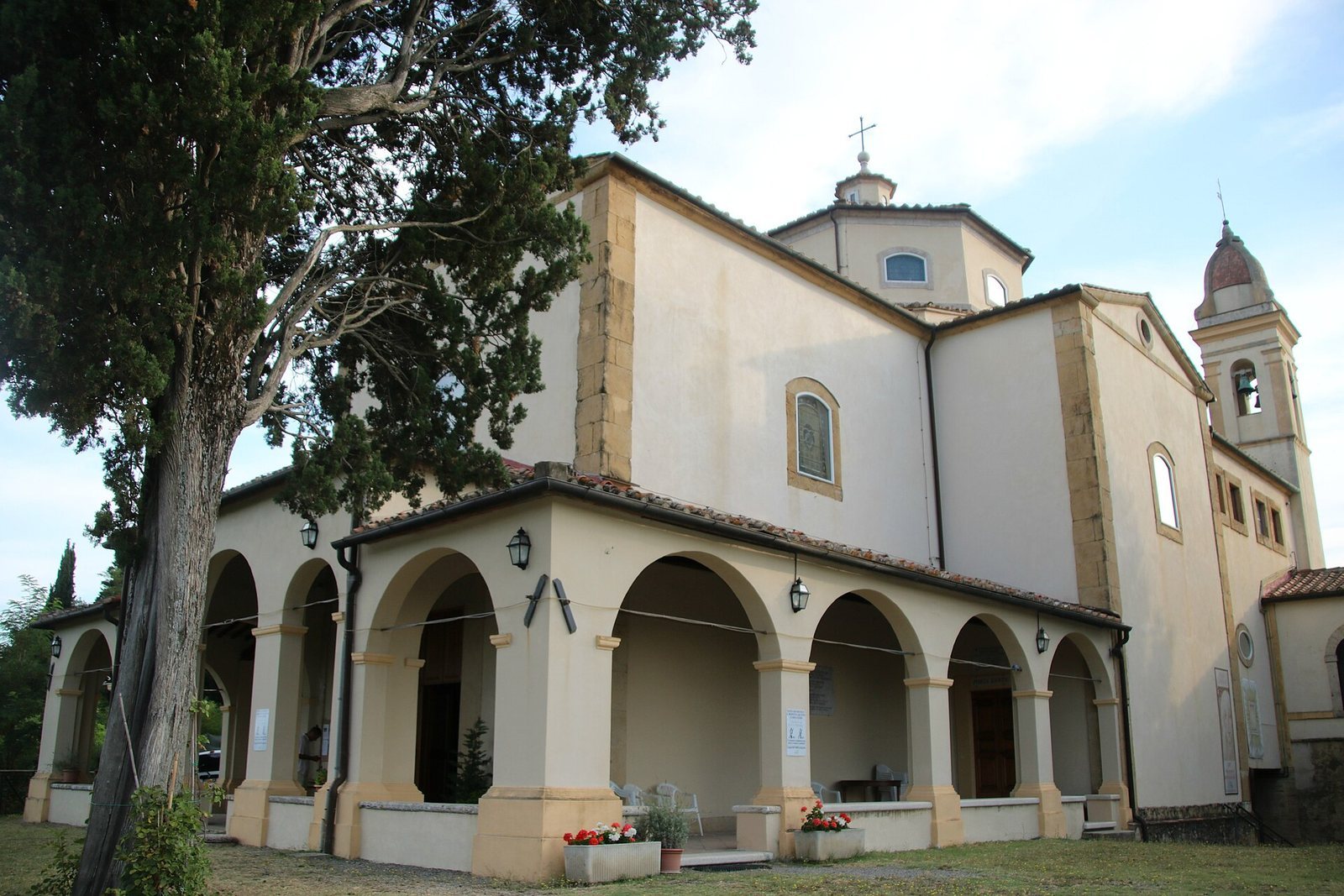
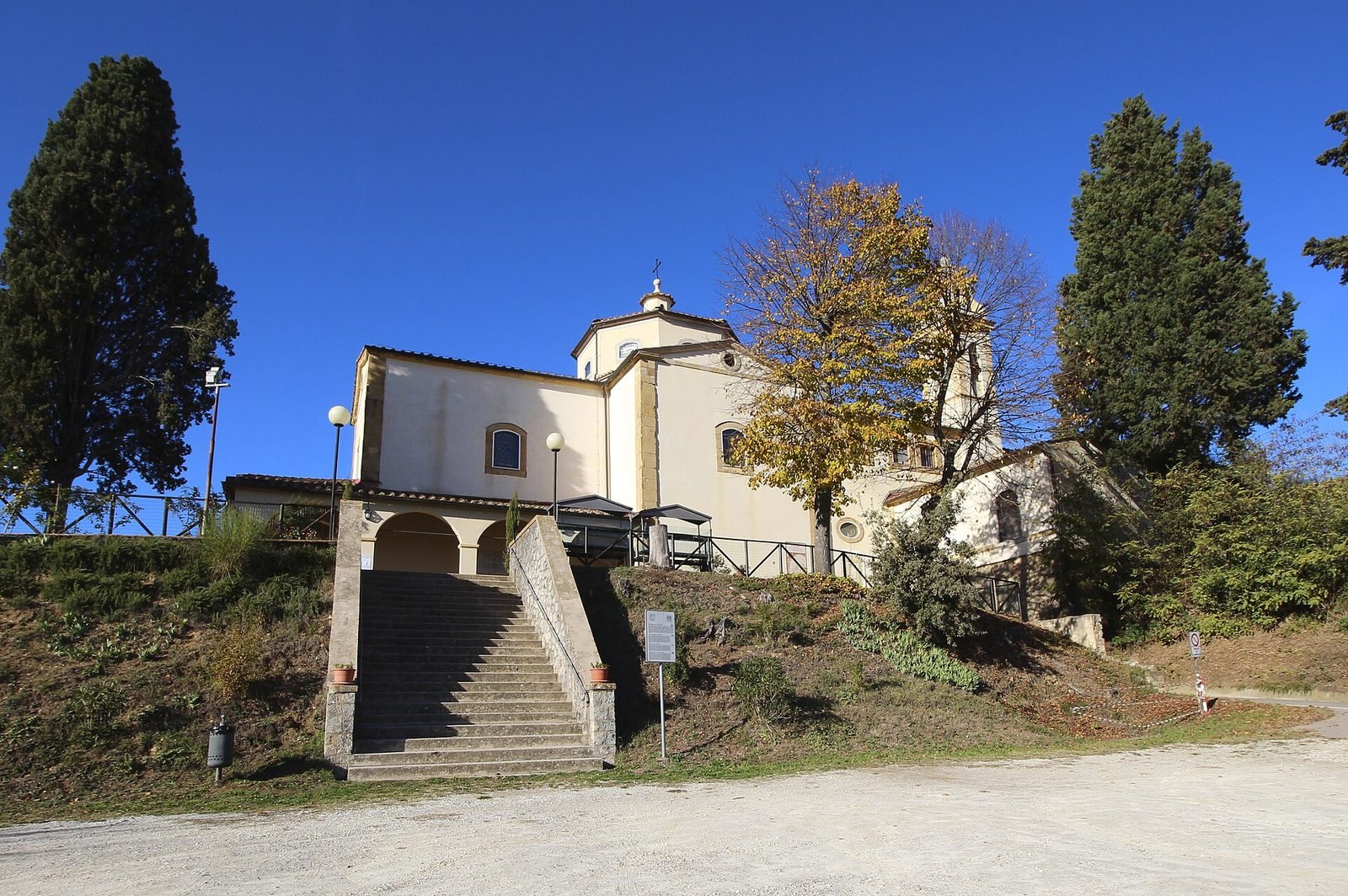
Maria Santissima Madre della Divina Provvidenza is a Catholic shrine in Pancole, within the municipality of San Gimignano, Italy. Built between 1668 and 1670 in Renaissance style, it stands on a hilly variant of the Via Francigena, the historic pilgrimage route toward Rome, and belongs to the Archdiocese of Siena-Colle di Val d’Elsa-Montalcino, a church jurisdiction headed by an archbishop.
The rediscovery and local tradition
Before the church stood here, a small shrine housed an image of the Virgin nursing the Child. Over time the structure fell into disrepair: its roof collapsed, and thorn bushes and ivy covered it. During the second half of the seventeenth century, drought brought famine and hardship to the Valdelsa.
Local tradition places the shrine’s origins in early April 1668. Bartolomea Ghini, a shepherdess who had been unable to speak since birth and was troubled by poverty, was grazing her flock when she met a mysterious woman. The woman told her that bread, oil, and wine would be waiting at home. Bartolomea then found she could speak, and her parents were astonished by both her speech and the provisions.
Villagers went to the pasture she described and cleared a mound of thorn bushes, uncovering the old shrine. Bartolomea recognized its image as the woman she had met. The villagers began venerating the Virgin as the Mother of Divine Providence. Pilgrims brought offerings and building materials to shelter the image, and the church was built and consecrated.
Diocesan shrine and wartime destruction
In 1923 the church became a diocesan shrine, a place of worship formally recognized within a diocese. On 14 July 1944, retreating German forces mined the building, leaving it almost entirely destroyed. Engineer Dino Loni was initially tasked with reconstruction and proposed a smaller but more imposing neoclassical church, with a central plan and tall dome. Instead, the shrine was rebuilt under professor and architect Severino Crott, and reconsecrated on 19 October 1949.
Administration and Jubilee observances
On 12 October 1997, responsibility for the shrine passed from diocesan clergy, who serve within a diocese rather than a religious order, to the Institute of the Servants of the Immaculate Heart of Mary, a Catholic religious community whose members follow a shared spiritual rule. The shrine was selected as a site for a Catholic Jubilee, a special religious observance, in 2000 and again in 2025. The designation carried a plenary indulgence, which in Catholic teaching is the remission of temporal punishment for sins whose guilt has been forgiven.
Remains
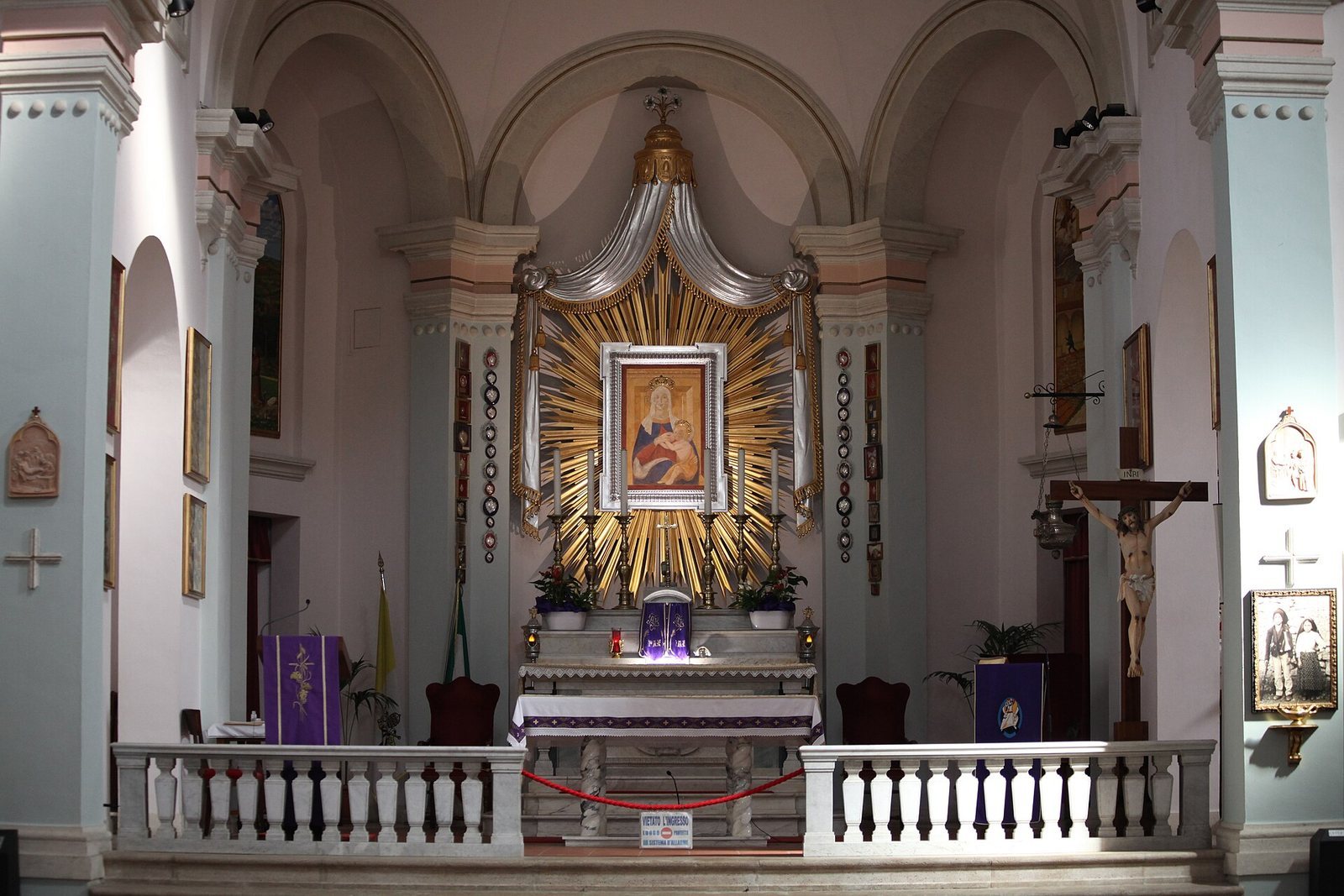
The present church follows the earlier model of the Renaissance-style shrine. Its altar wall, which bears the sacred image, was the only part of the building spared when it was mined in 1944.
The image and devotional furnishings
Fresco of the Virgin and Child
The image on the altar wall is a fresco by the fifteenth-century Italian painter Pier Francesco Fiorentino, probably painted between 1475 and 1499. It depicts the Virgin nursing the Child. A mark made by a billhook, a curved tool for cutting brush, remains visible on the image from the villagers’ clearing of the thorn bushes.
Wooden sculptures
The interior preserves two seventeenth-century wooden sculptures from the Church of San Quirico. Painted in multiple colors, they depict Saint Julitta with her young son Cyricus, and Saint Geminian.
Painted votive tablets
The shrine also holds hundreds of ex-votos, offerings made in connection with a vow, a petition, or gratitude. These devotional objects take the form of small painted tablets.