Kyivan Cave Monastery Press: An Orthodox Printing House in Kyiv
Site at a Glance
- Popularity
- Medium
- Country
- Ukraine
- Primary era
- Early Modern
- Eras represented
- Early Modern
- Civilizations
- Russian
- Site type
- Economic
- Remains
- Production Complex
On this page8 sections
History
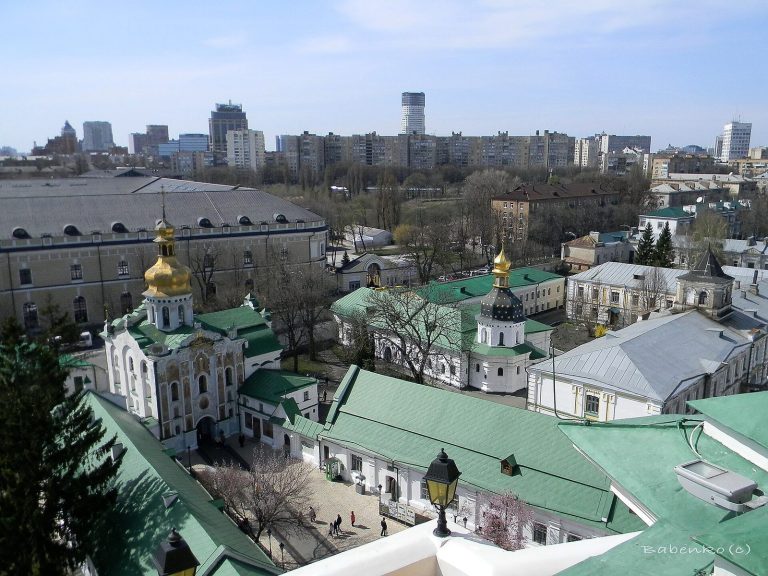
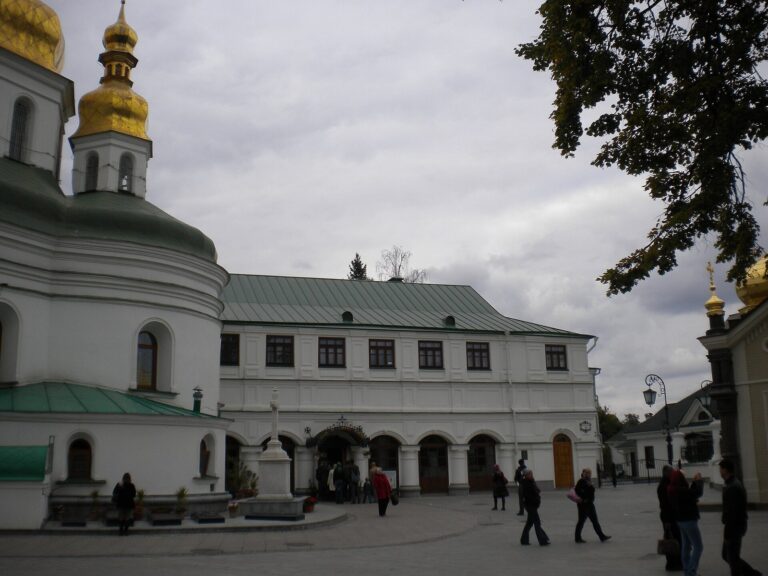
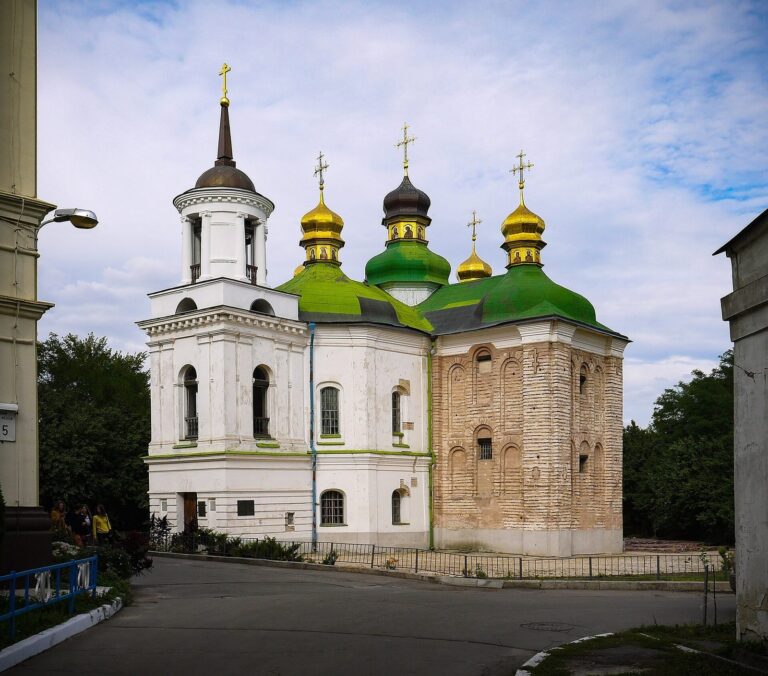
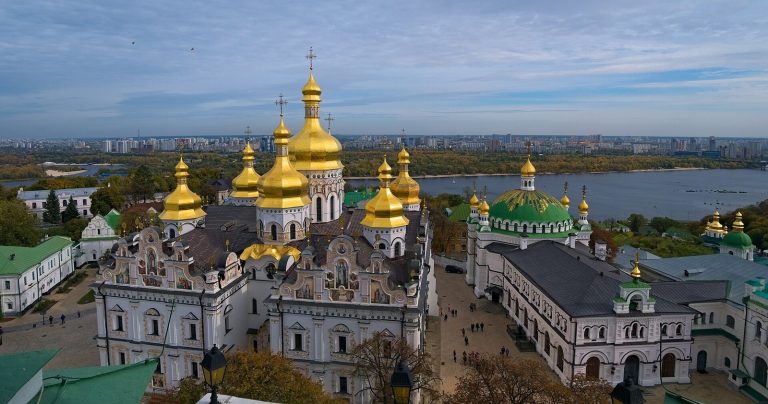
The Kyivan Cave Monastery Press was an Orthodox printing house established in 1615 within the Kyiv-Pechersk Lavra, a major Orthodox monastic complex in Kyiv, Ukraine. Its founder, Yelysei Pletenetsky, was the Lavra’s archimandrite, a senior monastic leader. The press became one of the oldest and most influential printing houses in the historic region known as Little Russia, a name used for parts of present-day Ukraine whose geographic scope changed over time.
Foundation and early production
Pletenetsky acquired equipment from the earlier Striatyn Press, buying it from Orthodox bishop Gideon Balaban. He also established a paper mill at Radomyshl to supply the printing house. Its first book, a Book of Hours, a prayer book for daily services, was printed in Kyiv on 20 December 1616. Between 1616 and 1624, Pletenetsky issued 11 notable religious, historical, and polemical works.
The press began amid disputes between Orthodox Christians and Uniates, Eastern Christians who had entered communion with Rome while retaining their own liturgical traditions. Most of its publications were religious and intended for church use, alongside theological, educational, secular-polemical, and poetic works. Many were printed in Old Church Slavonic, though the press also published in other languages. Editors sometimes rendered passages in language closer to everyday speech to make books more accessible. Theological works also served as a means of opposing Catholicism and the church union.
Among the early editions were the Pattern of Virtues (1618), the Anthologion (1619), and the Nomocanon (1620), a collection of church rules and civil laws relevant to church affairs. The press issued a Service Book in 1620 and verses by Kasiyan Sakovych for the funeral of Cossack leader Petro Konashevych Sahaidachny in 1622. Its Triodion, a book of services for seasons of the church year, appeared in 1623 and was reissued in later years. Members of the press’s scholarly circle also edited John Chrysostom’s homilies on the letters of Saint Paul in 1623 and on the Acts of the Apostles in 1624.
Scholars and printing in Kyiv
A community of scholars, educators, and writers gathered around the press. Known as the Kyiv-Mohyla Athenaeum, it was a learned circle rather than a modern university. Its active members included Zachariah Kopystensky, Pamvo Berynda, Lavrentiy Zizaniy, Tarasiy Zemka, and Peter Mohyla, later a metropolitan of Kyiv and leading Orthodox churchman. Their work in translation and editing helped shape the press’s publications.
For a time, the Lavra press was Kyiv’s only printing house. Other printers began publishing in the city during the 1620s: Timothy Aleksandrov printed a Book of Hours in 1626, while Spiridon Sobol issued the Limonarion of John Moschos and an Octoechos, an Orthodox hymn book organized around eight tones, in 1628. Sobol followed these with an Apostle in 1630. Peter Mohyla later sought to secure the Lavra press an exclusive right to print liturgical works.
The press continued to publish a varied religious and educational catalogue. Its editions included an Akathist, a hymn of praise, and Andrew of Caesarea’s commentary on the Apocalypse of John, both in 1625; Pamvo Berynda’s Slavonic-Ruthenian Lexicon in 1627; and teachings by Abba Dorotheus and instructional chapters by Deacon Agapetus in 1628. A Psalter followed in 1629, the same year as another edition of the Nomocanon and the Service Book.
Later publications and legacy
In 1630, printing-house workers presented a hymnological work to a patron. A work titled Euphonia was issued for Peter Mohyla in 1633, and homilies by Macarius of Egypt appeared in 1634, reprinted from a Vilnius edition of 1627. One of the press’s extensive works was the 860-page Anthologia (1636), compiled by Mohyla and dedicated to the youth of the Kyiv Brotherhood School. Its religious texts were in Church Slavonic, while its teachings, reflections, and advice for students used contemporary Ruthenian.
Later titles included the Teaching Gospel (1637), Sunday instruction drawn from John Chrysostom’s writings; Athanasius Kalnofoysky’s Polish-language Teraturgima (1638); and a funeral sermon for a prince of the Chetvertynsky family (1641). The press also published the Half-Ustav, or Rule of True Christian Life (1643), Mohyla’s Collection of Short Instruction on the Articles of Faith (1645), and his Trebnik, a book of prayers and rites for clergy, in 1646. Its later output included the Kyivan Synopsis in 1674 and another publication in 1712. The press is designated an architectural monument of national significance in Ukraine.
Remains
The press’s physical form changed from a one-storey wooden shop to an enlarged stone building, while its books had distinctive formats and recurring page features.
Buildings and printed editions
The print shop
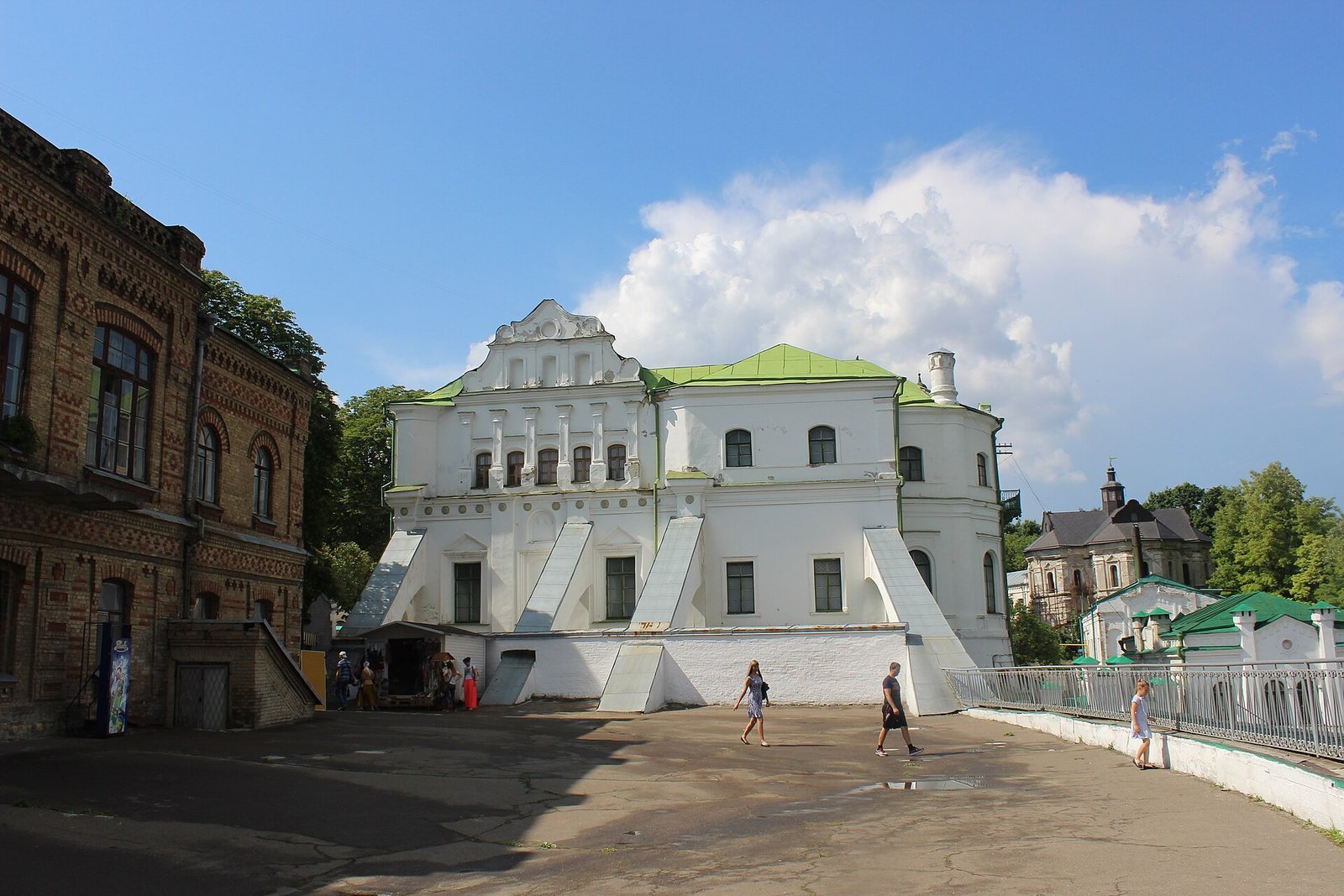
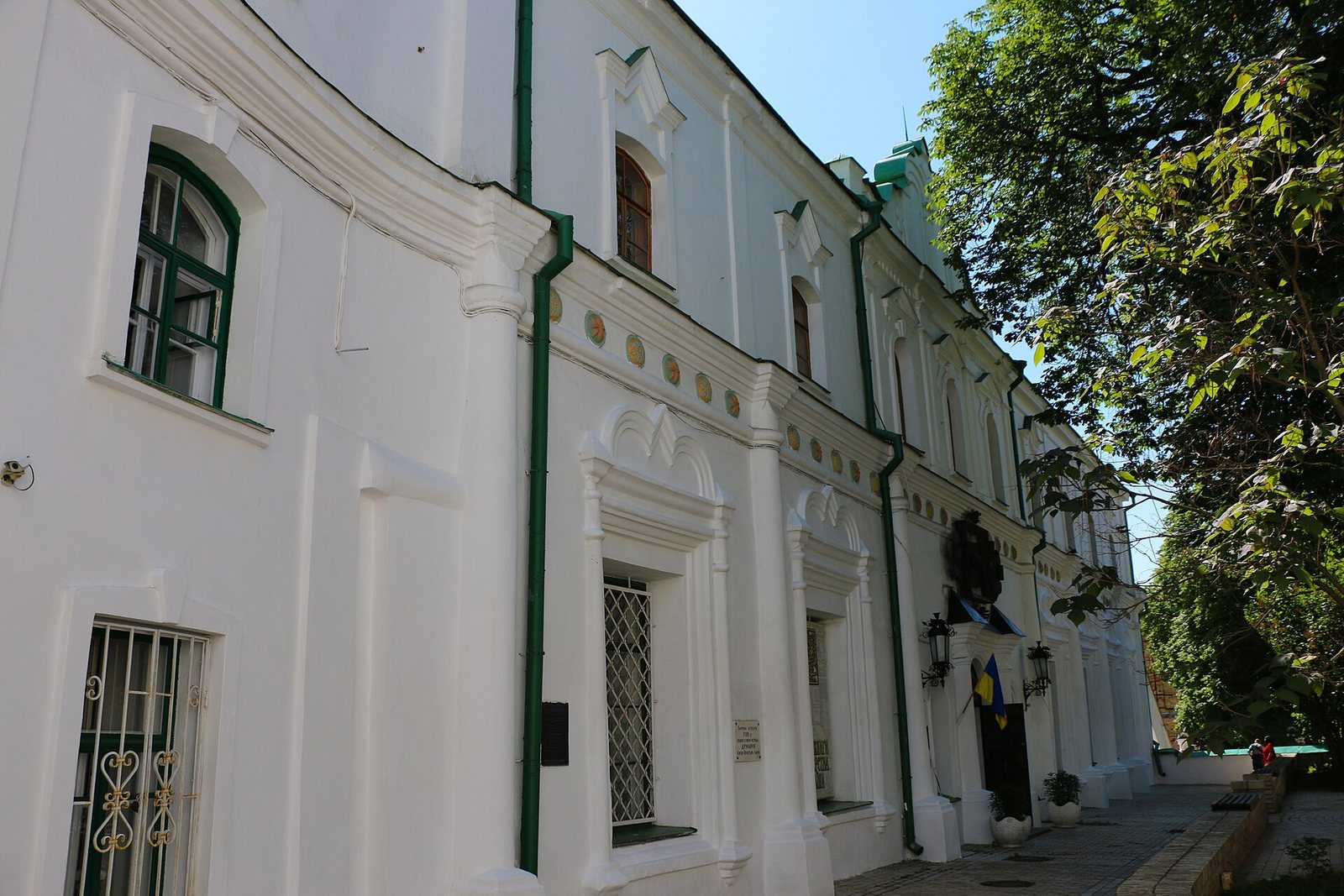
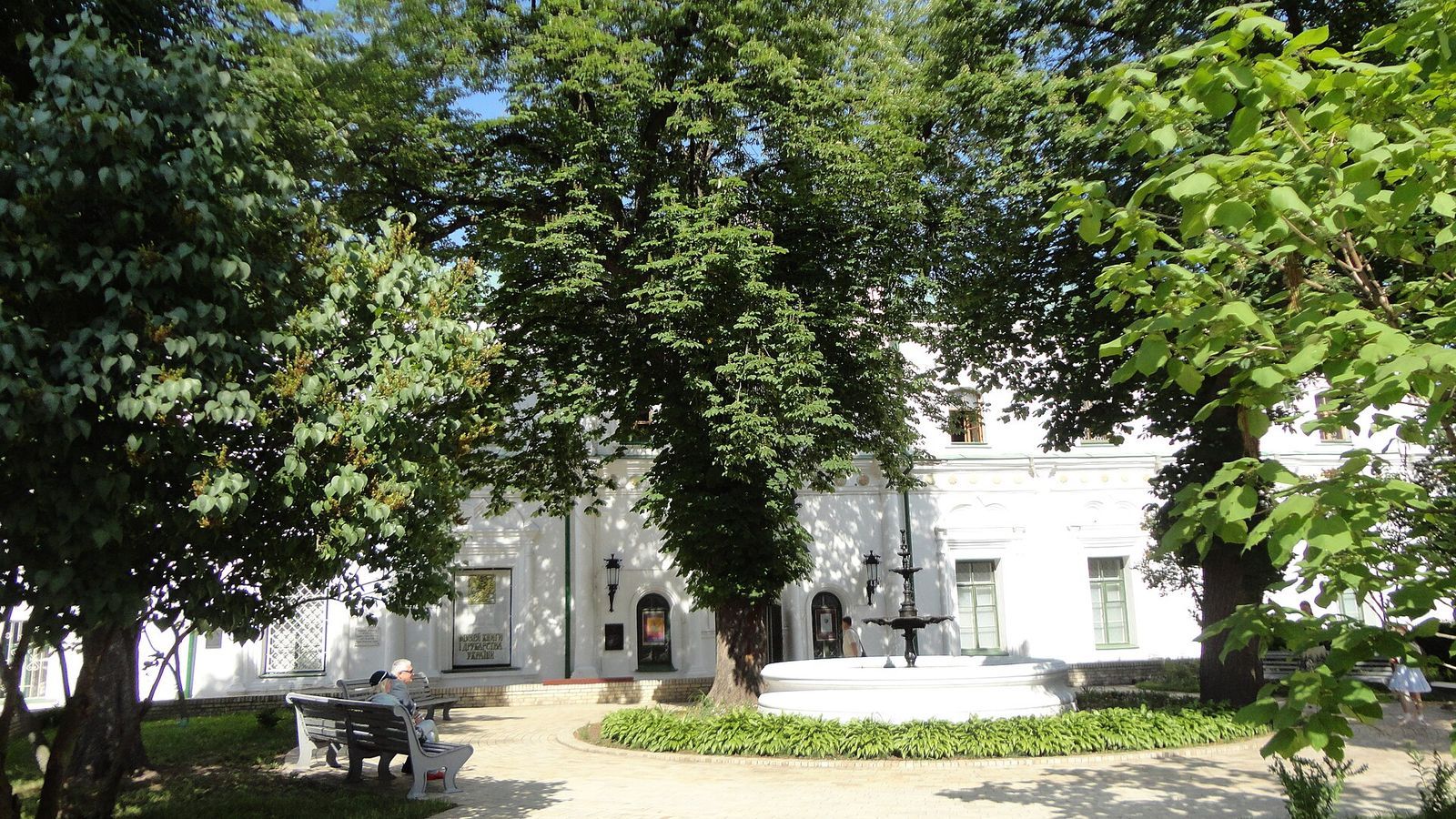
The first print shop was a single-storey wooden building, whose exterior appears in an engraving dated 1638. A stone building replaced it in 1701. Fire damaged the stone structure in 1718; it was repaired and later acquired a second storey.
Book formats and page design
Many Lavra books, especially theological works, used folio format, made from sheets folded once. This gave the volumes a formal appearance and made them expensive. Books meant for wider use, including the Book of Hours, Psalter, and Lexicon, as well as verse works, appeared in a smaller half-sheet format. Editions commonly opened with an engraved title page related to the subject, together with the title and the year and place of publication. The reverse often displayed the patrons’ coat of arms, sometimes with verses explaining its symbols. Prefaces, dedications, and afterwords were also common.