Tsouka Monastery: A Medieval Orthodox Monastery in Greece
Site at a Glance
- Popularity
- Low
- Country
- Greece
- Primary era
- Modern
- Eras represented
- Medieval, Modern
- Civilizations
- Byzantine, Greek
- Site type
- Religious
- Remains
- Monastery
On this page11 sections
History
Tsouka Monastery is a medieval Orthodox monastery in Greece, founded in the thirteenth century, though its exact foundation date is uncertain. A now-lost inscription placed its foundation in 1225, while another inscription dated its construction to 1255 and named the archangels Michael and Gabriel as its dedicatees.
Foundation and Palaiologan patronage
At the end of the thirteenth century, emperors of the Palaiologan dynasty helped pay for the monastery’s fresco decoration. The Palaiologans were the Byzantine ruling house whose emperors ruled from 1261 until the empire fell in 1453.
Ottoman rule and church affiliations
Under Ottoman rule, the monastery served as an important spiritual center in the region, held substantial property, and was repeatedly attacked by Turco-Albanian forces. In 1684, Tsouka village and the monastery, along with Galishta village and its Church of St George, were granted to another monastery dedicated to the Virgin Mary.
Tsouka Monastery was first affiliated with the Archbishopric of Ohrid, a major Orthodox church jurisdiction in the Balkans, and later became part of the Diocese of Kastoria under the Ecumenical Patriarchate of Constantinople. A diocese is a church district overseen by a bishop. The monastery takes its name from the settlement of Tsouka, which lay to its north.
Wartime destruction and abandonment
In March 1943, the monastery was burned and destroyed during the occupation. Responsibility is disputed: Italian occupying troops and soldiers of the German Edelweiss Division, a mountain-infantry unit in the Second World War, have both been implicated. During the Greek Civil War of 1946–1949, residents left Tsouka and the village was abandoned.
In the early 1960s, the monastery was designated a protected cultural monument.
Remains
Setting and layout
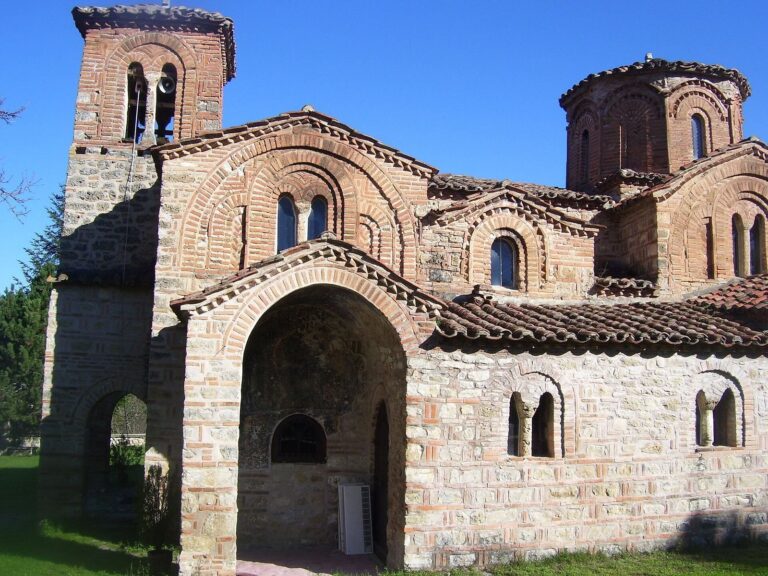
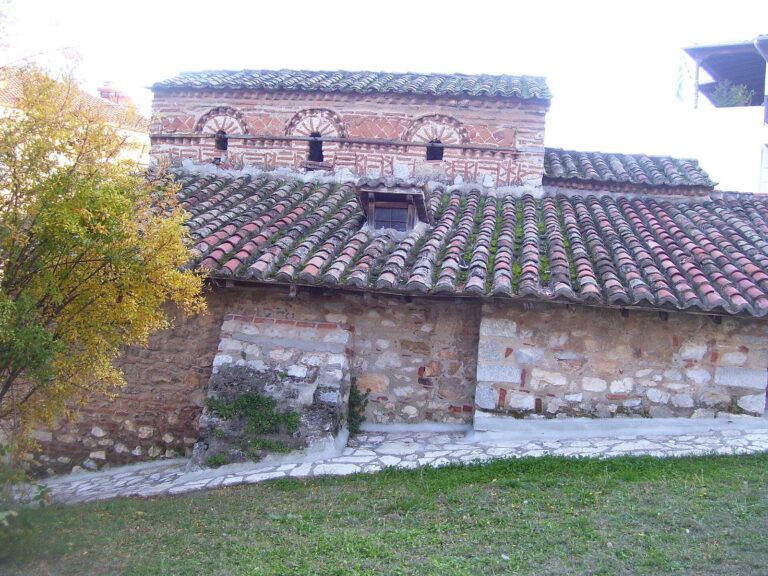
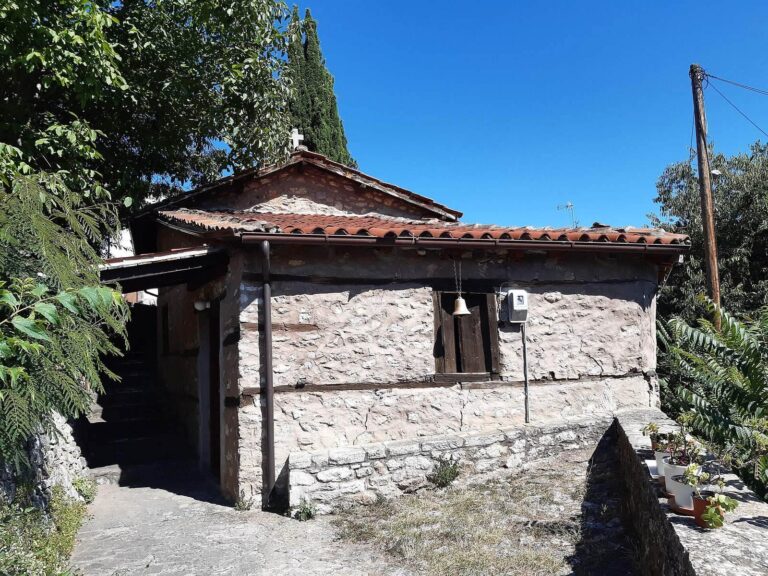
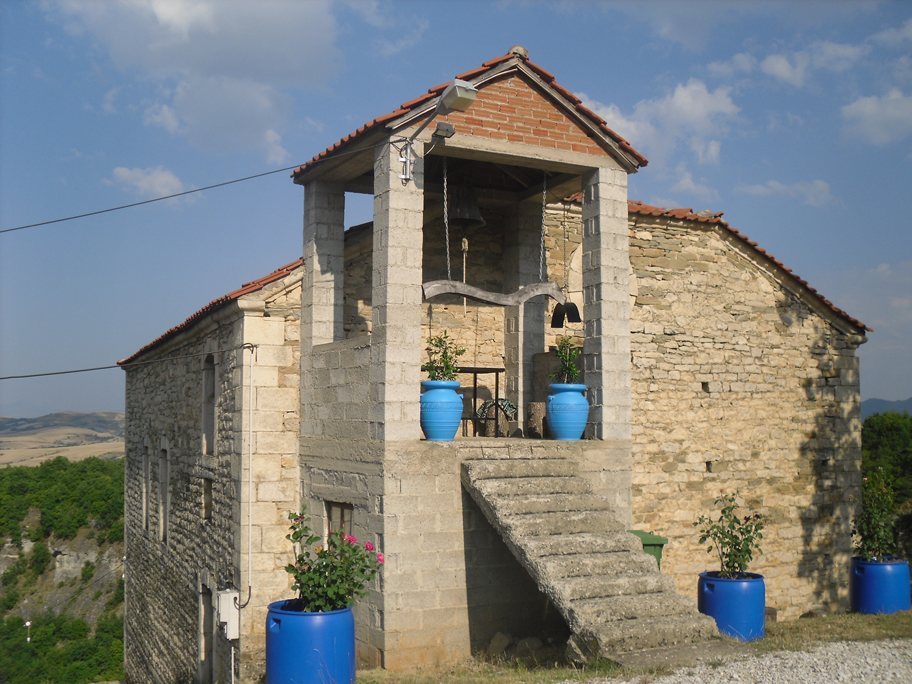
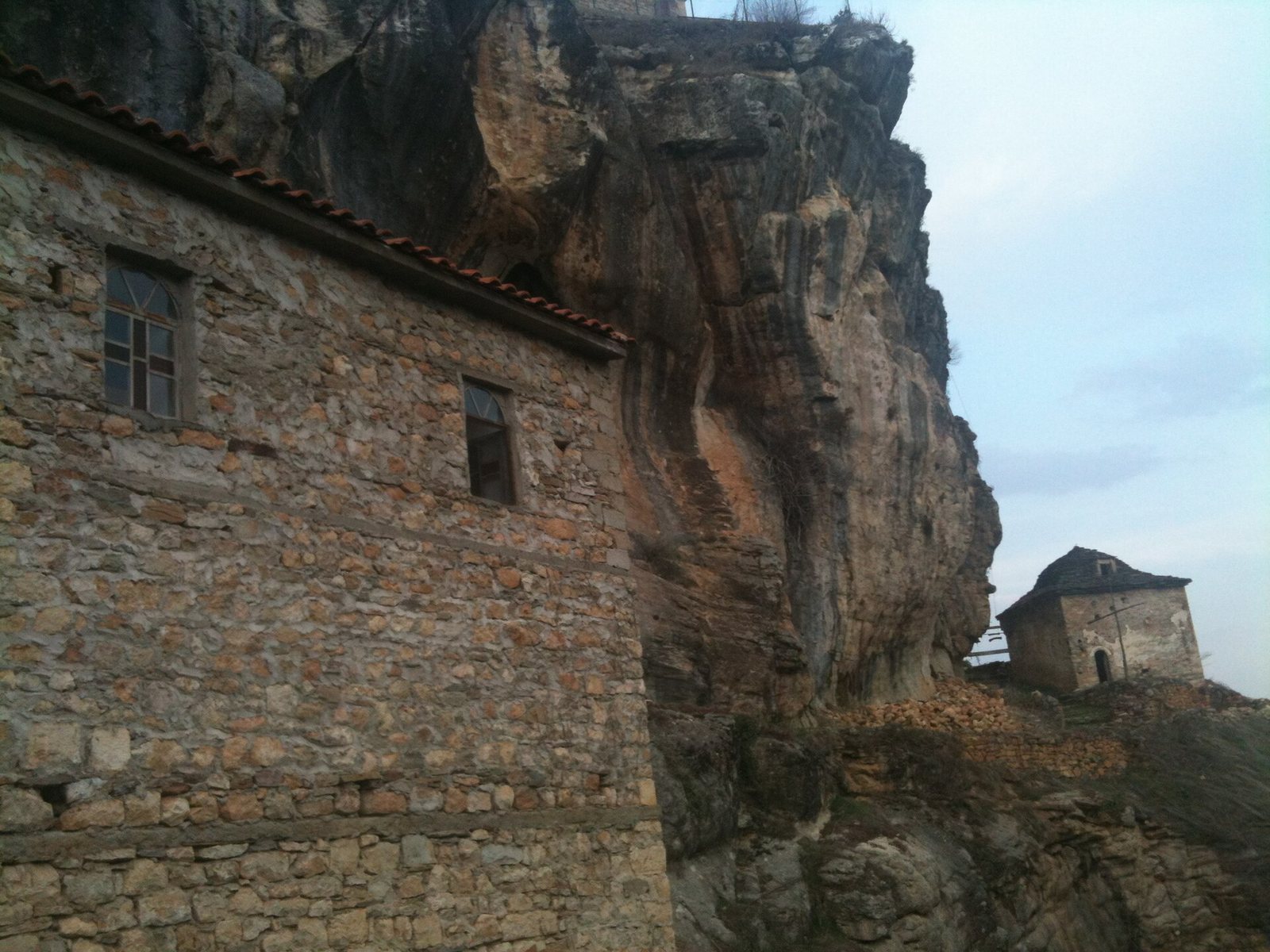
The monastery occupies a narrow, level strip beside a ravine descending toward the Stenopotamos, a tributary of the Aliakmon. It stands on a cliff at the foot of Mount Ondria, in the Galumbitsa area. The complex is near the abandoned village of Tsouka, about 1.5 kilometres from Radigoze, also known as Agia Anna, 21 kilometres from Kastoria, and 8 kilometres northeast of Nestorio. Three buildings survive: the monastery church, the Church of the Life-Giving Spring, and the refectory. The complex is entered through a former entrance.
Surviving buildings
Monastery church
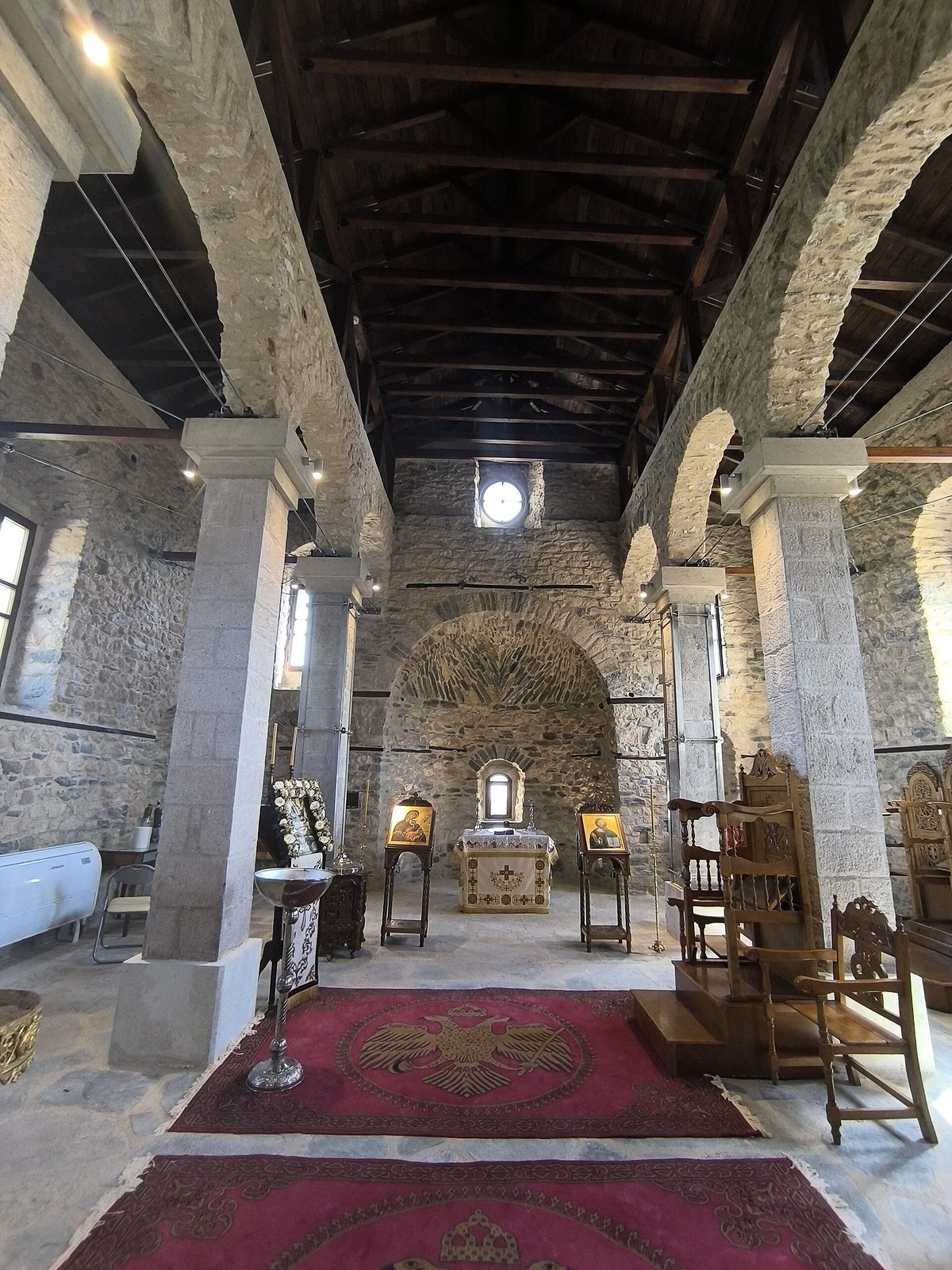
The monastery church was built in 1900. It lies along a narrow path descending toward the river. Spring water runs through the building and causes structural problems.
Church of the Life-Giving Spring
Standing on the upper rock, about 150 metres above a tributary of the Bistritsa, the Church of the Life-Giving Spring is a long church organized around a central nave. Its name comes from an Orthodox title of the Virgin Mary. Some frescoes, or wall paintings made on wet plaster, survive in the sanctuary.
Refectory
The refectory is a domed building with a single long interior space, set at the edge of the cliff. It is thought to have served as the monks’ dining hall.
Waterfalls in the ravine
A small waterfall lies beside the monastery. The ravine also affords a view toward the Radigozh waterfall, which locals say often freezes in winter.