Oratorio della Madonna delle Grazie: A Catholic Church in Foiano della Chiana
Site at a Glance
- Popularity
- Very Low
- Country
- Italy
- Primary era
- Early Modern
- Eras represented
- Early Modern
- Civilizations
- Grand Duchy of Tuscany
- Site type
- Religious
- Remains
- Chapel
On this page10 sections
History
Foundation, harbor, and dedication
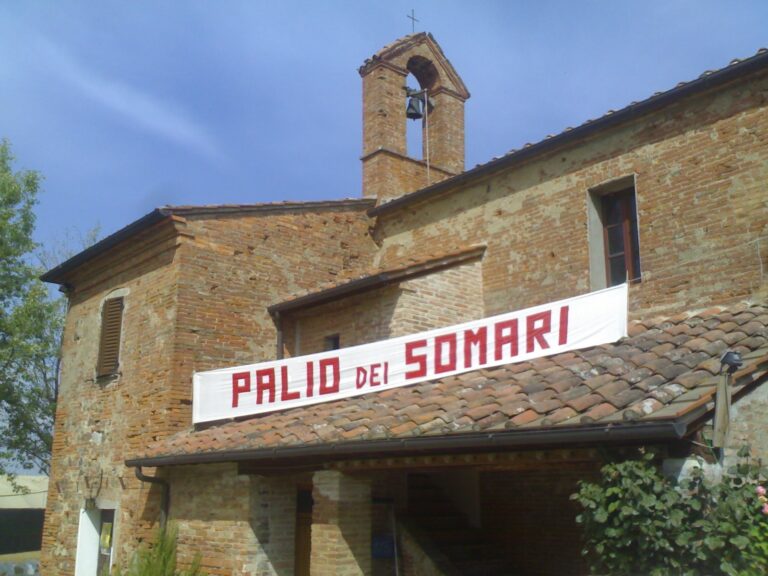
The Oratorio della Madonna delle Grazie is a Catholic church outside the medieval walls of Foiano della Chiana, Italy, dedicated to the Virgin Mary. It was probably established after Pieve Vecchia, the old parish church, closed in 1563. That year, a new collegiate church, served by clergy organized as a chapter, was built within the town walls and received the title of Saint Martin. Construction of the oratory began in 1662, and it was consecrated in 1665. Angelo Pecci founded it, and the Pecci family built it.
The church is also known as Santa Maria delle Grazie al Porto, a name linked to Porto a Brolio, a harbor that no longer exists. Florentines built Foiano’s port, which is referred to in Cortona’s statutes of 1325. Boats connected it with Castiglion Aretino, now Castiglion Fiorentino, and Cortona; a crossing of the Chiana marsh led toward Brolio. In the second half of the sixteenth century, Antonio di Bettino Ricasoli described the marsh as about one and a half miles (approximately 2.5 km) wide when it was first marked out. Popular traditions of miracles and favors attributed to Mary also contribute to the church’s name.
Restoration and continuing observance
The Budini-Gattai family restored the oratory in 1923. During the Italian Liberation, when Italy was freed from German occupation and Fascist rule in World War II, American forces dug a trench a short distance from the church and filled it with explosives to confront German troops. The explosives were not detonated because the German forces had already withdrawn. The principal annual celebration takes place on September 8, the Nativity of the Virgin, a Christian feast commemorating Mary’s birth, with Mass and a procession.
Remains
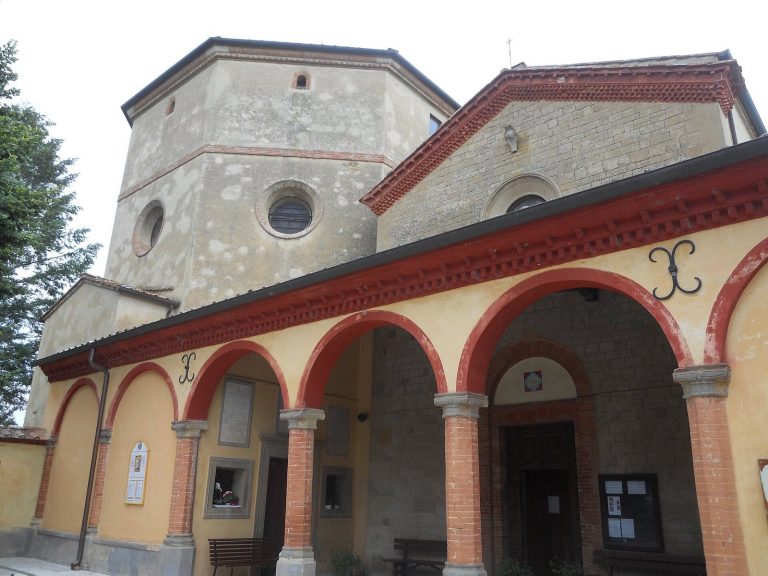
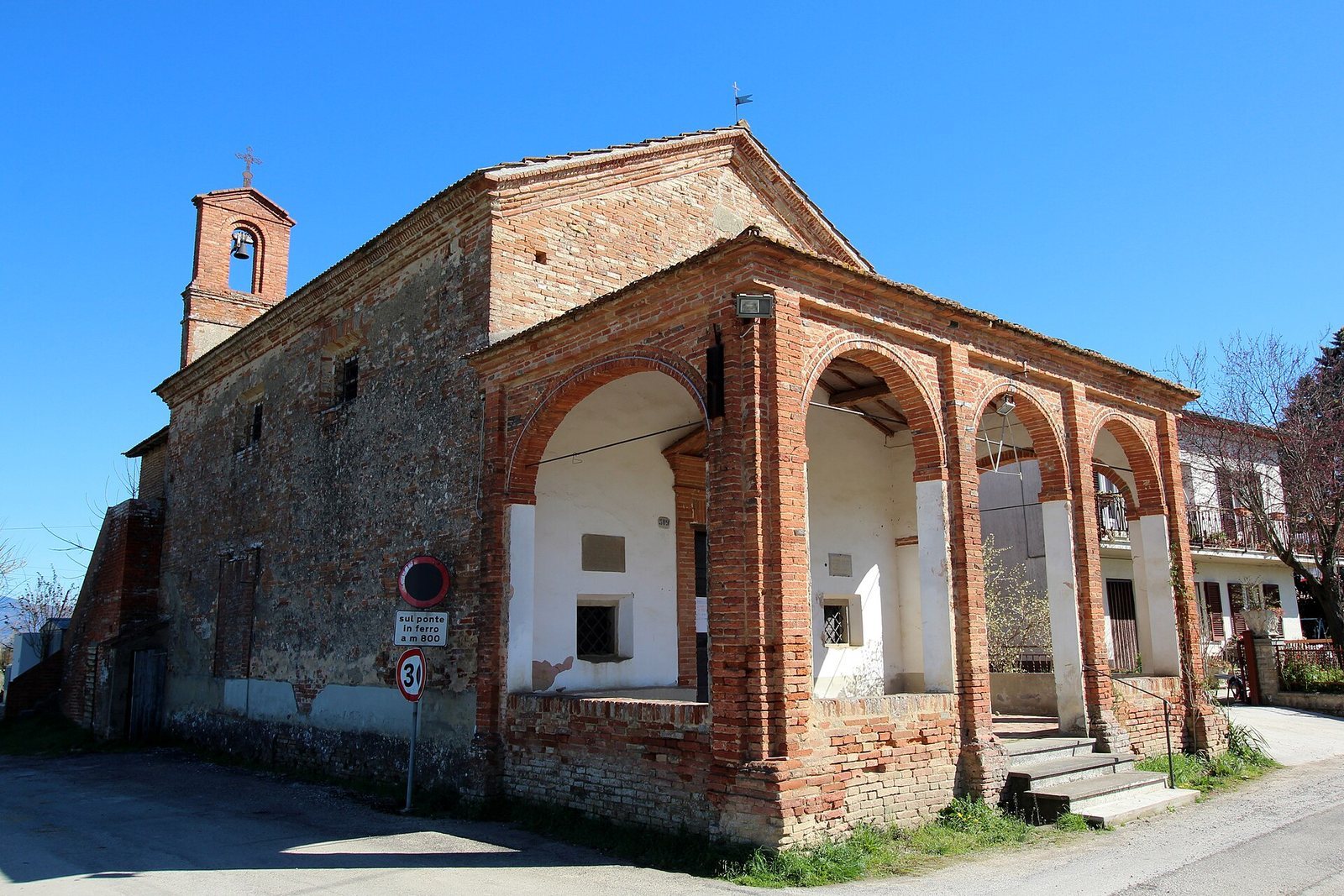
The modest oratory has one main worship space and stands among cultivated fields outside Foiano della Chiana’s medieval walls, about one kilometer from the historic center. It lies between the Commonwealth War Cemetery of Foiano della Chiana and the municipal cemetery. Its exterior is fronted by a deep portico, while the interior has a gabled roof.
Exterior
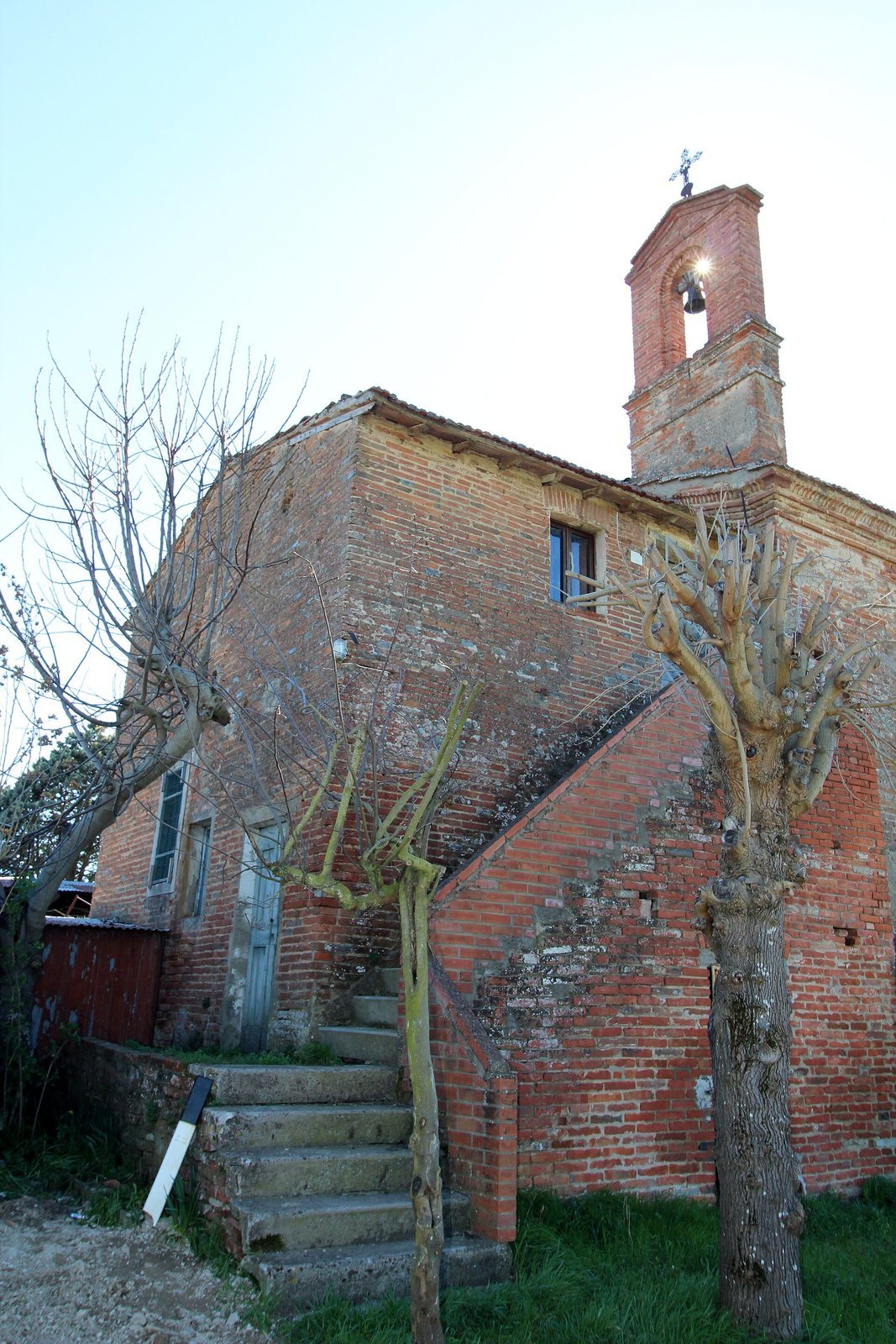
The portico has five round-headed brick arches, three across the front and two along the sides. At the entrance, a stone pediment, the crowning feature above a doorway, sits over the portal, which is flanked by two low openings. Plaques above these openings give the consecration and restoration dates. Beneath the portico, a small shrine to the left of the entrance bears an inscription identifying the Pecci family’s role in building the church; another shrine outside records the 1923 restoration. A small bell is held in a bell gable, a raised wall-like structure that supports a bell.
Possible Roman road
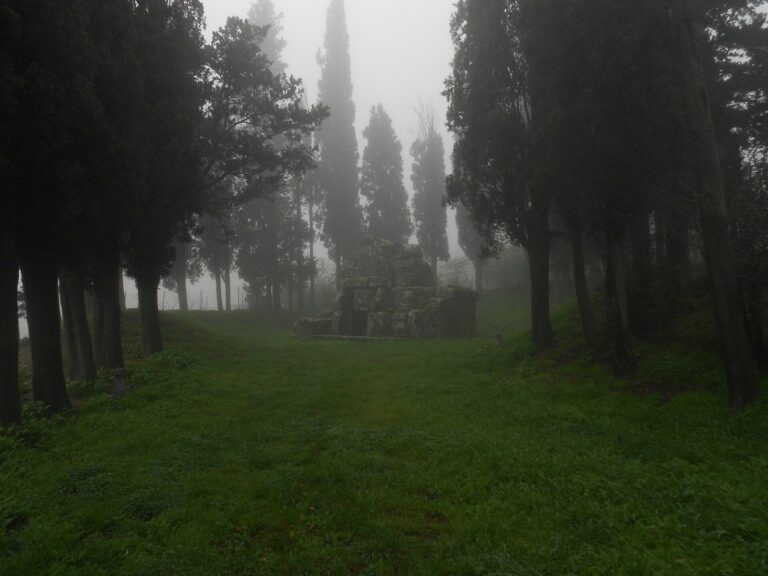
The oratory may lie along the route of an ancient paved Roman road, possibly the Cassia Vetus. Stones forming an old paved surface, found in earlier centuries, are associated with this identification.
Interior
Main altar
The main altar holds a fresco, a wall painting made on wet plaster, depicting the Virgin and Child.
Side altars
The left altar has a painting of the Holy Family. Joseph stands in the center holding the child, while Mary sits on a bed to the left and an angel to the right carries a flowering staff associated with the miraculous choice of Joseph as Mary’s spouse. A canvas on the right altar shows a female saint at the center, two saints at the left, possibly Saint Anthony Abbot and Saint Francis, and an apostle at the right.
Processional and devotional objects
The chapel holds two processional banners, an older one and a more recent one that is used in the procession. It also contains relics, physical remains or objects associated with saints and kept for veneration, and religious books dating to the eighteenth century.