Lappienen Church: An Evangelical Parish Church in Bolschije Bereschki
Site at a Glance
- Popularity
- Very Low
- Country
- Russia
- Primary era
- Early Modern
- Eras represented
- Early Modern
- Civilizations
- Duchy of Prussia, Kingdom of Prussia
- Site type
- Religious
- Remains
- Church
On this page12 sections
History
Lappienen Church is a former Evangelical church in Bolschije Bereschki, Russia, built from 1675 to 1703 in a distinctive Byzantine architectural style. It was regarded as the Niederung district’s most important church in art-historical terms and served its parish until 1945.
Parish and construction
The Evangelical parish of Lappienen was established in 1664 and had its own pastor from 1667. The church was built to plans by Philipp de la Chièza, architect to Frederick William, the Great Elector of Brandenburg and duke of Prussia. After Philipp’s death in 1679, his widow, Katharina de la Chièza, née Rauter, continued the project. She came from Rautenburg. The church was dedicated on June 24, 1703.
The parish first belonged to the Tilsit ecclesiastical inspection, a territorial unit of church administration. Later, it was part of the Niederung church district in the East Prussian Church Province of the Evangelical Church of the Old Prussian Union, a Protestant church body in Prussia. The estate owners of Rautenburg held the church’s aristocratic patronage until 1945.
Parish life and wartime disruption
In 1807, French troops passing through the area broke into the church and parsonage and stole the church’s silver vessels. In 1890, the community of Groß Kryszahnen, also called Seckenburg, separated from the parish and became independent. By 1925, Lappienen had nearly 5,000 members; by 1945, the parish covered 46 settlements and other inhabited places. The village of Alt Lappienen was called Rauterskirch from 1938 to 1946.
The church survived the Second World War without damage, but the flight and expulsion of local people connected with the war ended religious life across the parish area. Only four of its former settlements remain. After the war, the building was used to store grain and deteriorated without maintenance. Bolschije Bereschki is now within the service area of an Evangelical Lutheran congregation established in Slawsk in the 1990s, part of the Kaliningrad provostry, a regional church-governance unit.
Fire and preservation
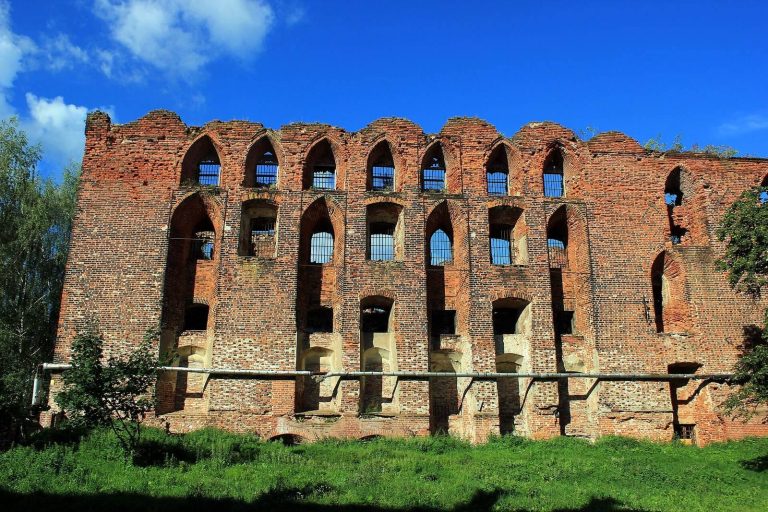
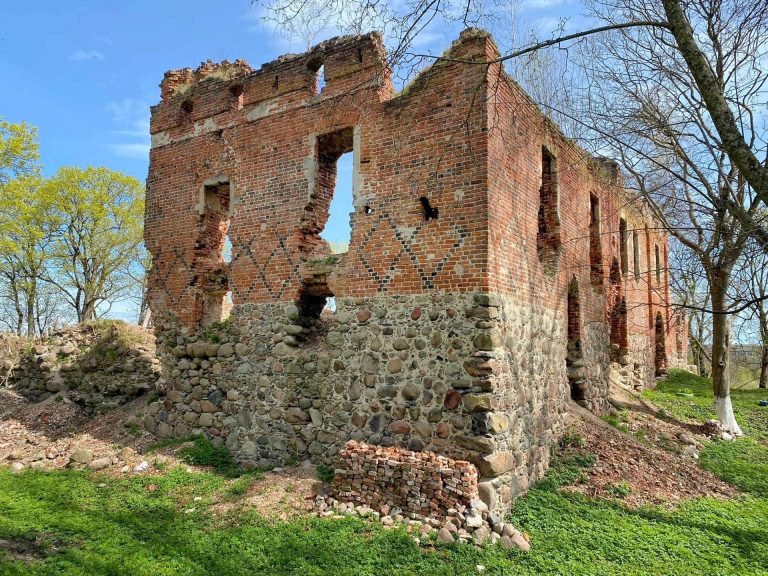
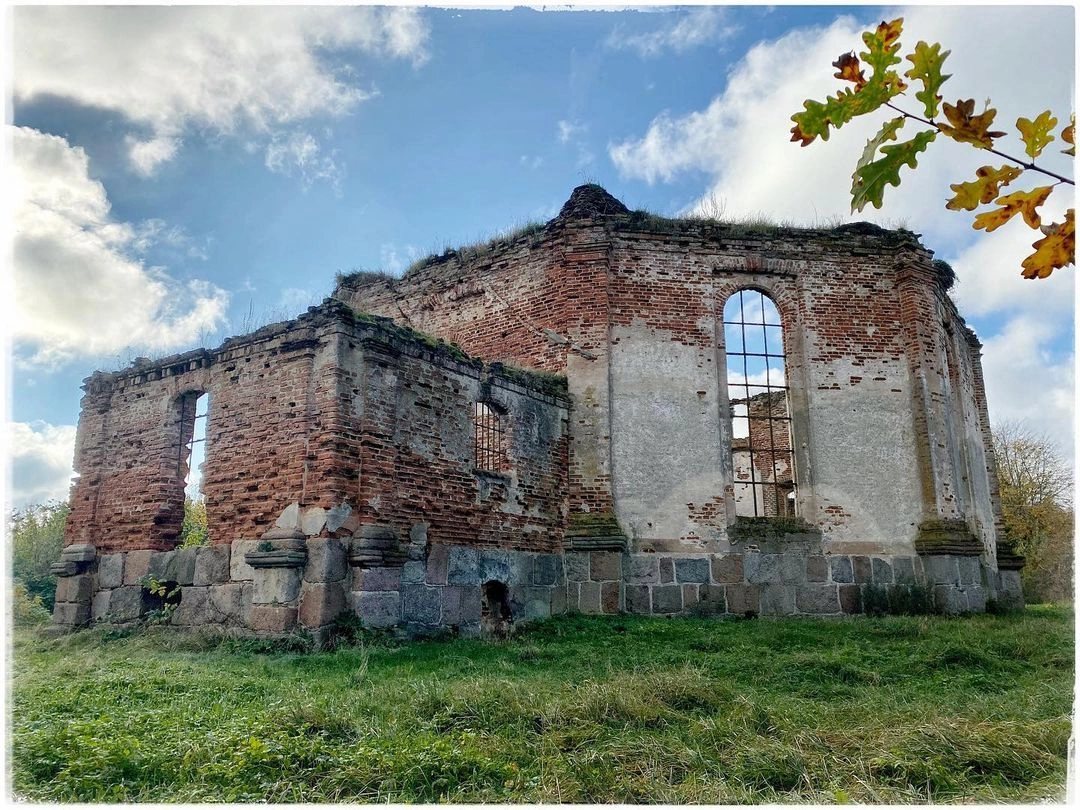
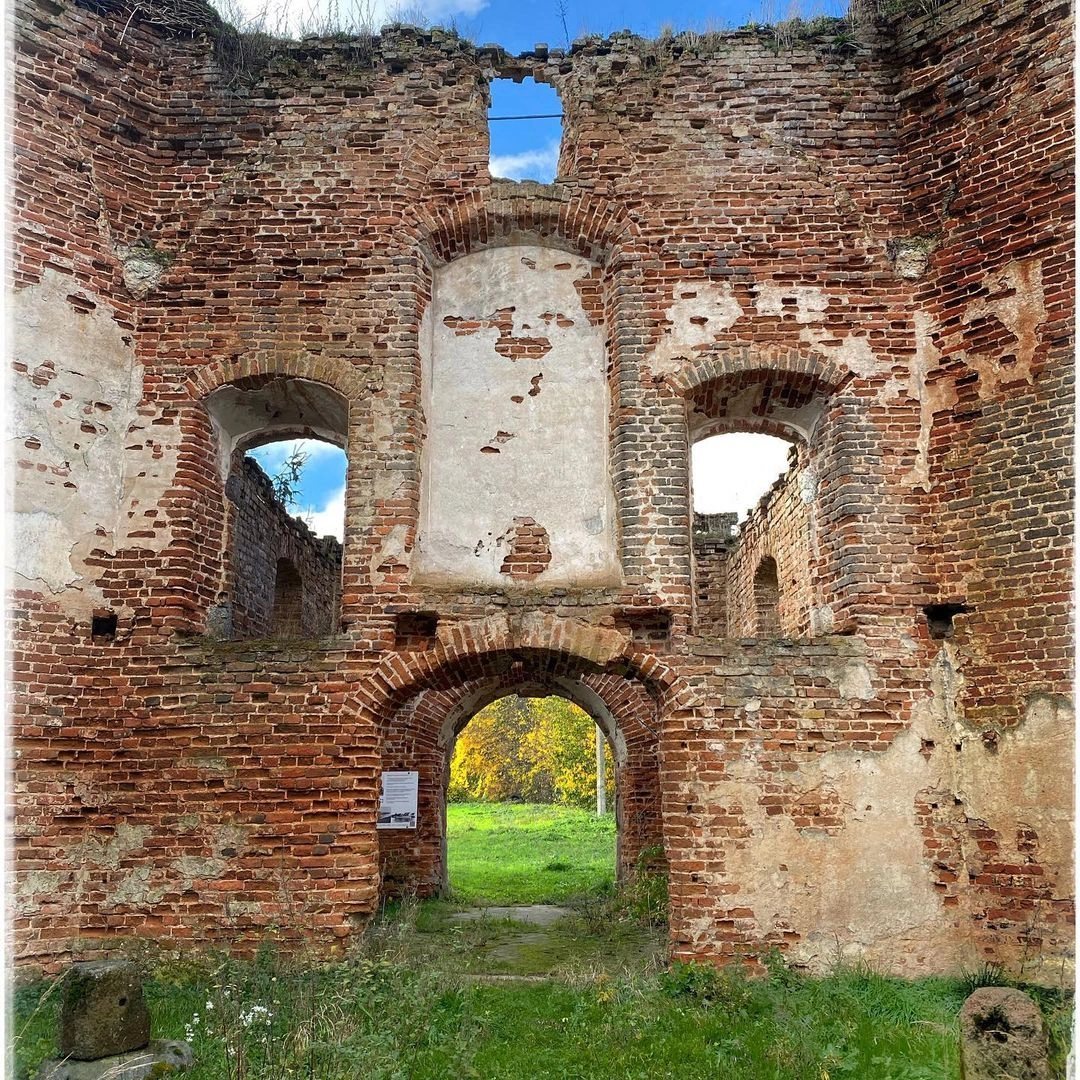
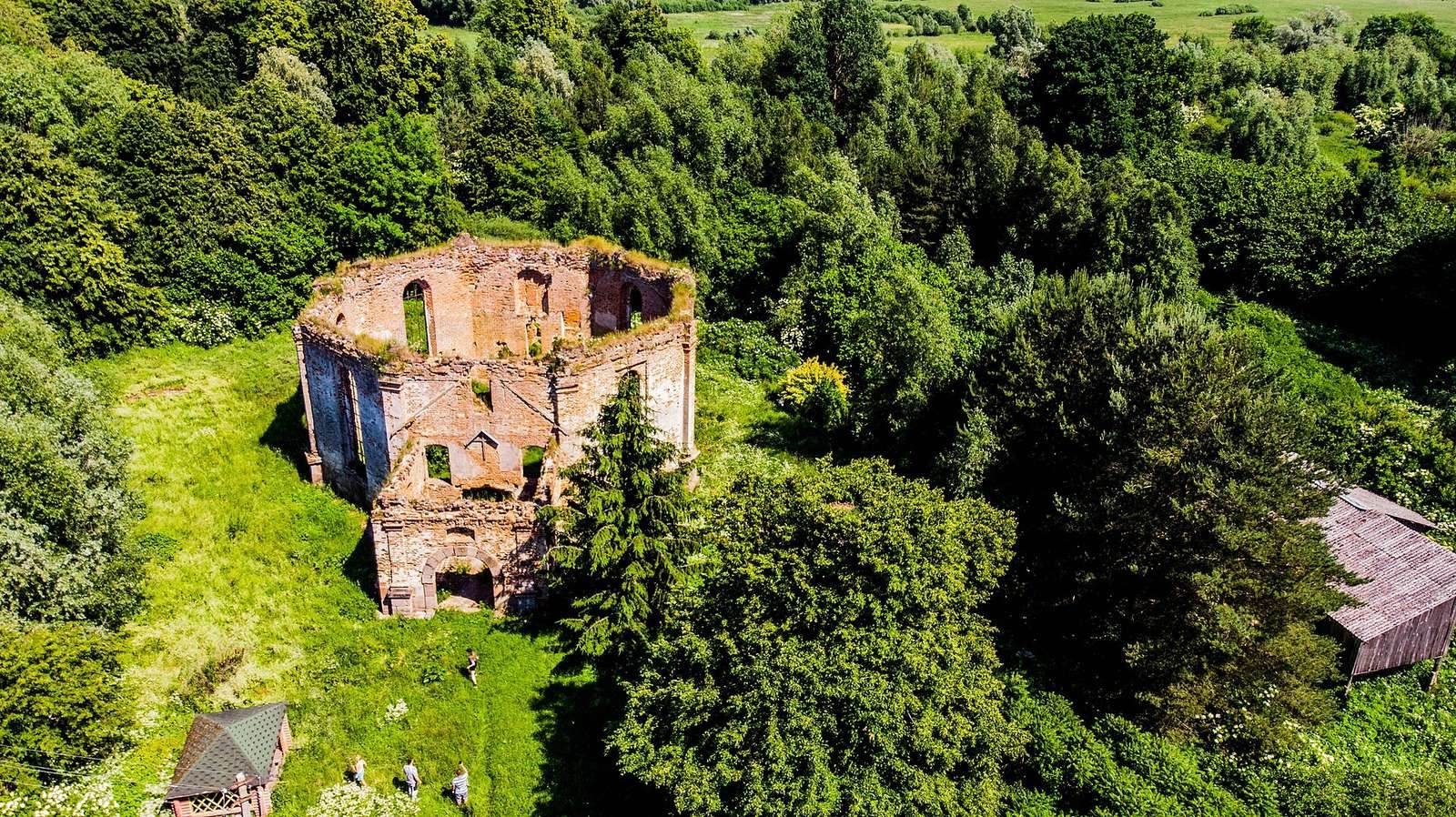
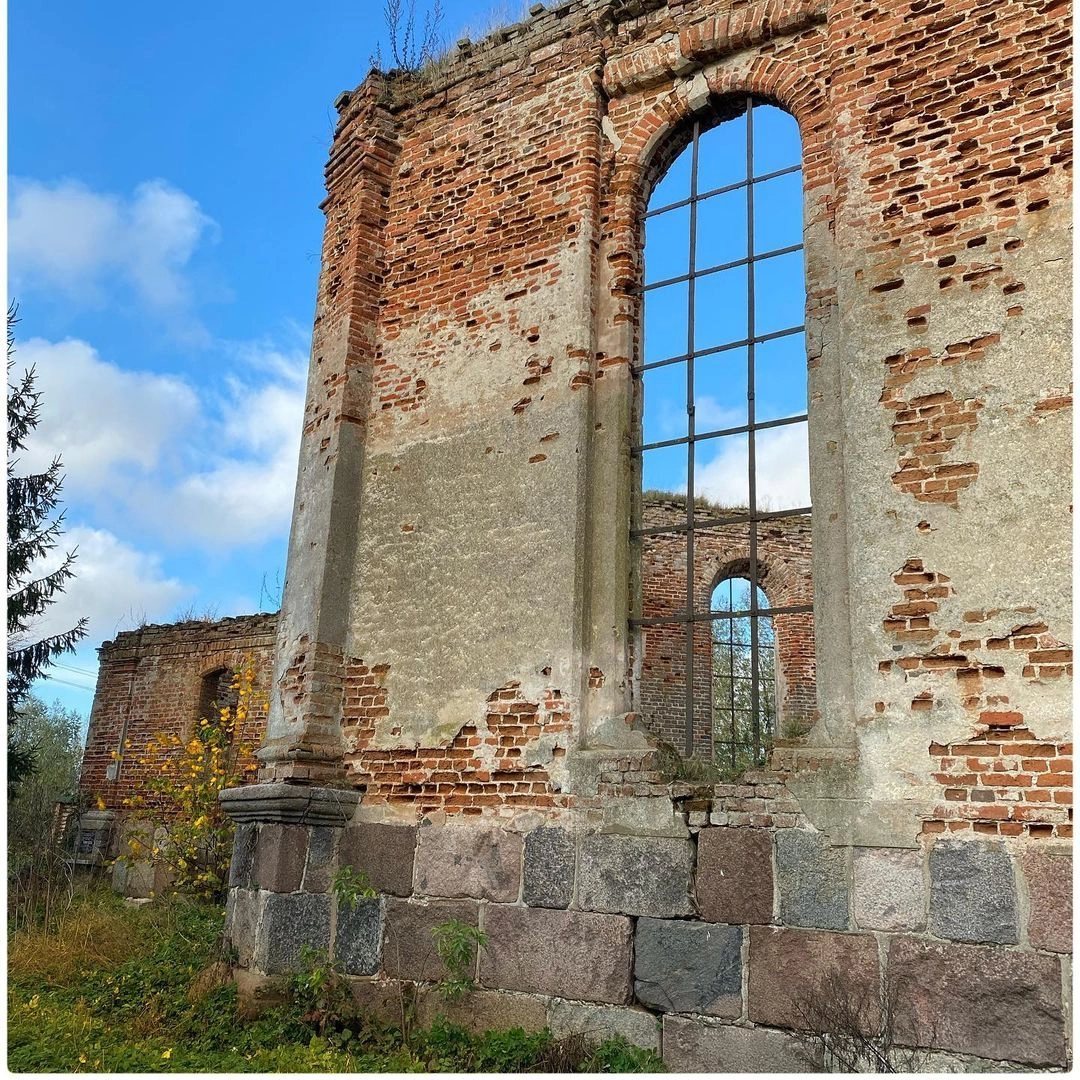
In 1975, lightning caused a fire that destroyed the church down to its outer walls. Preservation work began in 1996. In 2004, the Elchniederung homeland association and local volunteers cleared debris and conserved the remains. A church service was held inside the roofless building in 2005 for the first time since the war, and former parish residents and current villagers have continued to gather there for services.
The ruin is designated a regional cultural heritage site in Russia and is no longer owned by the church.
Remains
Architecture and interior
Exterior form
The church stands in the northeastern part of Bolschije Bereschki. It was a low, octagonal building of plastered brick on a fieldstone foundation, with a high tent-shaped roof crowned by a lantern. Several annexes were added over time. The 1975 fire left the building in ruins, with its outer walls surviving. Its design has parallels with the Marekerk in Leiden and the Basilica of San Vitale in Ravenna, either of which may have provided a model. The neighboring churches at Inse and Skören were probably based on similar plans.
Interior arrangement
The interior had a vaulted ceiling supported by wooden columns covered with plaster. Galleries were added later.
Fittings and commemorative features
Pulpit altar and organ
A pulpit altar dated to 1701 stood inside the church. Tradition describes its carvings as Venetian in style, and similar carving decorated the organ case. Johann Josua Mosengel built the organ in Königsberg in 1701.
Bells
The church’s two bells were cast in 1670 and 1761.
Burial vault and sculpture
The eastern annex contained a burial vault used by the owners of the Rautenburg estate until 1928. When the room was needed for the church’s heating system, the coffins were reburied in the church cemetery. Above the vault, a sandstone sculpture on the east gable showed a knight with his family. It was widely admired and was believed to have come from Courland, a historic Baltic region.