Gagarin Palace in Utyos: A Historic Estate Residence
Site at a Glance
- Popularity
- High
- Country
- Ukraine
- Primary era
- Modern
- Eras represented
- Modern
- Civilizations
- Russian
- Site type
- Domestic
- Remains
- Castle
On this page9 sections
History
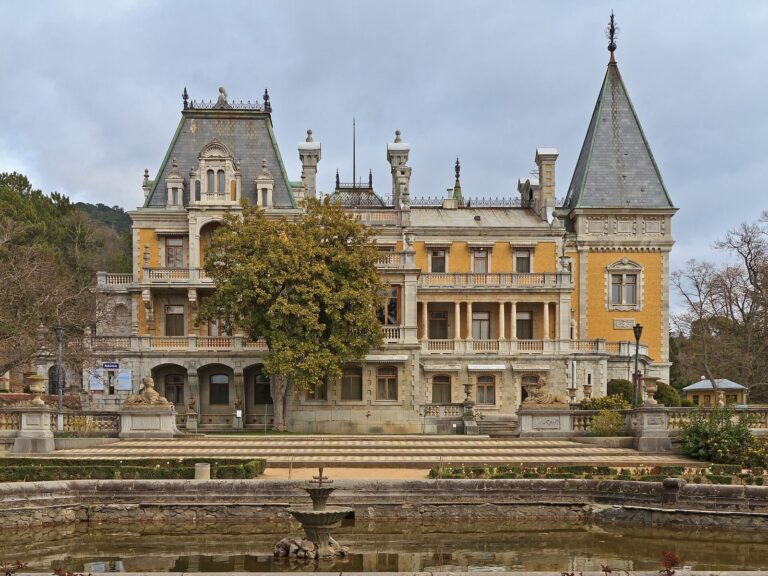
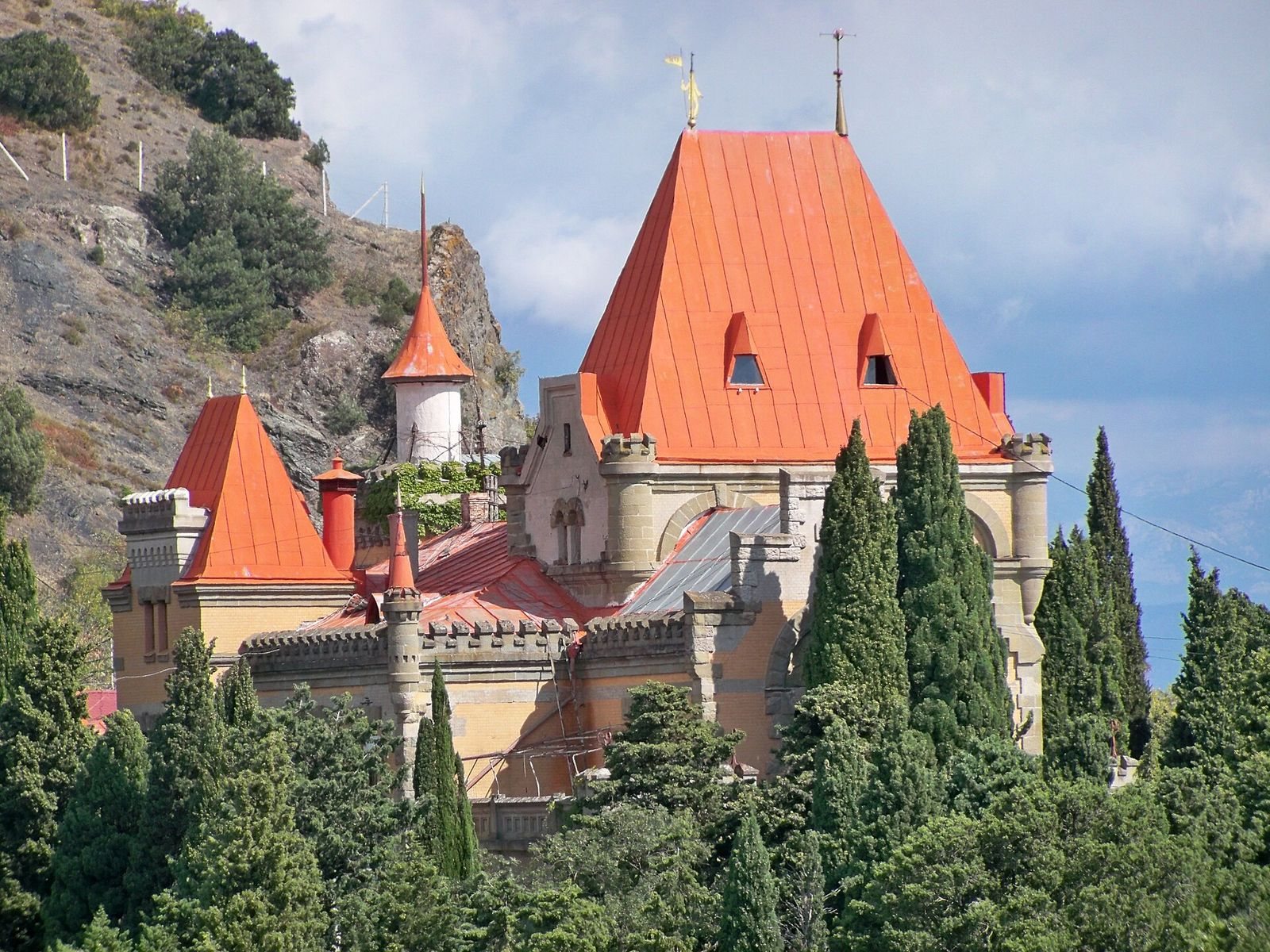
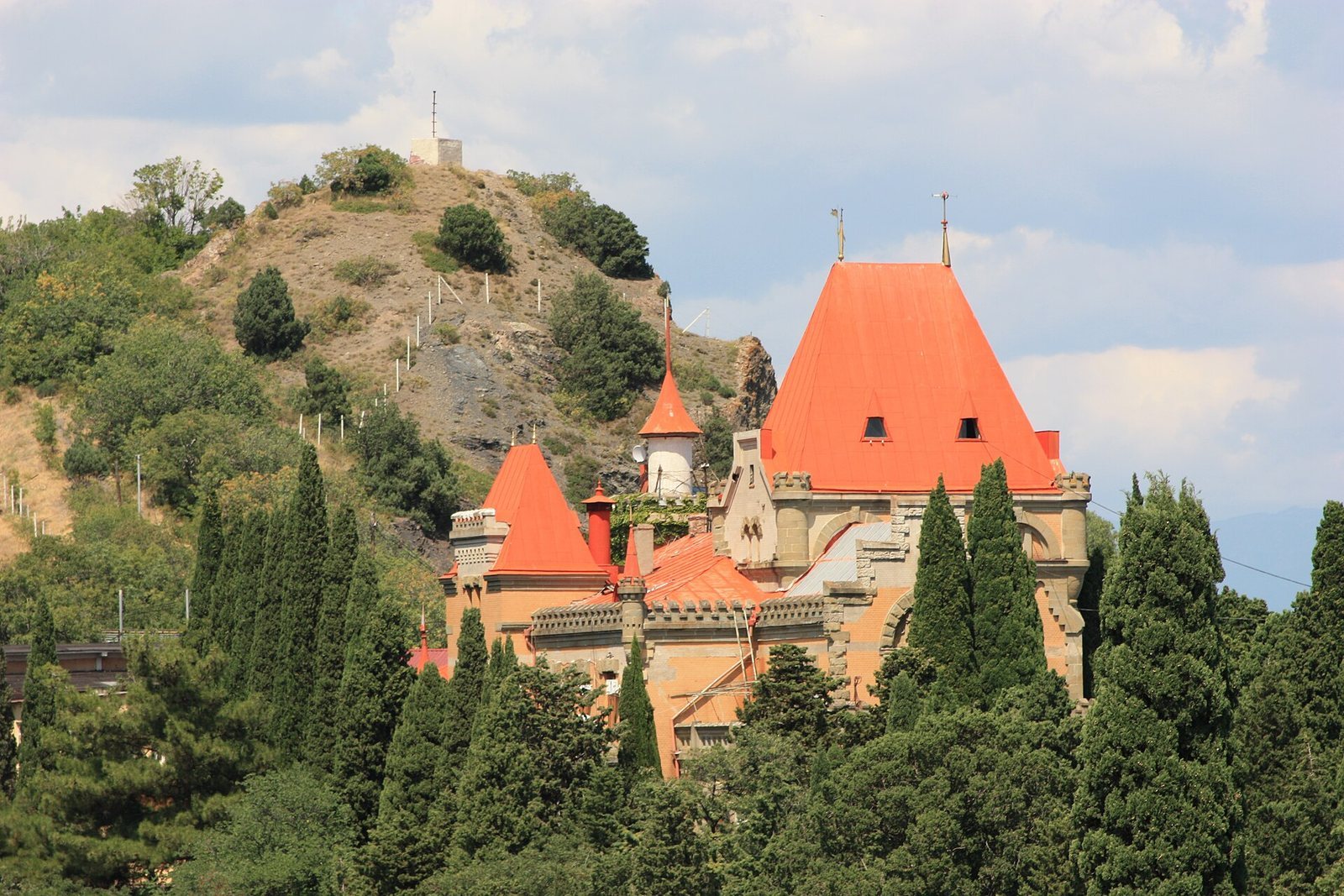
Gagarin Palace in Utyos is an estate complex near Cape Plaka on the shore of Kuchuk-Lambat Bay in Ukraine. Its present palace was completed in 1907 with a design described as drawing on motifs of modernized ancient Germanic architecture. The earlier estate hosted literary figures and travelers, including Russian writers Alexander Pushkin, Alexander Griboyedov, V. A. Zhukovsky, and P. I. Sumarokov, as well as Polish poet Adam Mickiewicz.
The Borozdin estate
In the early nineteenth century, A. M. Borozdin, governor of Taurida, an administrative region of the Russian Empire, established an estate at Cape Plaka. Its palace used the Empire style, a neoclassical style associated with the early nineteenth century. After Borozdin’s death in 1838, the estate passed to his daughter Maria and then to her second husband, Prince Alexander Ivanovich Gagarin, who served as an aide to Count M. S. Vorontsov.
After Gagarin was murdered in 1857, his widow, Anastasia Davidovna Gagarina, became the estate’s owner. She was a Georgian princess born Taso Orbeliani.
Anastasia Gagarina’s commission
In 1902, Gagarina commissioned Russian architect N. P. Krasnov to design a new palace and a house church dedicated to St. Alexander Nevsky, and to supervise construction. Workers came from different regions of Russia. The palace was completed in 1907, the year Gagarina died.
Commemoration and present use
A monument to Gagarina was erected on the palace grounds in 2007, marking a century since her death. The palace now serves as the administrative building of the Utyos sanatorium. It is designated a cultural heritage site of federal significance in Russia and a national architectural monument in Ukraine.
Remains
The estate’s architectural ensemble includes the palace and its surrounding park, as well as a house church and wine cellars associated with the later building project. The palace combines a castle-like outline with imported decorative and building materials.
Palace grounds
The palace
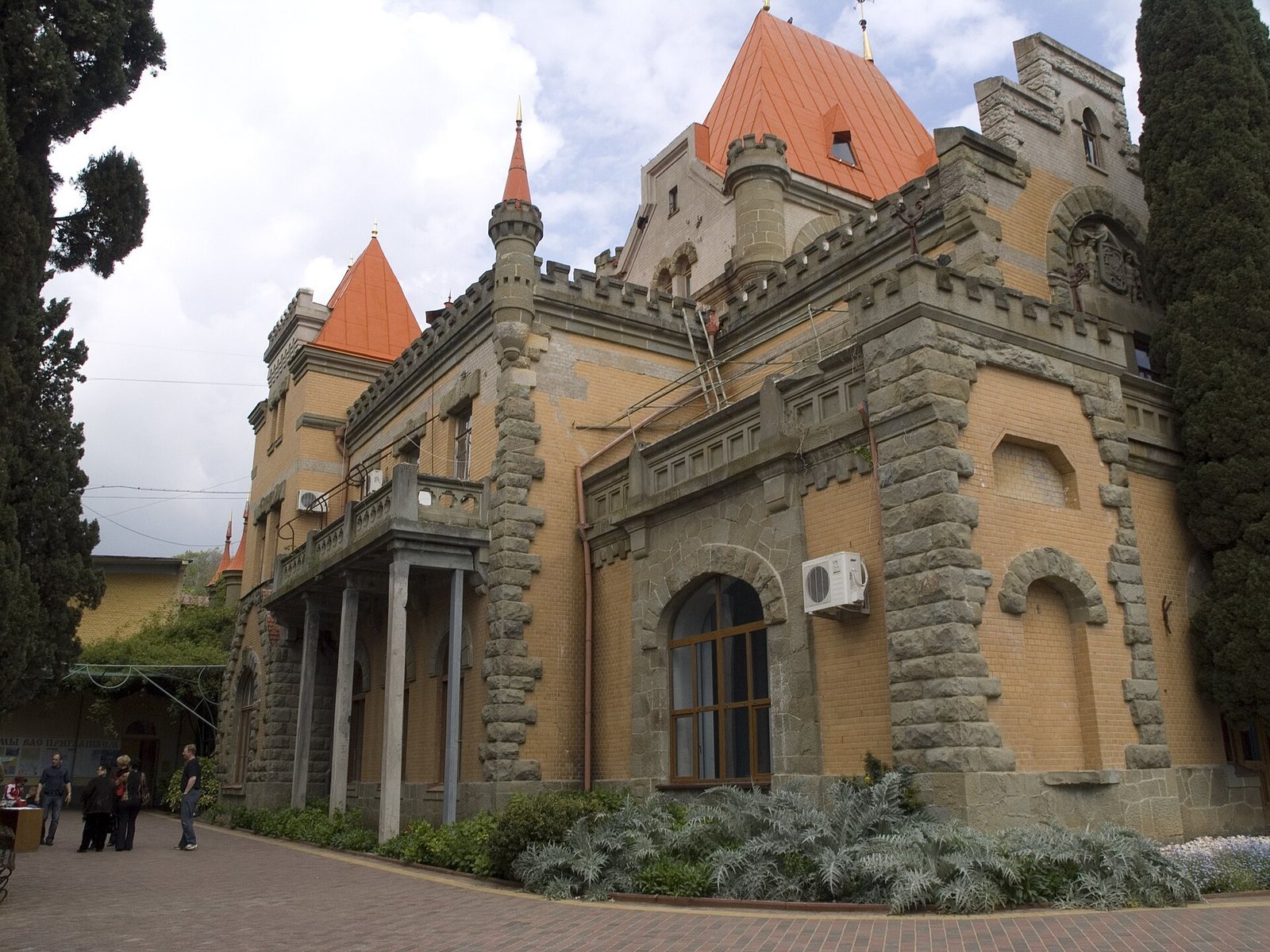
Romanesque-style turrets, from a medieval European architectural tradition, and narrow loophole windows give the palace the appearance of a medieval castle. Facing ceramic tiles and marble for the stairs came from Italy, Venetian glass from France, and roof tiles from Germany. The Gagarin family coat of arms, bearing a Latin motto translated as “Strength in antiquity,” is set above the main entrance. Vines cover the east façade.
House church and burial court
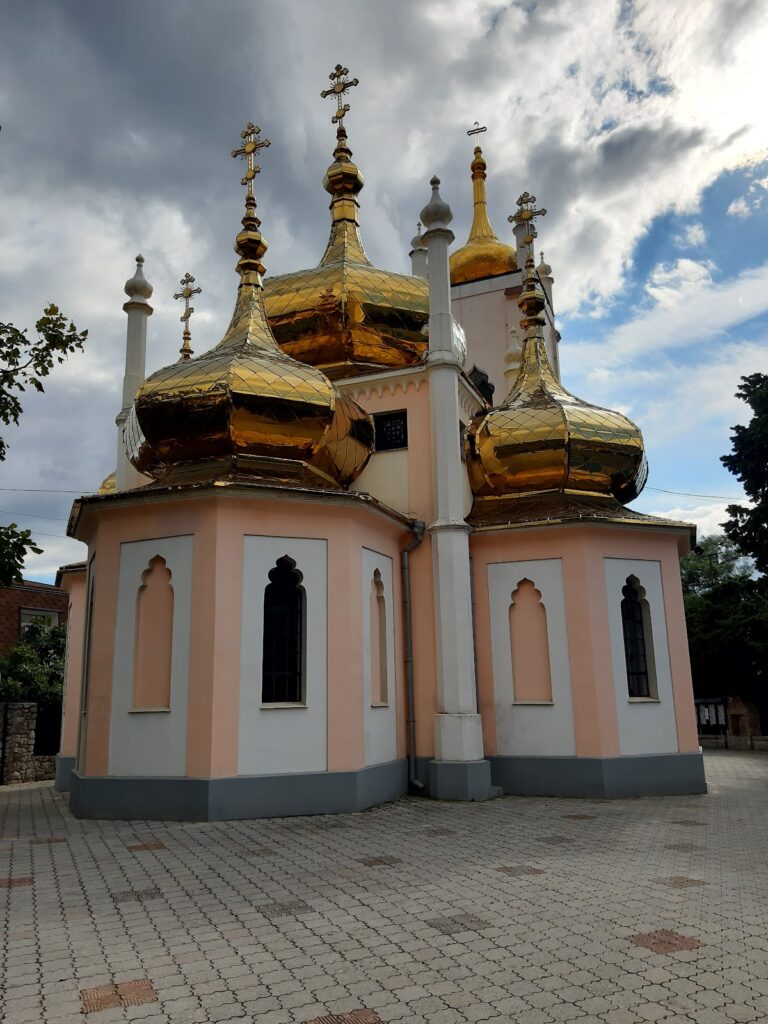
The house church, a chapel serving the household, is dedicated to St. Alexander Nevsky and was designed in a Byzantine-Georgian style, drawing on Byzantine and Georgian Christian traditions. Its courtyard contains the burial places of Anastasia Gagarina and her daughter Ekaterina.
Wine cellars
Krasnov’s design work for the palace project also included wine cellars.