Salakta: An Ancient Commercial Port in Tunisia
Site at a Glance
- Rating
- 4.4
- Popularity
- Low
- Country
- Tunisia
- Primary era
- Classical
- External website
- Open
- Eras represented
- Iron Age, Classical
- Civilizations
- Phoenician, Roman
- Site type
- City
On this page7 sections
History
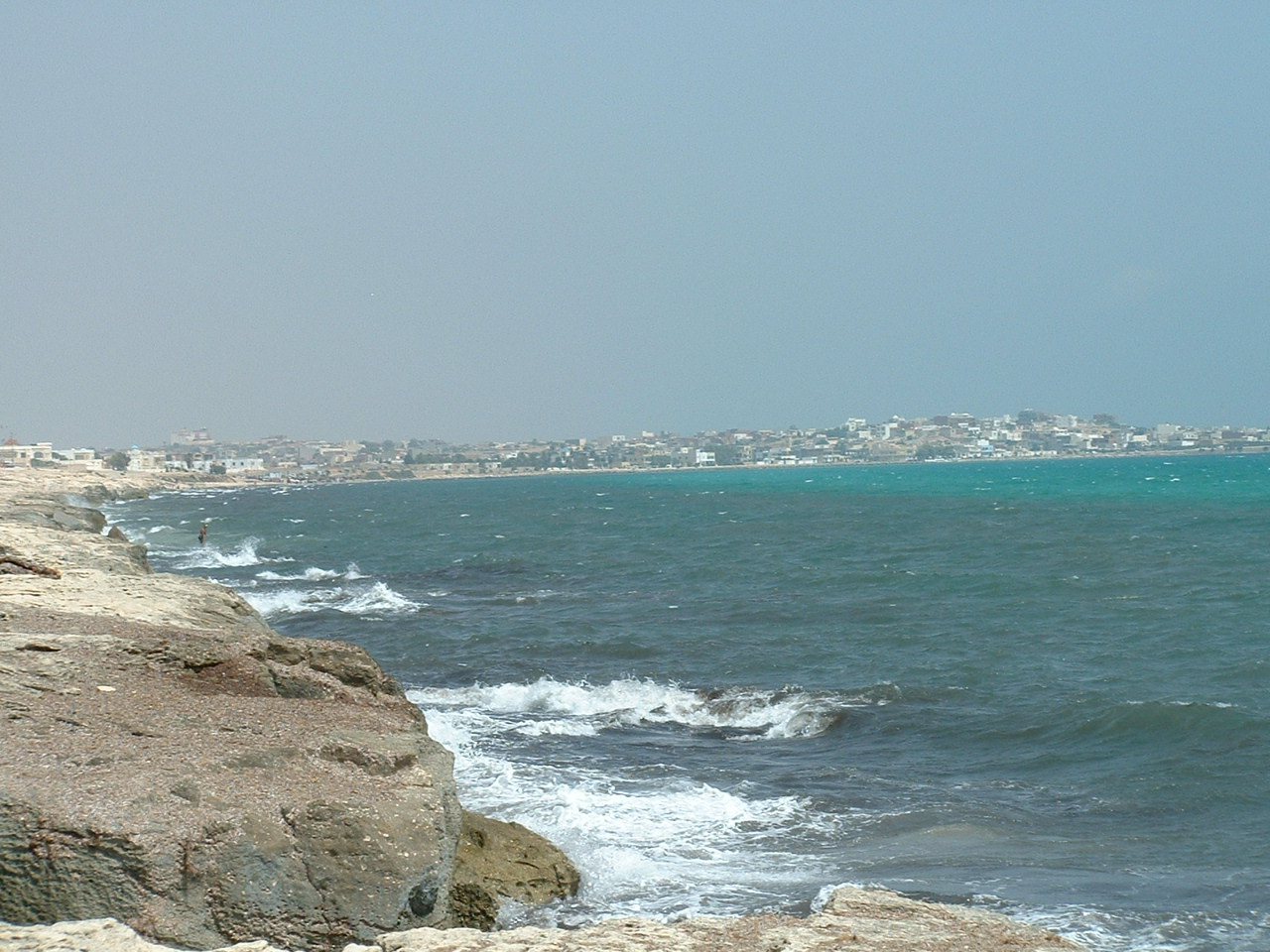
Salakta is a coastal archaeological site in Tunisia whose foundation is attributed to the Phoenicians. Carthaginians and then Romans occupied the settlement, which became an important port in the Roman period.
Phoenician foundations and Roman port
Under Roman rule, names for Salakta included Sullectum and Syllectum. It ranked among the region’s principal coastal cities alongside Gummi, another ancient coastal settlement. Salakta took part in active oil trade with Rome. At Ostia, the port serving Rome, an office in the Place of the Corporations, a commercial complex, bore the name of Syllectum’s shipowners.
Roads connected coastal settlements with communities inland. Fourth-century route descriptions and aerial surveys help trace parts of this network, through which pottery made inland reached markets via ports on the Mahdia coast. The name Salakta derives from the Latin Sullecthum, interpreted as “blessed place” in reference to the beach’s beauty. Ancient forms include Sullectum, Syllectum, and Salaktum.
Byzantine and Arab rule
Salakta remained a strategically important coastal point under Byzantine rule, the Eastern Roman Empire. In 533, Emperor Justinian’s general Belisarius landed at Caput Vada, just south of Salakta, to begin a campaign to take North Africa from the Vandals.
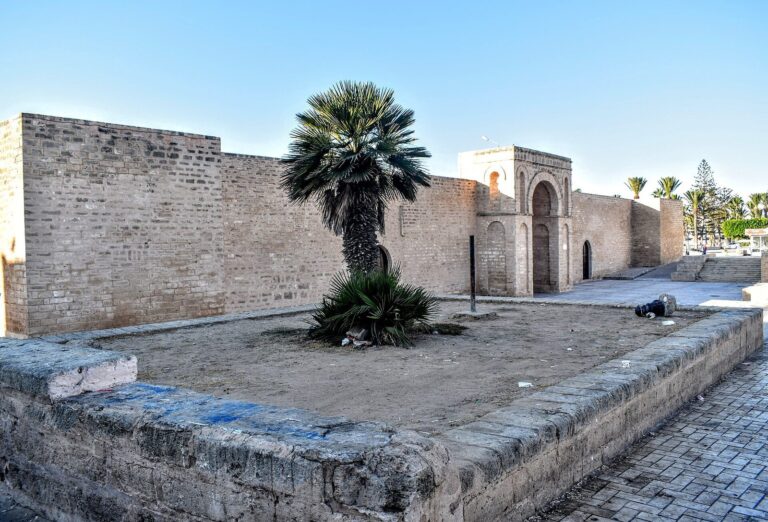
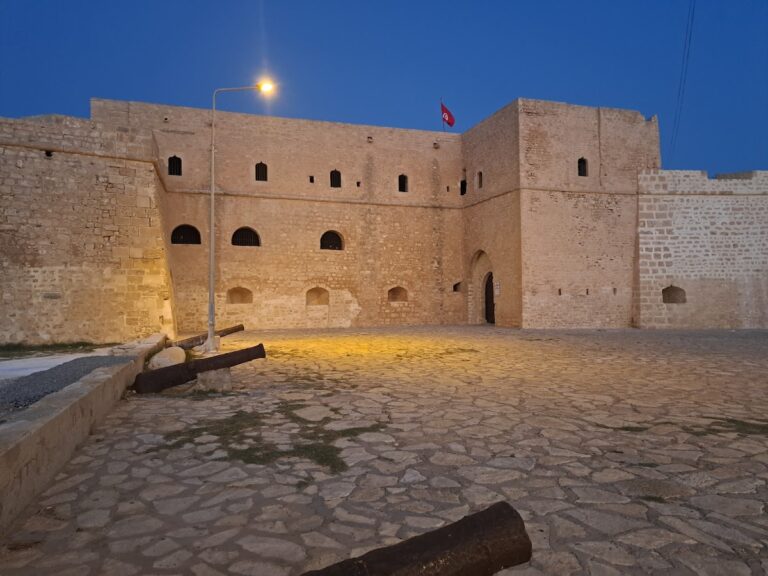
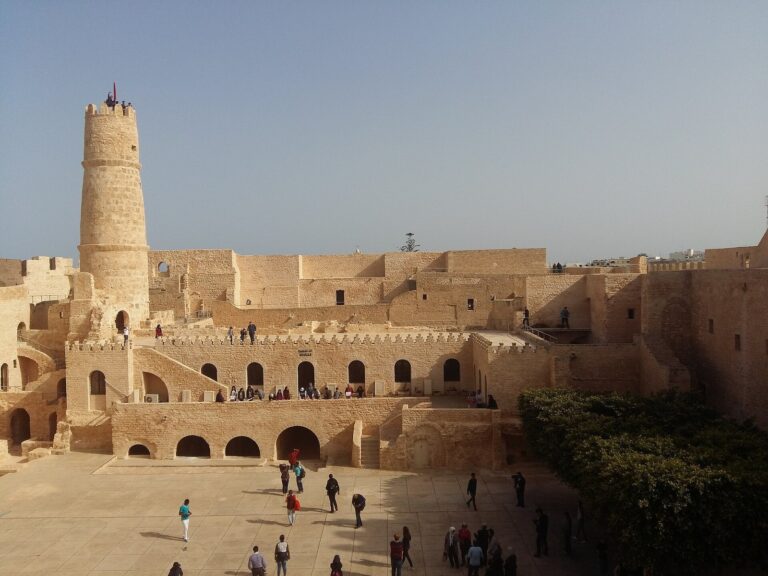
Under Arab rule, Salakta became a quiet settlement supported by fishing and farming. A mosque and a ribat, an Islamic religious institution often associated with a fortified residence or post, formed part of the settlement.
During the Second World War, Salakta served as a military base for French forces and Germany’s Afrika Korps, the German force operating in North Africa.
Remains
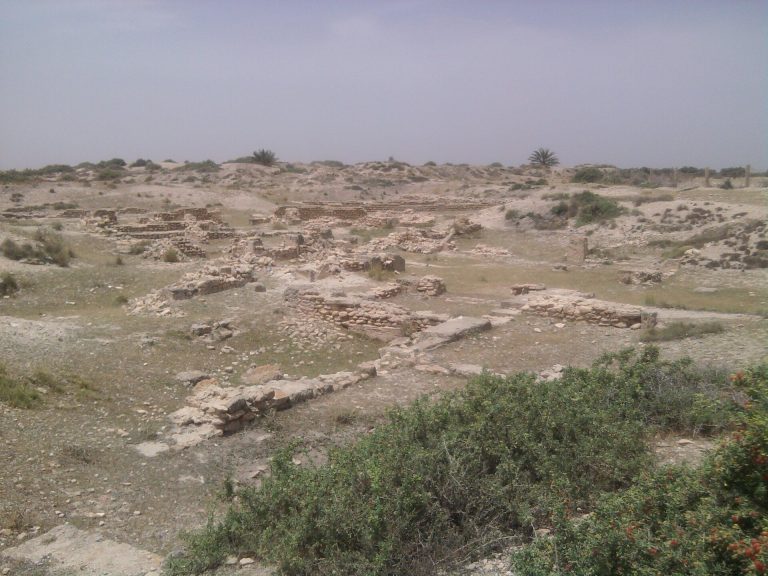
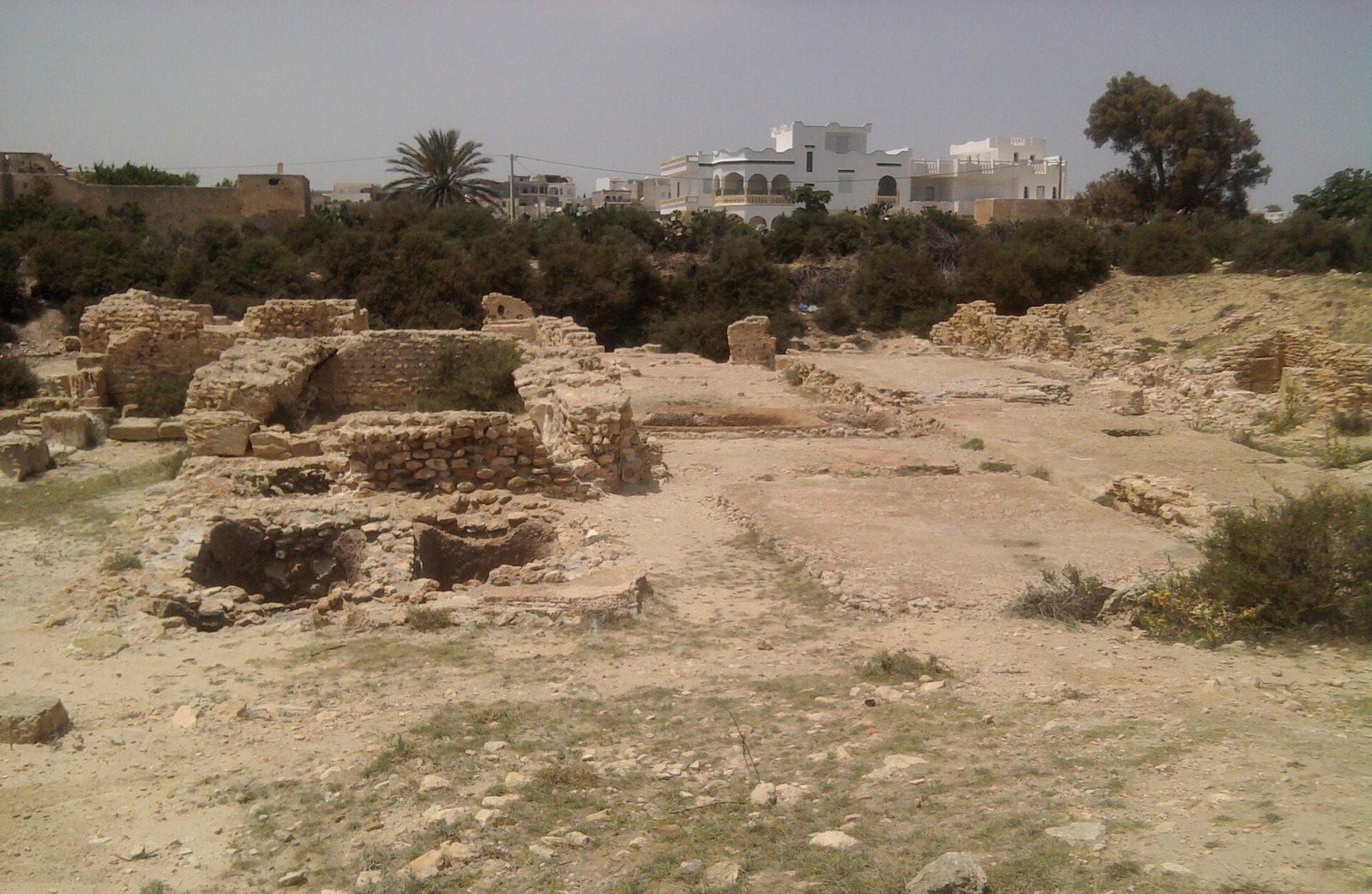
Salakta is a coastal archaeological area, and most of the ancient settlement now lies underwater. The remains include evidence of food production, burial areas, features from the Arab-era settlement, and Roman mosaics.
Coastal industry
Numerous installations at Salakta were used to salt fish and make garum, a fermented fish sauce widely consumed in the Roman world. Oil amphorae, large vessels for storing and transporting goods, stamped “A SYLL” have been found both at Salakta and at Ostia.
Burial and Arab-era features
The archaeological area includes catacombs, or underground burial chambers, and an ancient cemetery. A mosque and a ribat also formed part of the settlement under Arab rule.
Mosaics
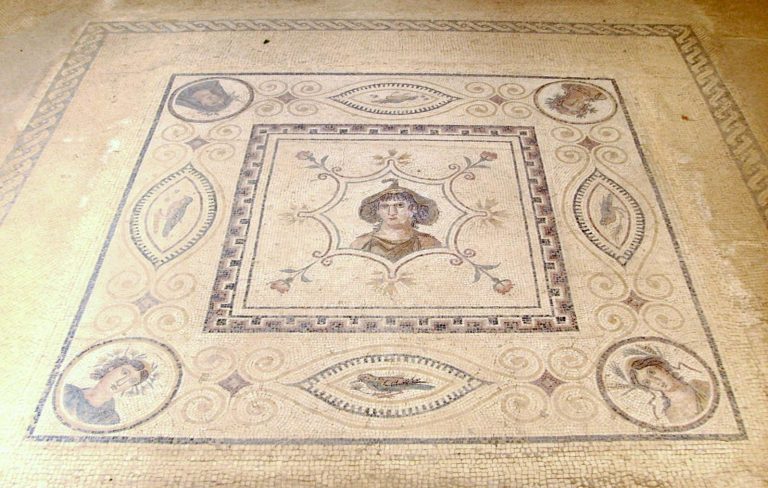
A large Roman mosaic depicting an African lion was discovered at Salakta in 1958 and is now held at the Bardo National Museum. Other notable Roman mosaics from the site are also preserved there.