Baltit Fort: A Fortress and Former Seat of Hunza’s Rulers
Site at a Glance
- Rating
- 4.6
- Popularity
- Very High
- Country
- Pakistan
- Primary era
- Medieval
- Eras represented
- Medieval, Early Modern, Modern
- Civilizations
- British
- Site type
- Military
- Remains
- Castle
On this page7 sections
History
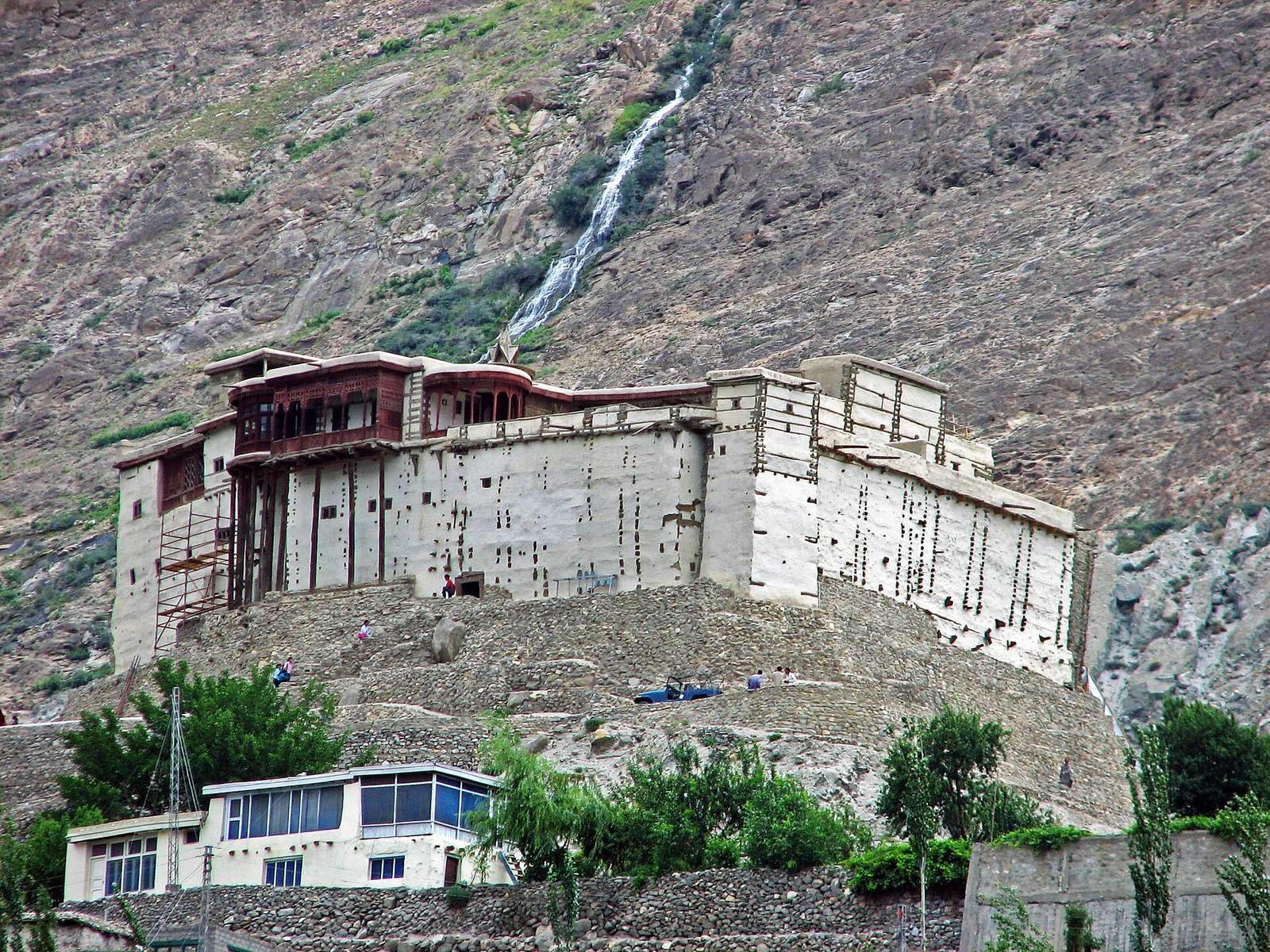
Baltit Fort is a historic fortress and former seat of Hunza’s rulers in Karimabad, Pakistan. Its defensive core dates to the eighth century CE, and its architecture reflects Tibetan influence. A military garrison at the fort controlled seasonal trade across the Karakoram between South and Central Asia. Hunza and Nagar were rival states, with Nagar across the Hunza River, and their rulers built fortifications to assert their authority.
Seat of Hunza’s Rulers
Hunza’s rulers first lived at Altit Fort. After a succession struggle between the ruler’s sons, Shah Abbas moved to Baltit. Ali Khan was defeated and died, and Baltit became Hunza’s principal seat of rule.
Ayasho II, Hunza’s ruler, married Shah Khatun, a princess from Skardu in Baltistan. The marriage date is uncertain. Shah Khatun remodelled Altit Fort and later Baltit Fort; her father, Abdal Khan, sent artisans who rebuilt Baltit. A cannon included in her dowry bears the date 1539. Hunza’s rulers continued to expand and alter the fort over the following centuries.
Conflict and British Rule
In the nineteenth century, attacks by the Maharaja of Kashmir, a South Asian princely ruler, led to the loss of many older fortifications in the region. Hunza’s inhabitants repelled invaders on four occasions. During the British invasion in December 1891, Hunza’s ruler Safdar Ali Khan and his senior minister, Dadu, also known as Thara Baig III, fled with their families and companions to Kashgar in western China, where they sought political asylum.
After the British conquest of Hunza and Nagar, the old village wall at Baltit and the fort’s northwestern observation towers were demolished. The British installed Safdar Ali Khan’s younger brother, Sir Muhammad Nazeem Khan, as ruler. Nazeem Khan later altered the third floor, removing several rooms.
Decline, Restoration, and Recognition
Baltit remained the residence of Hunza’s rulers until 1945, when Mir Muhammad Jamal Khan moved to a new palace at the foot of the hill. The fort then fell into neglect and faced ruin. Following a survey by the Royal Geographical Society, a British geography and exploration society, a restoration programme began with support from the Aga Khan Trust for Culture, an agency focused on cultural heritage and historic places. Work was completed in 1996, and the restored fort is now operated as a museum by the Baltit Heritage Trust.
In 2004, Baltit Fort joined UNESCO’s World Heritage Tentative List, which identifies places that may be considered for future nomination but does not confer World Heritage inscription. That year it also received the Award of Excellence for Cultural Conservation in the UNESCO Asia-Pacific Heritage Awards.
Remains
Plan and Defensive Construction
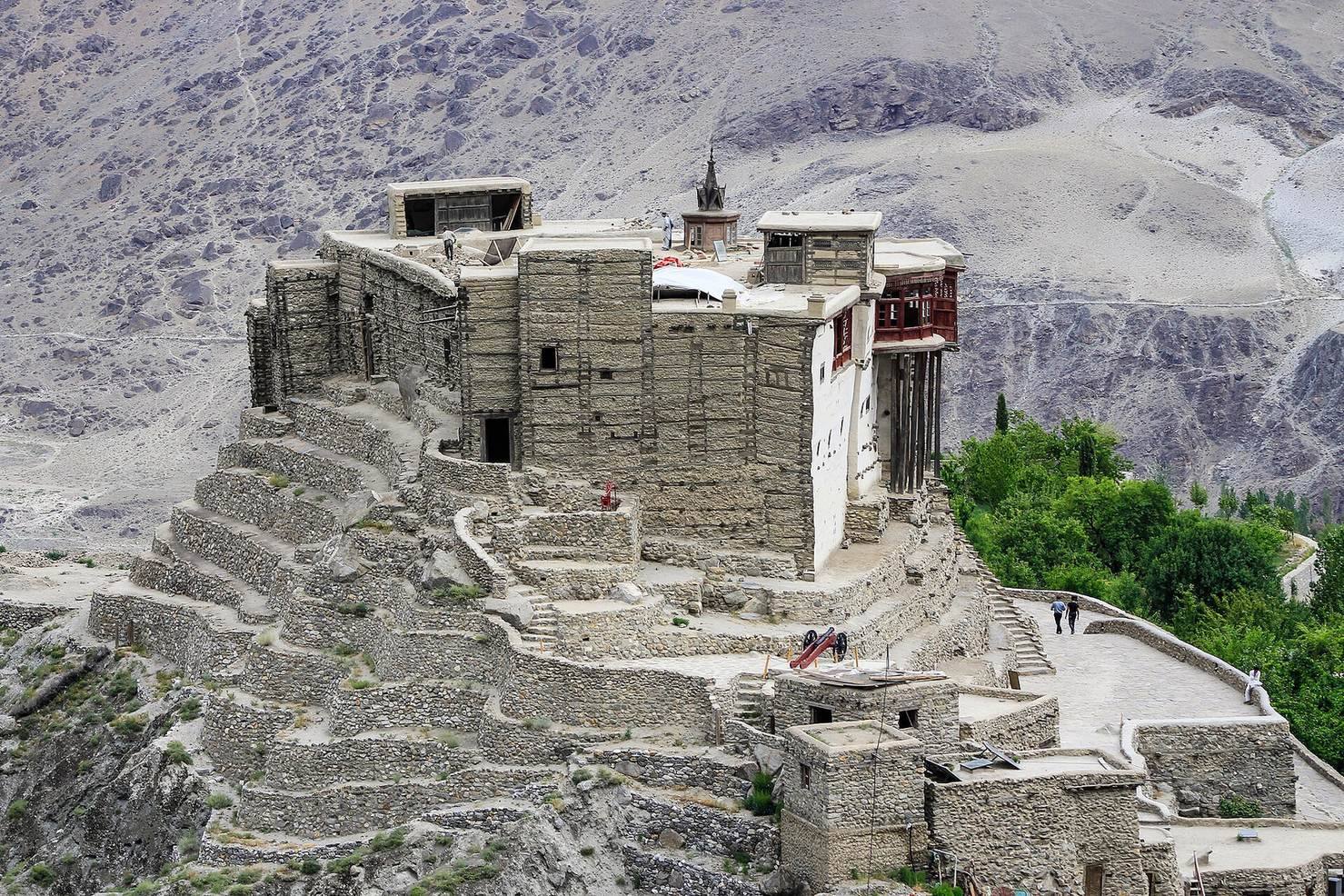
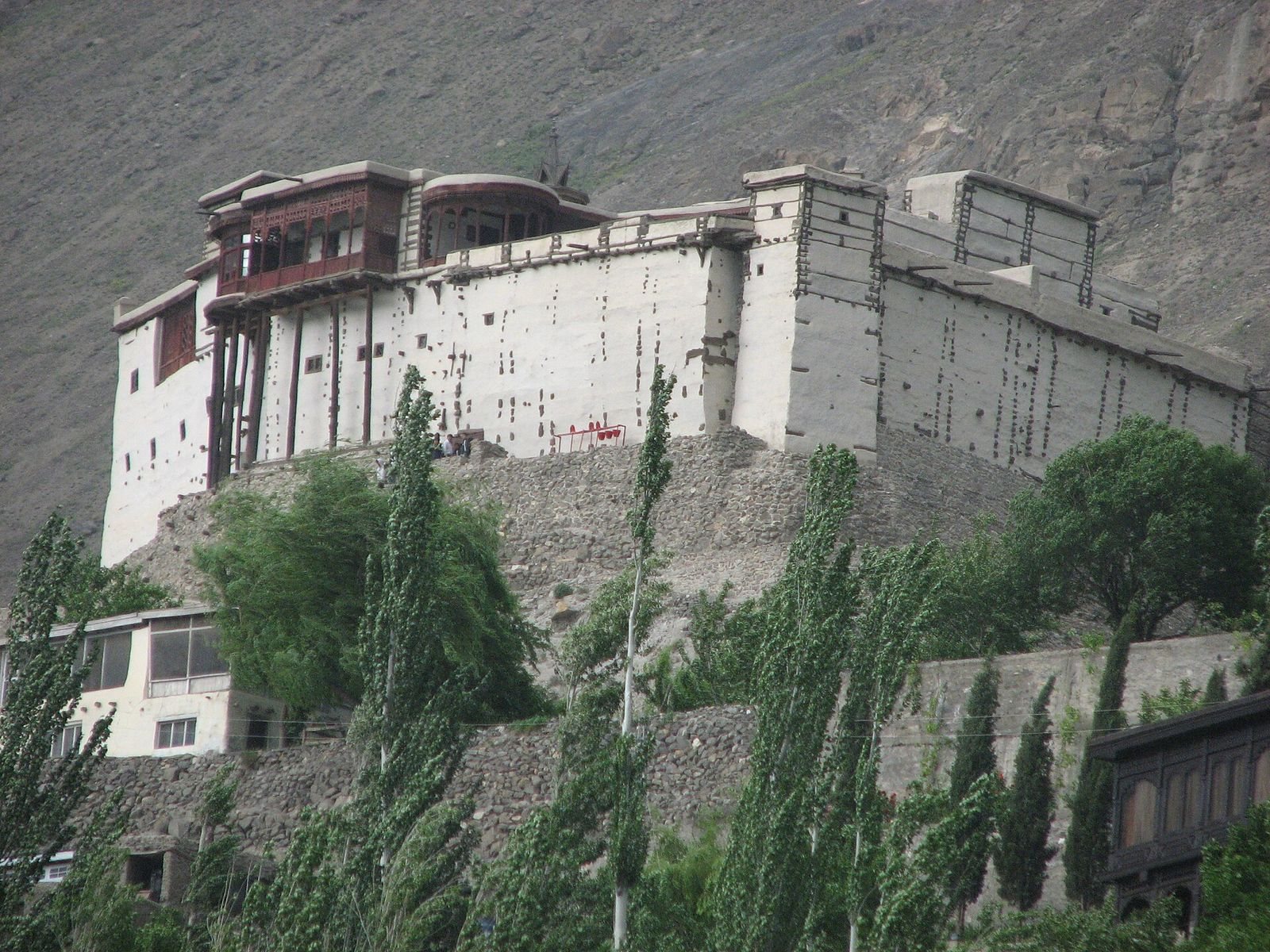
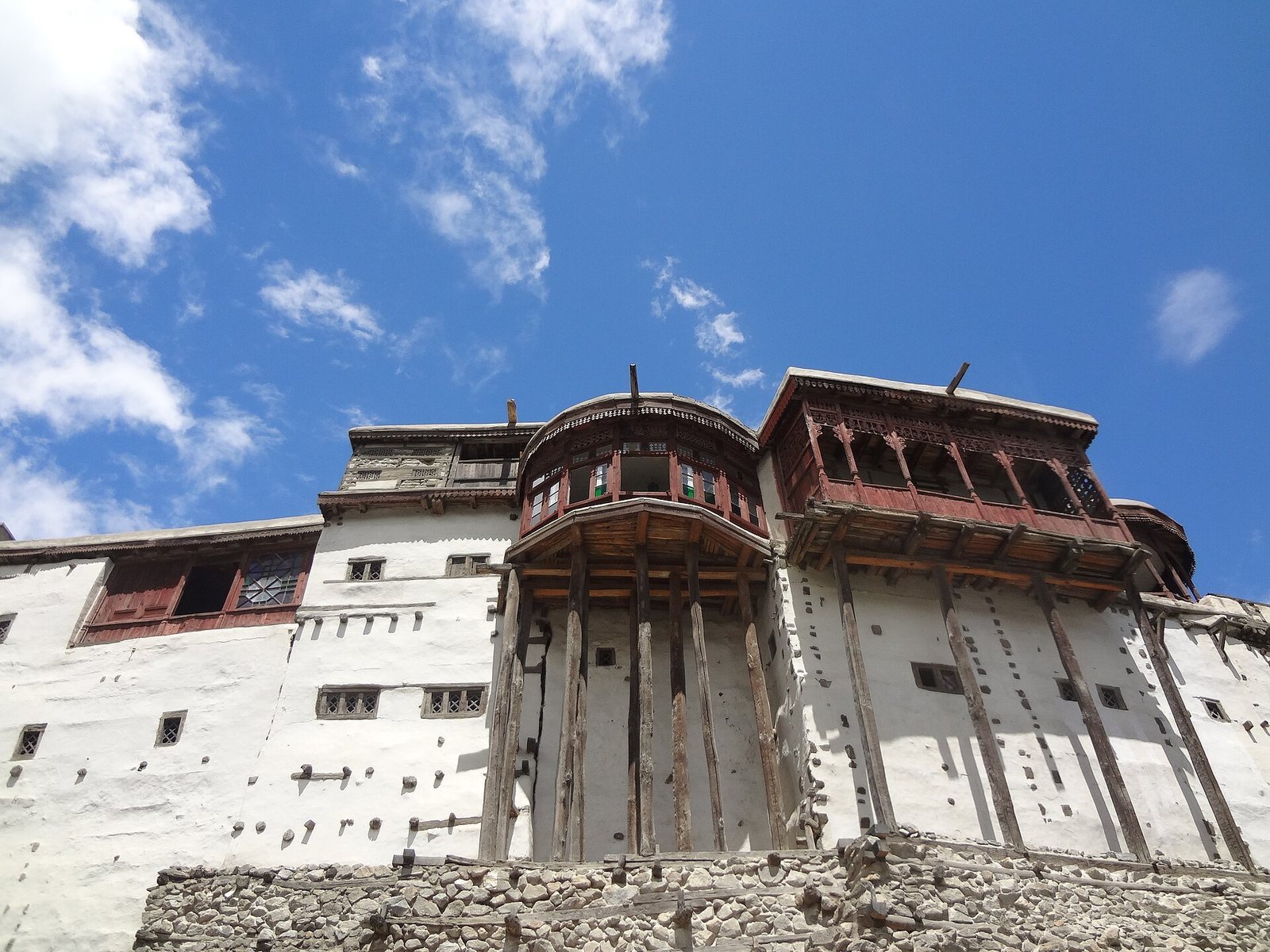
The fort stands at the highest point of Karimabad and has a rectangular plan arranged over three storeys. Its early core includes defensive works and a stone tower, incorporated into a complex enlarged in later phases. A passage links defensive structures and incorporates small rooms and underground storage chambers. Timber supports reinforce the stone walls, a construction measure suited to a region subject to frequent earthquakes.
Rooms and Interior Arrangement
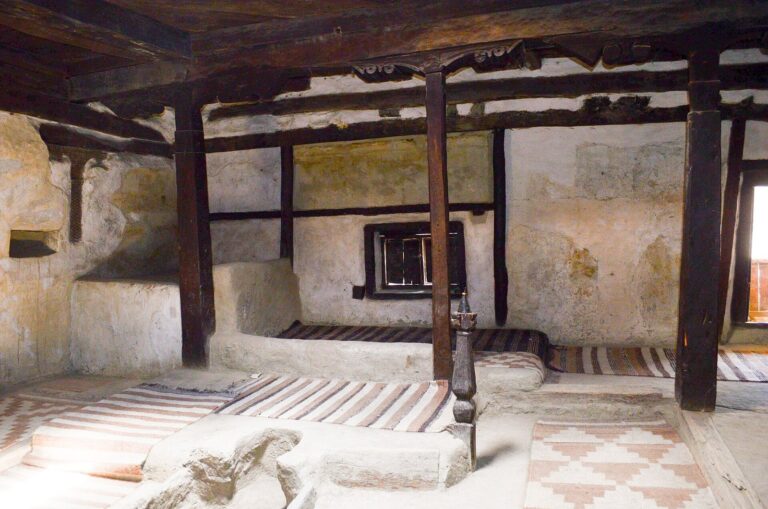
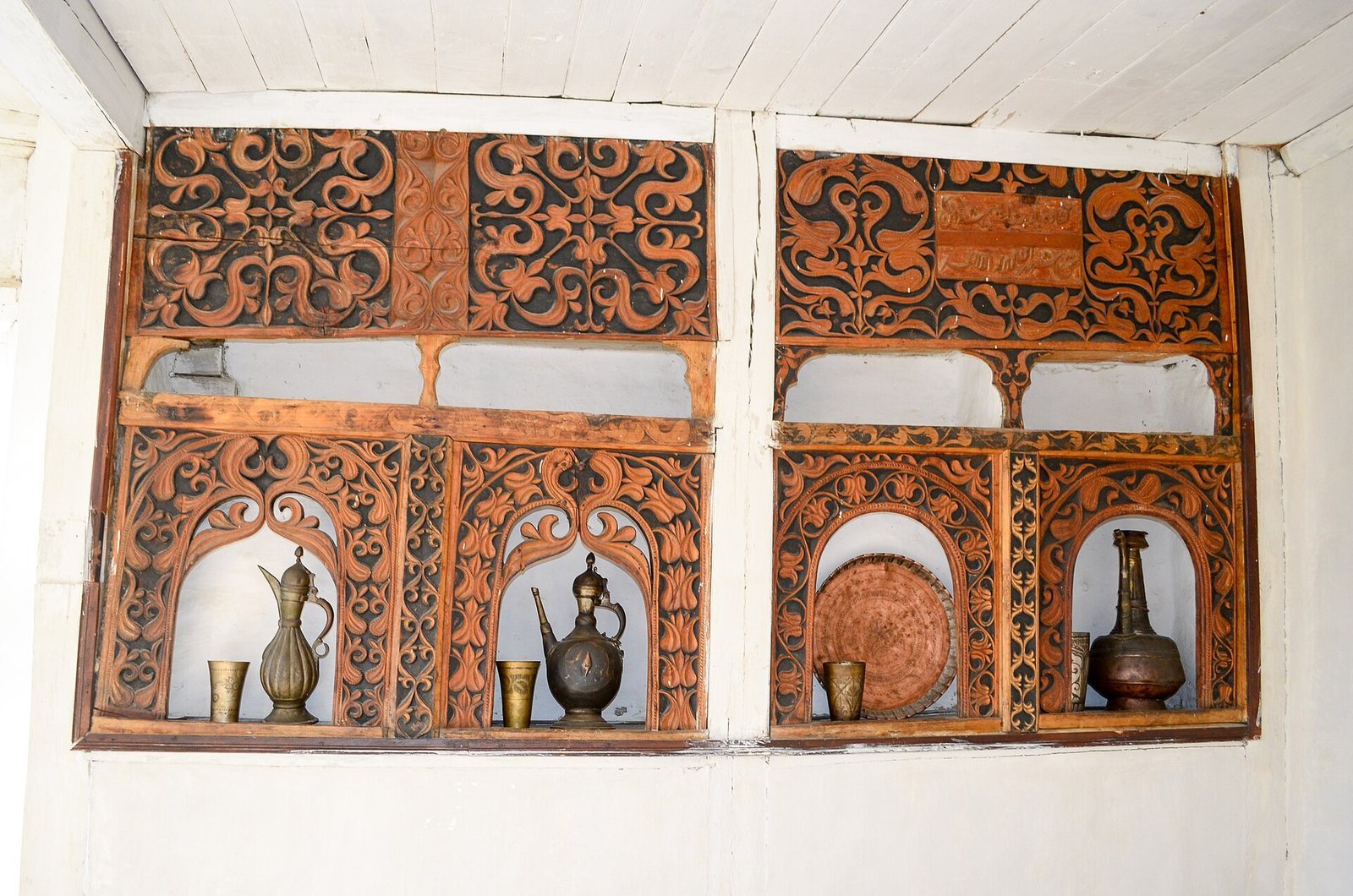
The first storey consists mainly of storage chambers. Used chiefly in winter, the second contains an audience hall, guest rooms, a dining room, a kitchen, and servants’ rooms. The third storey includes a summer dining room, a reception hall, and bedrooms. Rooms added at the front during Nazeem Khan’s alterations use British colonial styling and have coloured-glass windows. The fort’s form has a distant resemblance to the Potala Palace, the historic complex in Lhasa associated with the Dalai Lamas.