Palazzo Bonomi ex Pezzoli: A Private Palace in Bergamo
Site at a Glance
- Rating
- 4.7
- Popularity
- Very Low
- Country
- Italy
- Primary era
- Early Modern
- Eras represented
- Early Modern
- Civilizations
- Duchy of Milan, Habsburg, Holy Roman Empire, Spanish
- Site type
- Domestic
- Remains
- Elite Residence
On this page10 sections
History
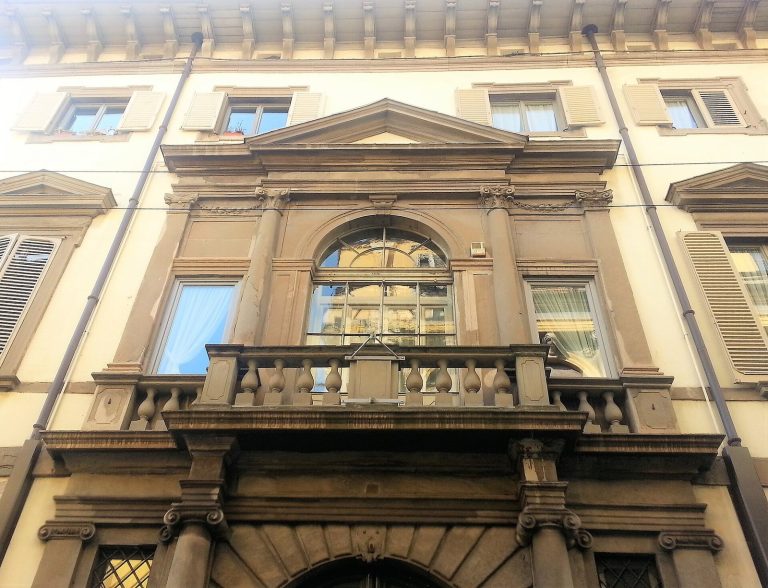
Palazzo Bonomi ex Pezzoli is a private palace on Via Pignolo in Bergamo, Italy, built for the Pezzoli family between the late seventeenth and eighteenth centuries. Its façade is Neoclassical, using classical forms, with a strong Palladian influence shaped by the classical approach associated with Andrea Palladio.
Via Pignolo’s early development
Wealthy merchants who formed Bergamo’s bourgeoisie developed much of the southern side of Via Pignolo in the early sixteenth century. Its broader space allowed buildings to open onto terraces facing the plain. Construction on the street’s northern side came later.
The Pezzoli residence and its protection
The Pezzoli family commissioned the palace as a private residence. The Bonomi family owns it, and it remains in private use. On 13 September 1944, the Directorate General of the Arts within the Ministry of National Education designated the palace a heritage property of significant interest.
Remains
In the upper part of Via Pignolo, which links the lower and upper parts of Bergamo, the substantial palace has three floors and a U-shaped plan. Its surviving features include a distinctive façade, an elliptical entrance hall, and interior spaces and grounds.
Façade
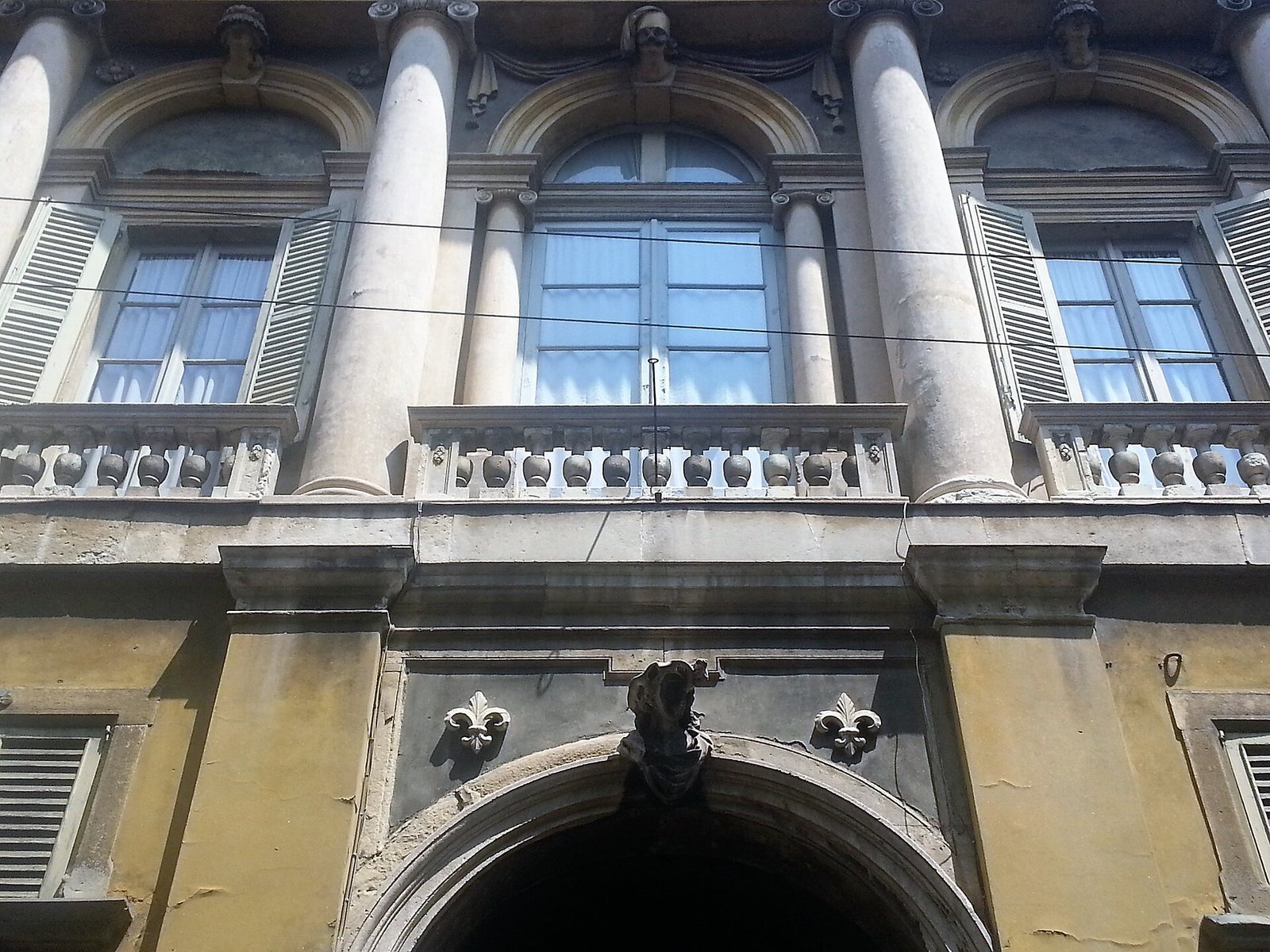
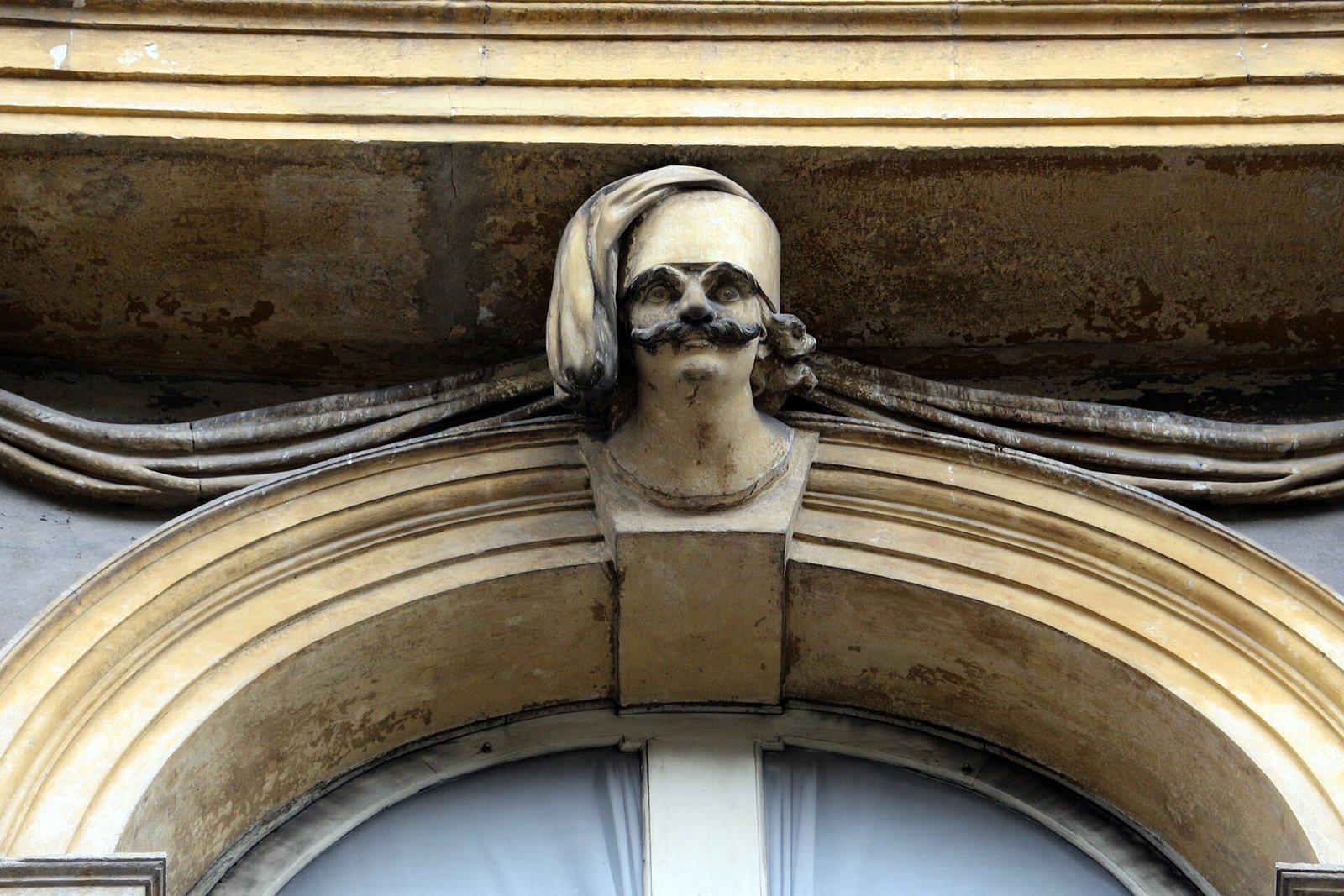
The sloping, narrow street limits the frontal view envisaged in the original design, so the façade presents at two different levels. Contrasts of light and shade accent the principal upper floor, which is more exposed to the south. Above a continuous base band, shallow vertical strips divide the plastered wall. Rectangular windows form the lower tier; square ones sit on the mezzanine, an intermediate floor. On the principal floor, Ionic half-columns, partial columns attached to a wall and topped with scroll-shaped capitals, frame large arched windows. Sculpted heads adorn the keystones, the central stones at the arches’ tops. The uppermost part, difficult to see from the street, has vertical strips tapering downward. This treatment may be closer to Milanese or Mantuan Mannerism, a post-Renaissance style with varied, sometimes unconventional forms, than to Venetian architecture, and has little in common with Neoclassical art. The façade is described as unique among Bergamo’s buildings and shows Venetian artistic influence.
Interior and grounds
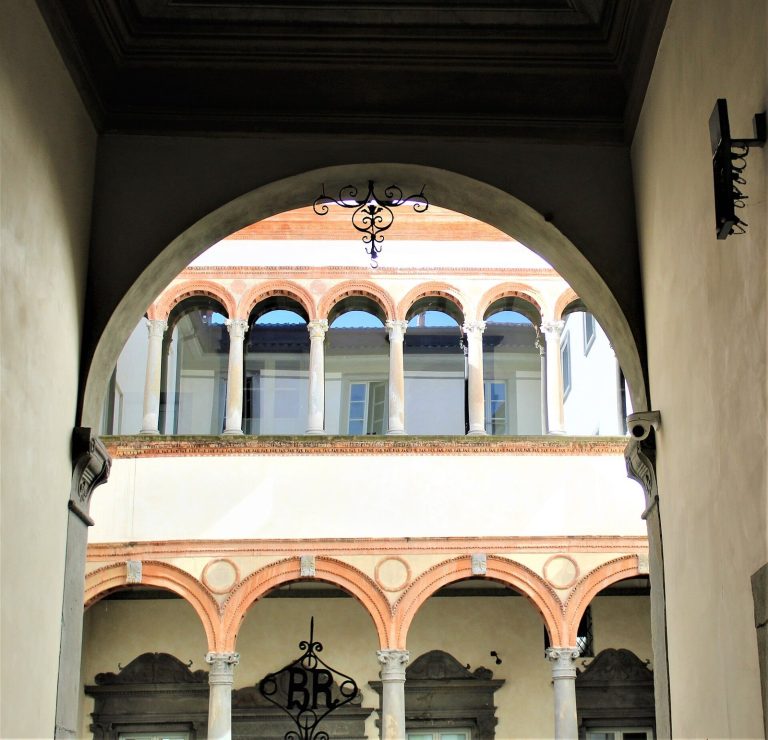
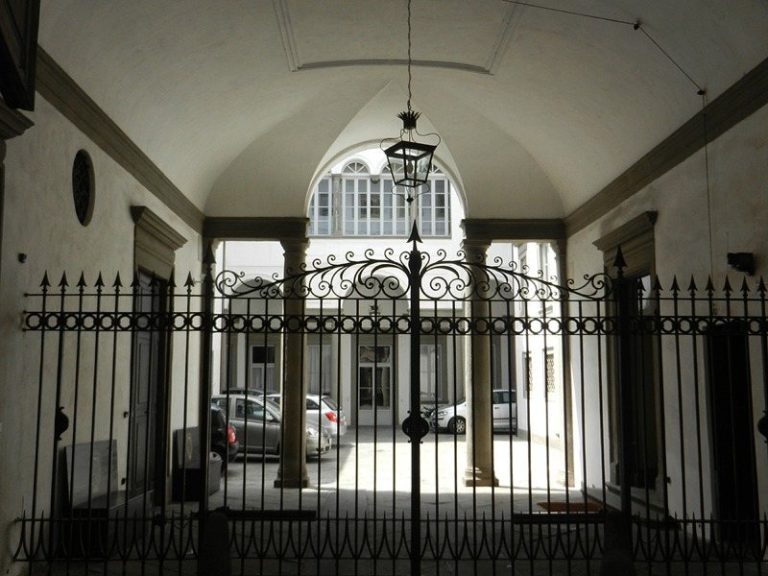
The elliptical entrance hall is unique in Bergamo. On the inward-facing façade, two niches occupy the ground floor, while a large central window echoes the street-facing window. The property also includes a park modest in size relative to the palace and a small private theater.
Baschenis fresco
Painted composition
A well-preserved fresco by Pietro Baschenis, a painter from Averara, dates to about 1625–1630. It depicts a Pietà, an image of Mary mourning the dead Christ, accompanied by Saint John the Baptist and Saint Clare of Assisi. Its square painted border imitates a carved and gilded wooden frame. A mountainous landscape forms the background, with a large rocky mass behind Mary.
Mary and the central symbols
Mary’s expression conveys intense grief. Her clothing is very dark, and her mantle leaves part of her neck exposed; a white garment rising toward her face signifies purity. Two white marble blocks beneath her are interpreted as evoking a young life cut short. Nails and a crown of thorns at the bottom of the scene symbolize martyrdom. The figures’ monumental solidity is characteristic of Baschenis’s work.
Saints John and Clare
Saint John the Baptist, a Jewish preacher described in the Christian Gospels, appears on the left in customary dress. He holds a lamb in his left hand and points with his right toward the lamb associated with Jesus. Saint Clare of Assisi, a medieval religious leader who founded the Poor Clares, is also shown on the left. She wears a nun’s habit and holds a monstrance, a vessel used in Catholic worship to display the consecrated host. Her figure is rendered almost three-dimensionally, with similarities to Mary among the figures beside the cross in the large fresco at the church of Santa Maria dell’Incoronata in Martinengo.