Narnala Fort: A Historic Fort Complex in Maharashtra, India
Site at a Glance
- Rating
- 4.3
- Popularity
- Medium
- Country
- India
- Primary era
- Medieval
- Eras represented
- Medieval, Early Modern
- Civilizations
- Deccan Sultanates, Maratha, Mughal, Rajput
- Site type
- Military
- Remains
- Fort
On this page18 sections
History
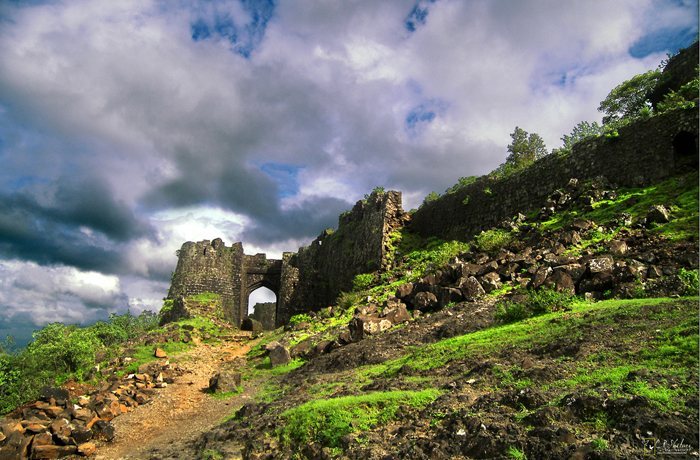
Narnala Fort is a hilltop fort complex near Shahanur in Maharashtra, India, established around the 10th century by the Gavli rulers, associated with pastoral communities in parts of India. Its exact construction date is unknown. Control later passed among regional dynasties and empires, and under Mughal rule the fort became an administrative center in Berar.
Early powers and Bahmani rule
Local tradition credits Raja Narnal Singh Swami with the first fortifications and attributes major rebuilding around the turn of the 16th century to his namesake descendant, Rao Rana Narnal Singh Solanki. The fort came under the Yadavas, a medieval ruling dynasty in the Deccan, and around 1400 the Rajgond rulers of Devgarh and Nagpur, a Gond ruling line. The Gonds are an Indigenous people of central India. Later powers included the Bahmani Sultanate, a medieval Muslim kingdom in the Deccan, the Farooqui dynasty of Khandesh, the Imad Shahi rulers of Berar, and the Ahmadnagar Sultanate.
Between 1425 and 1428, Bahmani ruler Shahab-ud-din Ahmad Shah I Wali repaired Narnala while staying at Achalpur during the construction of Gawilgarh Fort. In 1437, Nasir Khan of Khandesh invaded Berar. The provincial governor, Khan-i-Jahan, took refuge at Narnala and repelled a siege after Ala-ud-din Ahmad Shah II sent reinforcements under Khalaf Hasan Basri.
Imad Shahi, Ahmadnagar and Mughal rule
Fathullah Imad-ul-Mulk, founder of the Imad Shahi dynasty, took control of Narnala in 1487 and appointed Rao Rana Narnal Singh Solanki as governor. The fort’s name is credited to Narnal Singh. Islamic rulers renamed it Shahnoor, but Rao Rana Narnal Singh later regained and rebuilt the fort with Hindu cultural elements, restoring the name Narnala.
In 1572, the Imad Shahi ruler Burhan Imad Shah was imprisoned at Narnala by his minister, Tufal Khan. Murtaza Nizam Shah of Ahmadnagar captured the fort and executed both men. Under Mughal authority, Narnala became one of the thirteen sarkars, or administrative districts, of Berar Subah, the Mughal province of Berar. In 1597-98, Akbar’s generals Saiyid Yusuf Khan Mashhadi and Shaikh Abul Fazl seized the fort, again named it Shahnoor and incorporated it into the province.
Maratha administration and abandonment
The Marathas captured Narnala in the late 17th century, after which the Bhonsles of Nagpur administered it. The Rana family’s alliances also included service with the Gonds of Deogarh. After losing land and fort rights in a conflict with Mughal provincial governors, the family joined the Gonds; its descendants fought alongside Rani Durgavati, a Gond queen and military leader, and received the title Thakur of Narnala Sarkar from a Gond ruler. After Gond power fell, the Nagpur Bhonsles recruited the family in recognition of its defense of Narnala and nearby forts.
In 1701, Raje Parsoji Bhosale appointed descendants of Rao Rana Narnal Singh as hereditary governors under the title Thakurrao. Raghoji I Bhonsle later granted the family the title of Qiladar, or fort commander, for Narnala, Gawilgarh and nine other forts in Melghat, as well as rights over villages in Malkapur. Maratha control continued until the British takeover in 1803. Narnala was later returned to the Nagpur Bhonsles and the Rana family, and was eventually abandoned.
Remains
Setting and layout
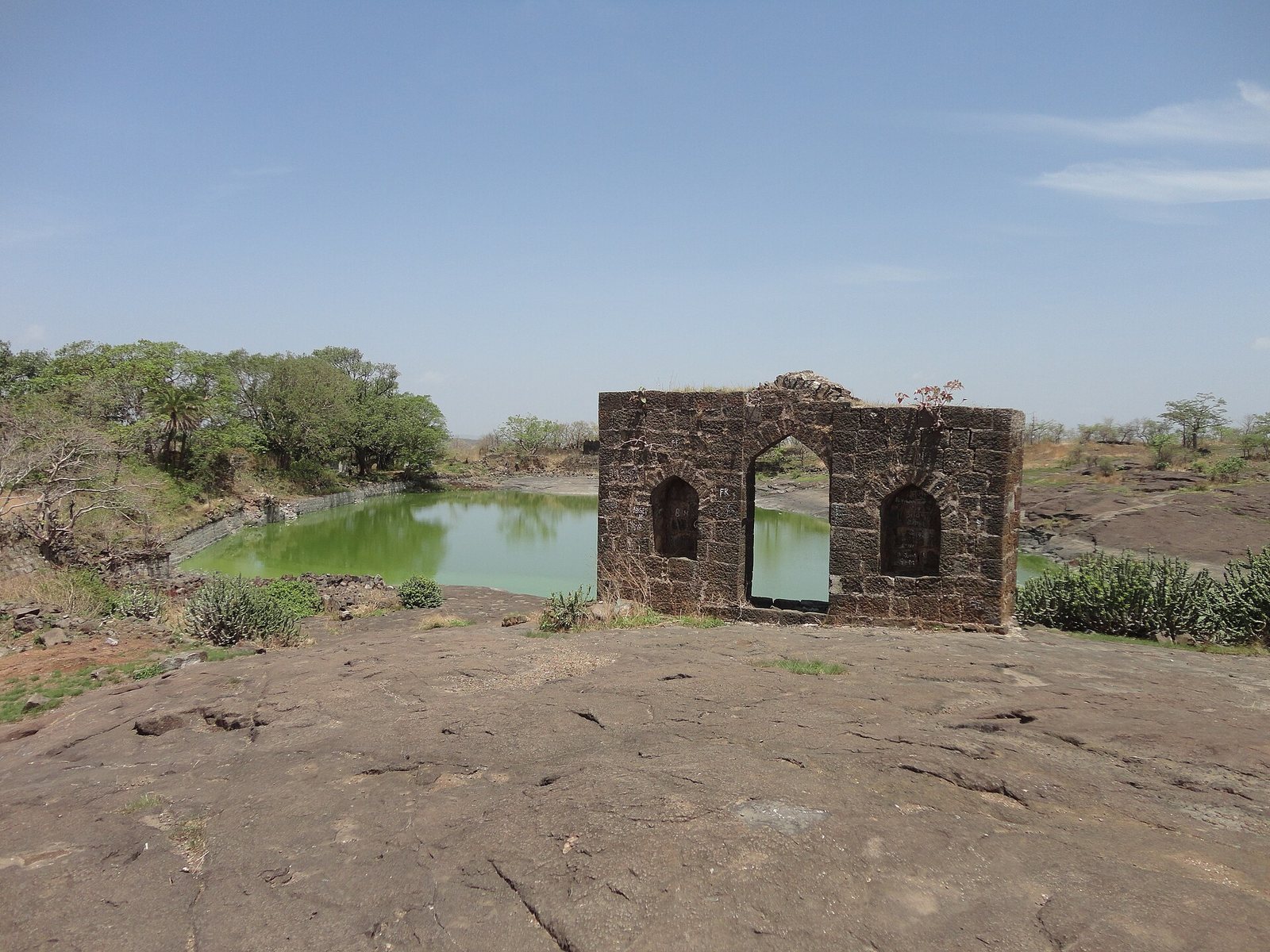
The complex covers 362 acres in the Satpura Range, at its southernmost tip and 932 metres above sea level. It lies in Akot Taluka, Akola district, and is now within Melghat Tiger Reserve. Three smaller forts make up the complex: Jafarabad to the east, Narnala at the center and Teliagarh to the west. A lake lies within the central area. Local tradition credits its water with healing properties and places a philosopher’s stone in the lake; it dried during the drought and famine of 1899-1900.
Defenses and gateways
Fortifications and water supply
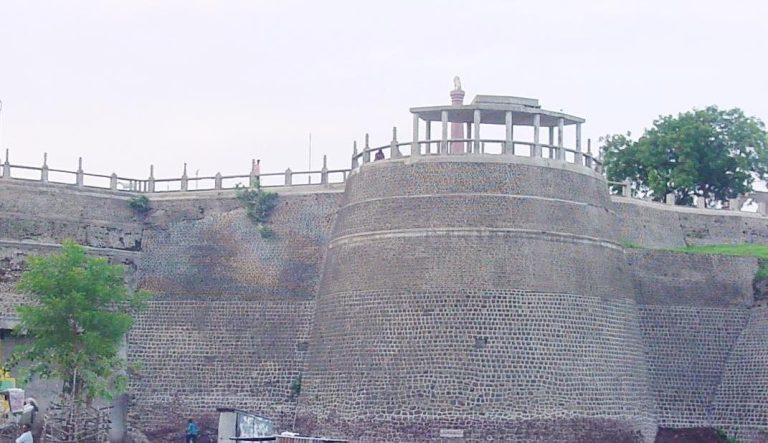
The fort’s defensive and water systems included 19 tanks and 360 watchtowers, alongside six large gates and 21 smaller ones. These features formed part of the defenses spread across the three-fort complex.
Named gates
The named large gates include the Delhi Darwaza, Sirpur Darwaza, Akot Darwaza and Shahnoor Darwaza. Together with the other entrances, they served the fort’s extensive defensive circuit.
Mahakali Gate and shrine
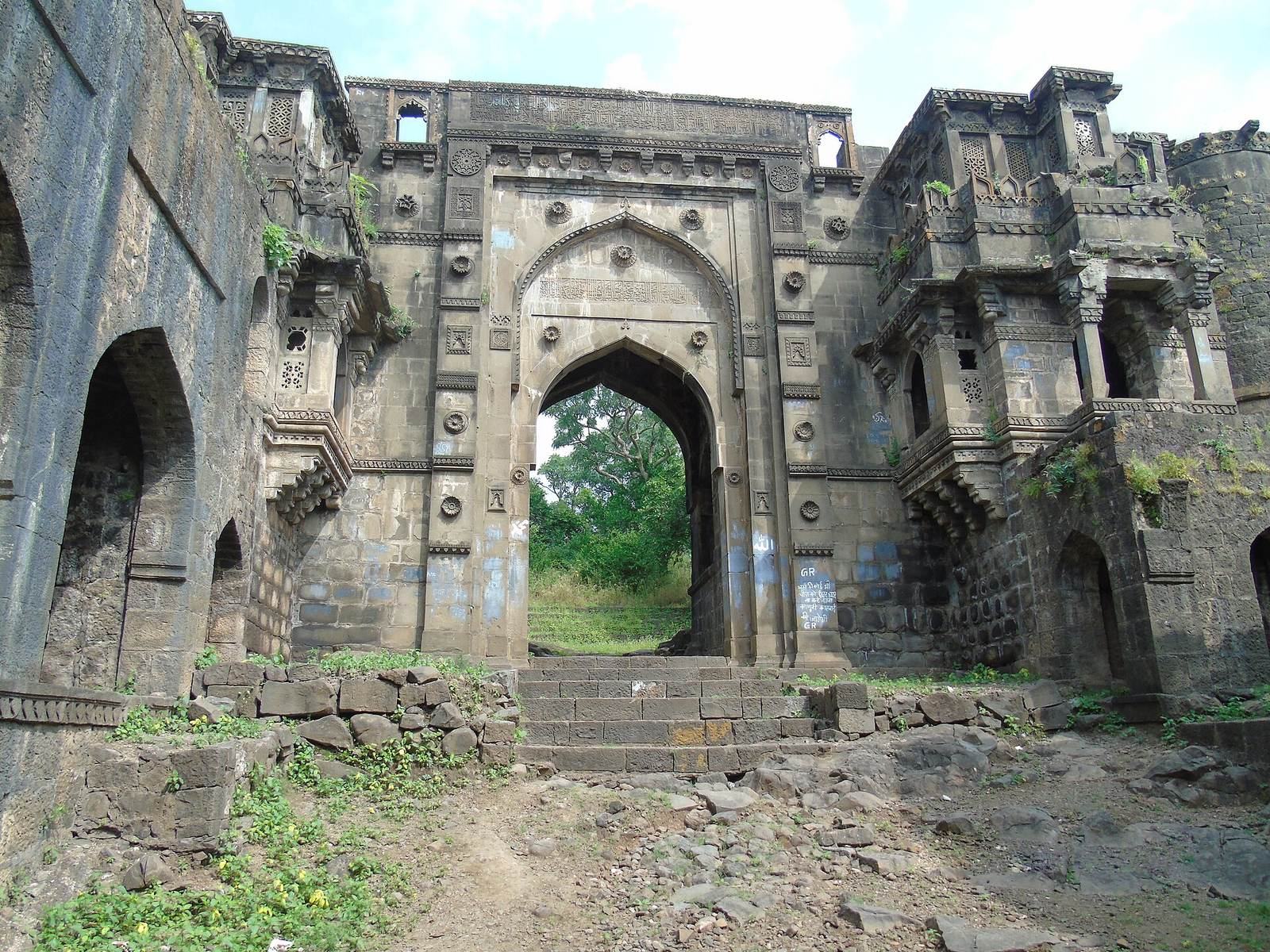
The innermost of three gateways is the Mahakali Gate, named by the Rana fort-governor family for Mahakali, a form of the Hindu goddess Kali. Built from white sandstone, it has lotus ornament, a richly formed cornice, projecting balconies and stone lattice panels with varied patterns. It is regarded as an example of Sultanate architecture, a building tradition associated with Muslim-ruled kingdoms in South Asia. Arabic inscriptions include a short Quranic verse; another records that Fathullah Imad-ul-Mulk built the gate in 1486 during the reign of Bahmani ruler Shahab-ud-din Mahmud Shah. A temple to Mahakali beside the gateway is in ruins. Local tradition says it once contained deity images that were later stolen.
Palaces and other buildings
Rani Mahal
Rani Mahal, or Queen’s Palace, is a surviving residential chamber for queens, concubines and women guests.
Peshwa Mahal
Peshwa Mahal served as a meeting hall and guest quarters for visiting Peshwas, senior ministers in Maratha administration, and the Bhonsale Maharaja of Nagpur. The building is now in ruins.
Service buildings and cannon
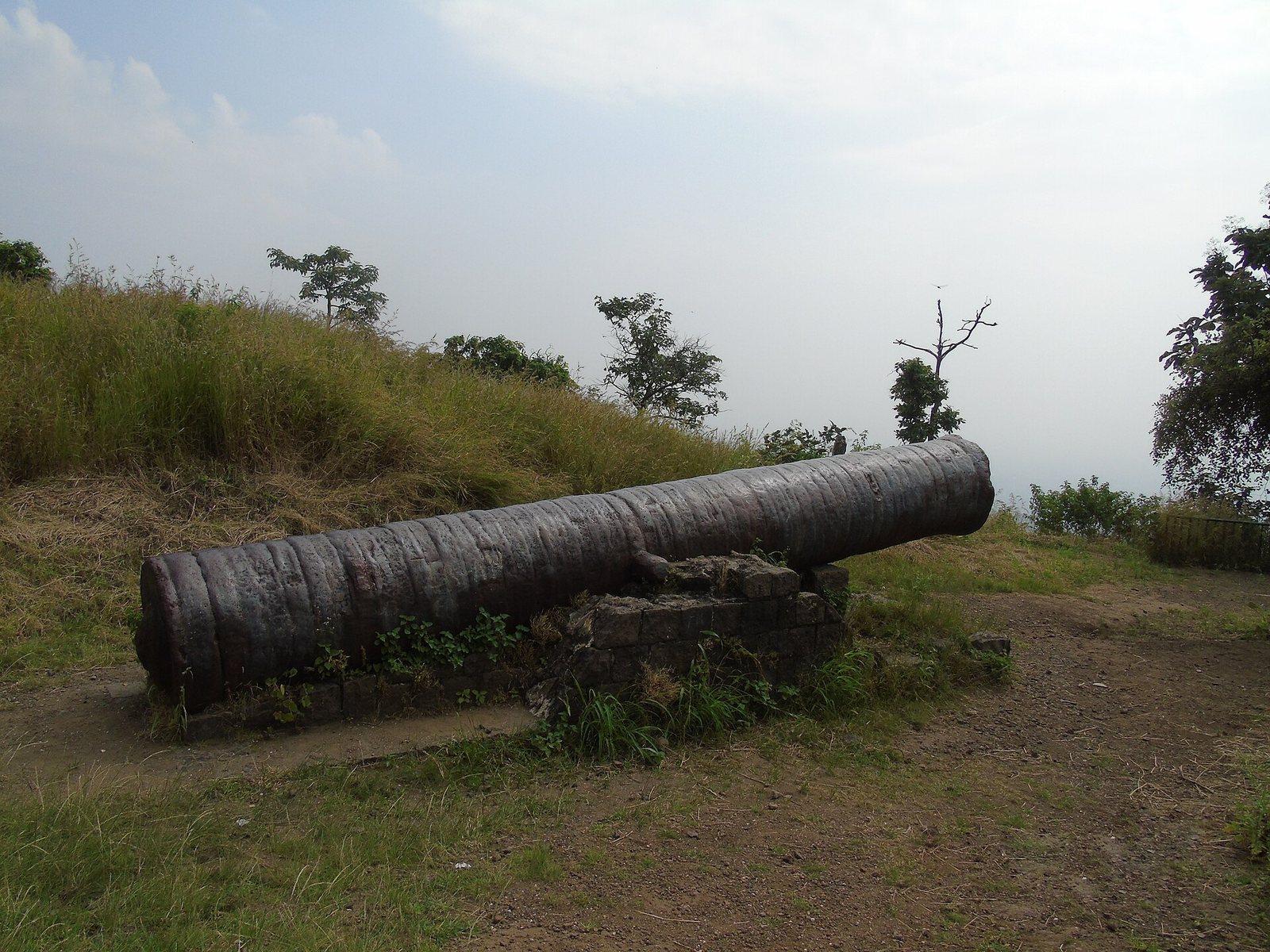
Other structures include the Saraf-Khana, a baradari (open pavilion) and elephant stables. The fort also has an old cannon called Nau-Gazi tope. Its name refers to its nine-yard length, not its range.
Raghoji Bhonsle’s palace
A Rana fort commander erected a palace in honor of Raja Raghoji Bhonsle. The palace is now in ruins.
Religious architecture and ornament
Mosques
Teliagarh has a mosque built by the Bahmanis. The ruined Jama Masjid, a congregational mosque, is associated with an Arabic inscription that credited its construction to Mahabat Khan in 1509. A small mosque is attributed to Aurangzeb.
Lotus motif and architectural forms
An eight-petalled lotus motif, associated with the Solanki lineage’s goddess Khimaj or Mahalaxmi, appears on mosques and elsewhere in the complex. Islamic rulers modified the fort’s Hindu and Gond architectural fabric, and Islamic-style forms also remain among its buildings.