Casa Rabassa i Villavecchia: A Palace in Barcelona
Site at a Glance
- Popularity
- Very Low
- Country
- Spain
- Primary era
- Early Modern
- Eras represented
- Early Modern, Modern
- Civilizations
- Spanish
- Site type
- Domestic
- Remains
- Elite Residence
On this page4 sections
History
Casa Rabassa i Villavecchia is a palace in Barcelona, Spain, associated first with the Ferrater family and later with the Rabassa and Villavecchia families. In 1786, the religious community of the College of the Calced Carmelites on the Rambla granted a garden plot to Josep de Ferrater i Gendre and his son Antoni de Ferrater i Soler. The Calced Carmelites were the shod branch of the Carmelite order, unlike the barefoot Discalced Carmelites. The grant was made under emphyteusis, a long-term land tenure requiring payments to the owner. The two Ferraters built a house on the plot.
The Ferrater house and the occupation
Antoni de Ferrater i Soler served as mayor of Barcelona from 1811 to 1812, during the French imperial occupation of the Napoleonic Wars. In 1814, following his collaboration during the occupation, the household’s furniture and clothing were confiscated and sold at public auction. The house itself was also auctioned.
Rabassa and Villavecchia ownership
Antoni died in 1838, and his son Santiago de Ferrater i Boada succeeded him. The following year, Santiago’s grandson Joan Antoni de Ferrater i Janer requested permission on Santiago’s behalf to turn two third-floor windows into balconies.
In 1840, Santiago granted long-term use of the property to Josep Milà de la Roca i Soler, from Vilanova i la Geltrú, and Jeroni Rabassa, from Calella. Both had made fortunes through the slave trade in Puerto Rico. The agreement set an annual ground rent of 30 pounds and an entry payment of 51,645. The rent was redeemed in 1841 for 1,000 pounds.
Rabassa was married to Teresa Milà de la Roca i Alfonso, daughter of Josep Milà de la Roca and Isabel Maria Alfonso. After his death in 1848, their minor daughters, Elvira and Isabel Rabassa i Milà de la Roca, came under the guardianship of their maternal grandmother, Isabel Maria Alfonso. Elvira married the merchant Joaquim Villavecchia i Busquets. Isabel married Aleix Vidal-Quadras i Ramon, who had returned from Santiago de Cuba, in 1856; she died the next year, probably while giving birth to their daughter, Teresa Vidas-Quadras i Rabassa. After Isabel Maria Alfonso’s death, the inheritance was divided in 1869, and Elvira received the house on Nou de la Rambla.
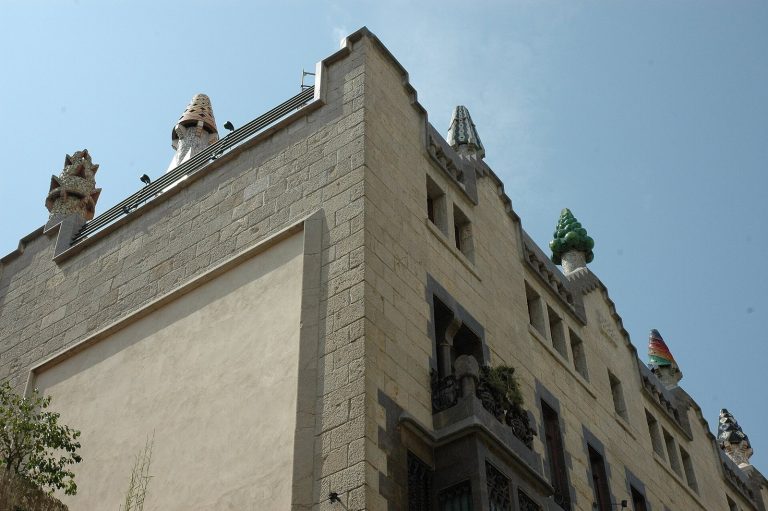
Remains
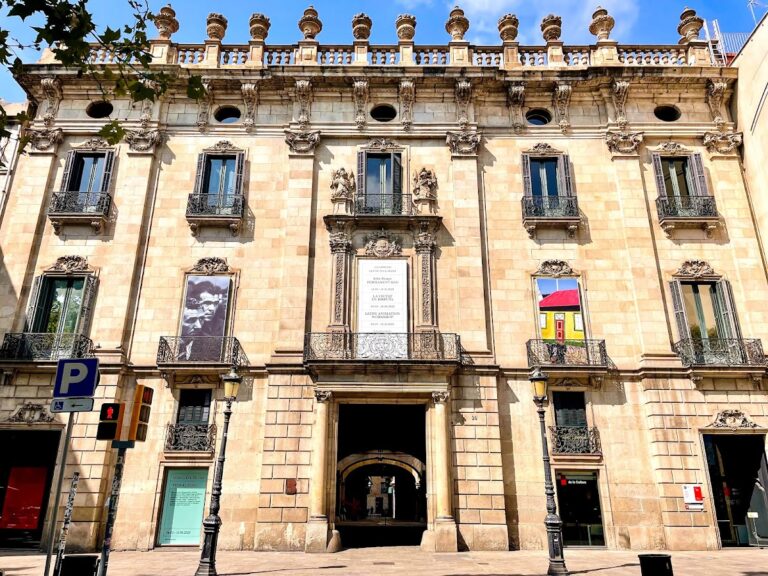
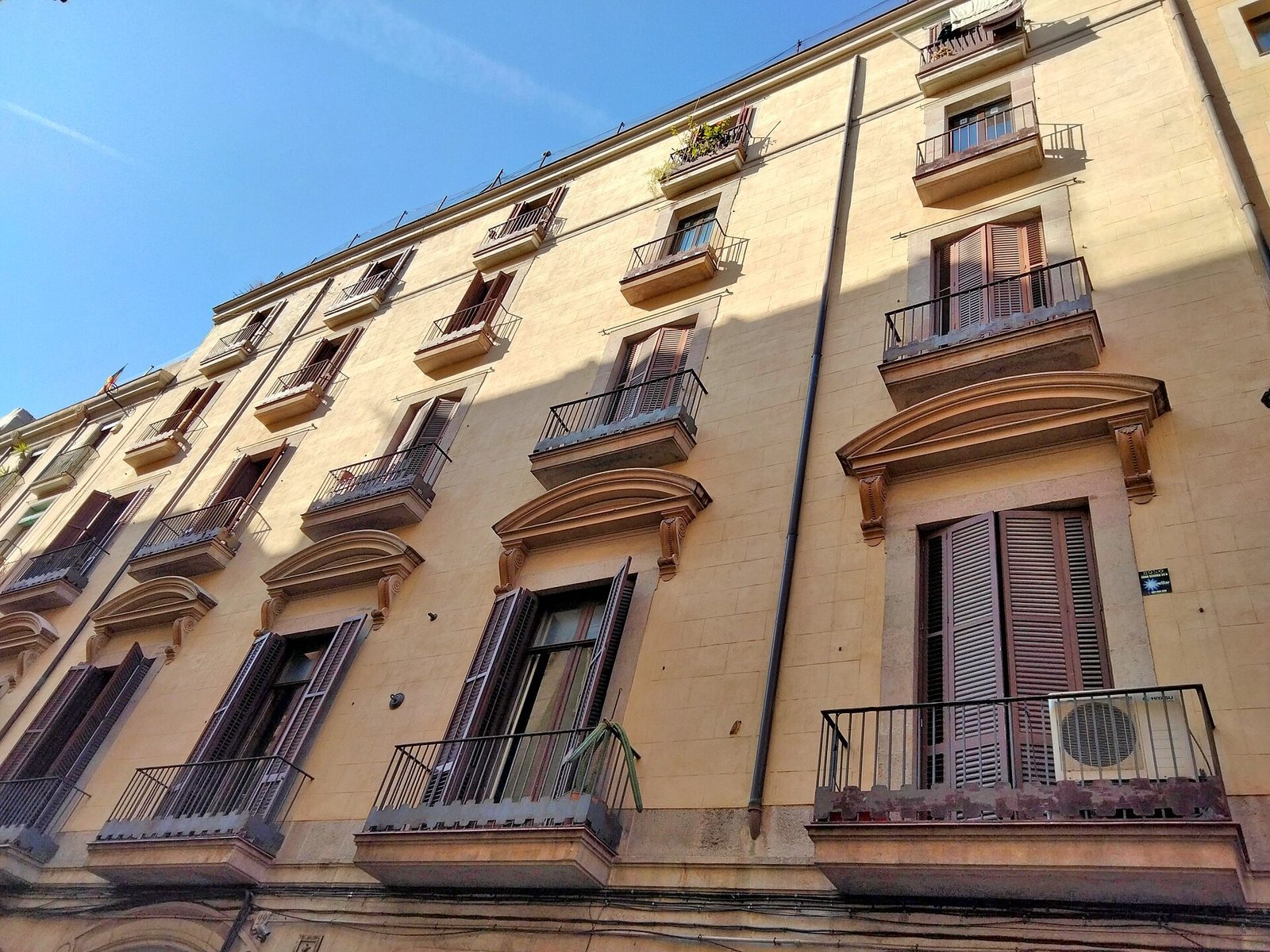
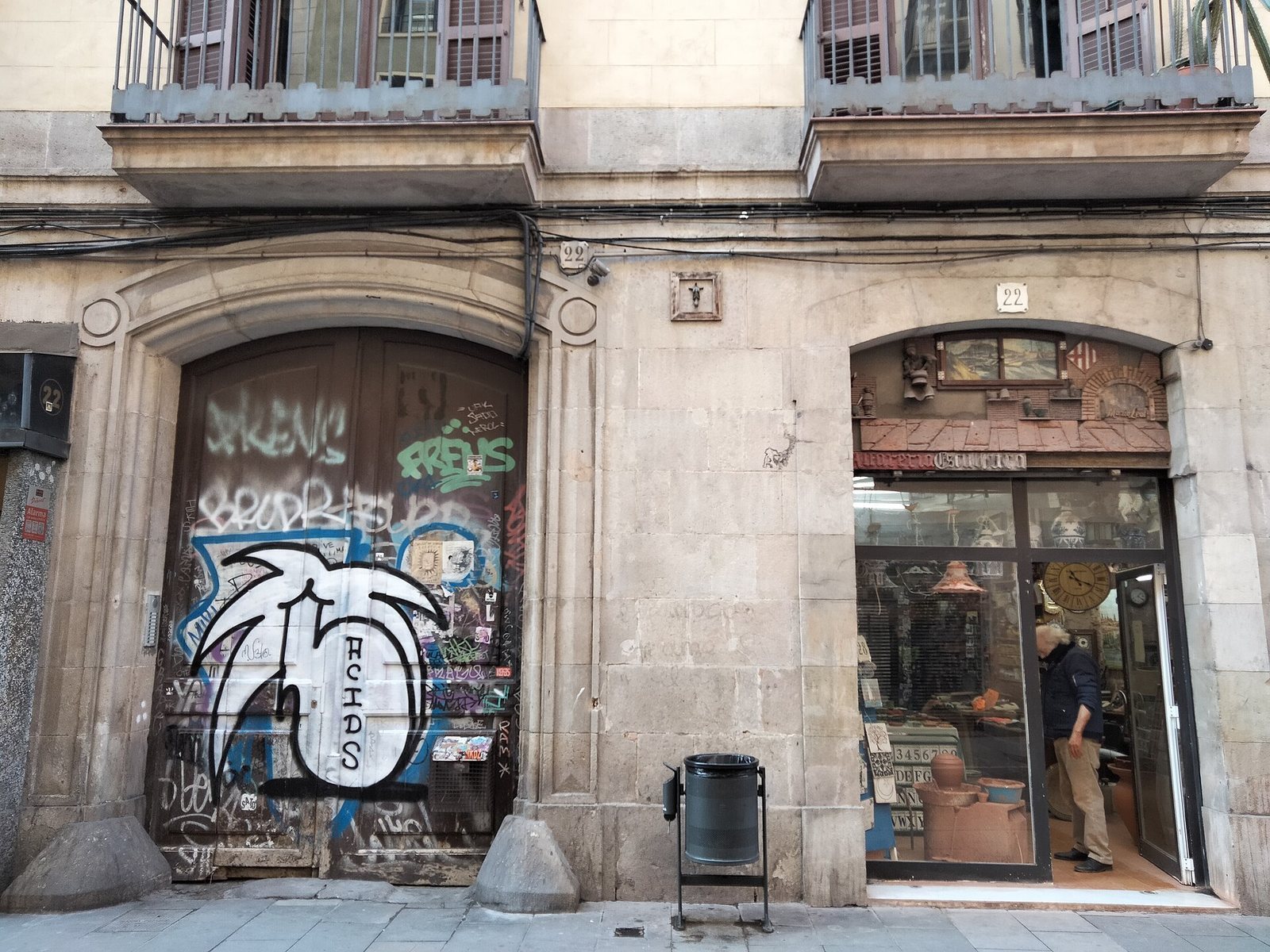
The palace at Nou de la Rambla 22, in Barcelona’s Raval district, was built with a garden behind it. In 1876, Elvira and Joaquim Villavecchia commissioned the Catalan architect Elies Rogent to remodel the façade. The work raised the building by adding a fourth storey, placed semicircular pediments above the main-floor openings, and emphasized the surrounds of the entrance portal. In 1886, architect Enric Sagnier i Villavecchia carried out work on rooms on the roof terrace.