Château de Dole: Fortified Residence of the Counts of Burgundy
Site at a Glance
- Rating
- 5
- Popularity
- Very Low
- Country
- France
- Primary era
- Early Modern
- Eras represented
- Early Modern
- Civilizations
- French, Habsburg, Holy Roman Empire
- Site type
- Military
- Remains
- Castle
On this page12 sections
History
The Château de Dole was a fortified residence in Dole, France, built by the counts of Burgundy in the 11th century. Set at the town’s edge above the Doubs, it helped control river commerce, particularly the valuable salt trade from the Jura. The County of Burgundy had been established in the 980s by Count Otte-Guillaume de Bourgogne. Its counts chose Dole as their principal residence rather than Besançon, which became a free imperial city in 1043, a town with special status within the Holy Roman Empire.
Counts of Burgundy and the ducal capital
In the 12th century, Count Renaud III promoted Dole’s growth, building substantial town walls and encouraging farming, trade, crafts, and industry. His son-in-law, Emperor Frederick Barbarossa, enlarged the castle.
In 1386, Philip the Bold made Dole the official capital of the County of Burgundy and established its Parlement, a high court rather than a representative assembly. Philip’s marriage to Margaret III of Flanders had brought the county and the duchy together. In 1423, Philip the Good inaugurated the University of Dole.
Under the dukes of Burgundy, whose territories were known as the Burgundian States, Dole became a prominent European city. Its position was shaped by conflicts involving the Kingdom of France, the Holy Roman Empire, and the Swiss.
Destruction and rebuilding
Charles the Bold died at the Battle of Nancy in 1477, and his heir Mary of Burgundy married Maximilian, later Holy Roman Emperor. After an unsuccessful attempt to retake Dole in 1477, Louis XI captured the city and its castle in 1479. They were burned and razed, and rebuilding was forbidden. Louis ordered the inhabitants massacred in retaliation for their resistance.
Dole was rebuilt in 1482, following the Treaty of Arras. In 1530, Emperor Charles V had fortified buildings reconstructed on the former castle site. Under the Spanish kings who succeeded him, the city and county prospered, and the university grew again.
French rule and later use
In 1678, the Treaty of Nijmegen ended the Franco-Dutch War and Louis XIV annexed Dole and the County of Burgundy to the Kingdom of France. Besançon then became the capital of Franche-Comté.
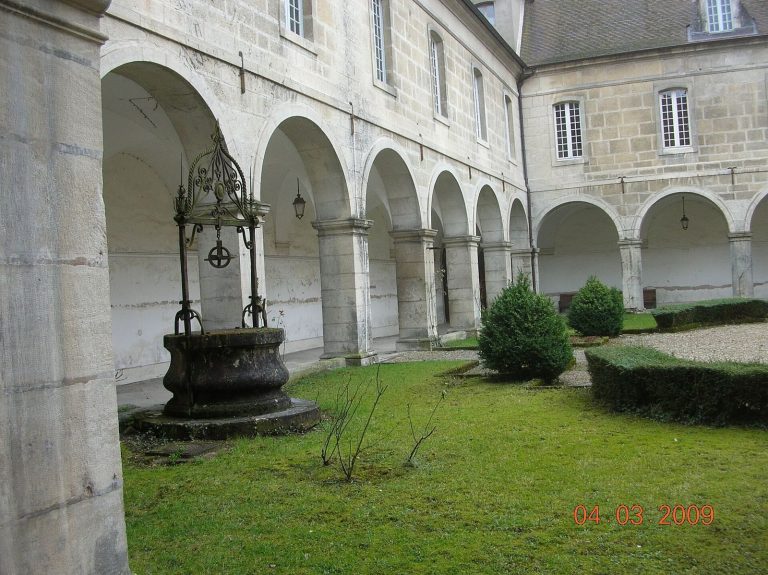
Since 1980, the castle’s former officers’ pavilion has housed the Museum of Fine Arts of Dole.
Remains
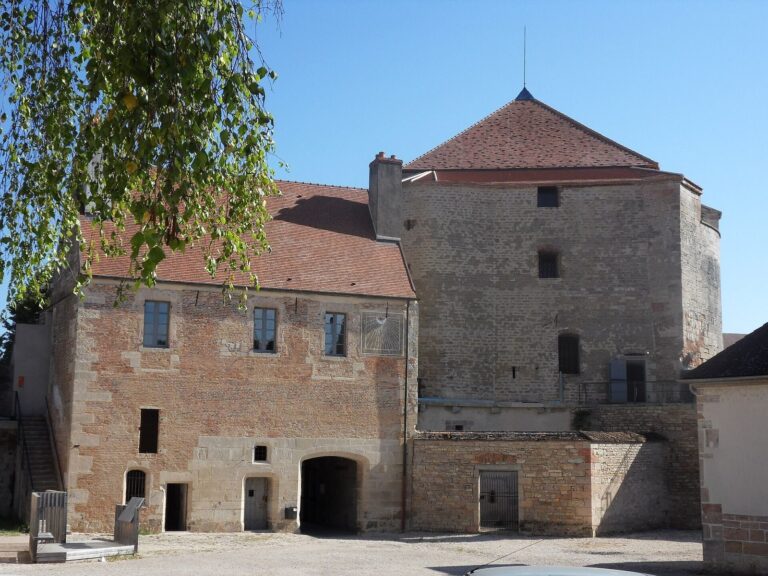
Sixteenth-century fortifications
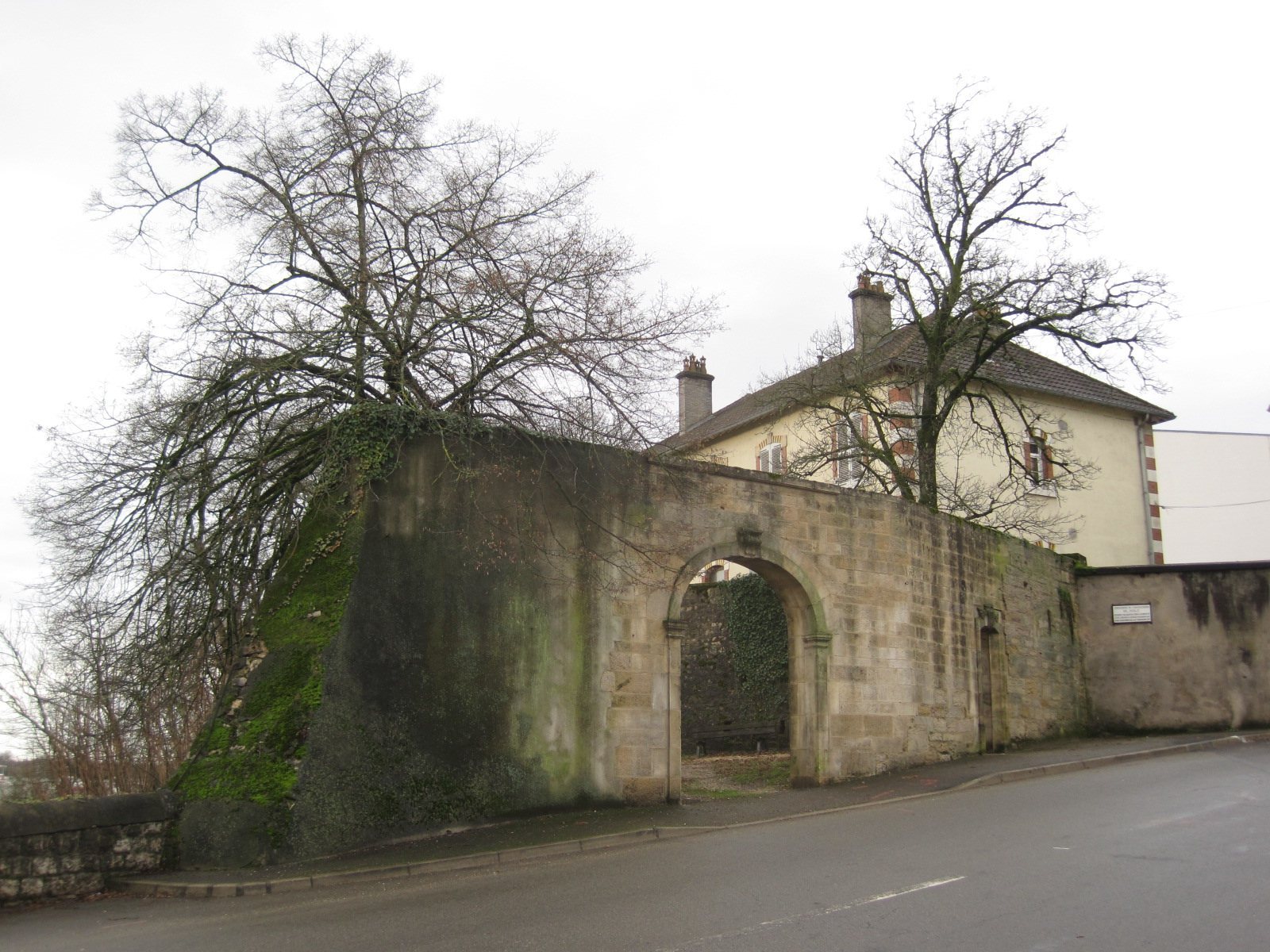
The former castle stood on a limestone ledge overlooking a bend in the Doubs, at the entrance to the Doubs valley. It occupied the edge of the town, on the site of present-day rue du Vieux Château. The surviving fortifications belong to the 16th-century rebuilding of the site.
Town gate and drawbridge
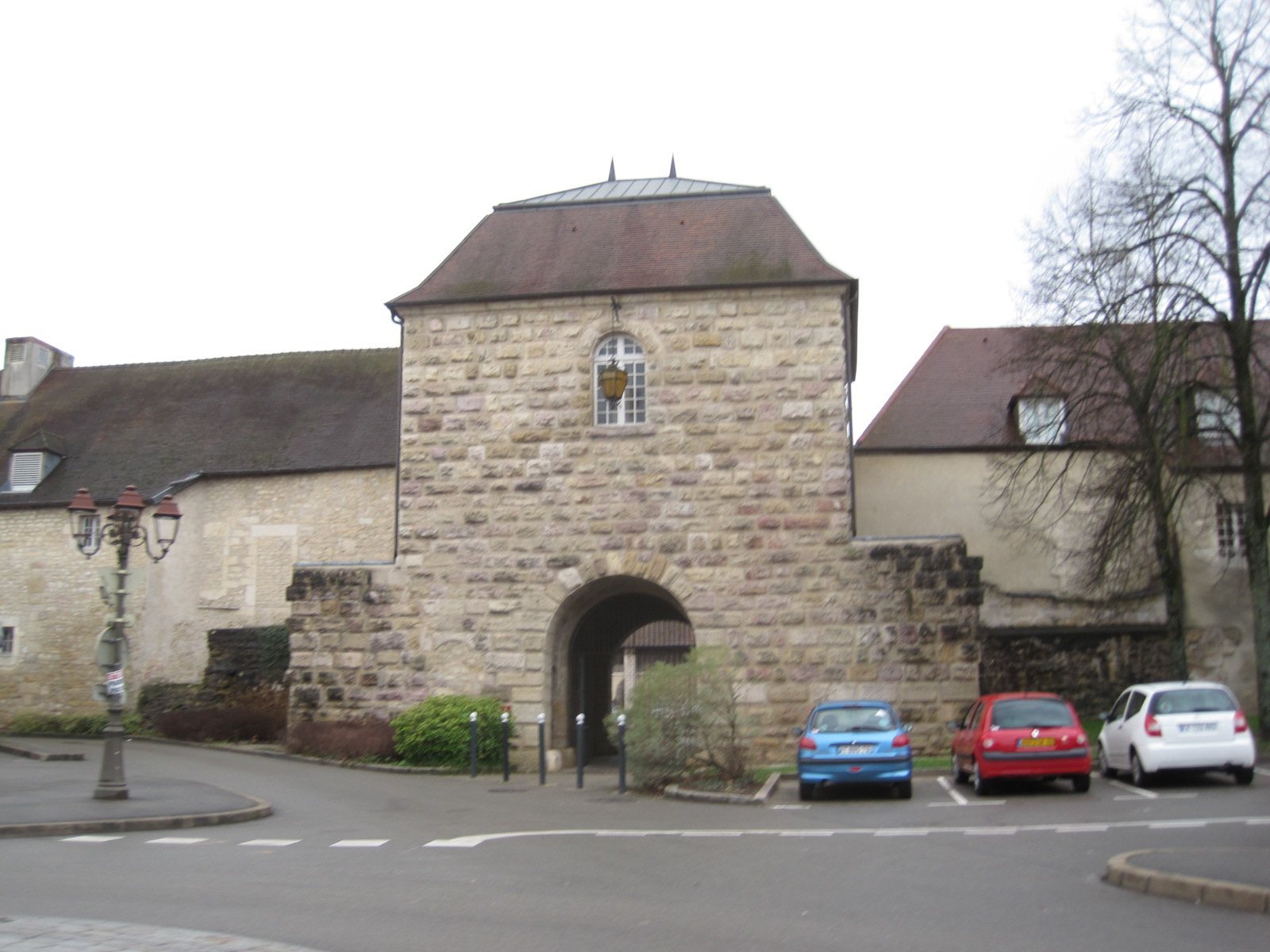
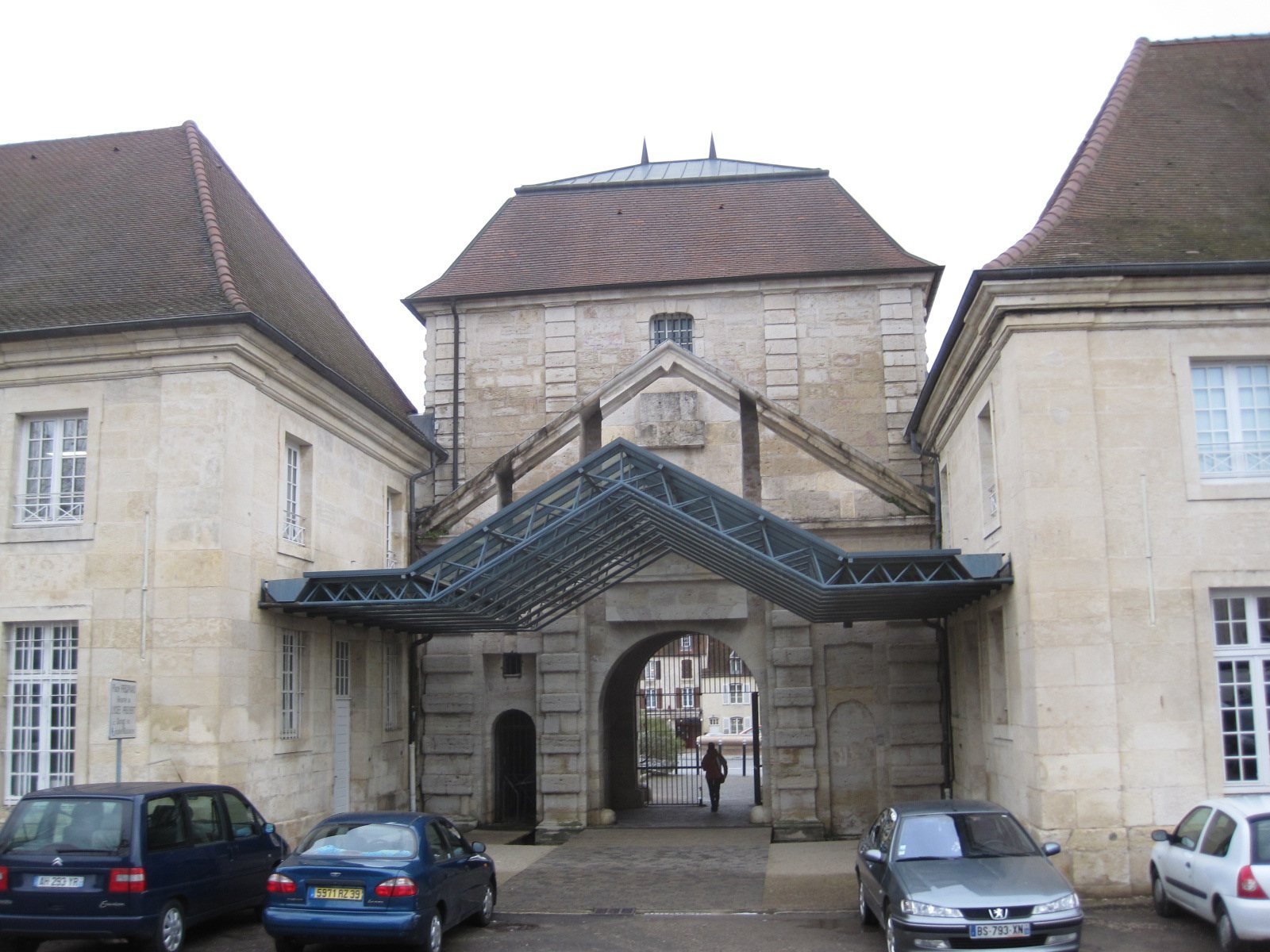
A 16th-century town gate with a drawbridge is among the features identified on the former castle site.
Porte d’Arans
The 16th-century Porte d’Arans forms another identified feature of the fortifications.
Fortified wall and enclosure
A 16th-century casemated curtain wall, a fortified wall with protected chambers, is identified on the site. Remains of an enclosure wall and a gate are also found on rue du Vieux Château.
Pavilion and painted views
Officers’ pavilion
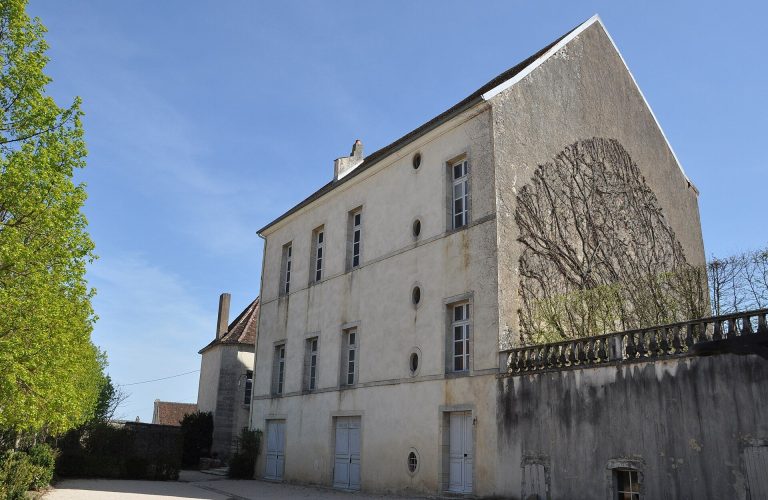
The former officers’ pavilion dates to the 18th century and stands on the castle site.
Paintings of the fortified town
Paintings at the Museum of Fine Arts of Dole show the fortified town in the 17th century, including the castle ruins and siege scenes. The 1636 scene attributes the siege to the Grand Condé. The 1668 siege is associated with Louis XIV and the Grand Condé, while the 1674 scene links the siege to Louis XIV during the Franco-Dutch War.