Fort de Peccais: A French Fort Protecting the Saltworks
Site at a Glance
- Rating
- 3.9
- Popularity
- Very Low
- Country
- France
- Primary era
- Early Modern
- External website
- Open
- Eras represented
- Early Modern, Modern
- Civilizations
- French, German
- Site type
- Military
- Remains
- Fort
On this page6 sections
History
Royal salt control and construction
In 1248, Louis IX, king of France from 1226 to 1270, acquired part of the lands of Peccais from the Abbot of Psalmody and built Aigues-Mortes. In 1290, his grandson Philip IV the Fair, king from 1285 to 1314, bought the territory of Peccais, leased its saltworks, and claimed one-seventh of their harvest.
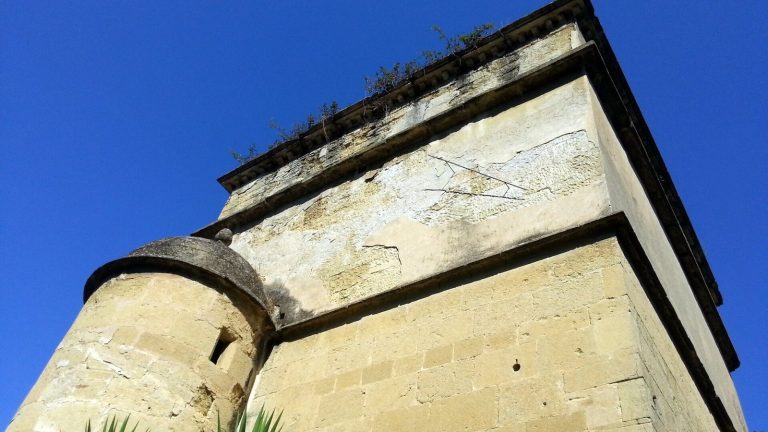
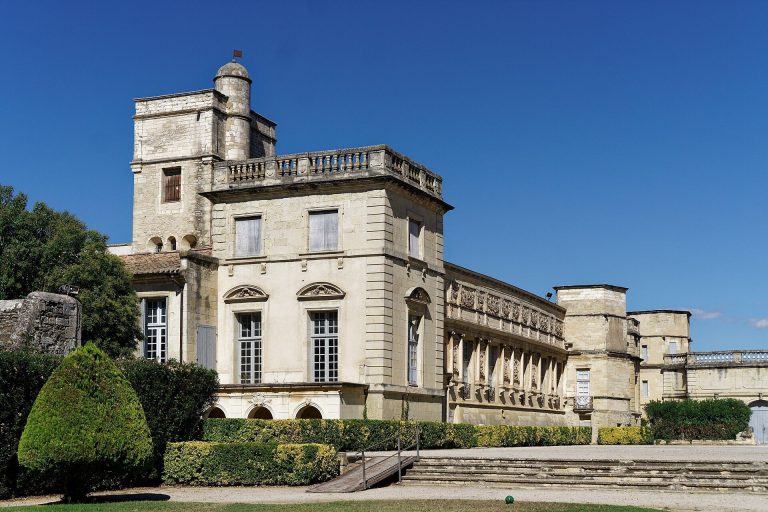
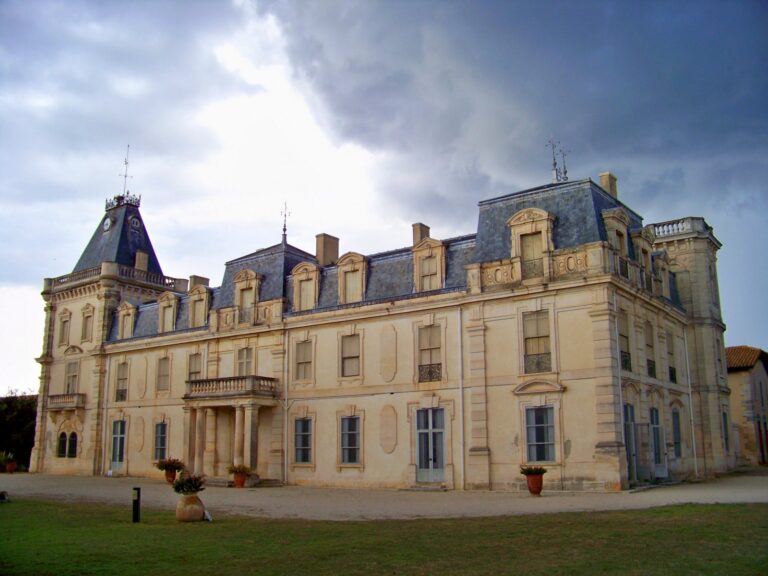
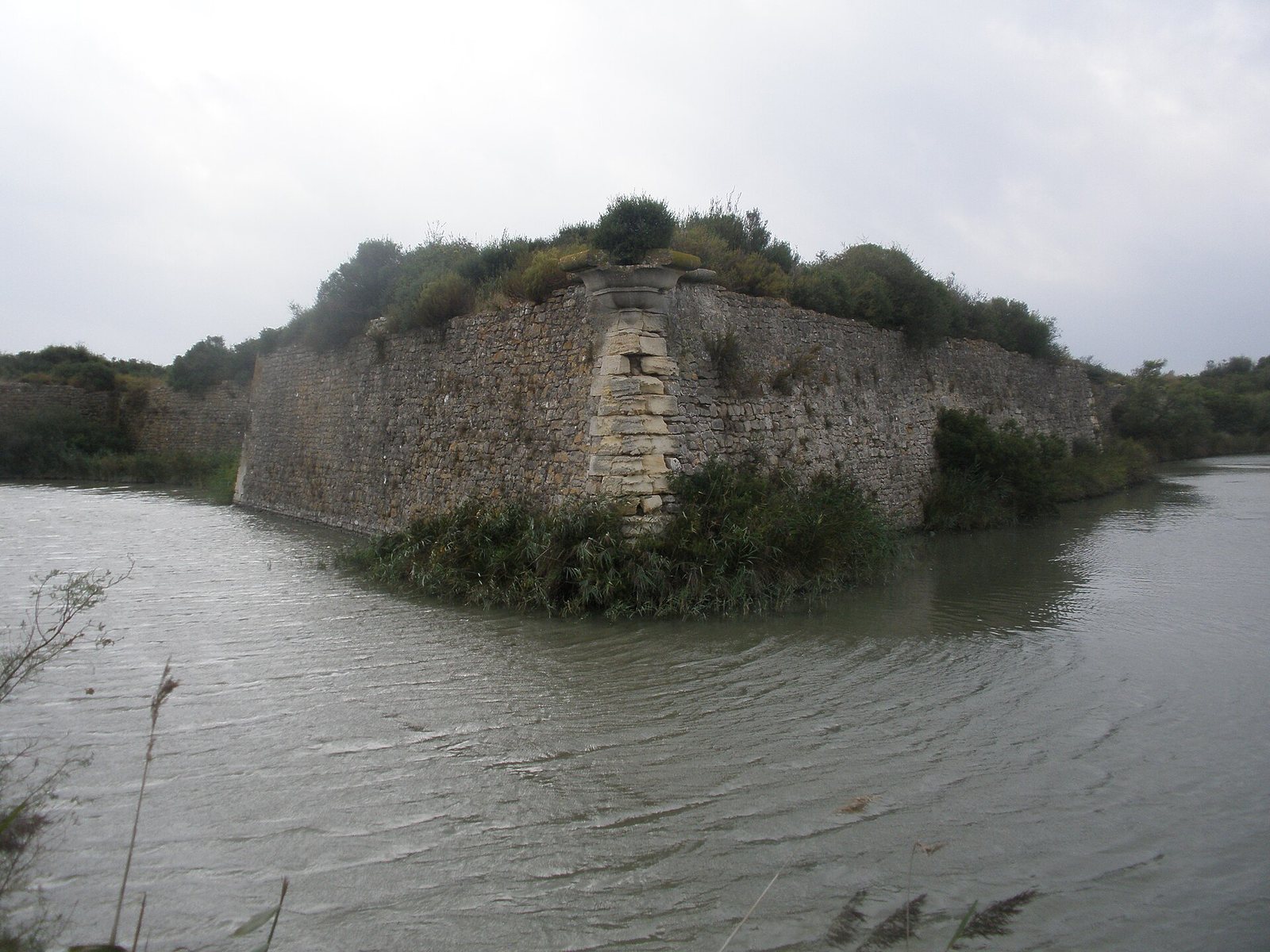
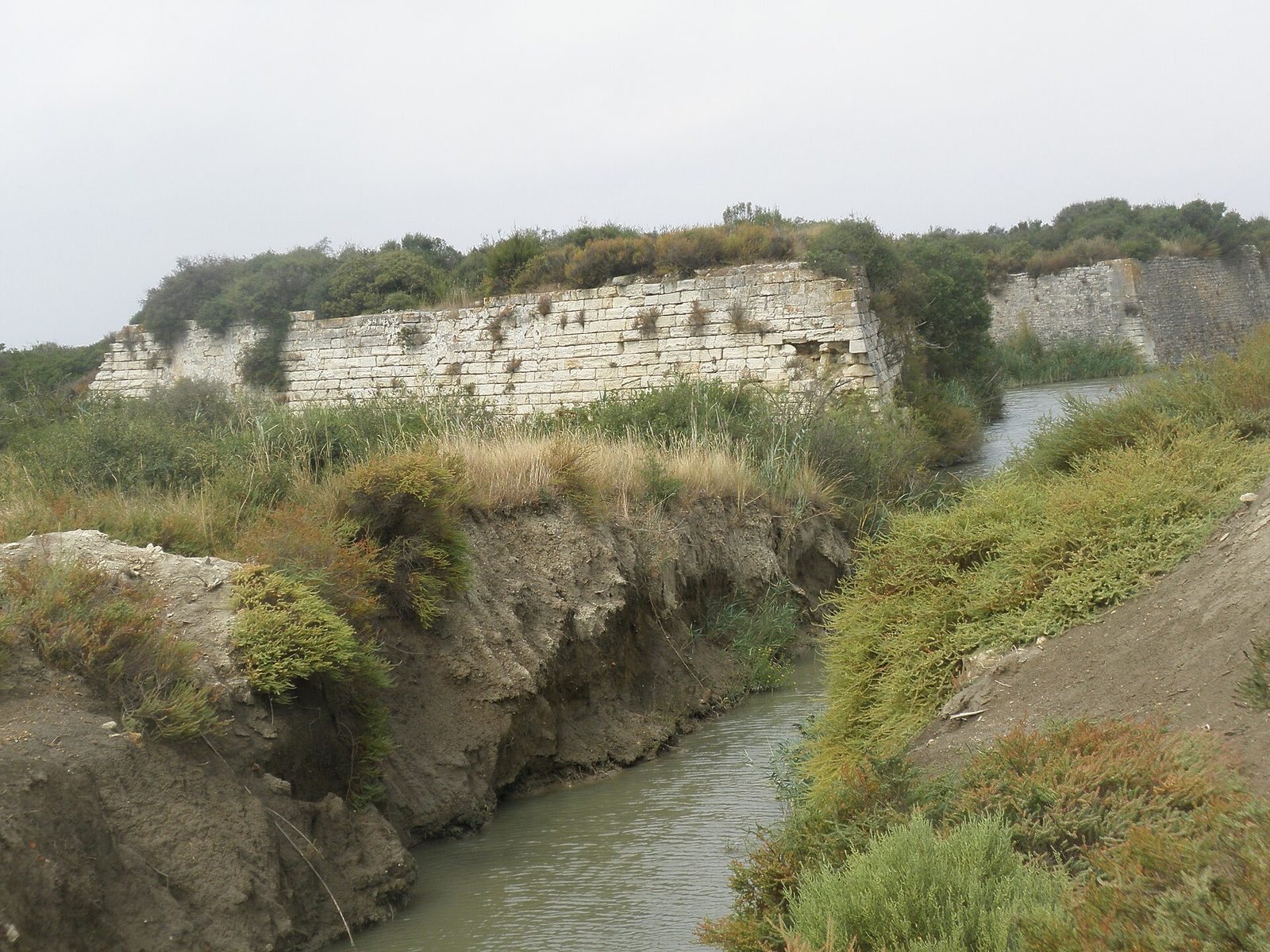
Fort de Peccais is a ruined French military fort near the Aigues-Mortes saltworks in Gard, France. Built in 1568, it protected the saltworks and the canals used to transport salt from raiders and smugglers, including pirates arriving by sea to plunder the Camargue. Salt brought revenue to the crown through the gabelle, a tax on salt, while the king controlled its distribution.
Decline and changing uses
The abolition of the gabelle in 1791 diminished the fort’s importance. A company of invalid soldiers remained as its guard, but the fort fell into disrepair and was decommissioned in 1820.
Salt production in the region was later consolidated. In 1856, operators of the salt marshes at l’Abbé and Saint-Jean joined a Montpellier merchant to establish Société Renouard et Cie. The company became the Compagnie des Salins du Midi in 1868 and controlled those saltworks as well as others along the Mediterranean coast, from Canet-en-Roussillon to Hyères.
During the First World War, the fort served as a prison. It was registered as a historic monument on 13 December 1978, and its remains and moat were also entered in the General Inventory of Historic Monuments. In December 2012, the Compagnie des Salins du Midi transferred the fort to the Conservatoire du littoral, a French public body that protects coastal areas.
Remains
The ruined fort’s remains include a moat. Its former complex combined service buildings with barracks arranged around a central courtyard.
Barracks and service buildings
By 1716, the complex included a chapel, cisterns, icehouses, stores, and a bakery. Three two-storey buildings formed the barracks in a U around the courtyard. They contained quarters for the governor, the king’s lieutenant, a royal military officer, and the major, a senior officer responsible for garrison duties.
Moat and wartime defenses
German occupation troops installed concrete bunkers within the fort between 1942 and 1944 in anticipation of an Allied landing.