Trinity House of Leith: Maritime Guild Hall and Navigation Centre
Site at a Glance
- Popularity
- Medium
- Country
- United Kingdom
- Primary era
- Modern
- Eras represented
- Early Modern, Modern
- Civilizations
- British, Kingdom of Scotland
- Site type
- Economic
- Remains
- Custom House
On this page10 sections
History
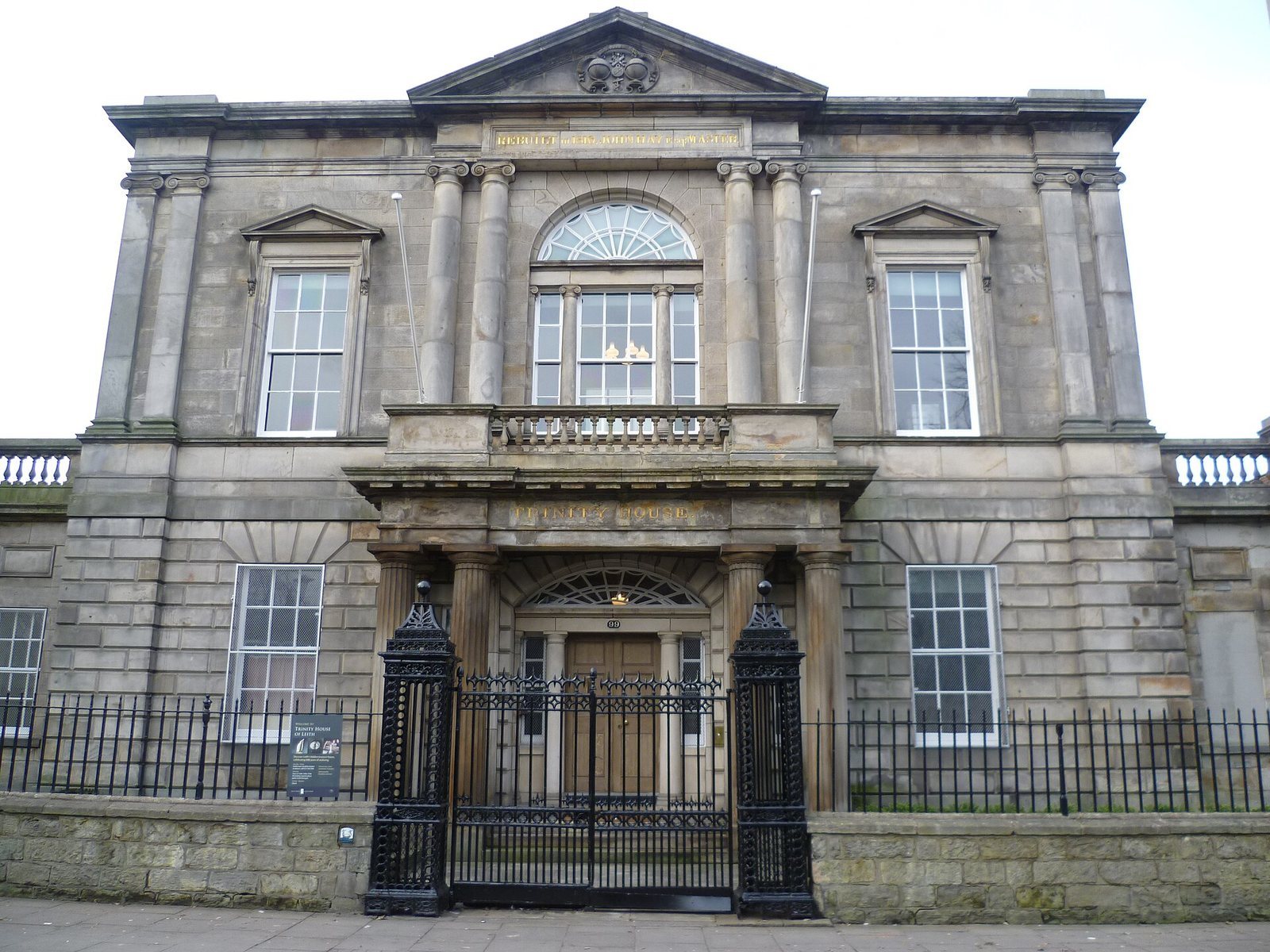
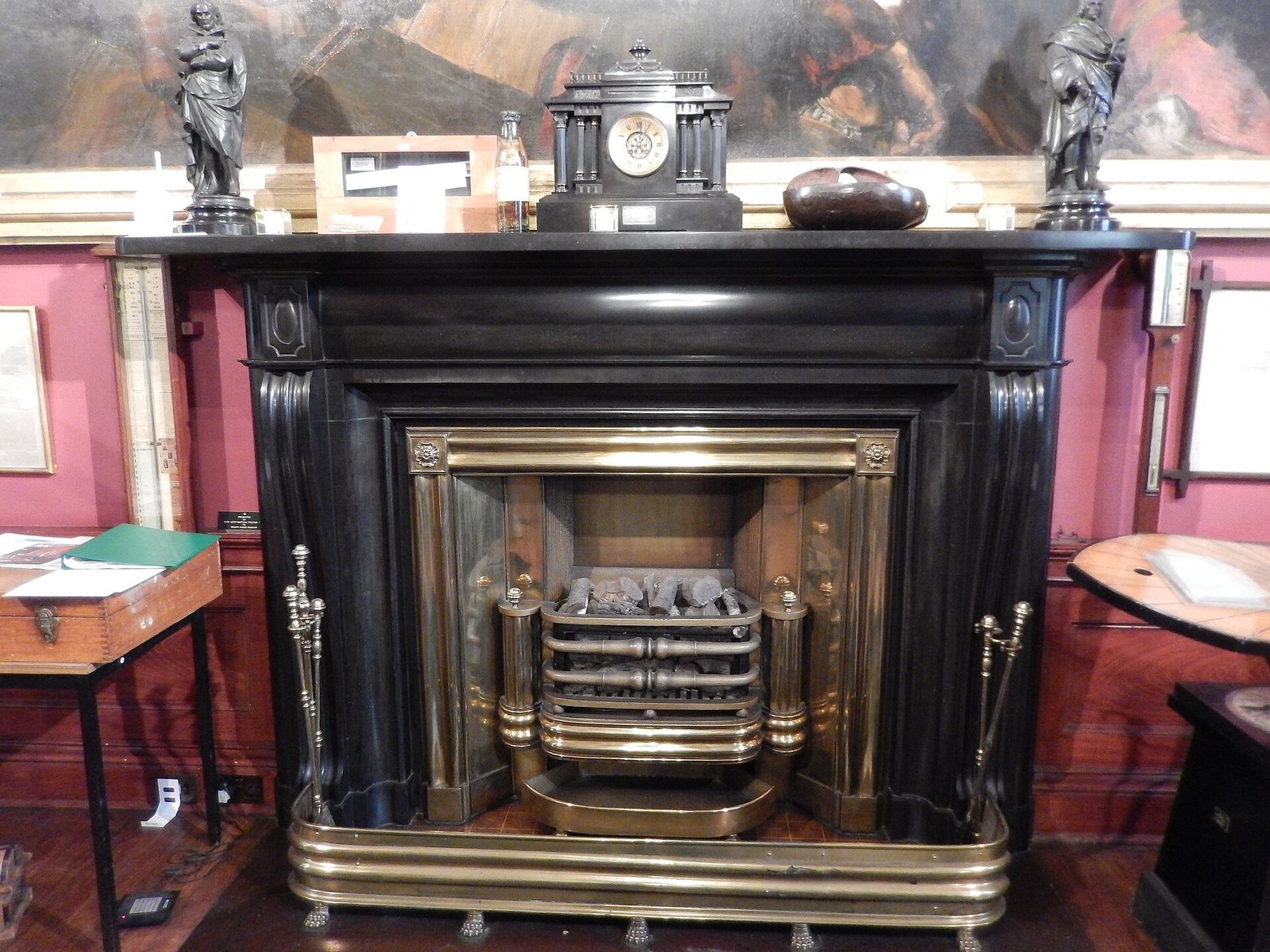
Trinity House of Leith is a former maritime guild hall and centre of port administration and poor relief in Leith, Edinburgh, Scotland, United Kingdom. The present building was completed in 1818 in the Neoclassical style, drawing on ancient Greek and Roman forms, to a design by Scottish architect Thomas Brown. The institution’s work began centuries earlier.
The guild and its charitable revenues
In 1380, King Robert II granted the Incorporation of Master and Mariners of Leith, a formally organised maritime guild, the right to collect prime gilt, a levy of 12 pence for each ton of goods landed at Leith. The guild also received voluntary crown money. Leith’s trade reached mainly across the North Sea to the Nordic and Baltic regions, the Low Countries and France. Revenue supported sick and poor people, widows and orphans of mariners who were lost or captured, and elderly mariners. The Incorporation became the oldest and wealthiest of Leith’s trade guilds.
The sixteenth-century hospital and building
The early building history is uncertain. The Incorporation had sufficient funds to establish a hospital at Kirkgate in 1555. Another tradition dates Trinity House to 1560, when it supposedly replaced St Anthony’s blockhouse, also known as St Anthony’s Kirk. The strongly fortified blockhouse controlled access to Kirkgate before it was demolished in 1560. It was associated with the small religious house of St Anthony’s Preceptory.
After disputes over payments, Mary, Queen of Scots, confirmed the Incorporation’s rights in 1566, ratifying both the hospital’s foundation and the prime gilt. Those who withheld payment risked having their sails and anchor confiscated. The medieval guild later provided a model for similar organisations in other maritime centres, including Newcastle upon Tyne in the sixteenth century.
Navigation and corporate responsibilities
In 1680, the Masters and Mariners appointed a professor to teach navigation mathematics to shipmasters’ sons and apprentices. Fees and a levy on Leith shipmasters funded the post. Trinity House also established the country’s first formal nautical training and licensed pilots for the Forth and around the Scottish coast. During the seventeenth century, it collected Licht Money to maintain basic coal-fired navigation lights in the Forth. In the nineteenth century, it helped plan and fund more reliable lighthouses, including those at Bell Rock, Fidra and the Isle of May.
A royal charter granted on 29 June 1797 made the Corporation of the Trinity House of Leith a fully constituted corporation, rather than a charitable body that was a corporation in name. It gained further responsibilities, including the appointment and licensing of harbour pilots, and its tax powers were confirmed. One penny per ton of unloaded goods went to poor relief, while each shipmaster paid sixpence annually for support specifically directed to poor seamen.
During the eighteenth century, the Masters and Mariners invested in land near Newhaven known as Trinity Mains. The area later developed into a Leith suburb and the district of Trinity.
Nineteenth-century training and changing income
The Merchant Seamen Act 1844 introduced formal qualifications for merchant seamen. In response, Trinity House and other Leith organisations founded the Leith Navigational School in 1855. Also called the Government Navigation School, it began in a room at St Ninian’s Church, known as the Mariners’ Church, on Commercial Street. In 1903 it came under the Scottish Education Department and took the name Leith Nautical College.
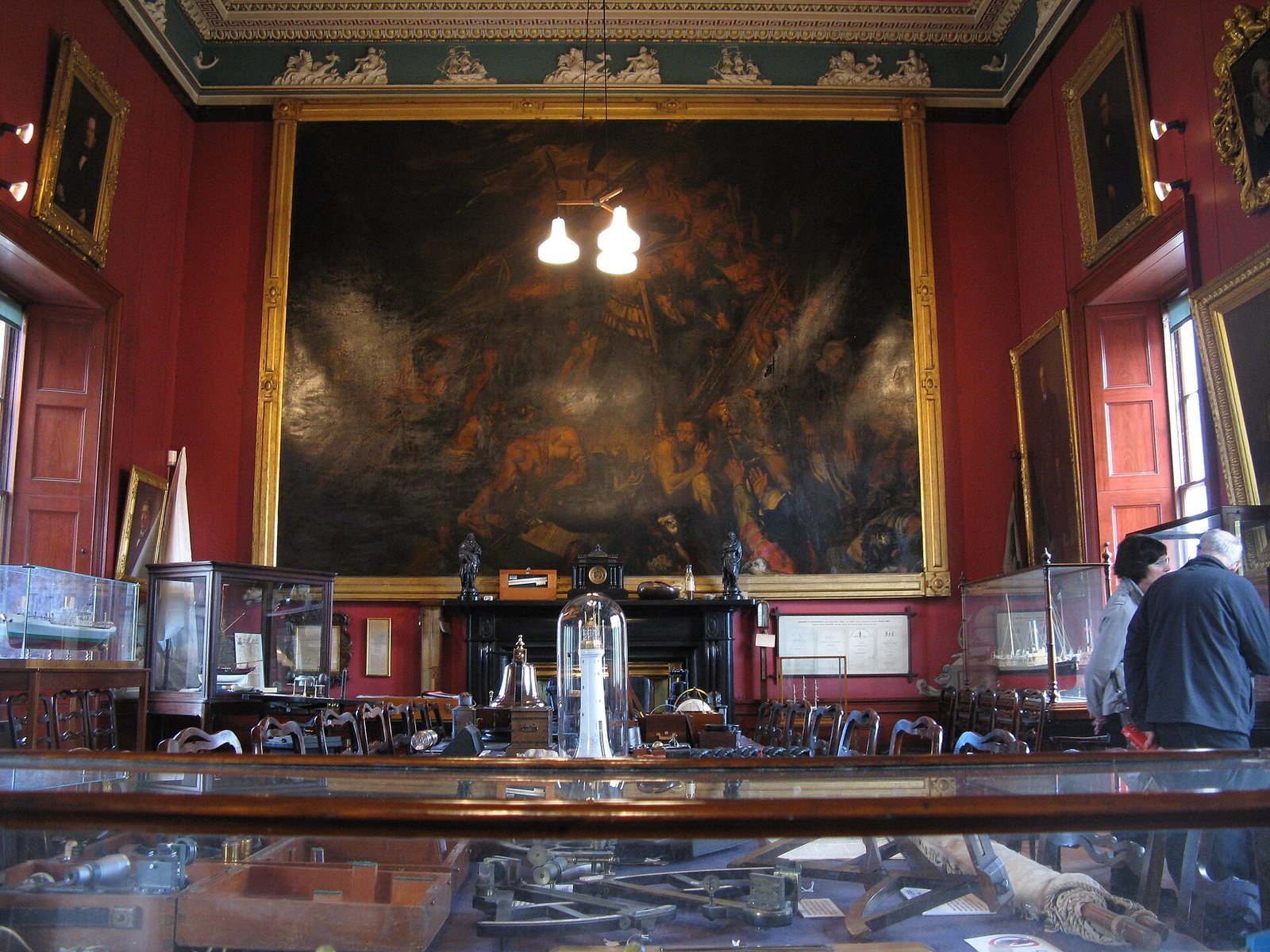
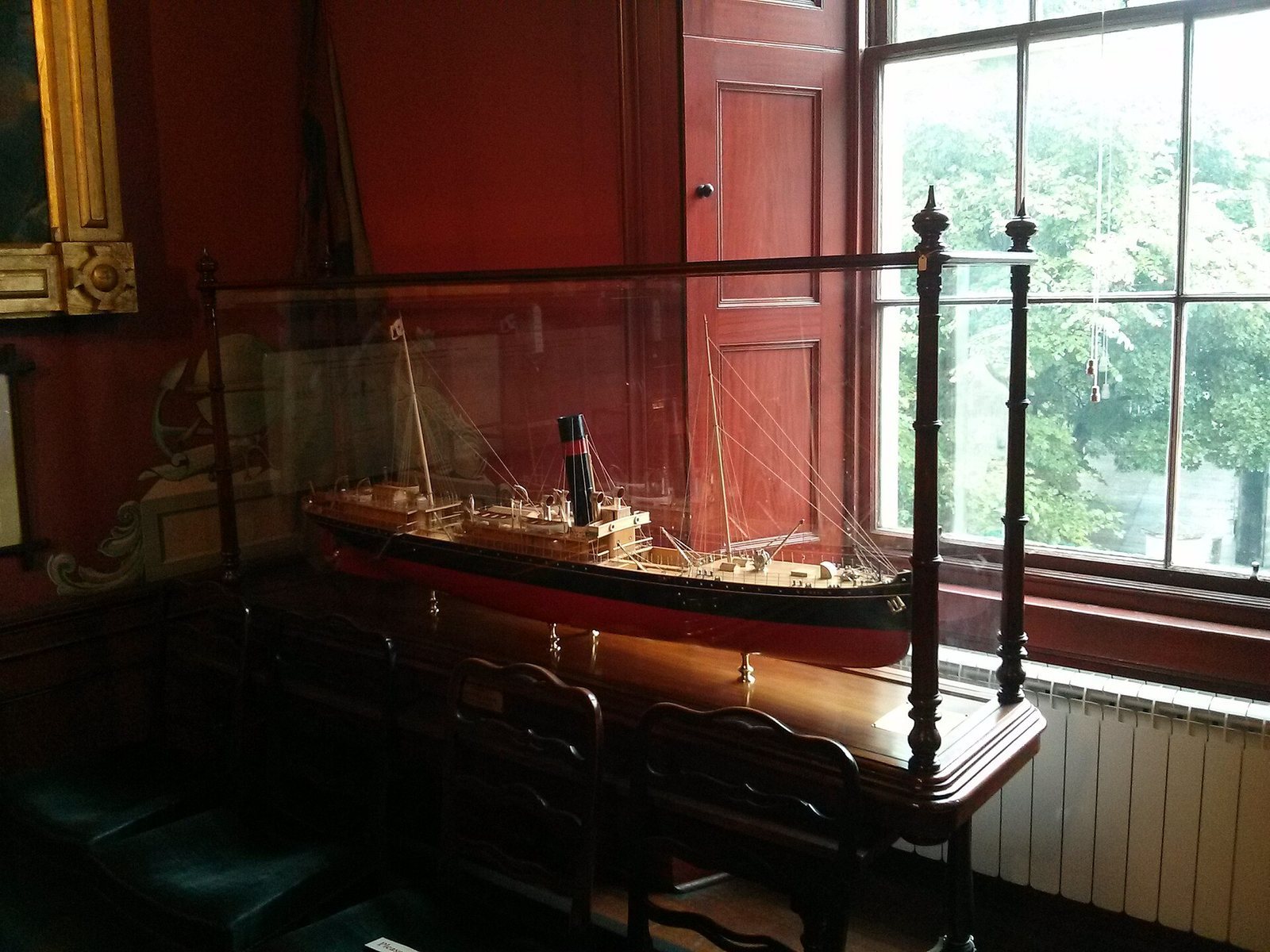
The abolition of the prime gilt in 1862 ended that source of income. Trinity House thereafter relied on income from property to meet pension payments and other commitments. The building now houses a maritime museum and remains in state care. It became a Category A listed building in 1970, a Scottish designation for buildings of special architectural or historic interest at national or international level.
Remains
The site combines a Neoclassical building with structural remains of an earlier complex beneath it. The present house has a three-part front elevation, while elements of the sixteenth-century building survive below ground.
The building and its collection
Earlier fabric
The present building incorporates the basement and vaults of the sixteenth-century structure, and further vaulted spaces from the earlier complex survive beneath it. A foundation stone dated 1555 is set into the north wall.
Front elevation
The facade is arranged in three bays, or vertical divisions. At ground level, a porch is framed by paired Doric columns, a classical column form. A large first-floor window sits between Ionic columns, another classical form, with a semicircular fanlight, a fan-shaped window, above it.
Portrait in the collection
The collection includes a portrait of Mary, Queen of Scots. In 1799, the antiquary John Pinkerton had it engraved for his Scottish Gallery. At the time, the portrait was thought to depict Mary of Guise, who was regarded as the Incorporation’s founder.