Danson House: A Palladian Mansion in Welling, England
Site at a Glance
- Popularity
- Medium
- Country
- United Kingdom
- Primary era
- Early Modern
- Eras represented
- Early Modern, Modern
- Civilizations
- British
- Site type
- Domestic
- Remains
- Manor House
On this page12 sections
History
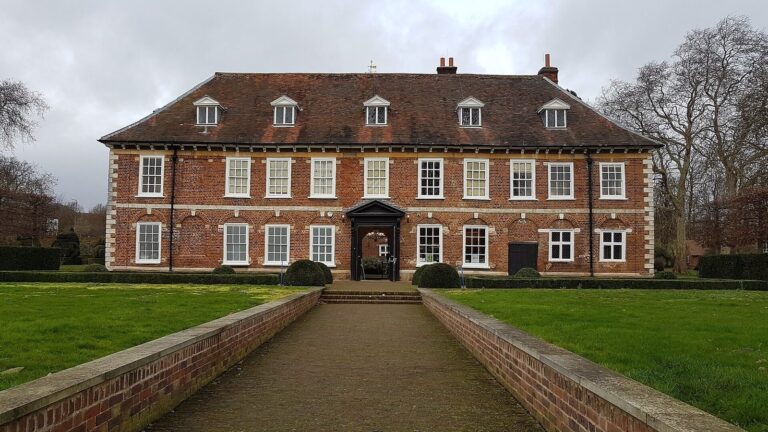
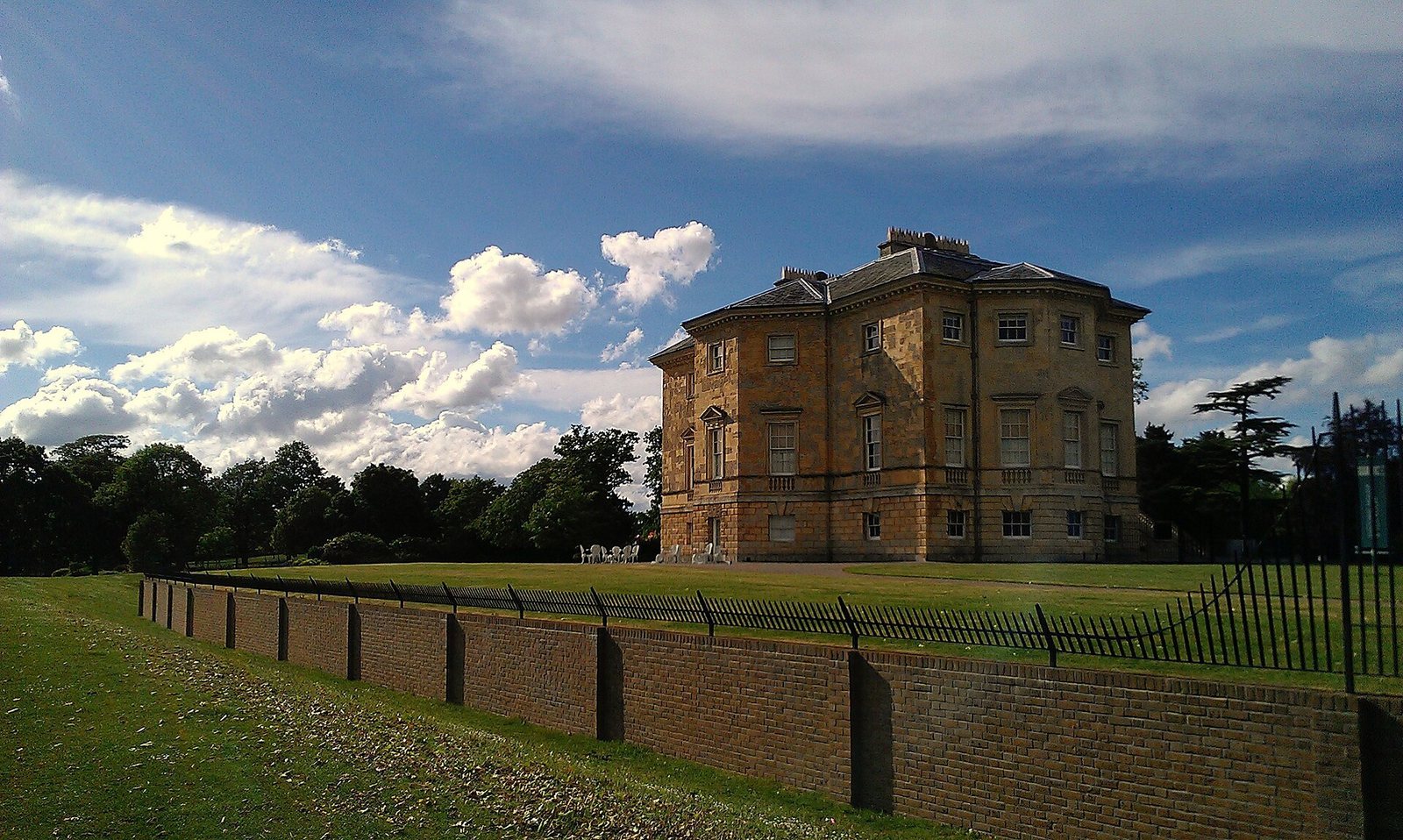
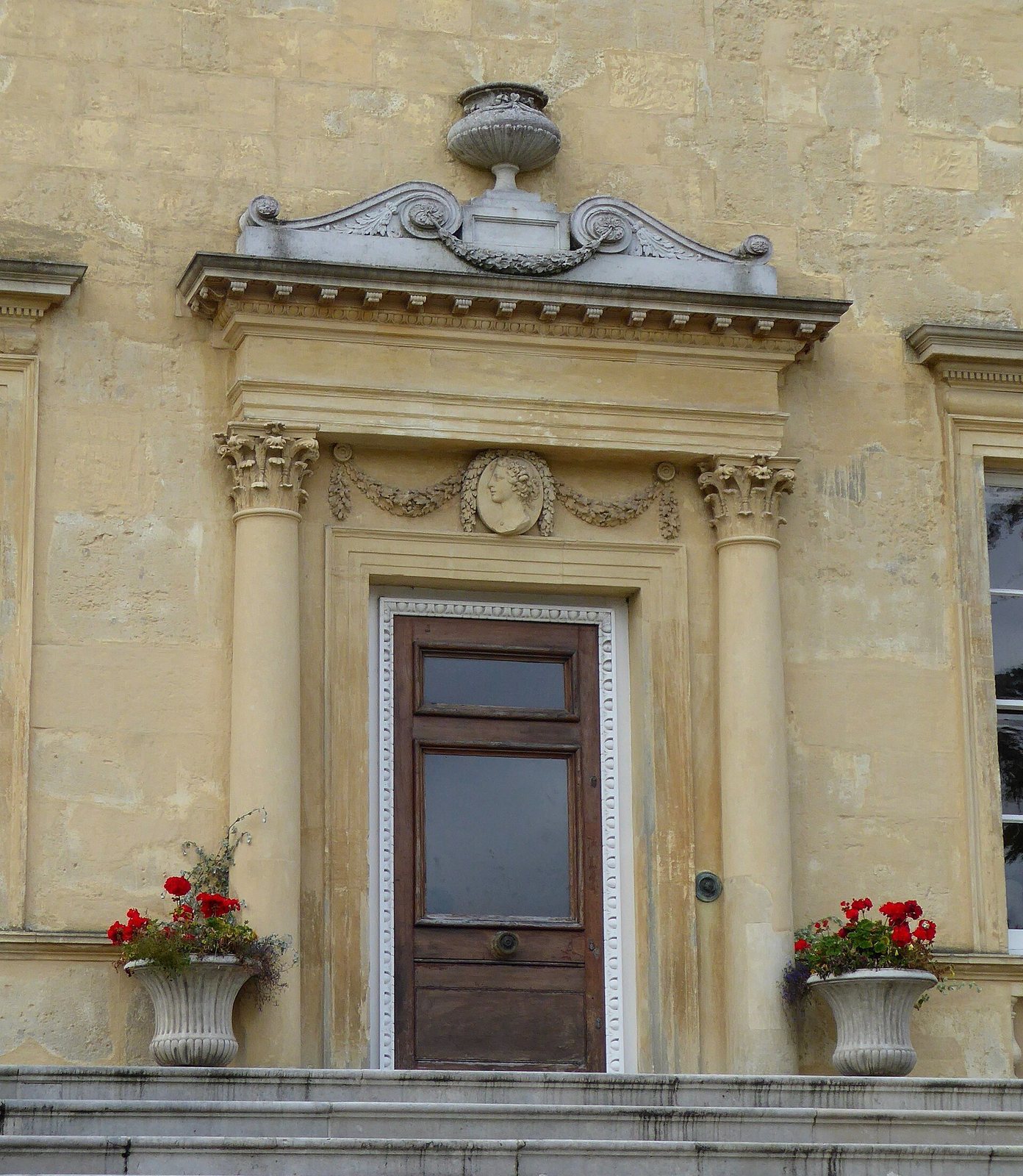
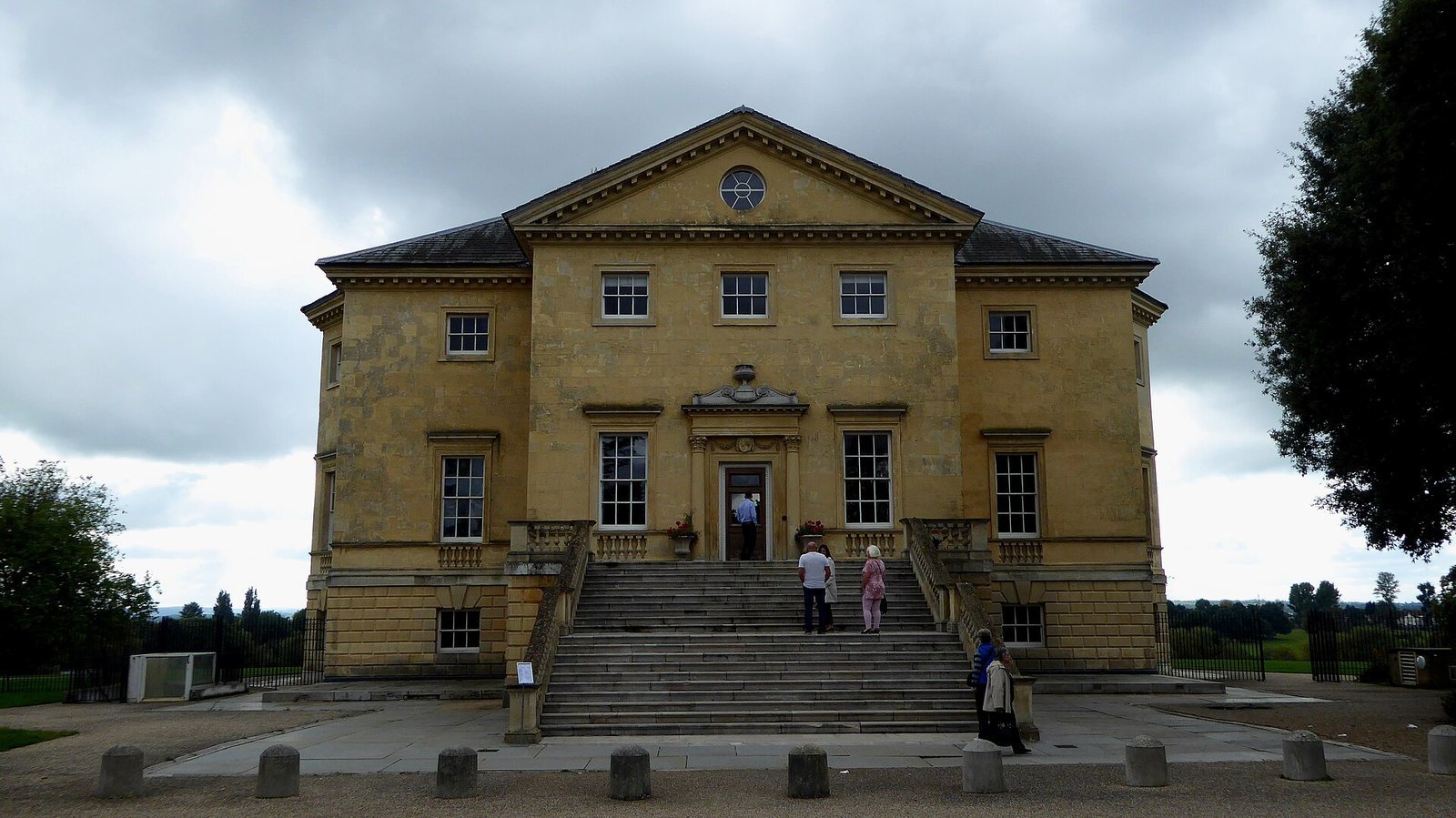
Danson House is a mansion in Welling, in the London Borough of Bexley, England. Designed by Sir Robert Taylor for Sir John Boyd, it follows the Palladian style, which draws on classical Renaissance designs. Work began in 1763, and Boyd moved in around 1768. By the time of his death in 1800, the house stood within more than 600 acres of pleasure grounds and farmland.
Early ownership and development
The earliest recorded reference to the Danson estates appears in an archbishop’s survey of 1284, which lists seven tenants with holdings totaling 17 acres at Densynton. Henry VIII acquired the Manor of Bexley, which remained part of the royal estates until James I sold it to John Spielman to raise money for the Crown. William Camden bought the manor on 1 March 1622 and granted it to Oxford University to fund a chair in History. By 1695, the estates had passed into private hands as an owner-occupied property.
John Styleman settled at Danson in 1699, two years after his brother Francis had acquired the property for him. He began developing it as a country seat, but left soon after his wife Arabella died there in 1717. In 1723, Styleman leased the property for 99 years to John Selwyn, a Member of Parliament and royal courtier. Selwyn enlarged and improved the estate before his death in 1751. Styleman died in 1734; his will divided the lease proceeds between his widow, Mary, and charities that supported almshouses for 12 poor families in Bexley.
Boyd and the Palladian house
On 10 July 1753, Selwyn’s widow, also named Mary, sublet the property to Sir John Boyd, a sugar merchant and vice-chairman of the British East India Company, an English trading corporation closely involved in overseas expansion. By 1759, Boyd had taken over the lease and bought additional land Selwyn had added to the estate. He continued paying the charity £100 a year because it retained half-ownership of the land. The Styleman Act of 1762 enabled Boyd to exchange that share for a permanent annual payment, making him sole owner and allowing him to enlarge the estate and build the house.
The landscape was laid out between 1761 and 1763, with its design attributed either to Capability Brown or to his assistant Nathaniel Richmond. The new house was initially called Danson Hill. Boyd moved in around 1768 with his new wife, Catherine. More than 200 acres of the former estate now form Danson Park, the borough’s second-largest public park.
Nineteenth-century transformations
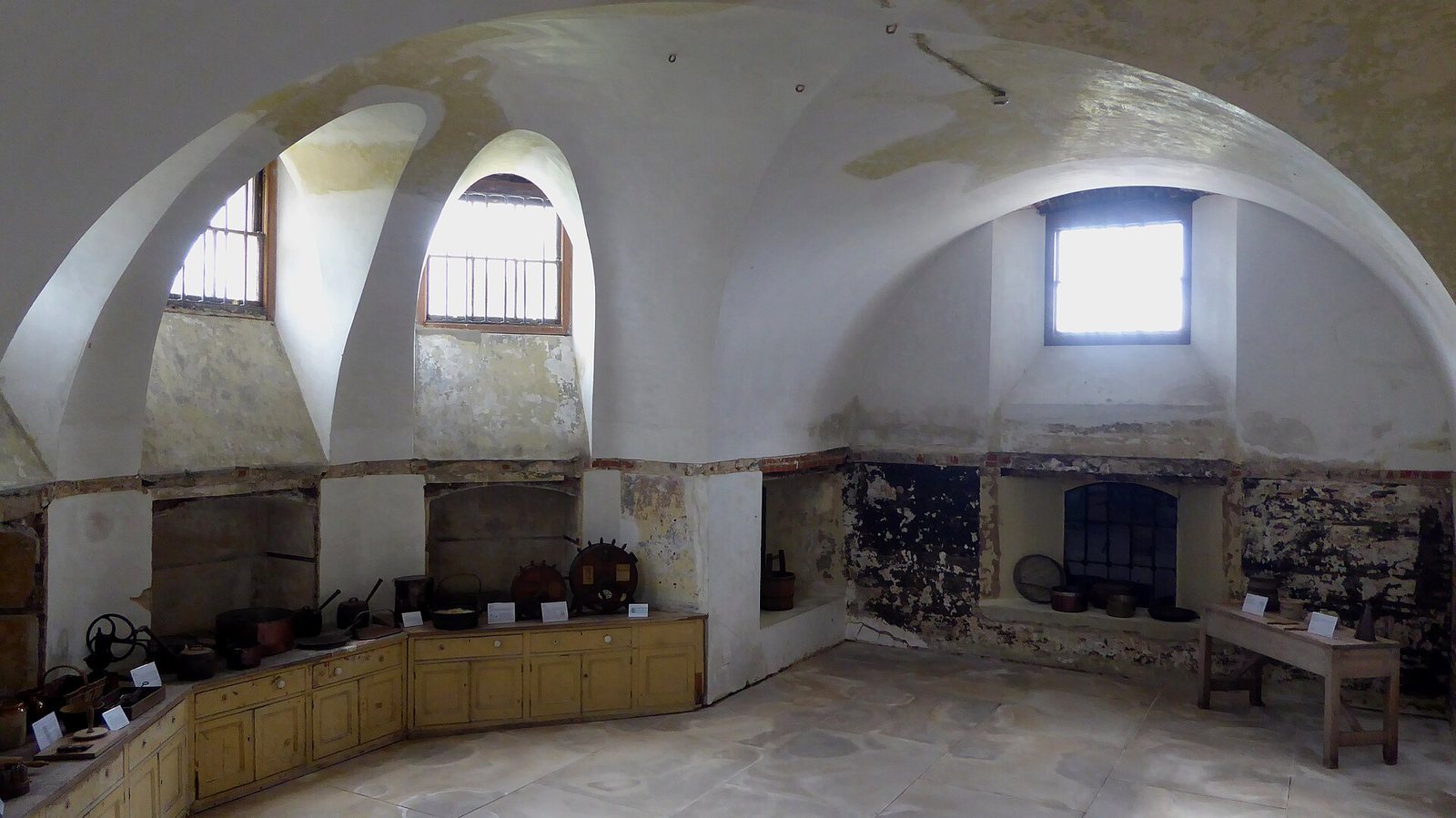
After Boyd died in January 1800, his son removed the house’s wings, which contained the kitchens and stables. The estate was sold in 1807 to John Johnston, a retired captain in the British Army’s 62nd Regiment of Foot and a Freeman of the City of London. In 1829 it passed to Johnston’s son Hugh. Hugh’s daughter Sarah painted detailed watercolours of the interiors in the 1860s; these later helped guide the house’s restoration.
Hugh Johnston sold Danson in 1862 to railway engineer Alfred Bean, who intended to turn the 582-acre estate into a residential suburb. Bean was a driving force behind the Bexleyheath Railway Company and chaired Bexley Local Board. Under his will, land away from the house was sold for development. After Bean’s death in 1890, his family retained the house and 224 acres until his widow died in 1921, when the estate was auctioned.
Public park and restoration
Bexley Urban District Council bought the estate in 1924 for £16,000, and Princess Mary, daughter of King George V, opened the park to the public in 1925. During the Second World War, the house was used for civil-defence purposes. It was listed in 1953 as a Grade I building, the highest English listing grade for buildings of special architectural or historic interest, under the official name Danson Park Mansion. Danson Park was added to the Register of Historic Parks and Gardens in 1987, which recognizes designed landscapes of particular importance.
English Heritage, an organization that cares for historic buildings and sites in England, acquired the house in 1995, when it was dangerously dilapidated. A ten-year restoration followed. English Heritage holds the house on a 999-year lease dating from 1997, and Bexley Heritage Trust joined the restoration work in 2000, completing the interior furnishing and fitting-out before the house reopened in spring 2005. The park grounds were restored in 2006. In 2016, Danson House passed to direct borough management and became Bexley’s register office, where civil events such as births, marriages and deaths are officially registered.
Remains
The site centers on the Palladian mansion within Danson Park, with designed landscape features and later estate buildings around it. The lake and Chapel House lie south of the house, while the stable block represents a later phase of the estate’s development.
Designed landscape
The lake
A 12-acre lake lies south of Danson House on the site of the earlier mansion. Its winding outline was shaped to resemble a picturesque river.
Chapel House
Chapel House is a small building with a spire, constructed south of Danson House. A motorway now separates it from the rest of the park, and it remains visible near the Blendon roundabout.
House and service buildings
Danson House
The house’s interior scheme included ornate fireplace surrounds designed by William Chambers, as well as murals and paintings made for the house by Richard Wilson and Richard Corbould. Sarah Johnston’s interior watercolours, painted in the 1860s, later helped inform the restoration.
Stable block
The stable block was built after 1800 to replace the demolished service wings. Its design is attributed to George Dance the Younger. The building now operates as a public house called Danson Stables.