Manor in Moravany nad Váhom: A Renaissance Estate in Slovakia
Site at a Glance
- Popularity
- Low
- Country
- Slovakia
- Primary era
- Early Modern
- Eras represented
- Medieval, Early Modern, Modern
- Civilizations
- Unclassified
- Site type
- Domestic
- Remains
- Manor House
On this page8 sections
History
The Manor in Moravany nad Váhom is a historic manor in Slovakia with medieval origins. In the late 16th century, a Renaissance rebuilding joined two separate buildings, shaping much of the manor’s later appearance.
Baroque alterations and the chapel
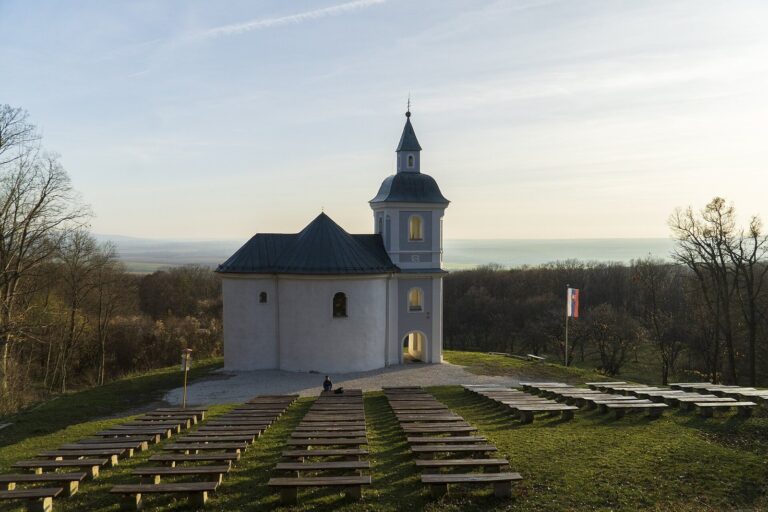
The manor was altered in the Baroque style during the 18th century. In the early part of the century, its eastern bastion was demolished and the Csáky family built a chapel on the site. On 30 May 1757, the Archdiocese of Esztergom, a Roman Catholic ecclesiastical jurisdiction, granted the chapel permission to celebrate Mass.
Changes in the 19th century
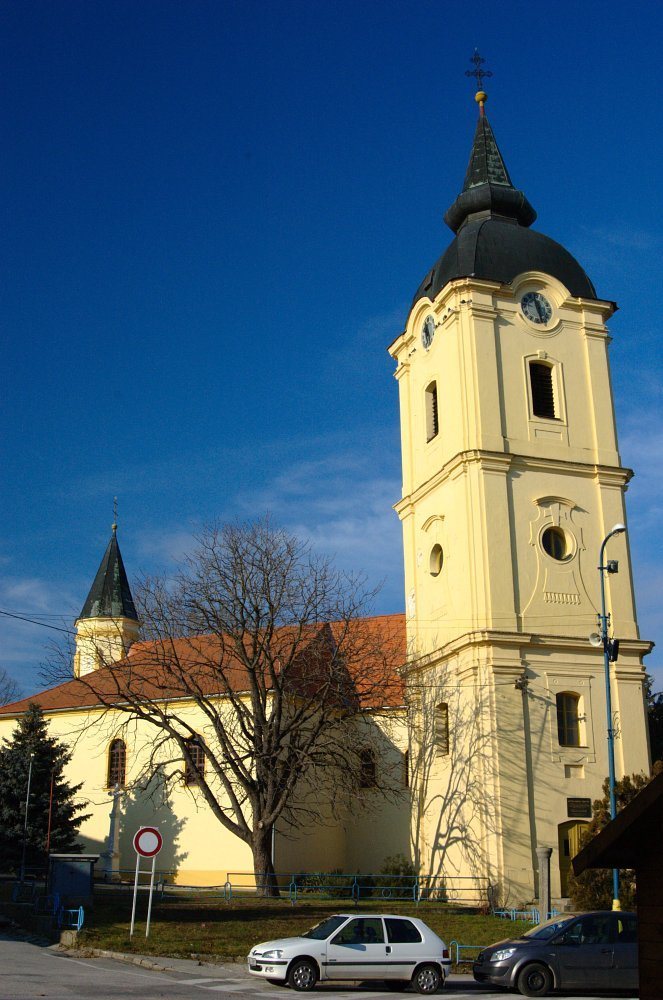
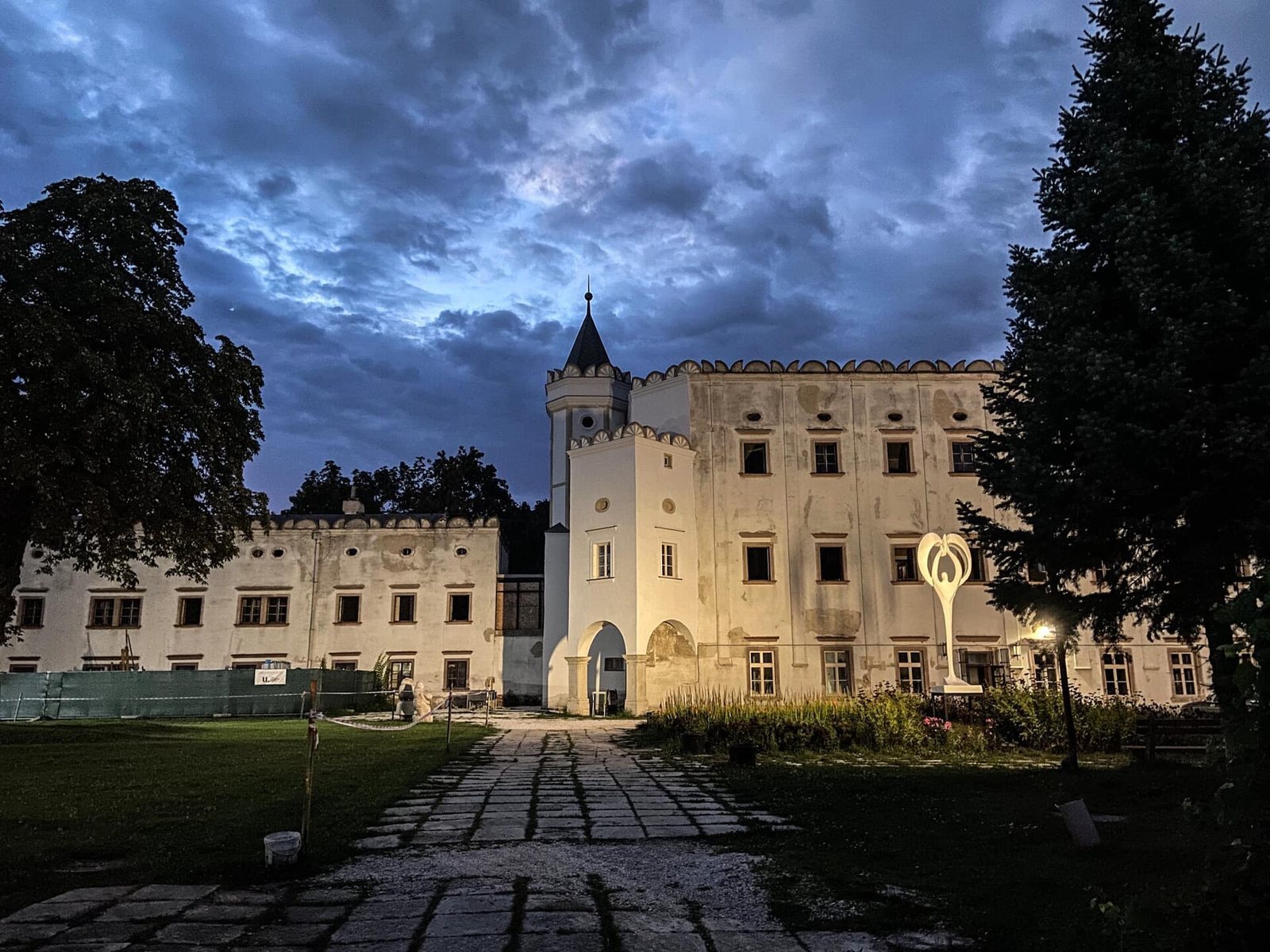
Count Kurt Zedtwitz oversaw major changes in the second half of the 19th century. In 1881, a third storey was created within the attic space, and a tower was added on the east side.
Restoration and recent history
Between 1964 and 1970, the manor was restored for the House of Slovak Visual Artists and Architects. Sculptures were made in its park during international sculpture symposia. After the property was sold to foreign private individuals in 2006, it deteriorated. The company Juris Doctor acquired it in 2017 and began stabilization work.
The manor, chapel, park, residential building, and stable form a Slovak National Cultural Monument, a formally protected heritage site. Because of its critical condition, the complex was also placed on a national list prioritizing monuments for protection and restoration.
Remains
The Renaissance manor stands on a terrace above the Váh valley, in an area once within the river’s floodplain. The raised terrain provided natural protection. An English landscape park forms part of the complex.
The manor
The manor’s historic layout developed from two separate buildings joined during the Renaissance rebuilding. The building was later altered in the Baroque period and substantially changed in the 19th century, including the addition of an upper storey within the attic and a tower on its east side.
The chapel
The chapel occupies the site of the former eastern bastion. Its interior contains a Renaissance aedicule altar, framed like a small architectural shrine, bearing the coats of arms of the Csáky and Zichy families. A large Pietà, depicting Mary mourning the dead Christ, occupies the center; a smaller image of the Holy Trinity is above it, and a tabernacle, a receptacle for the Eucharist, is below. The chapel also has a Renaissance pulpit finished in black and gold.
The park
Sculptures by Slovak and international artists are distributed through the English landscape park. They were created as part of international sculpture symposia.